

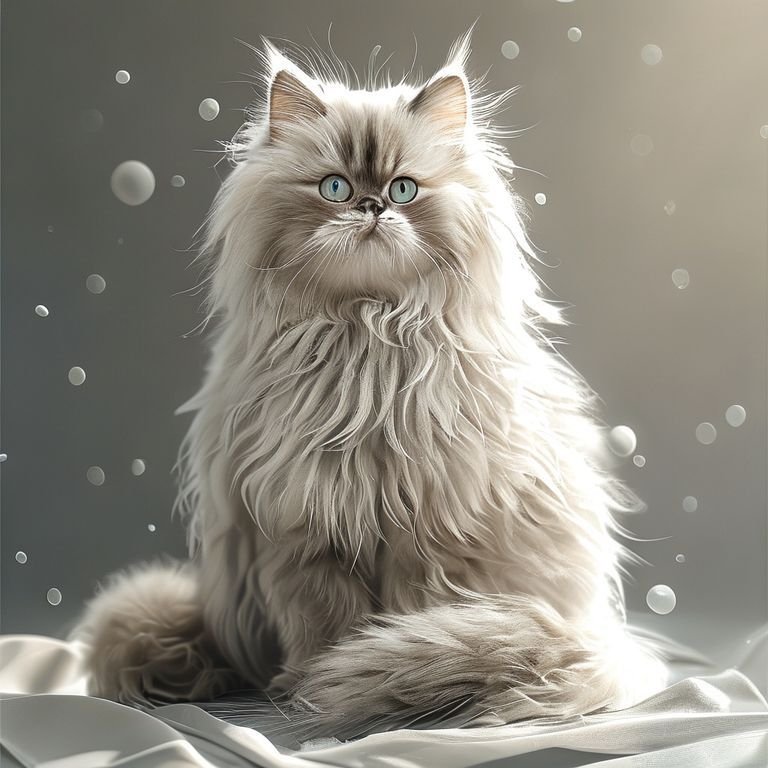
Master the art of Persian grooming! Discover essential tips, tools, and routines to keep your fluffy feline looking pristine and healthy, ready for any spotlight.
The Allure of the Persian Coat: Understanding the Challenge
Persian cats are renowned for their luxurious, long, and flowing coats that exude elegance and charm. This magnificent fur is what makes them so captivating, but it also presents a unique set of grooming challenges. Proper Persian grooming isn’t just about aesthetics; it’s vital for their health and comfort, preventing painful mats and skin issues.
Their dense double coat, consisting of a soft undercoat and a longer, silkier outer coat, is prone to tangling and matting if not maintained diligently. Understanding the specific needs of this breed is the first step towards a successful and enjoyable grooming routine for both you and your feline companion.
Regular maintenance is key to preserving the beauty and health of your Persian’s fur. This proactive approach minimizes stress for your cat and makes the grooming process more manageable over time.
The Daily Brushing Ritual: Your Cornerstone of Persian Grooming
Daily brushing is the single most important aspect of Persian grooming. Skipping even a few days can lead to knots and mats that are difficult and painful to remove. A consistent routine not only keeps their coat pristine but also strengthens the bond between you and your cat.
Investing in the right tools makes all the difference. You’ll need a variety of brushes and combs to effectively tackle their dense fur.
Essential Brushing Tools for Persian Cats
Having the correct tools on hand will significantly ease your grooming efforts. Each tool serves a specific purpose in maintaining that show-stopping fluff.
- Metal Comb (Wide and Fine-toothed): This is your primary tool. The wide-toothed side helps detangle larger knots, while the fine-toothed side is excellent for removing loose undercoat and checking for fleas or tiny mats.
- Slicker Brush: Ideal for removing loose hair and small tangles from the topcoat. Use gentle, short strokes to avoid irritating the skin.
- Pin Brush: Good for general brushing, especially for distributing natural oils throughout the coat, adding shine. It’s less aggressive than a slicker brush and can be used for sensitive areas.
- Deshedding Tool (e.g., Furminator): Use sparingly, perhaps once a week, to remove significant amounts of loose undercoat. Overuse can damage the delicate topcoat.
- Detangling Spray: A good quality detangling spray can help loosen knots and make brushing easier, especially on stubborn areas.
Comparison of Top Grooming Brushes for Persian Cats
Choosing the right brush can significantly impact the effectiveness and comfort of your Persian grooming routine. Here’s a comparison of some popular options:
| Product | Price | Pros | Cons | Best For |
|---|---|---|---|---|
| Chris Christensen Big G Slicker Brush | $50-70 | Exceptional for detangling and fluffing, gentle on sensitive skin. High quality, durable build. | Higher price point compared to other slickers. | Professional groomers and serious show cat owners. |
| Andis Pet Steel Grooming Comb | $10-15 | Versatile with both wide and fine teeth. Excellent for daily detangling and checking for mats. | Can be uncomfortable for cats if used too aggressively. | Everyday grooming and general coat maintenance. |
| Safari Pin & Bristle Combo Brush | $8-12 | Affordable and dual-purpose, good for distributing oils and light detangling. | Less effective on severe mats or very dense undercoat. | Maintaining shine and light daily brushing for less matted coats. |
The Step-by-Step Brushing Routine
Establish a routine that works for both you and your cat. Consistency is key to making Persian grooming a positive experience.
1. Prepare the Environment: Choose a quiet, comfortable spot where your cat feels secure. Have all your tools within reach, along with some treats for positive reinforcement.
2. Start Gently: Begin by using the wide-toothed metal comb, working from the head towards the tail, and from the top down. Always start at the ends of the hair and work your way up to the skin to avoid pulling.
3. Section by Section: Systematically work through small sections of your cat’s coat. Pay extra attention to areas prone to matting: behind the ears, armpits, britches (the long hair on their hind legs), and under the belly.
4. Address Tangles and Mats: If you encounter a tangle, don’t pull. Use a detangling spray and gently work it out with your fingers or the wide-toothed comb. For stubborn mats, you may need a mat splitter or a safety razor, but extreme caution is advised. If a mat is too close to the skin or too large, professional help is recommended to avoid injury.
5. Follow with a Slicker Brush: Once detangled, use the slicker brush to remove loose hair and smooth the coat. Use light, quick strokes, always brushing in the direction of hair growth.
6. Finish with the Pin Brush: A final pass with a pin brush will add shine and ensure all loose hairs are removed, leaving the coat beautifully fluffed and smooth.
7. Positive Reinforcement: Always reward your cat with treats and praise during and after the grooming session. This helps them associate Persian grooming with positive experiences.
Bathing Your Majestic Feline: A Step-by-Step Ritual
While daily brushing is crucial, regular bathing is equally important for a Persian’s coat, especially if they are a show cat or prone to oily fur. Bathing helps remove dirt, excess oil, and loose hair that brushing alone can’t tackle.
Aim to bathe your Persian cat every 4-6 weeks, or as needed, depending on their activity level and coat condition. Proper bathing is a key component of effective Persian grooming, ensuring their fur remains soft, clean, and free of buildup.
Pre-Bath Preparations and Tools
Before you even think about water, ensure your cat’s coat is completely free of tangles and mats. Water tightens mats, making them impossible to remove once wet.
- Grooming Table or Non-Slip Surface: A raised surface makes it easier on your back. A non-slip mat in the tub is essential for your cat’s safety.
- Cat-Specific Shampoo and Conditioner: Use high-quality products designed for long-haired cats. Hypoallergenic or deshedding formulas can be beneficial. Avoid human shampoos.
- Towels: Have several clean, absorbent towels ready.
- Cotton Balls: To gently plug their ears before the bath, preventing water from entering.
- Eye Protectant Ointment: A small dab can protect their eyes from shampoo.
- Hair Dryer (Pet-Friendly): A powerful, quiet dryer with variable heat settings is ideal for quickly and thoroughly drying their dense coat.
The Bathing Process for Optimal Persian Grooming
A calm and controlled approach will make the bathing experience less stressful for your cat.
1. Pre-Groom: Thoroughly brush your cat to remove any tangles or loose hair. This step is non-negotiable.
2. Protect Ears and Eyes: Place cotton balls gently in your cat’s ears and apply a small amount of eye protectant ointment to prevent irritation.
3. Wet Thoroughly: Use lukewarm water and a handheld shower sprayer (if available) to wet your cat’s entire coat, avoiding direct spray into their face. Work slowly, talking to your cat calmly.
4. Shampoo: Apply a small amount of shampoo and gently massage it into the coat, working up a lather. Be thorough, ensuring it reaches the skin, especially in oily areas. Rinse completely, leaving no residue.
5. Condition: Apply conditioner, allowing it to sit for the recommended time before rinsing thoroughly. Conditioning is crucial for preventing mats and maintaining coat health.
6. Rinse, Rinse, Rinse: This is arguably the most important step. Any shampoo or conditioner residue can irritate the skin and lead to matting. Rinse until the water runs clear and the fur feels squeaky clean.
7. Towel Dry: Gently squeeze excess water from the coat. Wrap your cat in a clean, absorbent towel and pat dry. Do not rub vigorously, as this can cause tangles.
8. Blow Dry: This is where the pet-friendly dryer comes in. Set it to a low-medium heat. While drying, use a slicker brush or a metal comb to continually brush through the fur, fluffing it up and ensuring it dries straight and knot-free. Pay close attention to the undercoat, as it can remain damp and lead to skin issues if not fully dried. Continue until the coat is completely dry, including under the armpits and belly.
9. Final Brush: Once fully dry, give your Persian a final brush-through to ensure maximum fluff and shine.
Eye, Ear, and Nail Care: The Finer Details of Persian Grooming
Beyond the magnificent coat, paying attention to your Persian’s eyes, ears, and nails is essential for their overall health and appearance.
Crystal Clear Eyes
Persian cats are known for their brachycephalic (flat) faces, which can lead to excessive tearing and tear stains. Regular cleaning is crucial to prevent irritation and infection.
- Daily Cleaning: Use a soft, damp cloth or a specialized eye wipe for cats to gently clean around their eyes daily. Wipe away any discharge or crust.
- Tear Stain Removal: For persistent tear stains, there are veterinary-approved products designed to lighten or remove them. Always consult your vet before using any new product near your cat’s eyes.
- Monitor for Issues: Watch for excessive redness, swelling, or unusual discharge, which could indicate an eye infection requiring veterinary attention.
Healthy Ears
Regular ear checks are part of comprehensive Persian grooming. Their ears, though less prone to problems than some breeds, still need attention.
- Weekly Inspection: Gently fold back your cat’s ear and look inside. The ear canal should be clean and pale pink, with no strong odor, excessive wax, or redness.
- Gentle Cleaning: If you see a small amount of dirt or wax, use a vet-approved ear cleaner and a cotton ball to gently wipe the visible parts of the ear. Never insert anything into the ear canal.
- Watch for Warning Signs: Excessive scratching, head shaking, redness, swelling, or a foul odor could be signs of an ear infection or mites. Seek veterinary care immediately if you notice these symptoms.
Trimmed Nails
Keeping your Persian’s nails trimmed prevents them from becoming overgrown, which can be painful, lead to ingrown nails, and cause damage to your furniture.
- Weekly or Bi-Weekly Trimming: Use sharp, cat-specific nail clippers. Gently press on your cat’s paw pad to extend the nail.
- Identify the Quick: Only trim the sharp tip, being careful to avoid the “quick,” the pink part inside the nail that contains blood vessels and nerves. If you cut the quick, it will bleed and be painful.
- Positive Reinforcement: Make nail trimming a calm experience with treats and praise. If your cat is resistant, try trimming one or two nails at a time.
- Professional Help: If you’re uncomfortable trimming your cat’s nails, your vet or a professional groomer can do it for you.
Nutrition and Supplements: Grooming from the Inside Out
The saying “you are what you eat” holds true for cats, especially when it comes to their coat health. A healthy diet is fundamental to maintaining a lush, shiny Persian coat and minimizing grooming issues.
High-quality nutrition provides the building blocks for healthy skin and fur. Poor diet can lead to dull, brittle fur, excessive shedding, and even skin problems that make Persian grooming more challenging.
Key Nutritional Components for Coat Health
- High-Quality Protein: Cats are obligate carnivores, meaning they require a diet rich in animal-based protein for overall health, including strong hair follicles.
- Omega-3 and Omega-6 Fatty Acids: These essential fatty acids are crucial for skin hydration and coat luster. Look for foods that list fish oil (a source of Omega-3) or flaxseed oil.
- Vitamins and Minerals: Biotin, zinc, and Vitamin E are particularly important for skin and coat health. Ensure your cat’s food is complete and balanced.
Supplements for Extra Support
While a balanced diet is paramount, certain supplements can provide an extra boost, especially for show cats or those with persistent coat issues.
- Fish Oil (Omega-3): Can reduce shedding, improve coat shine, and decrease skin inflammation. Always use a cat-specific formulation and consult your vet for the correct dosage.
- Biotin: Sometimes recommended for improving hair strength and reducing breakage.
- Hairball Remedies: Regular grooming means your Persian will ingest a lot of hair. Hairball remedies, often in paste form, can help hair pass through their digestive system more easily, preventing painful hairballs.
- Probiotics: A healthy gut contributes to overall health, which can reflect in the skin and coat.
Always consult your veterinarian before adding any supplements to your cat’s diet to ensure they are appropriate and in the correct dosage for your individual Persian.
Troubleshooting Common Persian Grooming Challenges
Even with a diligent routine, you might encounter specific challenges unique to Persian cats. Knowing how to address them can save you stress and keep your cat comfortable.
Dealing with Mats and Tangles
Mats are the bane of any Persian owner’s existence. Prevention through daily brushing is the best strategy, but if they do occur, act quickly.
- Small Tangles: Use a detangling spray and gently work the tangle out with your fingers, then a wide-toothed comb. Always support the skin at the base of the tangle to prevent pulling.
- Larger Mats: If a mat is significant, use a mat splitter or blunt-nosed scissors with extreme caution. Always slide the blade *under* the mat, between the mat and the skin, never cutting across the mat directly. If you’re unsure, or the mat is close to the skin, deep, or extensive, it’s safer to visit a professional groomer or veterinarian. Shaving may be the only humane option for severe matting.
- Preventative Measures: Pay extra attention to high-friction areas like armpits, behind ears, and the britches. Consider a protective “lion cut” during warmer months if mats are a constant struggle.
Overcoming Grooming Resistance
Not all cats enjoy grooming. Patience, positive reinforcement, and consistency are your best tools.
- Start Young: Introduce grooming tools and routines when your Persian is a kitten.
- Short, Frequent Sessions: If your cat is resistant, start with very short sessions (a minute or two) and gradually increase the duration as they become more comfortable.
- Treats and Praise: Reward good behavior with treats, verbal praise, and gentle petting. Make grooming a positive experience.
- Calm Environment: Ensure the grooming area is quiet and free of distractions.
- Professional Help: If your cat is aggressive or extremely fearful during grooming, consult a professional groomer or your vet. They may offer techniques or recommend mild sedatives for severe cases.
Managing Excessive Shedding
Persians naturally shed, especially seasonally, but excessive shedding can be a concern.
- Regular Deshedding: Incorporate a deshedding tool into your weekly routine, but use it gently and sparingly to avoid irritating the skin or damaging the topcoat.
- Dietary Support: Ensure your cat is on a high-quality diet rich in Omega fatty acids. Supplements like fish oil can also help.
- Hydration: Make sure your cat has constant access to fresh water. Proper hydration is essential for skin and coat health.
- Veterinary Check-up: If shedding is suddenly excessive, accompanied by bald patches, skin irritation, or changes in behavior, it’s wise to consult your vet to rule out underlying health issues like allergies, parasites, or hormonal imbalances.
The journey of Persian grooming is an ongoing commitment, but the reward is a beautiful, healthy, and happy feline companion who looks as magnificent as they feel. By understanding their unique needs and implementing a consistent, loving routine, you ensure your fluffy friend always looks show-stopping.
Frequently Asked Questions (FAQ)
How often should I bathe my Persian cat?
It’s generally recommended to bathe your Persian cat every 4-6 weeks. However, this can vary based on their lifestyle, coat oiliness, and whether they are a show cat. Some owners bathe more frequently, while others may stretch it to 8 weeks if the coat stays clean.
What type of shampoo is best for a Persian cat?
Always use a high-quality, cat-specific shampoo. Look for formulas designed for long-haired breeds, sensitive skin, or those that help with deshedding. Avoid human shampoos, as their pH levels are not suitable for cats and can cause skin irritation.
My Persian cat hates grooming. What can I do?
Patience and positive reinforcement are key. Start with short, frequent sessions, offering treats and praise. Make the experience as calm and quiet as possible. If resistance is severe, consider consulting a professional groomer for techniques or your vet to rule out pain or anxiety issues.
How do I prevent tear stains on my Persian?
Daily cleaning of the eye area with a soft, damp cloth or specialized eye wipes is the most effective prevention. Ensure their diet is balanced and check for any underlying eye issues with your vet. Some filtered water can also help reduce mineral buildup that contributes to staining.
Leave a Reply