

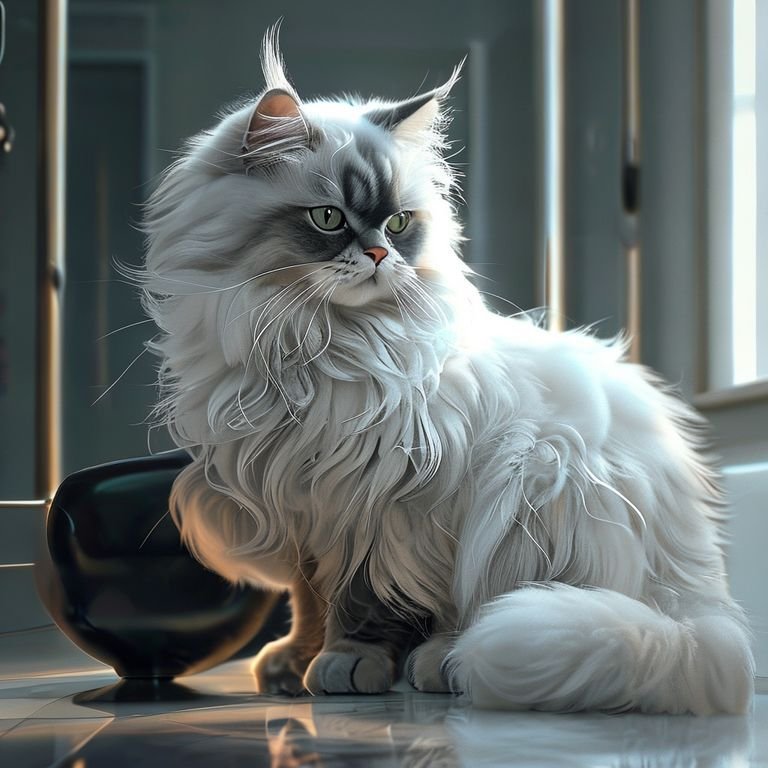
Unlocking the secret to a truly flawless Persian cat coat every single time is an achievable dream for any dedicated owner. This comprehensive guide will transform your approach to Persian grooming, offering actionable insights and proven techniques that cater to the unique needs of these magnificent felines. Mastering the art of Persian grooming is not just about aesthetics; it’s a vital component of your cat’s overall health and well-being, preventing discomfort and potential skin issues.
A glorious, mat-free coat is the hallmark of a healthy Persian, and with the right routine and tools, you can maintain that luxurious look with confidence. From daily brushing rituals to the occasional bath, we’ll cover every aspect necessary to ensure your Persian’s fur remains soft, shiny, and tangle-free. Dive into these expert tips and discover how consistent, gentle care makes all the difference.
The Foundation of a Flawless Coat: Daily Brushing Essentials
Daily brushing is the cornerstone of effective Persian grooming. Without it, the long, dense coat of a Persian cat can quickly become matted, leading to skin irritation, infections, and significant discomfort. Establishing a consistent daily routine of 15-20 minutes can prevent most coat issues before they even begin.
This routine isn’t just about removing loose fur; it’s also a bonding experience for you and your cat. Regular contact helps you detect any lumps, bumps, or skin abnormalities early, ensuring prompt veterinary attention if needed. A systematic approach to brushing ensures no area of the coat is overlooked.
Choosing the Right Tools for Persian Grooming
The success of your Persian grooming efforts heavily relies on selecting the appropriate tools. Investing in high-quality brushes and combs designed for long-haired cats is crucial. Cheap or incorrect tools can pull hair, irritate skin, and make the grooming experience unpleasant for your feline friend, potentially leading to resistance.
Consider the type of coat your Persian has – some have softer, finer fur, while others have a denser, more cottony texture. This can influence the best brush type. Always ensure the tools are clean before use to prevent spreading dirt or bacteria onto their pristine coat.
Comparison of Essential Persian Grooming Tools
| Product | Price | Pros | Cons | Best For |
|---|---|---|---|---|
| Slicker Brush (Soft Pin) | $10-$25 | Excellent for removing loose fur, dirt, and minor tangles. Stimulates skin. | Can be too harsh if used improperly, pins can scratch skin. | Everyday detangling and deshedding. |
| Metal Comb (Wide/Fine Tooth) | $8-$20 | Crucial for thoroughly checking for mats, especially in sensitive areas like armpits and behind ears. | Can pull hair if used on large tangles, requires careful handling. | Detail work, mat detection, finishing brush. |
| Mat Splitter/Dematter | $15-$30 | Specifically designed to safely break up severe mats without excessive pulling. | Requires careful technique to avoid cutting skin, not for everyday use. | Dealing with existing, stubborn mats. |
| Grooming Glove | $7-$15 | Gentle massage action, good for sensitive cats or a quick touch-up. Helps distribute natural oils. | Less effective for deep detangling or heavy shedding. | Daily bonding, light shedding, sensitive cats. |
Mastering the Brushing Technique
Effective brushing involves more than just running a brush through the fur. Start with a wide-toothed metal comb to gently work through any superficial tangles, then follow with a slicker brush. Always brush in the direction of hair growth, working in small sections.
Pay close attention to “problem areas” where mats commonly form: under the legs, behind the ears, around the ruff, and near the tail. These spots require extra patience and gentle strokes. Lift sections of fur to ensure you’re brushing all the way down to the skin, but be careful not to scratch it.
Preventing Mats and Tangles
Prevention is key in Persian grooming. Regular, thorough brushing is the most effective deterrent against mats. If you encounter a small tangle, try to gently tease it apart with your fingers or the wide-toothed end of your metal comb. Never pull or rip through a mat, as this will cause pain and damage the coat.
For more stubborn tangles, a detangling spray specifically formulated for cats can help. Spray a small amount onto the mat, let it sit for a minute, then gently work it out. If a mat is too large or close to the skin, it’s safer to have it shaved off by a professional groomer or veterinarian to prevent injury to your cat.
The Art of Bathing Your Persian Cat
While daily brushing keeps the coat tangle-free, regular bathing is essential for removing dirt, excess oils, and dander, contributing significantly to a truly flawless Persian cat coat. Unlike some short-haired breeds that rarely need baths, Persians benefit greatly from a bath every 4-6 weeks, or more often if their coat gets particularly dirty or oily.
Bathing a Persian can be a challenge, but with patience and the right technique, it can become a calm and even pleasant experience for your cat. The goal is to keep them clean and comfortable, ensuring their long fur remains soft and lustrous. This part of Persian grooming requires a gentle touch and preparation.
Pre-Bath Preparation and Product Selection
Preparation is paramount before attempting to bathe your Persian. First, thoroughly brush your cat to remove any mats or loose fur. Water can tighten mats, making them nearly impossible to remove post-bath. Trim their nails beforehand to protect yourself from accidental scratches.
Gather all your supplies: two towels, a non-slip mat for the tub or sink, a cat-specific shampoo, and conditioner. Use only shampoos and conditioners formulated for cats, as human products can irritate their skin. Consider a tearless facial shampoo for their delicate faces. Have everything within arm’s reach before you start.
The Gentle Bathing Process
Start by filling a tub or sink with a few inches of lukewarm water – ensure it’s not too hot or too cold. Gently place your cat into the water, speaking in a calm, soothing voice. Use a handheld sprayer or a small cup to slowly wet their coat, starting from the neck and working backwards, avoiding their face initially.
Apply a small amount of shampoo and gently massage it into their fur, ensuring you reach the skin. Be thorough but quick, and rinse meticulously until all suds are gone. Leftover shampoo can cause skin irritation. Finally, apply conditioner, let it sit for a few minutes if recommended, then rinse thoroughly again. Use a damp cloth to gently clean their face, avoiding eyes and ears.
Drying Techniques for a Silky Finish
Proper drying is just as important as the bath itself for achieving that flawless Persian cat coat. Immediately after rinsing, gently squeeze excess water from their fur. Wrap your Persian in a large, absorbent towel and pat them dry, rather than rubbing vigorously, which can cause tangles.
Once towel-dried, many Persian owners use a pet-specific force dryer on a cool or low heat setting. This helps to fluff the coat and prevent mats from forming as the fur dries. Keep the dryer moving constantly to avoid overheating any one spot, and brush simultaneously to ensure even drying and a smooth finish. Ensure your cat is completely dry, especially at the roots, to prevent skin issues.
Beyond Brushing and Bathing: Holistic Persian Grooming
While brushing and bathing are critical, comprehensive Persian grooming extends to other essential areas of your cat’s well-being. Attending to their eyes, ears, and nails, along with considering their diet, contributes significantly to their overall health and the splendor of their coat. These aspects are often overlooked but are vital for a healthy, happy Persian.
A holistic approach ensures that your cat isn’t just looking good on the outside but is healthy from the inside out. Neglecting these areas can lead to discomfort, health problems, and can even detract from the appearance of their beautiful fur. Integrate these steps into your regular routine for complete care.
Eye and Ear Care Specifics
Persian cats are known for their distinctive flat faces, which can lead to excessive tearing and staining around their eyes. Daily cleaning of their eyes is crucial. Use a soft, damp cloth or a specialized eye wipe to gently clean away any discharge or tear stains. Always wipe away from the eye, using a fresh part of the cloth for each eye to prevent cross-contamination.
Their ears also require attention. Check them weekly for any redness, odor, or excessive wax buildup, which could indicate an infection. Use a vet-approved ear cleaner and a cotton ball to gently wipe the visible parts of the ear. Never insert anything into the ear canal, as this can cause damage. If you notice any signs of infection, consult your veterinarian immediately.
Nail Trimming Made Easy
Regular nail trimming is another vital part of Persian grooming. Overgrown nails can become uncomfortable, snag on carpets, or even grow into their paw pads, causing pain and infection. Aim to trim their nails every 2-4 weeks.
Use sharp, cat-specific nail clippers. Gently press on their paw pad to extend the nail and trim only the sharp tip, avoiding the ‘quick’ (the pink part containing blood vessels and nerves). If you accidentally cut the quick, a styptic powder can help stop the bleeding. If your cat resists, introduce nail trimming gradually with positive reinforcement, or seek assistance from a vet or professional groomer.
The Role of Diet in Coat Health
A flawless Persian cat coat isn’t just about external care; it’s also a reflection of internal health. A high-quality diet plays an indispensable role in maintaining the luster, softness, and strength of your Persian’s fur. Ensure your cat receives a balanced diet rich in essential fatty acids, vitamins, and minerals.
Look for cat foods that list real meat as the primary ingredient and are fortified with Omega-3 and Omega-6 fatty acids. These nutrients are vital for skin health and a shiny coat. Consider supplementing with fish oil or specially formulated skin and coat supplements if recommended by your veterinarian. Good hydration is also crucial, so ensure fresh water is always available.
When to Seek Professional Persian Grooming Assistance
While DIY Persian grooming is highly rewarding and effective, there are times when professional help is not just beneficial, but necessary. Recognizing these situations ensures your cat receives the best possible care, preventing further discomfort or health complications. Professional groomers have specialized tools, expertise, and facilities that can handle even the most challenging coat conditions.
Don’t view professional grooming as a failure of your own efforts, but rather as an extension of your commitment to your Persian’s well-being. It can be a valuable resource for maintaining a beautiful, healthy coat, especially for those who are busy or dealing with specific issues.
Recognizing Signs You Need a Pro
Several signs indicate it might be time to call in a professional groomer. If your Persian has developed extensive matting that you can’t safely remove at home, a professional can shave them down without injuring their delicate skin. Severe mats can restrict movement and cause pain, so prompt action is important.
Other indicators include persistent skin issues, unusual odors that don’t go away after a bath, or if your cat becomes overly stressed or aggressive during home grooming sessions. If you’re struggling with nail trims or expressing anal glands (which some long-haired cats may need assistance with), a professional can also provide these services safely and efficiently.
What to Expect from a Professional Groomer
When you take your Persian to a professional groomer, expect a thorough assessment of their coat and overall condition. A good groomer will discuss your cat’s specific needs, any problem areas, and your desired outcome. They will typically perform a full bath using professional-grade shampoos and conditioners, followed by a high-velocity blow-dry designed to fluff the long fur and prevent mats.
Groomers are adept at dematting, trimming specific areas (like sanitary clips or “lion cuts” for severely matted cats), nail trims, and ear cleaning. They often have specialized equipment like grooming tables and restraints that make the process safer and less stressful for the cat. Always choose a groomer experienced with long-haired breeds like Persians and ask for references.
Achieving a truly flawless Persian cat coat every single time is an ongoing journey that combines consistent home care with smart choices and, when necessary, professional support. From daily brushing and strategic bathing to meticulous eye and ear care and a nutritious diet, every step you take contributes to your Persian’s magnificent appearance and vital health. Remember that Persian grooming is not just about vanity; it’s a profound act of love and responsible pet ownership, preventing discomfort and fostering a deeper bond between you and your cherished feline. By implementing these expert strategies, you’re not just maintaining a coat; you’re ensuring your Persian thrives, radiant and comfortable in their own skin.
Ready to elevate your Persian’s grooming routine? Start integrating these tips today and watch their coat transform. For more insights into specialized Persian care and to connect with a community of fellow enthusiasts, explore our other articles and join the discussion!
Frequently Asked Questions About Persian Grooming
Q: How often should I brush my Persian cat?
A: Persian cats should be brushed daily for at least 15-20 minutes to prevent mats and tangles, which can form very quickly in their dense, long fur.
Q: What kind of shampoo is best for Persian cats?
A: Always use a high-quality shampoo specifically formulated for cats, preferably one designed for long-haired breeds or sensitive skin. Avoid human shampoos, as they can be too harsh.
Q: How often should I bathe my Persian cat?
A: Most Persian cats benefit from a bath every 4-6 weeks to remove dirt, dander, and excess oils. More frequent baths may be needed if they get particularly dirty or have oily coats.
Q: How do I remove mats from my Persian cat’s fur?
A: For small mats, gently tease them apart with your fingers or a wide-toothed metal comb, working from the outside in. Never pull. For severe or large mats, it is safest to consult a professional groomer or veterinarian to have them safely shaved off.
Q: Are “lion cuts” good for Persian cats?
A: A “lion cut” involves shaving the body, leaving fur on the head, paws, and tail. While it can be a solution for severely matted cats or for managing extreme heat, it should be done by a professional. Cats’ fur provides insulation and protection, so a lion cut should be considered carefully and not as a regular maintenance solution unless medically necessary.
Leave a Reply