

Meta Description: Master Persian cat shedding with expert grooming tips, nutritional advice, and essential tools for a silky, healthy coat and a tidier home.
Understanding Persian Shedding: The Basics
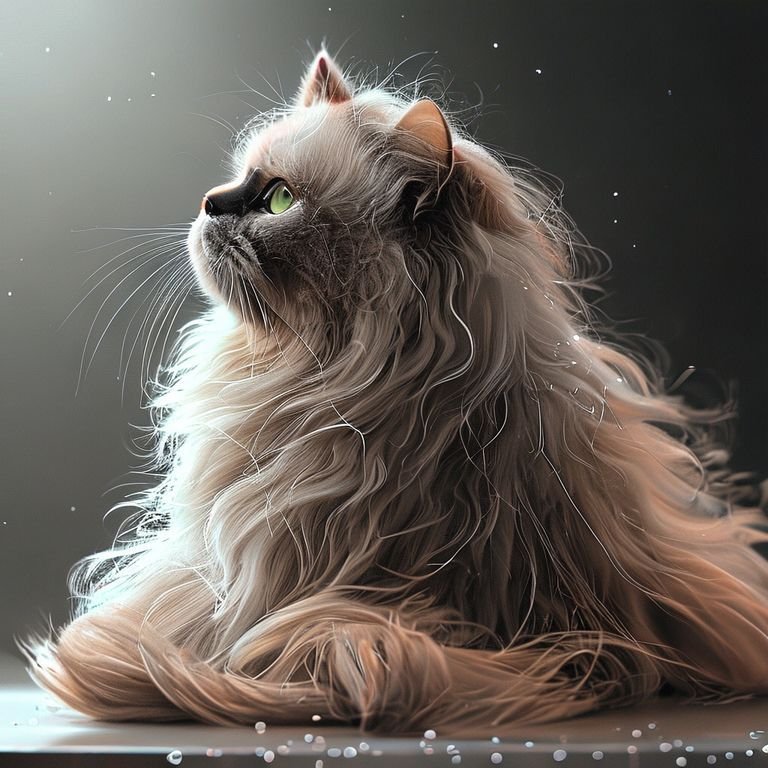
The majestic Persian cat, with its luxurious, flowing coat, is a sight to behold. This magnificent fur, however, comes with a trade-off: significant shedding. Understanding the natural process of Persian shedding is the first step towards managing it effectively and maintaining your cat’s stunning appearance.
Persian cats possess a dense double coat, consisting of a soft, downy undercoat and a longer, coarser outer coat. This opulent fur is designed to protect them from various weather conditions, but it also means they shed year-round, with seasonal peaks. Expect more noticeable Persian shedding during spring and fall as they adjust their coats for warmer or cooler weather.
While some shedding is entirely normal, excessive hair loss can be a sign of underlying health issues. Familiarizing yourself with your cat’s typical shedding patterns will help you differentiate between what’s normal and what might warrant a vet visit. Regular grooming is not just about aesthetics; it’s a vital part of their health routine.
The Life Cycle of a Hair Follicle
Every hair on your Persian cat follows a specific growth cycle: anagen (growth), catagen (transition), and telogen (resting/shedding). When a hair enters the telogen phase, it is naturally shed to make way for new growth. This continuous cycle ensures a healthy, renewed coat.
Factors like diet, stress, environment, and age can all influence the speed and intensity of this cycle. A balanced diet, for instance, provides the necessary nutrients for strong hair follicles, potentially reducing excessive Persian shedding. Conversely, stress can sometimes trigger an increase in shedding.
Understanding these biological nuances helps you appreciate why shedding is an unavoidable part of owning a Persian and why proactive management is key. It’s not about stopping shedding entirely, but about controlling it and keeping your cat comfortable and healthy.
Mastering the Art of Grooming: Tools and Techniques for Less Shedding
Effective grooming is the cornerstone of managing Persian shedding. A consistent routine not only reduces the amount of loose hair around your home but also prevents painful mats and tangles that can cause skin irritation and infections. Daily attention to their coat is ideal, especially for these long-haired beauties.
A good grooming session involves more than just a quick brush. It’s a comprehensive approach that includes the right tools and techniques tailored to their unique coat. Patience and gentle handling are crucial, as grooming should be a positive experience for your Persian.
Essential Grooming Tools for Persian Cats
Investing in high-quality grooming tools specifically designed for long-haired cats makes a significant difference. Using the wrong tools can damage their delicate fur or irritate their skin, making grooming an unpleasant experience for both of you. Here’s what you’ll need:
- – **Slicker Brush:** Excellent for removing loose hair, mats, and tangles from the topcoat and undercoat. Choose one with fine, angled wire bristles.
- – **Metal Comb (Wide and Fine-toothed):** Indispensable for detangling deeper knots and checking for any missed areas. The wide teeth are for initial detangling, while the fine teeth help smooth the fur and catch smaller loose hairs.
- – **Deshedding Tool (e.g., Furminator-style):** Designed to reach deep into the undercoat to safely remove loose hair without cutting the topcoat. Use sparingly, perhaps once or twice a week, as overuse can irritate the skin.
- – **Blunt-tipped Scissors:** For carefully trimming small mats that cannot be brushed out, or for tidying up sanitary areas. Always use extreme caution.
- – **Cat-specific Nail Clippers:** Regular nail trims prevent snags and painful ingrown claws, which contribute to a comfortable grooming experience.
- – **Grooming Wipes or Waterless Shampoo:** Useful for quick touch-ups between baths, especially around the face and paws.
Effective Grooming Techniques
A systematic approach to grooming will yield the best results and minimize stress for your cat. Consistency is key, even if it’s just 10-15 minutes daily. This builds trust and reduces the overall time spent on maintenance.
1. **Start with Detangling:** Gently use a wide-toothed metal comb to work through any tangles or mats. Always hold the fur at the base near the skin to avoid pulling. If you encounter a mat, try to tease it apart with your fingers before resorting to a slicker brush or scissors.
2. **Brush with a Slicker:** Once detangled, use the slicker brush to go over the entire coat, working in small sections. Brush in the direction of hair growth. Pay special attention to areas prone to matting, such as behind the ears, armpits, and the “britches” area around the hind legs.
3. **Undercoat Care with a Deshedding Tool:** Follow up with a deshedding tool on areas with a dense undercoat. Use short, gentle strokes, and don’t press too hard. Watch for any signs of skin irritation. This is particularly effective during peak Persian shedding seasons.
4. **Comb Through:** Finish with the fine-toothed metal comb to ensure all loose hairs have been removed and there are no remaining tangles. This also helps distribute natural oils, leaving the coat shiny.
5. **Regular Baths (When Needed):** While Persians are good at self-grooming, occasional baths (every 4-6 weeks or as needed) can help remove loose hair, dirt, and dander, significantly reducing shedding. Use a cat-specific shampoo and conditioner to avoid drying out their skin. Ensure thorough rinsing to prevent skin irritation.
6. **Paw and Face Care:** Regularly clean around your Persian’s eyes to prevent tear stains. Trim paw fur to prevent debris accumulation and improve traction.
Comparison of Top Grooming Tools for Managing Persian Shedding
Choosing the right tools can feel overwhelming. Here’s a comparison of popular grooming products to help you make an informed decision for your Persian cat’s shedding needs.
| Product | Price | Pros | Cons | Best For |
|---|---|---|---|---|
| FURminator deShedding Tool (Long Hair) | $30-$50 | Highly effective at removing loose undercoat hair, significantly reduces shedding. | Can be harsh if overused; some cats dislike the feel; relatively expensive. | Regular heavy shedding, once or twice weekly use. |
| Chris Christensen Big G Slicker Brush | $50-$70 | Premium quality, gentle on skin, great for detangling and fluffing, durable. | High price point, may not remove as much undercoat as a deShedding tool. | Everyday grooming, show coats, detangling. |
| Andis Pet Steel Grooming Comb | $10-$15 | Versatile with wide and fine teeth, excellent for finishing and deep detangling. | Requires patience for matted areas, not a primary deshedding tool. | Daily maintenance, checking for mats, finishing brushwork. |
| Hertzko Self Cleaning Slicker Brush | $15-$25 | Affordable, easy to clean with a push-button retraction, effective for loose hair. | Bristles can bend over time, may not be as robust as premium options. | Budget-conscious owners, regular everyday brushing. |
Nutrition’s Role in Coat Health: Feeding for a Finer Fur
What goes into your Persian cat’s bowl directly impacts the health and luster of their coat, and consequently, the amount of Persian shedding you’ll experience. A high-quality diet provides the building blocks for strong, healthy hair follicles, reducing breakage and promoting a robust coat.
Just like humans, cats need a balanced intake of specific nutrients to thrive. A dull, brittle coat or excessive shedding can often be a tell-tale sign of nutritional deficiencies. Opting for premium cat food formulated for long-haired breeds or skin and coat health can make a world of difference.
Key Nutrients for a Healthy Coat
Ensure your Persian’s diet includes these vital components to support a magnificent, low-shedding coat:
- – **High-Quality Protein:** Hair is primarily made of protein, so a diet rich in animal-based protein (chicken, fish, turkey) is essential for strong hair growth. Look for cat foods where meat is the first ingredient.
- – **Omega-3 and Omega-6 Fatty Acids:** These essential fatty acids (found in fish oil, flaxseed, and some plant oils) promote skin health, reduce inflammation, and give the coat a glossy shine. They can also help reduce dryness and irritation that lead to increased shedding.
- – **Vitamins (Especially A, E, and B-complex):** Vitamin A supports skin cell production, Vitamin E is an antioxidant that protects skin, and B vitamins (biotin, niacin, pantothenic acid) are crucial for hair growth and overall skin health.
- – **Minerals (Zinc and Copper):** Zinc is vital for cell growth and immune function, both impacting skin and coat. Copper helps maintain hair pigment and connective tissue health.
- – **Moisture Content:** Adequate hydration is crucial for healthy skin and hair. Wet food can contribute significantly to your cat’s daily water intake, which is often superior to a dry kibble-only diet for overall health and coat quality.
Supplements for Coat Health
While a complete and balanced diet is paramount, some supplements can provide an extra boost, especially if your cat has specific needs or is prone to excessive Persian shedding.
- – **Fish Oil (Omega-3s):** A popular choice for improving skin and coat health. Look for reputable brands and dose according to your vet’s recommendation.
- – **Biotin:** Often found in B-complex supplements, biotin is known to strengthen hair and nails.
- – **Probiotics:** A healthy gut often translates to better nutrient absorption and overall health, which can positively impact skin and coat.
Always consult your veterinarian before adding any supplements to your cat’s diet to ensure they are appropriate and correctly dosed for your specific cat’s health needs.
Environmental Factors and Lifestyle Adjustments
Beyond genetics and nutrition, your Persian cat’s immediate environment and daily routine play a significant role in their coat health and the amount of Persian shedding you observe. Optimizing these factors can create a more comfortable environment for your feline friend and a cleaner home for you.
Minor adjustments to their living space and habits can lead to noticeable improvements in their coat quality and reduce overall hair loss. It’s about creating an environment that supports their natural physiological processes.
Managing Indoor Environment for Reduced Shedding
The conditions inside your home can have a direct impact on your Persian’s coat:
- – **Humidity Levels:** Dry air, especially during winter months with indoor heating, can lead to dry skin and a brittle coat, increasing shedding. Using a humidifier can help maintain optimal humidity levels, typically between 40-60%, which is beneficial for both your cat’s skin and your own.
- – **Temperature Consistency:** Extreme fluctuations in temperature can stress your cat’s system and affect their coat. While not always practical, maintaining a stable, comfortable indoor temperature can contribute to overall well-being.
- – **Cleanliness:** Regularly vacuuming and dusting helps remove shed hair from surfaces, preventing it from accumulating and spreading. Focus on areas where your cat spends most of its time.
- – **Sunlight Exposure:** While some natural light is good, excessive direct sunlight can dry out the coat and skin. Provide shaded areas for your cat to relax.
Stress Reduction and Its Impact on Shedding
Cats are creatures of habit and can be sensitive to changes in their environment. Stress is a known trigger for increased shedding in many animals, including Persian cats. Minimizing stressors can help maintain a healthy shedding cycle.
- – **Stable Routine:** Maintain consistent feeding times, playtimes, and grooming schedules. Predictability helps reduce anxiety.
- – **Safe Spaces:** Ensure your Persian has quiet, elevated spots where they can retreat and feel secure. This is especially important in multi-pet households or busy homes.
- – **Enrichment:** Provide plenty of mental and physical stimulation through interactive toys, scratching posts, and regular playtime. A bored or under-stimulated cat can become stressed.
- – **Gentle Handling:** Always approach your cat calmly and handle them gently, especially during grooming. Positive reinforcement (treats, praise) during these sessions can build trust and make them more enjoyable.
When to Seek Expert Help: Recognizing Abnormal Shedding
While some Persian shedding is perfectly normal, there are times when excessive or unusual hair loss can signal an underlying health problem. Being vigilant and recognizing these signs is crucial for your cat’s well-being. Early detection often leads to more effective treatment and better outcomes.
Don’t hesitate to contact your veterinarian if you notice any changes in your cat’s coat or behavior. They can provide an accurate diagnosis and appropriate treatment plan, giving you peace of mind.
Signs of Abnormal Shedding
Keep an eye out for these indicators that your Persian’s shedding might be more than just a normal seasonal event:
- – **Bald Patches or Thinning Fur:** Localized areas of hair loss, rather than uniform shedding, are a red flag.
- – **Dull, Brittle, or Greasy Coat:** A healthy Persian coat should be soft and lustrous. Changes in texture can indicate internal issues.
- – **Excessive Itching, Licking, or Biting:** This could point to allergies, parasites, or skin infections. Constant self-grooming can lead to hair loss.
- – **Redness, Rashes, or Bumps on the Skin:** Inflamed skin is often a symptom of underlying problems that affect hair follicles.
- – **Changes in Behavior:** Lethargy, loss of appetite, irritability, or hiding can accompany physical discomfort and may be related to skin or coat issues.
- – **Sudden Increase in Shedding:** If the amount of Persian shedding dramatically increases outside of typical seasonal changes, it’s worth investigating.
Common Causes of Abnormal Hair Loss
A variety of factors can contribute to pathological shedding:
- – **Parasites:** Fleas, mites (e.g., mange), and ringworm (a fungal infection) are common culprits that cause itching, irritation, and subsequent hair loss.
- – **Allergies:** Cats can develop allergies to food, environmental allergens (pollen, dust mites), or flea bites, leading to skin irritation and excessive grooming.
- – **Nutritional Deficiencies:** As mentioned earlier, a diet lacking essential proteins, fatty acids, vitamins, or minerals can severely impact coat health.
- – **Hormonal Imbalances:** Conditions like hyperthyroidism or Cushing’s disease can manifest with coat changes, including increased shedding or poor coat quality.
- – **Stress and Anxiety:** Chronic stress can lead to over-grooming (psychogenic alopecia) or simply increased hair loss.
- – **Underlying Illnesses:** Kidney disease, liver disease, cancer, or autoimmune disorders can all impact a cat’s skin and coat health.
- – **Medications:** Certain medications can have side effects that include hair loss or changes in coat texture.
Beyond the Brush: Advanced Strategies for Managing Shedding
While regular brushing, a nutritious diet, and a stable environment form the foundation of managing Persian shedding, there are additional advanced strategies and tools that can further enhance your efforts. These methods can provide extra support, particularly for cats with exceptionally dense coats or during peak shedding seasons.
Integrating these strategies can create a more holistic approach to coat care, ensuring your Persian not only looks spectacular but also feels comfortable and healthy.
Professional Grooming Services
Even if you’re diligent with home grooming, a professional groomer specializing in long-haired breeds can offer invaluable assistance. They possess specialized equipment and expertise that can tackle challenging situations.
- – **Dematting:** Professionals have techniques and tools to safely remove severe mats that might be too painful or difficult to handle at home.
- – **Thorough Baths:** Groomers have high-velocity dryers that can blow out loose undercoat hair after bathing, significantly reducing future shedding.
- – **Sanitary Trims:** They can perform precise trims around the sanitary areas and paws, which helps with hygiene and prevents matting in these sensitive spots.
- – **Expert Advice:** A professional groomer can offer personalized tips and recommend specific products or routines tailored to your Persian’s unique coat type and shedding patterns.
Air Purifiers and Robot Vacuums
For a cleaner home environment and reduced airborne cat hair, technology can be a helpful ally. These tools don’t directly impact your cat’s shedding, but they significantly manage the shed hair in your living space.
- – **Air Purifiers:** High-efficiency particulate air (HEPA) filters in air purifiers can trap airborne cat dander and loose hairs, reducing allergens and improving overall air quality. This is particularly beneficial for allergy sufferers in the household.
- – **Robot Vacuums:** Automated vacuums with pet-specific features (strong suction, tangle-free brushes) can regularly clean floors and carpets, picking up shed hair before it accumulates. Scheduling daily runs can drastically cut down on visible cat hair.
- – **Lint Rollers and Specialized Cleaning Tools:** Keep lint rollers handy for clothing and furniture. Rubber brooms or squeegees can be surprisingly effective at pulling pet hair out of carpets and upholstery.
Hydration and Water Intake
While often overlooked, adequate hydration is fundamental to overall health, including skin and coat condition. Dehydration can contribute to dry skin, which can lead to increased Persian shedding.
- – **Fresh Water Bowls:** Always ensure multiple sources of fresh, clean water are available throughout your home.
- – **Pet Water Fountains:** Many cats are enticed by moving water, making a pet water fountain an excellent investment to encourage increased water intake.
- – **Wet Food:** As mentioned in the nutrition section, incorporating wet food into your Persian’s diet significantly boosts their daily water consumption.
By combining consistent grooming, a premium diet, environmental management, and these advanced strategies, you can confidently manage Persian shedding, ensuring your beloved feline remains a picture of silky perfection.
Managing the exquisite coat of a Persian cat requires dedication, but the rewards are immeasurable: a healthy, happy feline companion with a magnificent, low-shedding mane. By understanding the nuances of Persian shedding, implementing a consistent grooming routine, providing optimal nutrition, and making thoughtful environmental adjustments, you empower yourself to keep your cat’s fur in pristine condition.
Remember, your proactive efforts in grooming and care not only enhance your Persian’s beauty but also contribute significantly to their overall health and well-being. Don’t be discouraged by the challenge; embrace it as a journey towards deeper bonding and a truly pampered pet. Start implementing these secrets today, and watch your Persian’s coat transform into the silky perfection it was meant to be.
For more personalized advice and to explore other aspects of Persian cat care, be sure to delve into our other articles on feline health and grooming!
Frequently Asked Questions (FAQ)
How often should I brush my Persian cat to minimize shedding?
Ideally, Persian cats should be brushed daily, or at least every other day, for 10-15 minutes. This consistent routine is crucial for preventing mats and removing loose hair, significantly reducing Persian shedding.
Is there a specific shampoo that helps with Persian shedding?
Look for shampoos specifically formulated for long-haired cats or those containing ingredients like Omega fatty acids that promote skin and coat health. A de-shedding shampoo can be used occasionally, but regular bathing with a good quality cat shampoo and conditioner is generally sufficient.
Can stress really increase my Persian cat’s shedding?
Yes, stress and anxiety are known triggers for increased shedding in cats. A stressed cat may also over-groom, leading to hair loss or skin irritation. Maintaining a stable environment and routine can help reduce stress-related shedding.
At what age do Persian cats start shedding heavily?
Persian kittens will have a soft, fluffy coat that sheds minimally. As they mature, typically around 6-12 months, their adult double coat comes in, and that’s when you’ll notice more significant Persian shedding, especially during seasonal changes.
What are the signs that my Persian’s shedding is a medical issue?
Signs like bald patches, skin redness, excessive itching/licking, a dull or brittle coat, or a sudden, drastic increase in shedding outside of seasonal changes warrant a vet visit. These can indicate parasites, allergies, nutritional deficiencies, or underlying illnesses.
Leave a Reply