

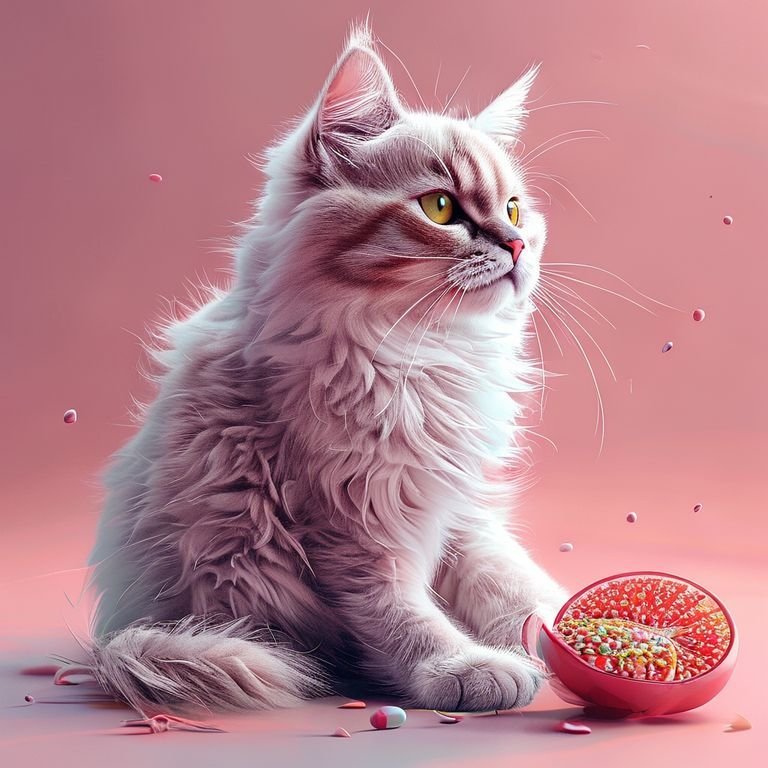
Unlock the secrets to optimal Persian nutrition! Discover essential dietary needs, common mistakes, and expert tips to ensure your fluffy companion thrives. A healthier, happier cat starts here.
The Unique Dietary Needs of Persian Cats
Persian cats, with their distinctive flat faces, luxurious long coats, and often more sedentary lifestyles, have specific nutritional requirements that differ from other breeds. Providing the right Persian nutrition is paramount not just for their stunning appearance, but for their overall health and longevity. Their unique physiology means a one-size-fits-all approach to cat food simply won’t suffice.
Their brachycephalic (flat) facial structure can make eating certain kibble shapes difficult. This often leads to issues like messiness, inefficient chewing, and even digestive problems if they gulp down food too quickly. The long, dense coat also demands a diet rich in specific nutrients to maintain its luster and minimize hairballs, making specialized Persian nutrition a necessity.
Furthermore, Persian cats are known to be prone to certain health conditions, including polycystic kidney disease and hypertrophic cardiomyopathy, though proper nutrition cannot prevent genetic predispositions, it can support overall organ health and quality of life. Understanding these unique characteristics is the first step toward crafting an optimal dietary plan for your beloved feline friend.
Understanding Their Ancestral Diet
Like all domestic cats, Persians are obligate carnivores. This means their bodies are designed to derive essential nutrients primarily from animal-based protein sources. Their digestive system is short and efficient at processing meat, not plant matter. A diet lacking sufficient animal protein can lead to deficiencies and health issues.
In the wild, a cat’s diet would consist of small prey – mice, birds, insects – providing a high-protein, moderate-fat, and minimal-carbohydrate intake. Replicating this fundamental balance is crucial for modern Persian nutrition, even when feeding commercial diets. This foundational understanding guides our choices when selecting their food.
Decoding Commercial Cat Food: What to Look For
Navigating the vast array of commercial cat foods can be overwhelming. For optimal Persian nutrition, it’s essential to become an informed label reader. Not all cat foods are created equal, and many popular brands may not meet the specific needs of a Persian cat.
The first ingredient on any cat food label should always be a named meat source, such as “chicken,” “salmon,” “turkey meal,” or “lamb.” Avoid products where the first ingredient is a grain, vegetable, or a vague term like “meat by-product” without further specification. High-quality protein is the cornerstone of effective Persian nutrition.
Key Ingredients to Prioritize
When scrutinizing food labels, look for ingredients that support your Persian’s specific needs:
– **High-Quality Animal Protein:** Chicken, turkey, salmon, beef, lamb, and venison are excellent choices. Ensure it’s a “named” meat, not just “meat.”
– **Healthy Fats:** Omega-3 and Omega-6 fatty acids, often derived from fish oil, flaxseed, or chicken fat, are vital for skin health, a shiny coat, and reducing inflammation. These are crucial for managing hairballs in long-haired breeds.
– **Digestible Carbohydrates (in moderation):** While cats don’t need many carbs, complex carbohydrates like peas, sweet potatoes, or lentils can provide energy and fiber. However, they should not be the primary ingredient.
– **Vitamins and Minerals:** Ensure the food is fortified with essential vitamins (A, D, E, K, B vitamins) and minerals (calcium, phosphorus, taurine, zinc, selenium). Taurine is particularly critical for feline heart and eye health.
– **Fiber:** Ingredients like beet pulp, psyllium husk, or pumpkin can aid digestion and help manage hairballs by promoting smoother passage through the digestive tract. This is an important aspect of Persian nutrition.
Ingredients to Avoid or Minimize
Just as important as knowing what to look for is knowing what to avoid. These ingredients offer little nutritional value and can potentially cause digestive issues or allergies in sensitive cats:
– **Excessive Fillers:** Corn, wheat, soy, and other grains often used as cheap fillers provide minimal nutritional benefit for an obligate carnivore and can contribute to weight gain or allergies.
– **Artificial Colors, Flavors, and Preservatives:** These additives are unnecessary and can be harmful. Natural preservatives like mixed tocopherols (Vitamin E) are preferable.
– **By-products and Rendered Meats:** While not all by-products are bad (e.g., organ meats are highly nutritious), vague terms like “animal by-product meal” can indicate low-quality, inconsistent ingredients.
– **Sugar and Sweeteners:** Cats cannot taste sweetness and have no nutritional need for sugar. These can contribute to obesity and dental problems.
Essential Nutrients for Optimal Persian Nutrition
Delving deeper, let’s explore the core components that make up truly optimal Persian nutrition. Each nutrient plays a specific, vital role in maintaining your cat’s health, from their luxurious coat to their strong heart.
Protein: The Building Block of Life
As obligate carnivores, protein is the most critical nutrient for Persian cats. It provides essential amino acids necessary for muscle development, tissue repair, enzyme production, and a healthy immune system. Aim for foods with at least 30-40% crude protein, primarily from animal sources.
High-quality animal proteins are easier for cats to digest and utilize. Without adequate protein, Persians can experience muscle wasting, a dull coat, and a weakened immune response. This focus on protein is fundamental to excellent Persian nutrition.
Fats: Energy and Coat Health
Fats are a concentrated source of energy, providing more than twice the energy of proteins or carbohydrates. They are also essential for absorbing fat-soluble vitamins (A, D, E, K) and maintaining skin and coat health. Omega-3 and Omega-6 fatty acids are particularly important for Persians.
Omega-3 fatty acids, found in fish oils, can reduce inflammation, support joint health, and contribute to a soft, shiny coat. Omega-6 fatty acids are vital for skin barrier function and overall coat quality. A balanced ratio of these fatty acids is key.
Vitamins and Minerals: Micro-Nutrient Powerhouses
While needed in smaller amounts, vitamins and minerals are critical catalysts for countless bodily functions. They support everything from bone strength to nerve function and immune response.
– **Taurine:** This essential amino acid (often grouped with vitamins) is vital for heart muscle function, vision, and reproductive health. Cats cannot synthesize enough taurine on their own and must get it from their diet. A deficiency can lead to serious health issues.
– **Vitamin A:** Essential for vision, immune function, and skin health. It’s best sourced from animal tissues, as cats cannot convert plant-based beta-carotene efficiently.
– **B Vitamins:** A complex of vitamins crucial for energy metabolism, nerve function, and red blood cell formation.
– **Calcium and Phosphorus:** Essential for strong bones and teeth, these minerals need to be present in the correct ratio (typically 1.1:1 to 1.4:1 calcium to phosphorus).
Water: The Often-Overlooked Essential Nutrient
Hydration is arguably the most critical component of Persian nutrition. Cats naturally have a low thirst drive, especially if they are primarily fed dry kibble. This can lead to chronic dehydration, which stresses the kidneys and urinary tract.
Encouraging water intake is vital for preventing common feline health issues like urinary tract infections, crystals, and kidney disease. We will discuss strategies for increasing hydration later, but remember, clean, fresh water should always be available.
Common Nutritional Mistakes to Avoid
Even with the best intentions, it’s easy to make mistakes when it comes to feeding our feline companions. Avoiding these common pitfalls is crucial for ensuring proper Persian nutrition and preventing potential health problems.
Overfeeding and Obesity
One of the most prevalent issues is overfeeding, leading to obesity. Persian cats, being less active than some other breeds, are particularly susceptible. Obesity can lead to a host of health problems, including diabetes, arthritis, heart disease, and a shortened lifespan.
Always follow the feeding guidelines on your chosen cat food, but also adjust based on your cat’s individual activity level, age, and ideal body weight. Your veterinarian can help you determine your Persian’s ideal weight and daily caloric needs. Portion control is a powerful tool in healthy Persian nutrition.
Inadequate Hydration
As mentioned, cats often don’t drink enough water. Feeding a diet primarily of dry kibble can exacerbate this, as kibble contains only about 10% moisture, compared to wet food which is 70-80% water. Chronic dehydration can have severe long-term health consequences.
Consider incorporating wet food into your Persian’s diet, using water fountains, or adding a little water to their meals to increase their fluid intake. This simple change can significantly improve their overall health.
Ignoring Dental Health
While diet isn’t the sole factor, poor nutrition and certain food textures can contribute to dental problems. Kibble, contrary to popular belief, often doesn’t clean teeth effectively as cats tend to swallow it whole or chew minimally. Dental health is an integral, yet often overlooked, part of comprehensive Persian nutrition.
Look for dental-specific treats or foods that are scientifically proven to reduce plaque and tartar. Regular dental check-ups and professional cleanings are also essential.
Feeding Human Food or Unsuitable Treats
While it’s tempting to share snacks with your furry friend, many human foods are toxic or simply unhealthy for cats. Foods like onions, garlic, chocolate, grapes, raisins, and avocados are definite no-nos. Even fatty scraps or dairy can cause digestive upset.
Stick to treats specifically formulated for cats, and offer them in moderation. Treats should constitute no more than 10% of your cat’s daily caloric intake. Remember, optimal Persian nutrition is about consistency and appropriate food choices.
Ensuring Hydration and Healthy Eating Habits
Beyond the quality of the food itself, how and when your Persian eats and drinks is equally important. Establishing good habits can make a significant difference in their health and well-being. This proactive approach supports robust Persian nutrition.
Promoting Water Intake
Given the feline tendency for low thirst, proactive strategies are crucial:
– **Multiple Water Stations:** Place several bowls of fresh water around your home. Some cats prefer ceramic or stainless steel bowls over plastic.
– **Water Fountains:** Many cats are attracted to moving water, which can encourage them to drink more. Ensure fountains are kept clean.
– **Wet Food Integration:** Incorporate canned or wet food into their diet. This significantly increases their daily water intake.
– **Add Water to Dry Food:** If your Persian only eats kibble, try adding a small amount of warm water or low-sodium chicken broth (no onion or garlic) to their meal.
– **Observe Preferences:** Some cats prefer water that is not near their food bowl, others like it chilled. Experiment to find what your Persian prefers.
Meal Scheduling and Portion Control
Free-feeding (leaving food out all day) can lead to overeating and obesity. Instead, consider scheduled meals:
– **Two to Three Meals a Day:** Divide their daily food allowance into two or three smaller meals. This mimics their natural hunting patterns and helps manage weight.
– **Slow Feeders:** For cats who eat too quickly, slow feeder bowls can help them pace themselves, aiding digestion and preventing gulping. This is particularly useful for brachycephalic breeds.
– **Consistency:** Feed at roughly the same times each day. Cats thrive on routine. This consistency is a vital part of effective Persian nutrition management.
Addressing Eating Challenges Due to Facial Structure
The brachycephalic face of a Persian cat can make eating from traditional bowls challenging. Food can get stuck to their face, leading to irritation and difficulty reaching all the food.
– **Shallow, Wide Bowls:** Use bowls that are wide and shallow, with low sides. This allows them to access their food without constantly bumping their whiskers or squishing their face.
– **Elevated Bowls:** Some Persians may benefit from slightly elevated bowls, which can make eating more comfortable by reducing strain on their neck. Experiment to see if this helps your cat.
– **Specific Kibble Shapes:** Some premium brands offer kibble specifically designed for brachycephalic breeds, with shapes that are easier to pick up and chew. Look for options like flattened discs or unique crescent shapes.
Smart Feeding Solutions
In today’s connected world, technology offers a variety of tools that can assist in maintaining an optimal feeding schedule and ensuring your Persian’s nutritional needs are met, especially if you have a busy lifestyle. These gadgets can be incredibly helpful for precise portion control and consistency, making modern Persian nutrition easier to manage.
Comparison of Smart Pet Feeders
| Product | Price | Pros | Cons | Best For |
|---|---|---|---|---|
| PetSafe Healthy Pet Simply Feed | $99 – $120 | Programmable for up to 12 meals/day, slow-feed option, holds dry/semi-moist food | Can be noisy, occasional jamming with certain kibble types | Owners needing strict portion control and slow feeding |
| WOPET Smart Pet Feeder | $70 – $90 | HD camera for monitoring, voice recording, app control for feeding, generous food capacity | App connectivity can be inconsistent for some users, requires Wi-Fi | Tech-savvy owners who want to monitor their pet remotely |
| SureFeed Microchip Pet Feeder | $150 – $180 | Reads cat’s microchip/RFID tag to ensure only designated pet eats, keeps food fresh | Higher price point, only suitable for dry or wet food (not both simultaneously) | Multi-pet households with specific dietary needs or weight management concerns |
These feeders can be valuable tools for managing your Persian’s weight and ensuring they receive their meals on a consistent schedule, even when you’re not home. The SureFeed model is particularly beneficial for multi-cat households where one cat may need a specialized diet or tends to steal food from others.
Conclusion
Caring for a Persian cat goes far beyond appreciating their beautiful appearance; it involves a deep commitment to their health and well-being, with diet being a cornerstone. Optimal Persian nutrition is a nuanced endeavor that considers their unique physiology, coat maintenance needs, and potential health predispositions.
By prioritizing high-quality, animal-based protein, understanding essential nutrients, avoiding common feeding mistakes, and implementing strategies for hydration and healthy eating habits, you are laying the foundation for a long, vibrant life for your fluffy companion. Remember that their flat faces and long coats aren’t just cosmetic features; they directly influence their dietary requirements and how they consume their food. A well-nourished Persian is not only a joy to behold but a healthy, happy cat with fewer potential health complications.
Don’t hesitate to consult with your veterinarian to tailor a specific Persian nutrition plan that addresses your cat’s individual age, activity level, and any existing health conditions. Your vet can provide personalized recommendations for food brands, supplements, and portion sizes. Invest in their diet, and you’ll be rewarded with years of purrs and affection from your cherished Persian.
Frequently Asked Questions (FAQ)
What is the best type of food for a Persian cat?
The best food for a Persian cat is typically a high-quality, animal-protein-rich wet food or a specialized dry kibble designed for brachycephalic breeds. Look for real meat as the first ingredient, healthy fats (Omega-3s), and limited fillers. Many owners find a combination of wet and dry food works best.
How much should I feed my Persian cat?
Feeding amounts vary based on your cat’s age, weight, activity level, and the caloric density of the food. Always start by following the guidelines on the food packaging and then adjust based on your cat’s body condition. Your veterinarian can provide a precise daily caloric recommendation.
Are Persian cats prone to hairballs, and how does diet help?
Yes, Persian cats are very prone to hairballs due to their long, dense coats and diligent grooming. A diet rich in Omega-3 and Omega-6 fatty acids helps promote skin and coat health, reducing excessive shedding. Fiber (e.g., beet pulp, psyllium husk) can also aid in the smooth passage of ingested hair through the digestive tract.
Should I give my Persian cat supplements?
Most high-quality commercial cat foods are nutritionally complete and balanced, so supplements are generally not necessary unless recommended by a veterinarian. If your cat has a specific health issue, your vet might suggest supplements like Omega-3 fatty acids for coat health or probiotics for digestion.
Can Persian cats eat raw food?
A raw food diet can be nutritionally complete if carefully prepared, but it carries risks of bacterial contamination (e.g., Salmonella, E. coli) for both the cat and household members. If considering a raw diet, consult with a veterinary nutritionist to ensure it’s balanced and safely prepared.
Leave a Reply