

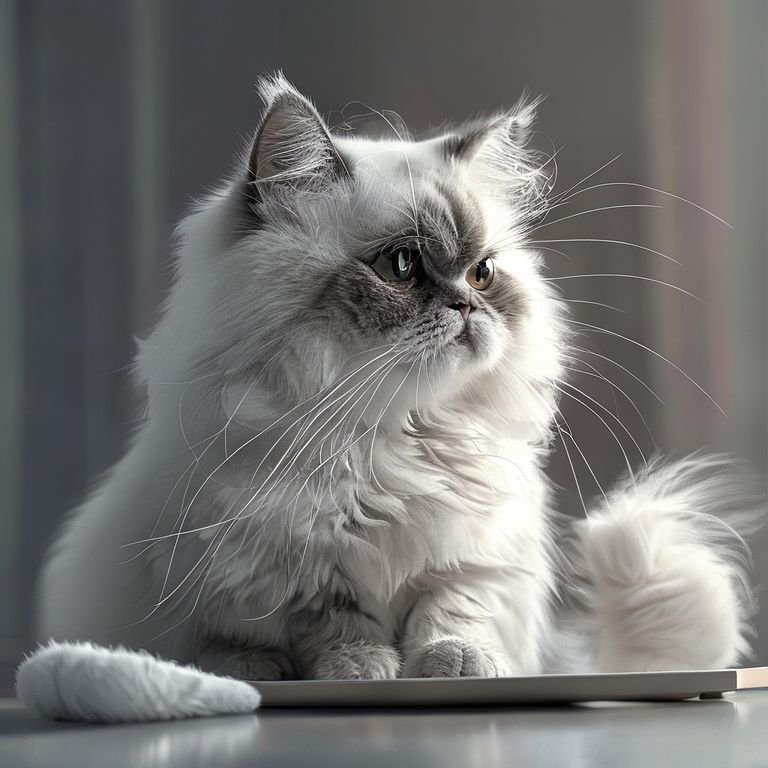
Meta description: Master Persian grooming with expert tips! Learn essential tools, daily routines, bathing techniques, and specialized care to keep your fluffy feline pristine and healthy.
Persian cats are renowned for their luxurious, flowing coats, a hallmark that contributes immensely to their undeniable charm. This magnificent fur, however, is a double-edged sword, demanding dedicated attention to remain tangle-free and healthy. Mastering Persian grooming isn’t just about aesthetics; it’s a crucial aspect of their overall well-being, preventing discomfort, skin issues, and even serious health complications.
The journey to maintaining a pristine Persian coat can seem daunting, but with the right knowledge, tools, and routine, it becomes a rewarding bonding experience. This comprehensive guide will equip you with everything you need to know, transforming you into a true pro in Persian cat care. From daily brushing rituals to specialized bathing techniques, we’ll cover every aspect of keeping your fluffy companion looking and feeling their absolute best.
Understanding the Unique Persian Coat
The Persian cat’s coat is distinct from most other breeds. It’s a long, dense double coat, meaning it has both a soft, woolly undercoat and longer, silken guard hairs. This combination gives them their signature voluminous appearance but also makes them highly prone to matting and shedding.
Their fur can grow quite long, sometimes reaching several inches in length, particularly around the ruff, tail, and britches. This density provides insulation but also traps loose hair, dirt, and debris easily. Without regular and proper Persian grooming, these factors quickly lead to tangles and painful mats that pull on their skin.
The long hair also presents challenges around their eyes, ears, and sanitary areas. Tears can stain the fur beneath their eyes, and food particles can get caught in their facial hair. Proper maintenance in these sensitive regions is vital to prevent infections and keep your Persian comfortable and clean.
Essential Tools for Effective Persian Grooming
Having the right arsenal of grooming tools is paramount for successful Persian grooming. Investing in high-quality products specifically designed for long-haired cats will make the process much smoother and more effective for both you and your feline friend. A well-stocked grooming kit is your first step to mastering the fluff factor.
Brushes and Combs
– **Slicker Brush:** Excellent for removing loose hair and small tangles from the topcoat. Its fine, short wires are gentle but effective.
– **Pin Brush:** Ideal for daily brushing and general coat maintenance. The pins are spaced out to detangle longer hair without pulling too much.
– **Metal Comb (Wide-toothed and Fine-toothed):** An absolute necessity. The wide-toothed side is for initial detangling, while the fine-toothed side helps check for any missed mats and smooths the coat. A good quality metal comb can penetrate the dense undercoat.
– **De-matting Comb/Rake:** Used carefully to break up stubborn mats that cannot be brushed out. These tools have specialized blades designed to cut through tangled fur without damaging the healthy coat or skin. Always use with extreme caution.
Bathing Supplies
– **Cat-Specific Shampoo and Conditioner:** Never use human products, as they can irritate your cat’s skin and strip essential oils. Look for moisturizing, tearless formulas designed for long-haired cats.
– **Absorbent Towels:** Microfiber towels are great for soaking up excess water quickly after a bath.
– **Pet Hair Dryer (Cool Setting):** A low-heat, quiet pet dryer can significantly speed up drying time, which is crucial for preventing matting after a bath. Avoid human hair dryers on hot settings.
Other Essentials
– **Nail Clippers:** Guillotine or scissor-style clippers are suitable for cats. Ensure they are sharp to make clean cuts.
– **Styptic Powder:** Essential to have on hand in case you accidentally cut too far and nick the quick of the nail. It helps stop bleeding.
– **Eye Wipes/Solution:** Specifically formulated for pets to clean tear stains and discharge around the eyes.
– **Ear Cleaner:** A vet-approved solution for cleaning ear canals and preventing wax buildup.
– **Grooming Table or Non-Slip Surface:** Provides a stable, comfortable height for grooming, reducing strain on your back.
– **Treats:** Positive reinforcement is key! Rewarding your Persian throughout the grooming process will make it a more pleasant experience for them.
Comparing Top Grooming Tools for Persian Cats
| Product | Price | Pros | Cons | Best For |
|---|---|---|---|---|
| Chris Christensen Big G Slicker Brush | $60-$75 | Exceptional for detangling and removing undercoat. Gentle on skin. | Higher price point. | Professional groomers and serious owners dealing with heavy shedding. |
| Andis Pet Grooming Steel Comb | $10-$15 | Durable, dual-sided for different fur densities. Great for finishing and checking for mats. | Can be difficult to hold for long periods with larger hands. | Daily detangling and mat detection for all Persian coats. |
| Furminator deShedding Tool (Long Hair Cat) | $30-$45 | Highly effective at reducing shedding by removing loose undercoat. | Can be too aggressive if not used gently or too frequently; can cut topcoat. | Owners looking to significantly reduce shedding during peak seasons. |
| Safari Professional Nail Trimmer for Cats | $8-$12 | Ergonomic design, sharp stainless steel blades for clean cuts. | Blade may dull over time with very frequent use. | Regular nail maintenance for all cat owners. |
The Daily Brushing Ritual: A Cornerstone of Persian Grooming
Consistent, daily brushing is the single most important aspect of Persian grooming. This routine prevents mats, reduces shedding, distributes natural oils, and provides an excellent opportunity for you to bond with your cat. Aim for at least 15-20 minutes of brushing each day.
Establishing a Routine
Start grooming your Persian cat when they are a kitten to accustom them to the process. Make it a positive experience with treats and praise. Choose a consistent time and quiet location to perform the grooming. This predictability helps them relax and reduces anxiety.
Step-by-Step Daily Brushing
1. **Prepare Your Cat:** Gently talk to your Persian and pet them to help them relax. Ensure they are comfortable on your lap or a non-slip surface.
2. **Start with a Pin Brush:** Begin by gently brushing the entire coat with a pin brush to remove loose surface hair and work through any superficial tangles. Always brush in the direction of hair growth.
3. **Address Difficult Areas:** Pay special attention to areas prone to matting: behind the ears, under the armpits, the belly, the “britches” (fur on the back of the hind legs), and the tail. These spots often get overlooked.
4. **Use a Slicker Brush:** Follow up with a slicker brush, especially on denser areas, to ensure the undercoat is thoroughly brushed out. Be gentle to avoid skin irritation.
5. **Comb Through with a Metal Comb:** This is the most crucial step for thorough Persian grooming. Use the wide-toothed side first, working section by section, down to the skin. If the comb snags, stop and gently work out the tangle with your fingers or a de-matting tool (very carefully). Then, use the fine-toothed side to ensure there are absolutely no mats left.
6. **Check for Mats:** Run your fingers through their fur, particularly in sensitive areas, to feel for any hidden knots. A properly groomed Persian should have a comb glide effortlessly through their fur.
7. **Reward and Praise:** Always end the session with praise, petting, and a tasty treat. This reinforces a positive association with grooming.
Consistency is key to preventing mats. A small mat can quickly become a large, painful problem if not addressed immediately. If you encounter a mat that is too difficult to remove, do not pull or tug aggressively. This can hurt your cat and damage their skin. Instead, consider professional help.
Bathing Your Persian: More Than Just a Splash
While daily brushing keeps their coat healthy, regular bathing is essential for Persians, typically every 4-6 weeks, or as needed. Bathing removes dirt, excess oil, and dander, preventing skin issues and maintaining coat luster. Proper Persian grooming includes this occasional but vital step.
Pre-Bath Preparation
Before you even think about water, ensure your Persian is completely mat-free. Water tightens mats, making them impossible to remove once wet and potentially causing severe pain. Brush and comb thoroughly as described in the daily brushing section.
Gather all your supplies: shampoo, conditioner, towels, eye wipes, cotton balls for ears, and a non-slip mat for the tub or sink. Fill the tub with a few inches of lukewarm water beforehand to minimize noise and startling your cat.
The Bathing Process
1. **Protect Ears and Eyes:** Place cotton balls gently in your cat’s ears to prevent water from entering. Apply a protective ophthalmic ointment or use a damp cloth to shield their eyes.
2. **Wet the Coat:** Gently place your Persian in the tub. Use a handheld shower sprayer or a cup to thoroughly wet their coat, starting from the neck down, avoiding the face. Ensure the water is lukewarm, not hot or cold.
3. **Apply Shampoo:** Lather a small amount of cat-specific shampoo, working it gently into the fur. Pay attention to greasy areas like the tail and under the chin. Avoid scrubbing vigorously, as this can create tangles. Rinse thoroughly until no suds remain. Residual shampoo can irritate the skin.
4. **Apply Conditioner:** Follow with a cat-specific conditioner to moisturize the skin and coat. Leave it on for the recommended time, then rinse meticulously. Conditioning helps prevent matting and keeps the coat soft.
5. **Squeeze and Towel Dry:** Gently squeeze excess water from their fur. Wrap your Persian in a large, absorbent towel and pat dry. Avoid rubbing, which can tangle the wet fur. Use several towels if needed to get them as dry as possible.
Drying Techniques
Thorough drying is critical to prevent mats and chills. Many Persians tolerate a pet dryer on a low, cool setting. Keep the dryer moving to avoid overheating any one spot. Brush gently with a pin brush as you dry, separating the fur to ensure air reaches the undercoat. Air drying alone is generally not sufficient for a Persian’s dense coat and can lead to matting and skin issues. Ensure they are completely dry before allowing them back into a cooler environment or letting them roam freely.
Beyond the Fur: Comprehensive Persian Cat Care
Effective Persian grooming extends beyond just brushing and bathing. Regular attention to their nails, eyes, ears, and teeth is equally vital for their overall health and comfort. Neglecting these areas can lead to significant health problems that are easily preventable with a consistent routine.
Nail Trimming: A Gentle Approach
Trimming your Persian’s nails every 2-4 weeks prevents them from getting too long, which can cause discomfort, lead to ingrown nails, or snag on furniture. Start this routine when they are young to get them accustomed to it.
– **Identify the Quick:** The quick is the pink part inside the nail that contains blood vessels and nerves. Only trim the white tip of the nail, avoiding the quick. If your cat has dark nails, trim tiny bits at a time, looking for the small, dark center before you get to the quick.
– **Use Sharp Clippers:** Dull clippers can crush the nail, causing pain. Hold the paw firmly but gently, extending each claw one by one. Cut quickly and confidently.
– **Have Styptic Powder Ready:** In case of a mistake, apply a pinch of styptic powder to the bleeding nail to stop it. Don’t panic; it happens to even experienced groomers.
Eye and Ear Cleaning: Preventing Health Issues
Persians are known for their brachycephalic (flat) faces, which can lead to increased tear production and tear staining. Their long facial hair can also trap moisture and debris around the eyes.
– **Eye Cleaning:** Daily or every other day, gently wipe around your Persian’s eyes with a pet-specific eye wipe or a soft, damp cloth. Use a fresh part of the cloth for each eye to prevent cross-contamination. For stubborn tear stains, consult your vet for safe, effective solutions.
– **Ear Cleaning:** Check your cat’s ears weekly for redness, odor, or excessive wax buildup. If needed, use a vet-approved ear cleaner. Apply a few drops into the ear canal, gently massage the base of the ear, then use a cotton ball to wipe away any discharge. Never use cotton swabs inside the ear canal, as this can push debris further in and damage the eardrum.
Dental Hygiene: Protecting Their Pearly Whites
Dental care is often overlooked in Persian grooming, but it’s crucial for preventing periodontal disease, which can lead to pain, tooth loss, and systemic health issues. Ideally, brush your cat’s teeth daily using a pet-specific toothbrush and enzymatic toothpaste.
– **Start Young:** Introduce tooth brushing slowly and gently. Use finger brushes initially if a regular brush is too much.
– **Specialized Products:** Dental treats and water additives can supplement brushing but are not a substitute for it. Regular veterinary dental check-ups and professional cleanings are also highly recommended.
By incorporating these essential elements into your routine, you ensure a holistic approach to your Persian’s health and happiness. These practices, while seemingly small, contribute significantly to their overall well-being and longevity.
Professional Grooming vs. DIY: When to Seek Help
While DIY Persian grooming is incredibly rewarding and highly encouraged, there are times when professional help is not just beneficial but necessary. Knowing when to call in an expert can save your cat discomfort and prevent potential health issues.
Benefits of Professional Grooming
Professional groomers have specialized training, tools, and experience in handling long-haired breeds like Persians. They can perform services such as:
– **Mat Removal:** Safely and painlessly remove severe mats that you can’t tackle at home. They often have specialized clippers to shave mats out without injuring the skin.
– **Sanitary Shaves:** Trim fur around the sanitary area to prevent waste from sticking, which is especially helpful for older or less mobile Persians.
– **Lion Cuts:** A full body shave, leaving a mane, tail tuft, and “boots.” This can be a good option for cats with extreme matting, skin conditions, or those struggling with heat in warmer climates. It’s a drastic change but often necessary for their comfort and health.
– **Thorough Bathing and Drying:** Professionals have powerful dryers and bathing systems that ensure a deep clean and thorough dry, preventing skin issues and mats.
– **Expert Eye and Ear Care:** They can clean difficult-to-reach areas and spot potential problems you might miss.
Signs Your Cat Needs a Professional
– **Severe Matting:** If your cat develops large, tight mats close to the skin, especially in sensitive areas, a professional groomer is the safest option. Attempting to cut these out yourself can easily lead to serious injury.
– **Behavioral Issues:** If your Persian becomes highly aggressive or stressed during grooming sessions, a professional can often handle them more effectively and safely. Sometimes a change of environment or technique can make a huge difference.
– **Skin Problems:** If you notice excessive scratching, redness, sores, or flaky skin, a groomer might spot the underlying issue or recommend a vet visit. They can use specialized medicated shampoos if appropriate.
– **Time Constraints or Physical Limitations:** If you simply don’t have the time or physical ability to maintain your Persian’s coat regularly, professional grooming ensures they still receive the care they need.
Finding a Reputable Groomer
– **Ask for Recommendations:** Get referrals from your veterinarian, other Persian cat owners, or local cat clubs.
– **Check Credentials:** Look for groomers who are certified or have specific experience with long-haired breeds.
– **Visit the Salon:** Observe the cleanliness of the facility and how animals are handled. A calm, professional environment is a good sign.
– **Discuss Your Cat’s Needs:** Clearly communicate your cat’s temperament, health issues, and specific grooming requirements. A good groomer will ask detailed questions.
Regular professional grooming, perhaps every few months, can complement your at-home efforts, ensuring your Persian remains in top condition. It’s an investment in their health and happiness.
Mastering Persian grooming is an ongoing commitment, but one that strengthens the bond with your beloved feline and contributes immensely to their quality of life. By understanding their unique coat, utilizing the right tools, and implementing a consistent routine of brushing, bathing, and essential hygiene, you can prevent common issues like matting and skin irritation. Remember that patience, gentleness, and positive reinforcement are your most powerful tools. Don’t hesitate to seek professional help when needed, as a well-groomed Persian is a happy, healthy Persian. Embrace the fluff factor, and enjoy the radiant beauty of your perfectly cared-for companion.
Ready to put these expert tips into practice and transform your Persian’s grooming routine? Start today by assessing your current tools and establishing a consistent daily brushing schedule. For more in-depth guides on specific grooming challenges or to discover additional health tips for your beloved Persian cat, explore other articles in our Care & Grooming category!
Frequently Asked Questions (FAQ)
How often should I groom my Persian cat?
Daily brushing is essential for a Persian cat’s coat to prevent mats and tangles. A full bath is typically recommended every 4-6 weeks, or as needed, depending on their activity level and coat condition. Nail trimming should occur every 2-4 weeks, and eye/ear cleaning daily or a few times a week.
What if my Persian cat hates being groomed?
Start grooming sessions when your cat is relaxed and in a quiet environment. Keep sessions short initially and gradually increase the duration. Use positive reinforcement with treats and praise, and be extremely gentle. If aggression or extreme stress persists, consider consulting a professional groomer or your veterinarian for advice.
Can I shave my Persian cat?
Shaving a Persian cat, often referred to as a “lion cut,” is typically reserved for severe matting, skin conditions, or medical necessity. While it can offer relief, it should be done by a professional groomer or veterinarian. The coat may not grow back exactly the same, and cats can be sensitive to temperature changes after a shave.
Why does my Persian cat get so many mats?
Persian cats have a dense double coat that is highly prone to matting. Mats form when loose fur intertwines and knots together, often exacerbated by dirt, moisture, or lack of regular brushing. Consistent daily brushing down to the skin is the best prevention, especially in high-friction areas like the armpits and belly.
What kind of shampoo should I use for my Persian?
Always use a cat-specific shampoo and conditioner designed for long-haired breeds. Look for moisturizing, tearless formulas that are free from harsh chemicals. Human shampoos are not pH-balanced for cats and can irritate their skin and strip natural oils.
Leave a Reply