

Meta Description: Unlock the secrets to a healthier, happier Persian cat in 2026. Discover why these fluffy felines need special diets and how to tailor their nutrition for optimal well-being.
Understanding the Persian Paradox: Beyond the Fluff
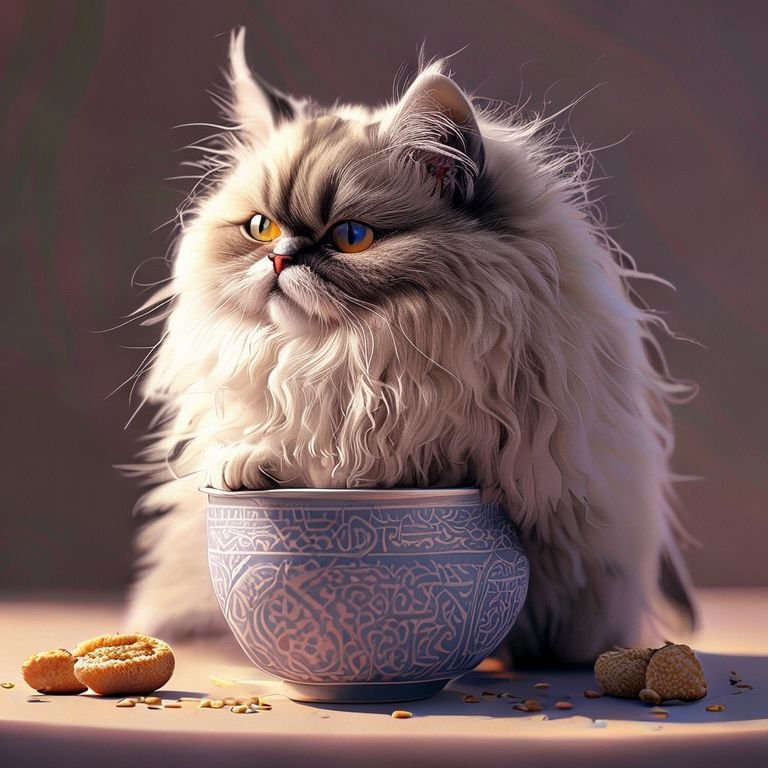
The majestic Persian cat, with its luxurious coat, captivating eyes, and serene demeanor, is a breed adored by many. Yet, beneath that exquisite fluff lies a unique physiology that presents a “Persian paradox” – their very charm often dictates specific health and dietary considerations. For owners in 2026, understanding the nuances of Persian diets is not just a recommendation; it’s a critical component of their longevity and quality of life. These beloved felines aren’t just pretty faces; their brachycephalic (flat) facial structure, long hair, and predispositions to certain health issues mean their nutritional needs are far from standard.
This article delves deep into why specialized Persian diets are essential. We’ll explore the anatomical and genetic factors that shape their dietary requirements. From preventing common health challenges to selecting the ideal food types, we aim to equip you with the knowledge to provide the best possible nutrition for your cherished companion.
The Unique Physiology Demanding Specialized Persian Diets
Persian cats are a breed of distinction, but their defining physical traits also bring specific challenges that directly impact their dietary needs. Their brachycephalic skull structure, for instance, means they have shortened muzzles and flattened faces. This characteristic, while endearing, can make eating and breathing more difficult than for other cat breeds. Kibble size and shape become critical considerations.
Beyond their facial structure, Persians are known for their long, dense coats, which require significant grooming and lead to a higher incidence of hairballs. Their relatively less active lifestyle compared to some other breeds also means a propensity for weight gain if their energy intake isn’t carefully managed. These physiological realities are why generic cat food often falls short, necessitating tailored Persian diets.
Brachycephalic Challenges and Eating Mechanics
The flat face of a Persian cat isn’t just an aesthetic feature; it profoundly influences how they eat. Their smaller jaws and specific tooth alignment can make it challenging to pick up and chew standard kibble effectively. This can lead to frustration, slower eating, and even dental issues if not addressed.
– Kibble Shape: Many specialized Persian diets feature crescent-shaped or almond-shaped kibble. This unique design is easier for Persians to grasp and encourages them to chew rather than swallow whole.
– Digestion: When food isn’t properly chewed, it can lead to digestive upset. Selecting a kibble that promotes proper mastication is the first step towards better gut health.
– Hydration: Difficulty eating dry food can sometimes lead to reduced water intake if not balanced with wet food, exacerbating potential kidney or urinary tract issues.
Long Coats and Hairball Management
The hallmark of a Persian cat is its magnificent, flowing coat. While beautiful, this coat requires constant self-grooming. During grooming, Persians ingest significant amounts of loose hair, which can accumulate in their digestive tracts, forming hairballs. These hairballs can lead to vomiting, constipation, and in severe cases, intestinal blockages.
– Fiber Content: Effective Persian diets often include specific fiber blends (like psyllium or beet pulp) designed to help ingested hair pass smoothly through the digestive system.
– Omega Fatty Acids: Ingredients rich in Omega-3 and Omega-6 fatty acids support skin and coat health, reducing excessive shedding and promoting a healthier hair shaft less prone to breakage.
– Hydration: Adequate water intake is crucial for lubricating the digestive tract and aiding in the passage of hair. Wet food can be an excellent contributor here.
Weight Management and Activity Levels
Persian cats are generally known for their calm and placid temperament. They are often less inclined to strenuous physical activity compared to more agile breeds. This lower energy expenditure means they are more susceptible to obesity if their caloric intake isn’t carefully controlled.
– Calorie Control: Specialized Persian diets are often formulated with balanced calorie content, focusing on nutrient density rather than excessive energy.
– Lean Protein: High-quality, digestible protein sources help maintain muscle mass, which is important for metabolism and overall health.
– L-Carnitine: Some formulations include L-Carnitine, an amino acid derivative that helps the body convert fat into energy, supporting healthy weight management.
Common Health Challenges Benefitting from Specialized Persian Diets
Beyond their unique physiology, Persian cats are predisposed to certain genetic and breed-specific health conditions. Nutrition plays a pivotal role in managing, and sometimes preventing, the onset or severity of these issues. Understanding these challenges is key to selecting the most appropriate Persian diets for your feline companion.
Polycystic Kidney Disease (PKD)
PKD is a hereditary condition common in Persians, where cysts develop in the kidneys and gradually lead to kidney failure. While diet cannot cure PKD, it can help manage its progression and symptoms.
– Low Phosphorus: Diets for cats with kidney concerns often feature reduced phosphorus levels to slow down kidney damage.
– Controlled Protein: High-quality, easily digestible protein in appropriate amounts helps reduce the workload on compromised kidneys.
– Increased Moisture: Wet food helps maintain hydration, which is vital for kidney function.
Hypertrophic Cardiomyopathy (HCM)
HCM is a common heart disease in cats, leading to the thickening of the heart muscle. While there’s no dietary cure, certain nutrients can support heart health.
– Taurine: An essential amino acid crucial for heart muscle function. Deficiencies can exacerbate HCM. Most quality cat foods contain adequate taurine, but supplementation might be considered under veterinary guidance.
– L-Carnitine: May support heart muscle function and fat metabolism.
– Sodium Control: Moderate sodium levels can help manage fluid retention associated with heart conditions.
Urinary Tract Issues
Persian cats can be prone to urinary tract infections (UTIs) or the formation of urinary crystals (struvite or calcium oxalate). Proper nutrition can significantly influence urinary health.
– pH Balance: Diets formulated to promote a specific urinary pH can help prevent crystal formation. Struvite crystals thrive in alkaline urine, while calcium oxalate crystals prefer acidic urine.
– Magnesium Control: Controlled magnesium levels are important, especially for preventing struvite stones.
– High Moisture Content: Increased water intake is perhaps the most critical factor, as it helps dilute urine and flush out potential irritants or crystal precursors. Wet food is highly recommended for this purpose.
Dental Health
Due to their brachycephalic structure, Persians can have crowded teeth, making them more susceptible to plaque and tartar buildup, leading to periodontal disease.
– Tartar-Reducing Kibble: Some dry kibble is specifically designed with a texture and shape that mechanically scrubs teeth as the cat chews, reducing plaque.
– Dental Additives: Certain ingredients, like hexametaphosphate, can bind to calcium in saliva, preventing it from forming tartar.
– Regular Veterinary Check-ups: Diet is a part of dental health, but professional cleanings remain crucial.
Tailoring Your Persian Cat’s Diet: Key Considerations
Crafting the perfect meal plan for your Persian cat goes beyond just choosing a bag of food. It involves a holistic approach, considering their age, activity level, existing health conditions, and even individual preferences. The goal is to provide balanced Persian diets that support their unique needs throughout their life stages.
Age and Life Stage Specific Nutrition
A kitten’s nutritional needs are vastly different from those of an adult or senior cat.
– Kittens: Rapid growth demands higher protein, fat, and calorie content. Look for kitten-specific formulas that support bone, muscle, and brain development.
– Adults: Energy requirements stabilize. Focus on maintaining a healthy weight and addressing breed-specific predispositions.
– Seniors: Metabolism slows, and health issues might emerge. Diets should be highly digestible, potentially lower in calories, and contain joint-supporting nutrients like glucosamine and chondroitin. Kidney-friendly options may also be important.
Weight Management Strategies
Obesity is a significant concern for less active Persian cats. Effective weight management is crucial for preventing a host of health problems.
– Portion Control: Measure food accurately according to recommended guidelines based on your cat’s ideal weight, not their current weight.
– Scheduled Feedings: Instead of free-feeding, offer meals at specific times. This allows you to monitor intake and prevents overeating.
– Low-Calorie Treats: Opt for healthy, low-calorie treats, or use their regular kibble as treats to avoid adding extra calories.
– Vet Consultation: Always consult your veterinarian to establish an ideal weight and a safe weight loss plan if your cat is overweight.
Dietary Sensitivities and Allergies
Like humans, cats can develop sensitivities or allergies to certain food ingredients, often proteins. Symptoms can include skin irritation, digestive upset, or ear infections.
– Novel Protein Diets: If an allergy is suspected, your vet might recommend a diet with a novel protein source (e.g., duck, venison, rabbit) that your cat hasn’t encountered before.
– Hydrolyzed Protein Diets: These diets contain proteins broken down into tiny components, too small for the immune system to recognize as allergens.
– Elimination Diet: This involves feeding a strict, limited-ingredient diet for several weeks to identify the allergen. This should always be done under veterinary supervision.
The Role of Hydration
Cats, by nature, are not big drinkers. Their evolutionary past as desert dwellers means they derive much of their moisture from prey. However, a domestic diet, especially dry kibble, often doesn’t provide enough hydration, which can strain kidneys and exacerbate urinary issues.
– Wet Food: Incorporating wet food into their daily Persian diets is one of the most effective ways to increase water intake.
– Water Bowls: Place multiple water bowls around the house, ensuring they are clean and fresh. Some cats prefer ceramic or glass bowls over plastic.
– Water Fountains: Many cats are attracted to moving water. A cat water fountain can encourage increased drinking.
– Flavoring Water: A tiny amount of tuna juice (in water, not oil) or low-sodium chicken broth can sometimes entice a picky drinker.
Choosing the Right Food: Wet, Dry, Raw, and Prescription Options
Navigating the myriad of cat food options can be daunting, but for Persian diets, making informed choices is paramount. Each type of food comes with its own set of advantages and considerations, especially when tailored to a Persian cat’s specific needs.
Dry Kibble for Persians
Specialized dry kibble is a popular choice due to its convenience and dental benefits. For Persians, the key is the kibble’s design.
– Advantages: Helps clean teeth, convenient for free-feeding (though scheduled meals are often better for Persians), and cost-effective.
– Considerations: Lower moisture content, requires specific kibble shape for easy eating, and can contribute to weight gain if overfed. Look for formulations specifically designed for brachycephalic breeds and hairball control.
Wet Food for Persians
Wet food is an excellent option for increasing hydration and palatability, which is particularly beneficial for Persians prone to urinary issues or those who struggle with dry kibble.
– Advantages: High moisture content (excellent for kidney and urinary health), often highly palatable, softer texture for easy eating.
– Considerations: Can be more expensive, less convenient for leaving out, and doesn’t offer the same dental scrubbing action as dry kibble. Choose varieties with quality protein and limited fillers.
Raw and Home-Prepared Diets
A growing number of owners are exploring raw or home-prepared Persian diets, believing they mimic a cat’s natural diet. This approach requires significant research and careful preparation to ensure nutritional completeness and safety.
– Advantages: High biological value protein, fresh ingredients, no fillers or artificial additives.
– Considerations: Risk of bacterial contamination (salmonella), nutritional imbalances if not formulated correctly, time-consuming preparation, and generally more expensive. *Always consult a veterinary nutritionist before embarking on a raw or home-prepared diet.* It’s crucial to ensure all essential nutrients are present in the correct ratios.
Prescription Diets
For Persians with specific health conditions like advanced kidney disease, severe allergies, or urinary stone issues, a veterinarian-prescribed therapeutic diet is often the best course of action.
– Advantages: Scientifically formulated to manage specific medical conditions, clinically proven results, tailored nutrient profiles.
– Considerations: Only available through a veterinarian, often more expensive, and typically less palatable than conventional foods (though formulas are improving).
Comparison of Persian Cat Food Approaches
When considering the best food for your Persian, it’s helpful to compare the different dietary approaches in terms of their overall suitability.
| Product Type | Key Features | Pros | Cons | Best For |
|---|---|---|---|---|
| Specialized Dry Kibble | Brachycephalic-friendly kibble shape, hairball control fibers, balanced nutrients. | Convenient, supports dental health, often includes breed-specific nutrients. | Lower moisture content, can lead to obesity if portions aren’t controlled. | Healthy adult Persians, dental health support, owners seeking convenience. |
| High-Moisture Wet Food | High water content, palatable, often uses quality protein sources. | Excellent for hydration, urinary health, easy to eat for flat-faced cats. | More expensive, shorter shelf life once opened, less dental benefit. | Persians prone to urinary issues, those needing extra hydration, picky eaters. |
| Veterinary Prescription Diet | Scientifically formulated for specific medical conditions (e.g., kidney, urinary, allergy). | Targets and manages specific health problems with precise nutrient profiles. | Only available via vet, often higher cost, sometimes less palatable. | Persians with diagnosed medical conditions requiring strict dietary management. |
| Well-Formulated Raw/Home-Cooked | Fresh, unprocessed ingredients, tailored protein and fat sources. | Mimics natural diet, high bioavailability, avoids common allergens/fillers. | High risk of nutritional imbalance or pathogen contamination if not done perfectly, requires significant research and vet supervision. | Owners committed to meticulous preparation under expert veterinary nutritional guidance for specific dietary needs. |
Dietary Supplements and Hydration for Optimal Persian Health
While a complete and balanced diet should be the cornerstone of your Persian’s nutrition, certain supplements can provide additional support, especially when addressing specific breed-related concerns. Hydration, as always, remains a top priority.
Essential Supplements for Persians
Supplements should never replace a balanced diet but can complement it under veterinary guidance.
– Omega Fatty Acids: Fish oil (EPA/DHA) can significantly improve skin and coat health, reduce shedding, and may have anti-inflammatory benefits, aiding in overall well-being. Look for products specifically formulated for pets.
– Hairball Remedies: Some palatable pastes or chews contain lubricants (like mineral oil or petroleum jelly) or fiber to help hairballs pass through the digestive tract. These are best used preventatively or during shedding seasons.
– Probiotics and Prebiotics: For cats with sensitive stomachs or digestive issues, probiotics can help maintain a healthy gut microbiome, improving digestion and nutrient absorption. Prebiotics feed beneficial gut bacteria.
– Joint Support: Glucosamine and chondroitin supplements can be beneficial for older Persians, helping to support joint health and mobility, particularly as they age.
– Taurine: While most commercial cat foods are fortified with taurine, if you are feeding a home-prepared diet, supplementation is critical. Taurine deficiency can lead to severe heart problems and blindness.
Ensuring Ample Hydration
We’ve touched on this, but it cannot be overstated: hydration is non-negotiable for Persian cats.
– Multiple Water Sources: Have several bowls in different locations. Cats often prefer filtered water or water that is not near their food bowl.
– Ceramic or Stainless Steel Bowls: Some cats dislike the taste or smell that plastic bowls can impart.
– Water Fountains: The appeal of fresh, flowing water often encourages cats to drink more. Ensure the fountain is cleaned regularly.
– Monitor Water Intake: Be mindful of how much your cat is drinking. A sudden increase or decrease can indicate a health issue requiring veterinary attention.
Future Trends in Persian Cat Nutrition (2026 and Beyond)
The field of pet nutrition is constantly evolving, and for breeds with specialized needs like Persians, innovation is particularly exciting. As we look to 2026 and beyond, several trends are shaping the future of Persian diets.
Personalized Nutrition
Advancements in feline genomics and microbiome research are paving the way for truly personalized Persian diets. Imagine a diet formulated specifically for your cat, based on their individual DNA, gut bacteria profile, and lifestyle.
– Genetic Testing: Future diets may be tailored to a cat’s genetic predispositions for certain diseases, offering preventative nutritional strategies.
– Microbiome Analysis: Understanding the unique gut flora of an individual cat can lead to highly targeted probiotic and prebiotic interventions.
Sustainable and Ethical Sourcing
As environmental awareness grows, consumers are increasingly demanding sustainable and ethically sourced ingredients for their pets.
– Insect Protein: Novel protein sources like insect meal are gaining traction as a sustainable and hypoallergenic option for cat food.
– Plant-Based Options: While cats are obligate carnivores, research into highly digestible, supplemented plant-based proteins might offer future solutions for specific allergic conditions, though current full vegan diets are generally not recommended for cats.
Advanced Food Delivery Systems
Technology is set to play a larger role in how we feed our pets.
– Smart Feeders: Already common, these will become more sophisticated, monitoring consumption patterns, adjusting portions based on activity, and even integrating with health tracking apps.
– Tele-Nutrition Services: Virtual consultations with veterinary nutritionists will become more accessible, offering expert guidance on complex Persian diets from the comfort of your home.
Emphasis on Whole Food Ingredients
A growing preference for minimal processing and recognizable ingredients is influencing pet food manufacturers.
– Freeze-Dried and Air-Dried Foods: These options offer the nutritional benefits of raw food with extended shelf life and reduced bacterial risk.
– Limited Ingredient Diets (LIDs): Continued focus on LIDs to minimize potential allergens and provide pure, high-quality nutrition.
By staying informed about these trends, Persian cat owners can ensure they are at the forefront of providing optimal care. The unique needs of these magnificent felines will continue to drive innovation, leading to even healthier and happier lives for our beloved companions.
Frequently Asked Questions (FAQ)
How often should I feed my Persian cat?
Most adult Persian cats do well with two meals per day. Kittens require more frequent feedings, typically three to four times a day. Consult your vet to determine the best schedule and portion size based on your cat’s age, weight, and activity level.
Can I give my Persian cat human food?
While some human foods are safe in small amounts (e.g., plain cooked chicken), many are not and can be toxic or cause digestive upset. Always check with your vet before introducing any human food, and avoid onions, garlic, chocolate, grapes, and xylitol, which are highly toxic to cats.
What ingredients should I avoid in Persian cat food?
Avoid foods with excessive fillers, artificial colors, flavors, and preservatives. Also, be wary of ambiguous ingredient labels like “meat by-products” without specific animal sources. For Persians, ensure the food doesn’t contain common allergens if your cat has sensitivities.
How can I tell if my Persian cat’s diet is working?
A healthy Persian cat on an appropriate diet will have a shiny coat, clear eyes, good energy levels, regular bowel movements, and maintain a healthy weight. Any changes in appetite, energy, coat quality, or digestive issues should prompt a vet visit.
Is it better to feed wet food or dry food to a Persian cat?
For Persians, a combination of both wet and dry food is often recommended. Dry kibble can help with dental health and hairball management (if specifically designed), while wet food provides essential hydration, which is crucial for kidney and urinary tract health in this breed.
My Persian is a picky eater. What can I do?
Patience is key. Try offering small portions of new food alongside their current food. Gradually increase the new food’s proportion. Warm wet food slightly to enhance its aroma. Ensure food bowls are clean and in a quiet, stress-free location. If pickiness persists and leads to weight loss, consult your vet to rule out underlying health issues.
References and Further Reading
– American Veterinary Medical Association (AVMA) – Feline Nutrition Guidelines: [https://www.avma.org/resources-tools/pet-owners/petcare/feeding-your-cat](https://www.avma.org/resources-tools/pet-owners/petcare/feeding-your-cat)
– Cornell Feline Health Center – Nutrition: [https://www.vet.cornell.edu/departments-centers-and-institutes/cornell-feline-health-center/health-information/feline-health-topics/nutrition](https://www.vet.cornell.edu/departments-centers-and-institutes/cornell-feline-health-center/health-information/feline-health-topics/nutrition)
– Pet Food Institute – Cat Nutrition: [https://www.petfoodinstitute.org/pet-food-and-safety/pet-food-explained/cat-nutrition/](https://www.petfoodinstitute.org/pet-food-and-safety/pet-food-explained/cat-nutrition/)
Providing the right nutrition is one of the greatest gifts you can give your Persian cat. By understanding their unique needs and staying informed about the best dietary practices, you can ensure your fluffy feline lives a long, healthy, and vibrant life. Always consult your veterinarian for personalized advice regarding your Persian’s specific health concerns and dietary requirements. For more insights or collaboration opportunities, visit www.agentcircle.ai.
Leave a Reply