

Meta Description: Unlock the secrets to a stunning Persian coat! Our expert guide covers essential tools, techniques, and nutrition for flawless Persian grooming. Keep your feline looking magnificent.
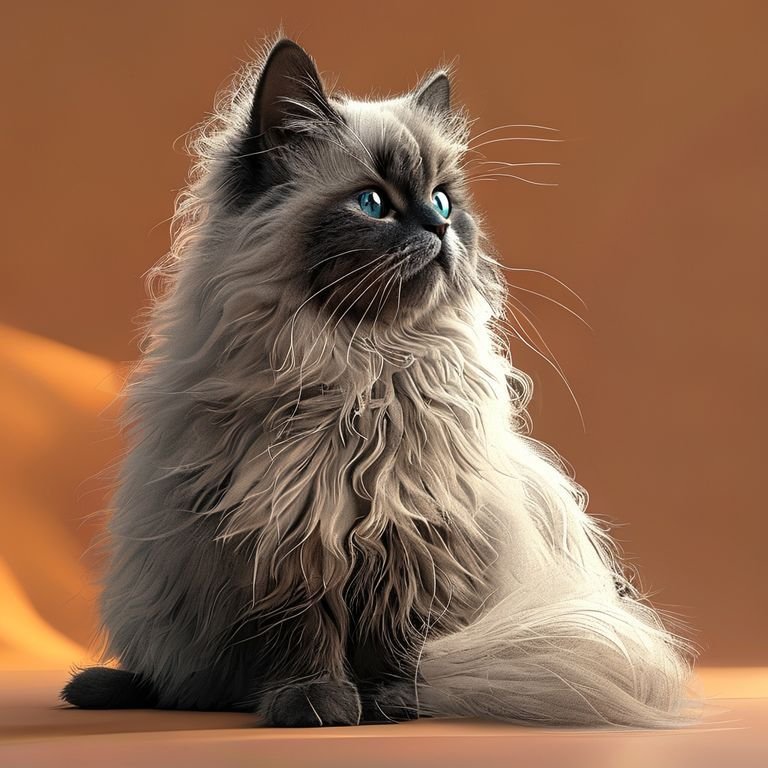
The majestic Persian cat, with its luxurious long flowing coat, is a vision of elegance and grace. But beneath that stunning exterior lies a unique challenge for devoted owners: maintaining that exquisite fur. Mastering effective Persian grooming is not just about aesthetics; it’s a vital part of your cat’s health and well-being. A pristine coat prevents discomfort, skin issues, and even serious health problems. This comprehensive guide will unravel the mysteries of keeping your Persian’s coat in perfect condition, ensuring they remain as comfortable as they are beautiful.
Understanding Your Persian’s Unique Coat
The Persian cat’s coat is undeniably its most striking feature, but it’s also a complex structure that requires specialized care. Unlike many other breeds, Persians possess a luxurious double coat consisting of a dense undercoat and long, flowing guard hairs.
The Double Coat Explained
The undercoat is soft, fine, and incredibly thick, providing insulation. However, this density also makes it highly prone to matting and tangling if not regularly maintained.
The outer guard hairs are longer, silkier, and serve to protect the undercoat and skin. They give the Persian its characteristic flowing appearance, often reaching several inches in length.
Why Matting is a Major Concern
The combination of dense undercoat and long outer hairs creates an ideal environment for mats to form. Mats occur when shed hair gets trapped within the coat, intertwining with live hair and forming dense, painful knots.
These mats can pull on the skin, causing pain, irritation, and even skin infections. Severe matting can restrict movement, hide parasites, and make bathing impossible without professional intervention.
Understanding this unique coat structure is the first step towards effective Persian grooming. It emphasizes why a proactive and consistent approach is paramount for your cat’s comfort and health.
Building Your Essential Persian Grooming Toolkit
Attempting to maintain a Persian coat without the right tools is like trying to paint a masterpiece with a toothbrush. A well-stocked grooming kit is non-negotiable for successful Persian grooming. Investing in quality tools will make the process easier for both you and your cat.
Brushes and Combs: Your Primary Weapons
The cornerstone of any Persian grooming routine is a selection of appropriate brushes and combs. Each serves a specific purpose in detangling, removing loose fur, and smoothing the coat.
- Slicker Brush: This brush features fine, short wires packed closely together on a flat or curved surface. It’s excellent for removing loose undercoat and small tangles from the top layers of fur. Use gentle, short strokes.
- Pin Brush: With widely spaced, rubber-tipped metal pins, a pin brush is ideal for the longer outer coat. It helps to detangle and fluff the fur without pulling too much. It’s often used for finishing touches.
- Metal Comb (Wide-toothed and Fine-toothed): A good quality stainless steel comb is indispensable. The wide-toothed section is perfect for initial detangling of larger areas and checking for mats. The finer-toothed section can be used around the face, ears, and for final smoothing.
- Dematting Comb/Rake: For stubborn mats that haven’t yet become too severe, a dematting comb with bladed teeth can help to carefully cut through the mat without damaging the surrounding healthy fur. Use with extreme caution.
Comparison of Essential Grooming Brushes
Choosing the Right Brushes for Persian Grooming
| Product | Price | Pros | Cons | Best For |
|---|---|---|---|---|
| Hertzko Self-Cleaning Slicker Brush | $15-20 | Retracts bristles for easy hair removal, ergonomic handle, effective for undercoat. | Bristles can be sharp if not used gently, less effective on deep mats. | Daily general detangling and shedding control. |
| Andis Pet Steel Grooming Comb | $10-15 | Two tooth densities (coarse/fine), durable stainless steel, essential for checking for mats. | Can pull hair if used too roughly, not ideal for full body brushing. | Pre-brushing detangling and finishing work, mat detection. |
| Safari Pin Brush for Cats | $8-12 | Gentle on skin, good for fluffing and detangling top coat, comfortable rubber-tipped pins. | Doesn’t remove as much undercoat as a slicker, less effective on severe tangles. | Finishing, sensitive cats, and longer outer coat maintenance. |
Shampoos and Conditioners
Bathing a Persian can be a daunting task, but with the right products, it becomes much more manageable. Opt for cat-specific shampoos that are pH-balanced and formulated for long-haired breeds.
- Dematting Shampoo: Contains conditioning agents to help loosen tangles and mats, making them easier to comb out after the bath.
- Hypoallergenic/Sensitive Skin Shampoo: If your Persian has allergies or sensitive skin, a gentle, soap-free formula is essential to prevent irritation.
- Conditioner: A good conditioner will moisturize the coat, reduce static, and make it silkier and less prone to tangling. Always rinse thoroughly to avoid residue.
Other Important Grooming Tools
Beyond brushes and shampoos, a few other items will round out your Persian grooming arsenal.
- Nail Clippers: Cat-specific clippers are vital for regular nail trims, preventing ingrown claws and damage to furniture.
- Ear Cleaner: A veterinarian-approved ear cleaning solution and cotton balls will help keep your Persian’s ears clean and free from wax buildup.
- Eye Wipes/Stain Remover: Persians are prone to tear staining due to their unique facial structure. Specially formulated wipes or solutions can help keep the area clean and reduce discoloration.
- Grooming Table (Optional but Recommended): A non-slip grooming table at waist height can save your back and make the process safer and more comfortable for both of you.
- High-Velocity Dryer (Optional): For serious groomers, a specialized pet dryer can significantly cut down drying time and help fluff the coat beautifully.
The Step-by-Step Guide to Effective Persian Grooming
Consistency is key when it comes to maintaining a Persian’s coat. A regular routine, broken down into manageable steps, will make the process less stressful for both you and your feline friend.
Daily Brushing: Your Foundation
Even if you perform weekly deep grooming sessions, daily brushing is crucial for preventing mats before they start. Aim for at least 10-15 minutes each day.
- Prepare Your Cat: Choose a quiet time when your cat is relaxed. Gently talk to them, offering treats and praise.
- Start with a Pin Brush: Begin by gently brushing the entire coat with a pin brush to remove loose surface hairs and untangle minor knots.
- Follow with a Slicker Brush: Use the slicker brush for deeper penetration, focusing on areas prone to matting like the armpits, belly, and behind the ears. Brush in small sections, moving in the direction of hair growth.
- Finish with a Metal Comb: Systematically comb through the coat with a wide-toothed metal comb to check for any missed tangles or mats. If the comb glides through smoothly, you’ve done a great job.
- Reward and Praise: Always end the session positively with a treat, petting, and verbal praise.
Weekly Deep Grooming and Bathing
Once a week, dedicate time for a more thorough grooming session that includes bathing.
- Pre-Bath Detangling: This is critical. NEVER bathe a matted cat, as water will tighten the mats, making them impossible to remove. Spend ample time pre-bathing to gently detangle any existing knots using your slicker brush and metal comb. If you encounter a stubborn mat, try to work it out carefully with a dematting comb or a tiny bit of cornstarch to absorb oils and loosen it.
- The Bathing Process:
- Preparation: Have all your supplies ready: shampoo, conditioner, towels, and a non-slip mat in the tub or sink.
- Wetting the Coat: Use lukewarm water and thoroughly wet your cat’s entire coat, avoiding getting water directly into their ears or eyes.
- Shampooing: Apply a small amount of cat-specific shampoo and gently work it into a lather, paying attention to the back, sides, and belly. Rinse thoroughly until no suds remain.
- Conditioning: Apply conditioner and let it sit for a few minutes as per product instructions, then rinse even more meticulously. Residual shampoo or conditioner can irritate the skin and attract dirt.
- Drying:
- Towel Dry: Gently squeeze excess water from the coat, then wrap your cat in a clean, absorbent towel. Blot rather than rub to prevent tangles.
- Blow Dry (Optional): If your cat tolerates it, use a pet-specific blow dryer on a cool or low heat setting. Continuously brush the coat as you dry to prevent tangles and achieve a fluffy finish. Never use a human hairdryer on high heat, as it can burn their delicate skin.
- Air Dry: If blow-drying isn’t an option, ensure your cat stays in a warm, draft-free room until completely dry to prevent chilling and matting.
- Post-Bath Comb-Through: Once completely dry, perform a final comb-through to ensure there are no new tangles and the coat is perfectly smooth.
Monthly Nail Trims, Ear, and Eye Care
These essential tasks should be performed regularly to maintain overall hygiene and prevent potential health issues.
- Nail Trimming: Use sharp, cat-specific nail clippers. Gently press on each paw pad to extend the nail. Only clip the clear tip, avoiding the pink “quick” which contains blood vessels and nerves. If unsure, ask your vet or groomer for a demonstration.
- Ear Cleaning: Check your Persian’s ears weekly for redness, discharge, or odor. Clean monthly or as needed. Apply a veterinarian-approved ear cleaner to a cotton ball (never a cotton swab) and gently wipe the visible parts of the ear. Do not insert anything deep into the ear canal.
- Eye Care: Persians are prone to tear stains. Daily, gently wipe the area around their eyes with a soft, damp cloth or a specialized eye wipe to remove discharge. Be very careful not to touch the eyeball itself. Consistent cleaning can help prevent severe staining.
Diet and Health for a Radiant Persian Coat
While external Persian grooming is vital, a truly flawless coat starts from within. Your cat’s diet and overall health play a significant role in the luster, texture, and strength of their fur.
The Power of Premium Nutrition
Feeding your Persian a high-quality diet specifically formulated for cats is paramount. Look for foods that list real meat (like chicken, salmon, or turkey) as the first ingredient.
Avoid foods with excessive fillers, artificial colors, or by-products. A balanced diet provides the essential amino acids, vitamins, and minerals necessary for healthy skin and a shiny coat.
Essential Fatty Acids: Omega-3s and Omega-6s
Omega fatty acids are superstars for coat health. Omega-3s (found in fish oil, flaxseed oil) and Omega-6s (found in vegetable oils, poultry fat) contribute to skin hydration, reduce inflammation, and promote a soft, lustrous coat.
Many premium cat foods include these fatty acids. You can also discuss supplements with your veterinarian if your cat’s coat seems dull or dry. Do not administer supplements without veterinary guidance.
Hydration is Key
Adequate water intake is essential for all bodily functions, including skin and coat health. Ensure your Persian always has access to fresh, clean water.
Consider using a pet drinking fountain, as many cats prefer running water and it can encourage them to drink more. Wet food can also contribute significantly to their daily hydration.
Regular Veterinary Check-ups
Underlying health issues, such as allergies, parasites, hormonal imbalances, or nutritional deficiencies, can manifest as a poor coat condition. Regular check-ups with your veterinarian are crucial for early detection and treatment of any such problems.
Your vet can also offer personalized dietary recommendations and advise on appropriate supplements if needed, ensuring your Persian’s internal health supports their external beauty.
Addressing Common Persian Grooming Challenges
Even with a consistent routine, Persian owners often encounter specific challenges. Knowing how to effectively address them can save you stress and keep your cat comfortable.
Tackling Hairballs
Persians naturally ingest a significant amount of hair due to their extensive self-grooming. This ingested hair can form hairballs in the digestive tract, leading to vomiting or blockages.
- Consistent Brushing: The best defense against hairballs is regular brushing. The more hair you remove with a brush, the less your cat will swallow.
- Hairball Control Diet: Many cat food brands offer specific formulas designed to help hair pass through the digestive system more easily, often containing increased fiber.
- Hairball Remedies: Over-the-counter hairball remedies (typically a flavored paste) can help lubricate the digestive tract and aid in the passage of hair. Use these only as directed by your veterinarian.
Managing Stubborn Mats and Tangled Hair
Despite best efforts, mats can still form. Addressing them promptly is vital to prevent them from becoming larger and more painful.
- Gentle Detangling: For small, superficial mats, try gently working them out with your fingers, then with a wide-toothed comb. A tiny bit of cornstarch can help absorb oils and loosen the hair.
- Dematting Tools: A dematting comb can be used very carefully to slice through a mat, but extreme caution is required to avoid cutting the skin.
- Professional Help: If mats are large, tight, or close to the skin, do not attempt to cut them out with scissors yourself. This is incredibly dangerous and can lead to severe injury. Seek a professional groomer or veterinarian who can safely shave out the mats. Sedation might be necessary for very matted or anxious cats.
Dealing with Tear Stains
The brachycephalic (flat-faced) nature of Persians often leads to excessive tearing, which can stain the fur around their eyes a reddish-brown color.
- Daily Cleaning: Use a soft, damp cloth or specialized pet eye wipes daily to gently clean the area around the eyes.
- Consult Your Vet: Persistent or excessive tearing might indicate an underlying issue like blocked tear ducts or allergies. Your vet can diagnose and recommend appropriate treatment or specific tear stain removal products.
- Dietary Considerations: Sometimes, certain ingredients in food or even the water source can contribute to tear staining. Discuss this with your vet if it’s a chronic problem.
Seasonal Shedding
Persians, like most long-haired cats, will experience seasonal shedding, particularly in spring and fall. During these periods, you may notice an increase in loose fur.
Step up your daily brushing routine during shedding seasons. You might need to brush twice a day to keep up with the extra fur and prevent mats. This also helps distribute natural oils, keeping the new coat healthy.
Achieving a flawless Persian coat is an ongoing journey that requires dedication, the right tools, and a deep understanding of your cat’s unique needs. By implementing a consistent Persian grooming routine, prioritizing high-quality nutrition, and addressing challenges proactively, you’re not just maintaining their beauty; you’re profoundly contributing to their overall health and happiness. A well-groomed Persian is a comfortable, confident, and contented companion. Embrace the process, and you’ll be rewarded with a magnificent feline friend whose coat is as splendid as their personality. Continue to explore our site for more expert tips on cat care and well-being.
Frequently Asked Questions About Persian Grooming
How often should I brush my Persian cat?
Daily brushing is highly recommended for Persian cats. Their dense double coat is prone to matting, and a daily session of 10-15 minutes helps remove loose hair and prevent tangles from forming. A thorough weekly grooming session is also essential.
How often do Persian cats need to be bathed?
Most Persian cats benefit from a bath every 4-6 weeks. This helps to keep their long coats clean, free of oils that can attract dirt, and reduces matting. Always ensure you thoroughly detangle the coat before bathing to avoid tightening any existing mats.
What should I do if my Persian cat has a severe mat?
For severe, tight mats close to the skin, it is highly recommended to seek professional help from a reputable groomer or your veterinarian. Attempting to cut out large mats with scissors yourself is extremely dangerous and can easily injure your cat’s delicate skin. Professionals have the right tools and expertise to safely remove them, often requiring specialized clippers.
Are tear stains normal for Persian cats, and how can I prevent them?
Yes, tear stains are very common in Persian cats due to their brachycephalic (flat) facial structure, which can lead to excessive tearing. To prevent them, gently wipe the area around their eyes daily with a soft, damp cloth or a specialized pet eye wipe. Regular cleaning is key, and discussing persistent staining with your vet can rule out underlying medical issues.
What kind of food is best for my Persian’s coat health?
A high-quality cat food with real meat as the primary ingredient is best. Look for formulas rich in Omega-3 and Omega-6 fatty acids, which promote healthy skin and a shiny coat. Consult your veterinarian for specific dietary recommendations tailored to your Persian’s needs.
Leave a Reply