

Meta Description: Discover the serene world of Persian cats! Unveil their unique Persian characteristics, from their calm demeanor to their luxurious coats, and learn essential care tips for 2026.
The Enduring Charm of the Persian Cat
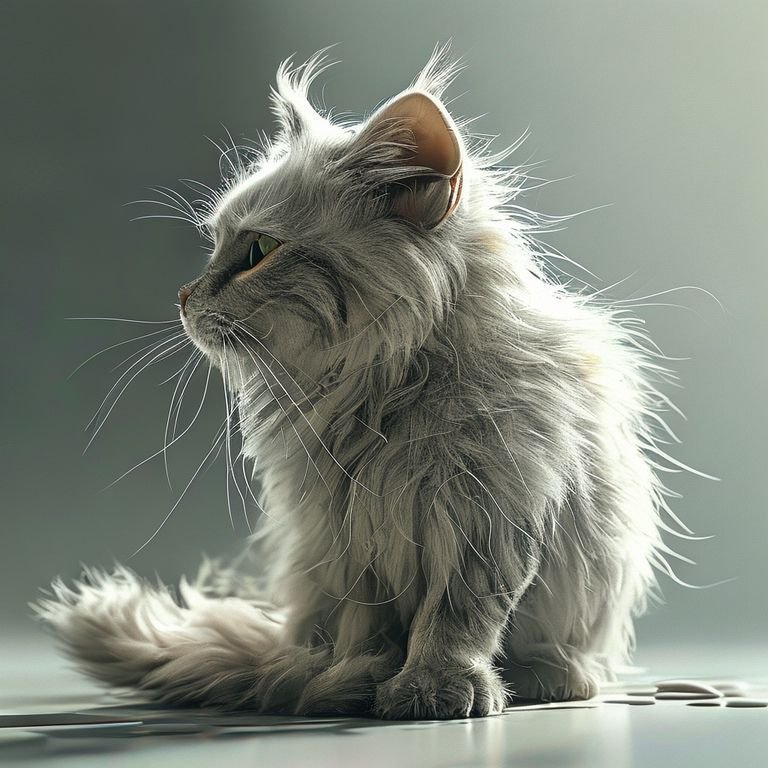
The majestic Persian cat, with its flowing coat and captivating gaze, has enchanted cat lovers for centuries. As we look to 2026, understanding the core Persian characteristics becomes ever more crucial for prospective owners and enthusiasts alike. These regal felines are not just about their striking appearance; their true nature reveals a blend of gentle affection, dignified independence, and a surprising playfulness that endears them to all who welcome them into their homes. Delving into what makes this breed so special is key to appreciating their unique companionship.
Originating from ancient Persia (modern-day Iran) and Turkey, these cats were first brought to Europe in the 17th century, quickly becoming a symbol of luxury and sophistication. Their journey across continents saw them adored by royalty and commoners alike, evolving through selective breeding to the distinctive, flat-faced beauties we recognize today. This rich history contributes to the allure surrounding the breed.
The breed’s popularity has remained steadfast, largely due to their distinctive look and appealing temperament. However, their unique features also come with specific care requirements, making informed ownership essential. This article aims to decode the mystique surrounding Persian cats, providing a comprehensive guide to their characteristics, care, and what to expect when bringing one into your life.
Unpacking the Quintessential Persian Characteristics: Temperament and Personality
Beyond their undeniable beauty, the true essence of the Persian cat lies in their gentle and placid temperament. These cats are renowned for their calm demeanor, making them excellent companions for a variety of households, from bustling families to quiet seniors. They are not typically boisterous or overly demanding, preferring instead a peaceful environment.
Persian characteristics often include a sweet and affectionate nature, though they express their love subtly. They enjoy being petted and cuddled but are rarely “lap cats” in the intrusive sense. Instead, they might choose to recline near you on the sofa or follow you from room to room, offering a comforting presence without constant demands for attention. Their soft purr is often their most vocal expression of contentment.
The Gentle Giant: A Closer Look at Their Disposition
Their quiet nature means they are generally tolerant of children and other pets, provided they are introduced properly and treated with respect. A well-socialized Persian will usually adapt well to a household’s rhythm, becoming a serene, integral part of the family. They thrive on routine and can become unsettled by abrupt changes, preferring predictability in their daily lives.
While they may appear aloof, this is often misinterpreted. Persians are simply more reserved than some other breeds. They observe their surroundings with intelligent, expressive eyes, often choosing to engage on their own terms. This thoughtful independence is one of their most charming Persian characteristics. They are not known for destructive behavior or excessive vocalizations, making them a relatively low-maintenance companion in terms of their psychological needs, provided their environment meets their desire for peace.
Playfulness and Interaction
Despite their serene reputation, Persians do enjoy playtime. Their play style is typically less rambunctious than that of more active breeds. They might enjoy batting at a feather wand, chasing a laser pointer, or delicately playing with a soft toy. Short, gentle play sessions are usually preferred over vigorous, extended games.
Engagement on their terms is key. They appreciate human interaction but also value their alone time, often finding a quiet, elevated spot for observation and naps. Understanding these nuances of their personality is vital for building a strong bond with your Persian cat and appreciating the full spectrum of their unique Persian characteristics.
The Distinctive Physical Attributes: What Makes a Persian a Persian?
The physical appearance of the Persian cat is perhaps its most iconic feature, instantly recognizable and widely admired. Their luxurious long coat, distinctive facial structure, and sturdy build contribute to their regal bearing. These physical Persian characteristics are what first draw many admirers to the breed.
The Luxurious Coat: A Crown of Fur
The Persian’s most prominent feature is its long, flowing coat, which can come in an astonishing array of colors and patterns. This dense, silky fur requires significant grooming to maintain its beauty and prevent matting. It’s a double coat, with a thick undercoat and a longer, softer topcoat, giving them a plush, opulent appearance.
Common coat colors include solid (white, black, blue, red, cream, chocolate, lilac), silver and golden, tabby, calico, bi-color, and pointed (Himalayan). Each color variation adds to the unique beauty of individual cats, but the quality and length of the fur are consistent breed standards. This spectacular coat is a defining element of Persian characteristics.
The Iconic Face: Brachycephalic Features
Persian cats are known for their distinctive brachycephalic (flat-faced) skull structure. This gives them a sweet, open expression with large, round eyes, a short nose, and small, rounded ears. While adorable, this feature is also associated with specific health considerations, which responsible breeders and owners must be aware of.
Their eyes are typically large and round, often matching their coat color (e.g., copper in solids, blue in Himalayans, green in silvers). The short, broad skull and full cheeks contribute to their overall round appearance. The “peke-face” or “ultra-typed” Persian has an even flatter face, while “traditional” or “doll-face” Persians have a slightly more pronounced nose and less extreme facial flattening.
Body and Build
Persians are medium to large-sized cats, typically weighing between 7 and 12 pounds. They possess a cobby (compact and sturdy) body type, with short, thick legs and large, round paws often adorned with tufts of fur between the toes. Their tail is relatively short, proportional to their body, and carried low, flowing gracefully with their majestic fur. These physical Persian characteristics create an overall impression of strength, elegance, and roundness.
Caring for a Regal Companion: Grooming, Health, and Lifestyle Needs
Owning a Persian cat is a commitment that extends beyond admiration of their beauty. Their unique Persian characteristics, particularly their long coat and brachycephalic features, necessitate a dedicated care routine to ensure their health and well-being. Proactive care is essential for these magnificent felines.
The Daily Grooming Ritual
Grooming is arguably the most time-intensive aspect of Persian cat care. Their long, dense coat requires daily attention to prevent mats and tangles, which can quickly become painful and lead to skin infections if left untended. A good quality slicker brush and metal comb are indispensable tools.
Regular grooming sessions not only keep their coat pristine but also serve as an opportunity to bond with your cat and check for any skin issues or parasites. Professional grooming every few months can also be beneficial, especially for trimming fur that can collect around their hindquarters, known as sanitary trims.
Addressing Eye and Ear Care
Due to their flat facial structure, Persians are prone to excessive tearing, which can lead to tear stains beneath their eyes. Daily wiping with a soft, damp cloth or specialized pet eye wipes is crucial to keep the area clean and prevent staining or skin irritation. Their ears should also be checked weekly for wax buildup and gently cleaned with a veterinarian-approved cleaner.
Nutrition and Dental Health
A high-quality, balanced diet specifically formulated for long-haired or indoor cats is recommended to support coat health and overall vitality. Due to their flattened faces, some Persians may find it challenging to eat certain types of kibble; specialized kibble shapes designed for brachycephalic breeds can be helpful.
Dental hygiene is as important for cats as it is for humans. Regular brushing with a pet-specific toothbrush and toothpaste, alongside dental treats or water additives, can help prevent plaque and tartar buildup, which can lead to serious health issues.
Common Health Considerations
While generally robust, certain health issues are more prevalent in Persian cats due to their breed characteristics. Understanding these allows for early detection and preventative care.
– Polycystic Kidney Disease (PKD): A genetic condition that causes cysts to form in the kidneys. Responsible breeders screen for this, and DNA testing is available.
– Hypertrophic Cardiomyopathy (HCM): A common heart disease in cats, where the heart muscle thickens. Regular veterinary check-ups can help monitor for this.
– Progressive Retinal Atrophy (PRA): A degenerative eye disease leading to blindness. Again, reputable breeders will screen for this.
– Brachycephalic Airway Syndrome: Due to their flattened faces, some Persians can experience breathing difficulties, especially in hot or humid weather, and may snore.
– Hip Dysplasia: Less common than in dogs, but can occur in cats, particularly larger breeds.
– Dermatological Issues: Due to their dense coats, they can be prone to skin fold dermatitis or fungal infections if grooming is neglected.
Regular veterinary check-ups, typically once a year for adults and more frequently for kittens and seniors, are paramount. These visits allow for vaccinations, parasite control, and early detection of potential health concerns.
Addressing Common Misconceptions and Embracing the Breed
Despite their popularity, Persian cats are often subject to stereotypes and misconceptions. Understanding the truth behind these can help prospective owners make informed decisions and truly appreciate the breed’s unique attributes. It’s important to look beyond superficial assumptions about Persian characteristics.
Are Persians High-Maintenance?
While their grooming needs are significant, the perception of Persians being “high-maintenance” often overshadows their generally placid temperament. They don’t demand constant entertainment or vigorous exercise like some other breeds. Their “maintenance” is largely a daily, calm grooming ritual rather than energetic demands.
A Persian cat, given adequate grooming and a peaceful environment, can be a wonderfully easy-going companion. They require attention to their physical needs, but their emotional and behavioral needs are often less intense than more active breeds.
Are All Flat-Faced Cats Unhealthy?
The brachycephalic features of Persian cats are a concern for many, and indeed, extreme breeding for flatter faces has led to health issues. However, not all Persians suffer from severe breathing problems. Responsible breeders prioritize health and temperament, carefully selecting breeding cats to minimize potential health risks associated with facial structure.
When considering a Persian, it’s crucial to seek out a reputable breeder who prioritizes the health and well-being of their cats and can provide health clearances for genetic conditions. Veterinary consultation can also offer valuable insights into a specific cat’s health status. The variations in Persian characteristics, even within facial structure, are important to recognize.
The Myth of the “Dumb” Cat
Some perceive Persians as less intelligent due to their calm, less active nature. This is a myth. Persians are intelligent, observant cats. They might not be performing complex tricks, but they understand routines, recognize their family members, and can communicate their desires effectively through subtle cues. Their intelligence is often expressed through their calm, contemplative demeanor.
Embracing a Persian means understanding that their value lies in their gentle companionship, luxurious presence, and unique personality. They offer quiet devotion and a serene energy that can be incredibly soothing. The rewards of owning a Persian cat far outweigh the responsibilities, offering years of affectionate companionship.
Living with a Persian: A Day in the Life
Bringing a Persian cat into your home means welcoming a creature of habit who thrives on stability and a comfortable routine. Understanding their daily preferences will ensure a harmonious living situation and bring out the best of their Persian characteristics.
Morning Routines and Gentle Awakenings
A Persian’s day typically starts quietly. Unlike some cats who might loudly demand breakfast, a Persian is more likely to greet you with a soft purr or a gentle rub against your leg as you begin your morning. Breakfast is an important ritual, often followed by a leisurely self-grooming session.
This is also an ideal time for their daily human-assisted grooming session. A quick brush helps prevent tangles and strengthens the bond between cat and owner. Clean eyes are a must after their morning stretch.
Daytime Serenity and Quiet Exploration
During the day, Persians are generally content to nap in sunbeams, observe the household from a favorite perch, or engage in short, gentle play sessions. They appreciate a quiet environment where they can feel secure and relax. If you work from home, don’t be surprised if your Persian chooses a spot nearby, offering a silent, comforting presence.
They enjoy exploring their immediate surroundings but are not typically adventurous escape artists. Interactive toys that don’t require high energy, such as puzzle feeders or small, crinkly balls, can keep them mildly entertained during periods of solitude.
Evening Comfort and Affection
Evenings are often when Persians are most receptive to affectionate interactions. After a quiet day, they may seek out their human companions for gentle petting, a lap cuddle, or simply to recline next to them on the sofa. This is another excellent opportunity for a brief grooming session or a quiet play.
Their evenings are characterized by peace and comfort. They are ideal companions for unwinding, offering a soothing presence that helps melt away the day’s stresses. Their calm and affectionate nature makes them wonderful family members, bringing a sense of tranquility to the home. The more you understand these daily rhythms, the more you appreciate the depth of their Persian characteristics.
Frequently Asked Questions
How long do Persian cats typically live?
Persian cats generally live between 12 to 17 years, with many living well into their late teens, especially with proper care, a balanced diet, and regular veterinary check-ups. Genetic factors and lifestyle also play a significant role in their longevity.
Are Persian cats good with children and other pets?
Yes, Persian cats are generally known for their placid and tolerant nature, making them good companions for respectful children and other well-behaved pets. Introductions should always be slow and supervised to ensure a positive experience for everyone involved.
Do Persian cats shed a lot?
Given their long, dense double coat, Persian cats do shed, especially during seasonal changes. Daily grooming is essential to manage shedding, prevent matting, and keep their coat healthy. Regular brushing helps remove loose hair before it ends up on your furniture.
What kind of environment do Persian cats prefer?
Persian cats thrive in a calm, stable, and predictable environment. They appreciate quiet spaces, soft bedding, and consistent routines. While they enjoy interaction, they also value their alone time and a peaceful atmosphere where they can relax and observe.
Is the flat face of a Persian cat always a health problem?
While the brachycephalic (flat-faced) structure can predispose some Persians to breathing difficulties and eye issues, not all flat-faced Persians experience severe health problems. Responsible breeding practices aim to minimize these risks by selecting healthy parents with less extreme facial features. Regular vet check-ups are crucial for monitoring any potential issues.
References and Further Reading
- The International Cat Association (TICA) – Persian Breed Information
- Cat Fanciers’ Association (CFA) – About the Persian
- Washington State University College of Veterinary Medicine – Polycystic Kidney Disease
The Persian cat is a magnificent breed, offering a blend of beauty, grace, and gentle companionship. Understanding their unique Persian characteristics, from their serene temperament to their specific care needs, is paramount to providing them with a happy and healthy life. As we’ve explored, these cats offer a quiet devotion that enriches the lives of their human companions, making them truly special members of any family. Their timeless appeal continues to captivate hearts, solidifying their place as one of the world’s most beloved feline breeds. For anyone considering welcoming a Persian into their home, the journey promises to be one filled with quiet affection and regal charm.
For more insights or collaboration opportunities, visit www.agentcircle.ai.
Leave a Reply