

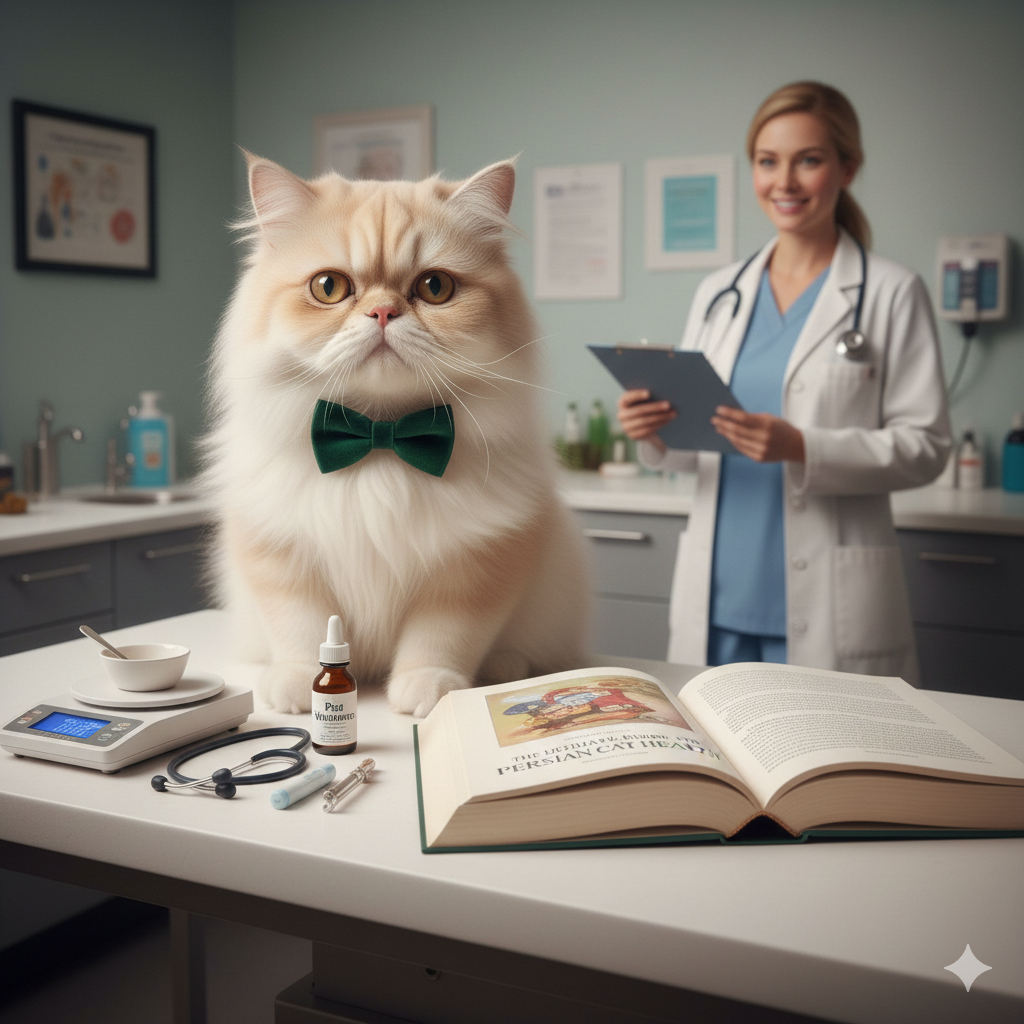
Discover essential tips for optimal Persian cat health in 2026. Learn about grooming, nutrition, and preventive care to ensure your beloved Persian thrives. Get expert insights now!
Persian cats, with their luxurious coats and sweet dispositions, are truly magnificent companions. Their distinctive flat faces, beautiful long fur, and gentle nature make them one of the most beloved cat breeds worldwide. However, these unique breed characteristics also come with specific care requirements that demand attention, especially when it comes to their overall Persian Health. Ensuring your Persian lives a long, happy, and healthy life requires a proactive approach, understanding their predispositions, and adapting modern veterinary and lifestyle insights.
This comprehensive guide delves into every facet of caring for your Persian cat in 2026, incorporating the latest knowledge and best practices. From detailed nutritional advice tailored to their specific needs to advanced grooming techniques and critical preventive healthcare measures, we’ll cover everything you need to know. Our goal is to empower you with the knowledge to maintain peak Persian Health, ensuring your feline friend not only survives but truly thrives for years to come.
Understanding Unique Persian Cat Anatomy and Its Health Implications for Persian Health
The Persian cat’s most striking features are also the root of some of its most common health challenges. Their distinctive brachycephalic, or flat-faced, structure contributes to several conditions that owners must be aware of. This unique anatomy directly influences various aspects of Persian Health, necessitating specialized care.
Brachycephalic Syndrome and Respiratory Care
The shortened skull and nasal passages of Persian cats can lead to Brachycephalic Airway Syndrome. This condition encompasses narrowed nostrils, an elongated soft palate, and hypoplastic trachea, making breathing more difficult. Symptoms include noisy breathing, snoring, and potential exercise intolerance. In severe cases, it can lead to respiratory distress.
To manage this, ensure your Persian remains at a healthy weight to reduce strain on their respiratory system. Avoid exposing them to extreme heat or humidity, as these can exacerbate breathing difficulties. Regular veterinary check-ups are crucial to monitor their respiratory health, and in some instances, surgical correction may be recommended by your vet to improve airflow.
Ocular and Tear Duct Issues
The prominent, round eyes of Persian cats, coupled with their flattened faces, often lead to excessive tearing (epiphora) and eye irritation. Their shallow eye sockets can make them prone to corneal ulcers and entropion, where the eyelid rolls inward, causing eyelashes to rub against the eye. The constant moisture around the eyes can also lead to skin irritation and bacterial infections.
Daily cleaning of the tear stains is essential. Use a soft, damp cloth or a vet-approved eye wipe to gently clean the area around their eyes. Always check for any signs of redness, discharge, or squinting, which could indicate a more serious underlying issue requiring immediate veterinary attention. Maintaining good Persian Health includes vigilant eye care.
Coat and Skin Challenges
The luxurious, long double coat of a Persian cat is beautiful but high-maintenance. This dense fur is prone to matting, especially in areas like the armpits, behind the ears, and around the hindquarters. Mats can pull on the skin, causing pain, skin irritation, and even infections if left untreated. The long coat also traps dirt, debris, and moisture, which can lead to skin issues.
Underneath that abundant fur, Persians can also suffer from dermatological conditions like primary seborrhea, which causes flaky, greasy skin and a characteristic odor. Regular grooming is paramount not just for aesthetics but as a critical component of their overall skin and coat health, directly impacting their comfort and Persian Health.
Essential Nutrition Strategies for Optimal Persian Health
Diet plays a foundational role in maintaining the excellent Persian Health of your feline companion. Due to their unique anatomy and predispositions, their nutritional needs require careful consideration. A well-balanced diet can prevent many common health issues and support their specific physiological requirements.
Dietary Needs and Considerations
Persian cats generally benefit from a high-quality, protein-rich diet specifically formulated for long-haired breeds or cats with sensitive systems. Look for foods where meat is the primary ingredient, avoiding excessive fillers like corn, wheat, or soy. Given their brachycephalic facial structure, some Persians find it challenging to pick up standard kibble. Specialized kibble shapes designed for brachycephalic breeds can make eating easier, promoting better digestion and nutrient absorption.
Consider the age and activity level of your Persian when choosing food. Kittens, adults, and senior cats have different caloric and nutrient requirements. Obesity can exacerbate respiratory issues and joint problems in Persians, so portion control is vital. Consult your veterinarian for personalized dietary recommendations, especially if your cat has specific health concerns like allergies or digestive sensitivities.
Managing Hairballs Through Diet
Hairballs are a common nuisance for all long-haired cats, and Persians are no exception. Their extensive self-grooming combined with their long, dense fur means they ingest a significant amount of hair. If this hair isn’t passed through the digestive system, it can accumulate, forming hairballs that cause vomiting, constipation, or, in severe cases, intestinal blockages.
Nutritional strategies can significantly help. Many reputable cat food brands offer “hairball control” formulas that contain increased fiber content. This fiber helps to move ingested hair through the digestive tract more efficiently. Supplements containing psyllium husk or lubricants can also be beneficial, but always discuss these with your vet before introducing them into your cat’s routine. Regular grooming also drastically reduces the amount of loose hair ingested, working synergistically with diet for better Persian Health.
Hydration Tips
Adequate hydration is crucial for kidney function, urinary tract health, and overall well-being. Cats, by nature, often don’t drink enough water. This can be particularly concerning for Persians, as their long fur can sometimes get wet around the face, making them reluctant to drink from traditional bowls.
To encourage water intake, consider providing multiple water sources around your home. Ceramic or stainless steel bowls are often preferred over plastic. Pet water fountains, which offer fresh, flowing water, can be highly appealing to cats and encourage them to drink more. Incorporating wet food into their diet is another excellent way to boost their daily fluid intake, contributing significantly to their urinary Persian Health.
Grooming Routines: Beyond Just Good Looks
For a Persian cat, grooming isn’t merely about maintaining their exquisite appearance; it’s a vital component of their health and comfort. Their magnificent, dense coat requires consistent attention to prevent painful mats and skin issues, directly impacting their quality of life and Persian Health. Establishing a regular grooming routine early in your cat’s life will make the process much easier for both of you.
Daily Brushing Techniques
Due to their long, double coat, daily brushing is non-negotiable for Persian cats. Skipping even a few days can lead to significant matting. Invest in high-quality grooming tools, including a wide-toothed comb, a slicker brush, and a metal comb with rotating teeth.
Start by gently teasing out any small tangles with your fingers or the wide-toothed comb. Then, use the slicker brush to remove loose hair and distribute natural oils, working in small sections, always brushing in the direction of hair growth. Finish with the metal comb to ensure no mats have been missed, especially in sensitive areas like the “armpits,” belly, and behind the ears. This daily ritual is paramount for coat and skin Persian Health.
Bathing and Skin Care
Unlike many other cat breeds, Persian cats often require regular bathing – typically every 4-6 weeks, or more frequently if they get particularly dirty or have skin conditions. Use a shampoo specifically formulated for cats, ideally one designed for long-haired breeds or those with sensitive skin. Lukewarm water and a gentle touch are key.
Thoroughly rinse all shampoo to prevent skin irritation. After bathing, gently towel-dry your cat and then use a pet-specific low-heat blow dryer, brushing as you dry to prevent tangles. Pay close attention to their skin during baths; look for any redness, flakes, or bumps that might indicate an underlying dermatological issue. Persistent skin problems should always be evaluated by a veterinarian to protect their overall Persian Health.
Eye and Ear Cleaning
As mentioned earlier, Persian cats are prone to tear staining due to their facial structure. Daily cleaning of the delicate area around their eyes is crucial. Use a soft, damp cloth or veterinary-approved eye wipes to gently remove tear stains and prevent skin irritation and infection. Always wipe away from the eye, using a clean part of the cloth for each eye to prevent cross-contamination.
Ear cleaning should also be part of your routine, though less frequent than eye cleaning. Check their ears weekly for redness, discharge, or any unpleasant odor. If needed, use a vet-approved ear cleaner and cotton balls (never cotton swabs, which can push debris further into the ear canal). Gently wipe the visible parts of the ear. If you notice excessive wax, dark discharge, or signs of pain, consult your vet as this could indicate an ear infection, which impacts overall Persian Health.
Preventive Healthcare and Veterinary Visits for Robust Persian Health
Proactive preventive care is the cornerstone of robust Persian Health. Regular veterinary check-ups, adhering to vaccination schedules, and diligent parasite control are vital for early detection and prevention of potential health issues. These practices ensure your Persian cat remains healthy and happy throughout their life.
Vaccination Schedules and Parasite Control
Working closely with your veterinarian to establish and maintain an appropriate vaccination schedule is crucial. Core vaccines typically include rabies and the FVRCP combination (Feline Viral Rhinotracheitis, Calicivirus, and Panleukopenia). Depending on your cat’s lifestyle (indoor vs. outdoor), additional non-core vaccines like FeLV (Feline Leukemia Virus) may be recommended.
Parasite control is equally important. This includes regular deworming for internal parasites and consistent use of flea and tick prevention products. Even indoor cats can be exposed to parasites brought in on shoes or other pets. Your vet can advise on the best products and schedule tailored to your cat’s specific needs and local parasite prevalence, safeguarding their Persian Health.
Recognizing Common Health Issues
While preventative care is key, being able to recognize the early signs of common Persian cat health issues can make a significant difference in treatment outcomes. Beyond the anatomical predispositions discussed, Persians can also be prone to conditions like Polycystic Kidney Disease (PKD), Hypertrophic Cardiomyopathy (HCM), and progressive retinal atrophy (PRA).
Symptoms to watch for include changes in appetite or water intake, lethargy, difficulty breathing, changes in urination or defecation habits, limping, excessive grooming or scratching, and any unusual lumps or bumps. Early detection through vigilant observation and prompt veterinary consultation is paramount for managing these conditions effectively and preserving your cat’s Persian Health.
The Role of Regular Vet Check-ups
Annual (or semi-annual for senior cats) veterinary check-ups are non-negotiable. These visits allow your vet to perform a thorough physical examination, monitor weight, check dental health, and discuss any concerns you may have. Routine blood work and urinalysis may be recommended, especially as your cat ages, to detect underlying conditions before clinical signs become apparent.
For breeds with known genetic predispositions like Persians, your vet may also recommend specific screening tests, such as ultrasound for PKD or cardiac screenings for HCM. Regular check-ups are your best tool for staying ahead of potential problems and ensuring a long, healthy life for your Persian. This proactive approach is fundamental to excellent Persian Health management.
Leveraging Technology for Persian Health Monitoring
The year 2026 brings an array of smart pet care technologies that can significantly aid in monitoring your Persian cat’s health. From smart feeders that track eating habits to activity monitors that identify changes in behavior, these gadgets offer data-driven insights that complement traditional veterinary care. Integrating these tools can provide an extra layer of vigilance, helping you detect subtle changes that might indicate an emerging health issue.
Comparison of Top Smart Pet Health Monitors
| Product | Price | Pros | Cons | Best For |
|---|---|---|---|---|
| PawTrack Activity Monitor 2.0 | $129 | Accurate activity and sleep tracking, long battery life, lightweight. Integrates with vet portals. | Subscription required for full features, basic design. | Monitoring activity levels, early detection of lethargy or restlessness. |
| FeederSense Pro Smart Bowl | $179 | Monitors food and water intake, identifies eating patterns, connects to app. Built-in camera. | Can be complex to set up, only works with specific food types. | Tracking dietary changes, ensuring consistent hydration, managing weight. |
| PetPulse Vital Tracker | $249 | Non-invasive collar sensor for heart rate, respiration, and temperature. AI-driven health alerts. | High price point, some cats might find the collar bulky. | Advanced vital sign monitoring, detecting stress or early illness symptoms. |
Environmental Enrichment and Mental Well-being
While physical health is paramount, the mental and emotional well-being of your Persian cat is equally important for their overall Persian Health. A stimulating and stress-free environment contributes significantly to a happy and well-adjusted feline. Enriching their surroundings and providing appropriate outlets for their natural behaviors can prevent boredom and behavioral issues.
Stress Reduction Strategies
Persian cats, despite their calm demeanor, can be sensitive to changes in their environment. Stress can manifest as excessive grooming, loss of appetite, changes in litter box habits, or reclusiveness. Maintaining a consistent routine for feeding, playtime, and grooming can help reduce anxiety.
Provide safe, quiet spaces where your Persian can retreat and feel secure, such as cat trees, enclosed beds, or elevated perches. Pheromone diffusers can also be effective in creating a calming atmosphere, especially during periods of change like moving or introducing new pets. Minimizing loud noises and sudden disruptions helps in fostering a tranquil environment, which is vital for their mental Persian Health.
Play and Exercise for Persians
While not as boisterous as some breeds, Persians still require regular play and mental stimulation. Engaging in interactive play sessions daily helps maintain their physical fitness, prevents boredom, and strengthens your bond. Choose toys that encourage gentle activity, such as feather wands, soft balls, or puzzle feeders.
Laser pointers can be fun but ensure to end the session with a tangible toy they can “catch” to prevent frustration. Supervised outdoor time in a secure catio or with a harness and leash can also provide valuable enrichment and sensory stimulation. Remember that consistent, moderate exercise is key to keeping their bodies active and minds sharp, directly supporting their physical and mental Persian Health.
Dental Health and Enrichment Toys
Dental disease is one of the most common health problems in cats, and Persians, with their flattened faces and potentially crowded teeth, are particularly susceptible. Poor dental health can lead to pain, difficulty eating, and even systemic infections if left untreated. Regular dental care is a crucial, often overlooked, aspect of Persian Health.
Introduce tooth brushing early in your cat’s life using a feline-specific toothbrush and toothpaste. If brushing isn’t feasible, consider dental diets, water additives, or dental treats approved by the Veterinary Oral Health Council (VOHC). Chew toys designed to promote dental health can also be beneficial, providing both enrichment and mechanical cleaning. Regular veterinary dental check-ups and professional cleanings, when recommended, are essential for preventing serious dental problems.
Caring for a Persian cat is a rewarding endeavor that requires dedication and attention to detail. By understanding their unique anatomical predispositions and implementing a comprehensive care routine covering nutrition, grooming, preventive healthcare, and environmental enrichment, you can ensure your beloved companion enjoys optimal Persian Health. Staying informed about the latest veterinary insights and leveraging modern pet technologies empowers you to provide the best possible care. Remember that a proactive approach, combined with regular veterinary consultations, is the key to a long, happy, and thriving life for your beautiful Persian cat.
For personalized advice on your Persian’s health, consult your veterinarian. For more comprehensive guides and AI-powered insights into pet care, subscribe to the Dax AI newsletter today!
Frequently Asked Questions About Persian Cat Health
What is Polycystic Kidney Disease (PKD) in Persian cats?
Polycystic Kidney Disease (PKD) is a common genetic disorder in Persian cats where cysts form in the kidneys, growing over time and eventually impairing kidney function. It’s inherited, and symptoms usually appear later in life, including increased thirst, urination, weight loss, and lethargy. Early diagnosis through genetic testing or ultrasound is crucial for management.
How often should I groom my Persian cat to prevent matting?
Persian cats require daily brushing to prevent their long, dense coats from matting. Without daily attention, mats can quickly form, causing pain and skin irritation. Weekly bathing, combined with thorough drying and brushing, is also recommended to keep their coat in optimal condition and support overall Persian Health.
Are there special diets for Persian cats with breathing difficulties?
While there isn’t a specific “breathing difficulty” diet, maintaining an ideal weight is critical to reduce strain on their respiratory system. Some specialized kibble designs are tailored for brachycephalic breeds, making it easier for them to pick up and chew, which can indirectly aid in their comfort. Always consult your vet for dietary recommendations.
What are the signs of an eye problem in a Persian cat?
Look for excessive tearing, redness around the eyes, squinting, discharge (clear, yellow, or green), cloudiness of the eye, or if your cat is pawing at its face. Due to their prominent eyes and flattened faces, Persians are prone to several eye conditions, so any unusual symptoms warrant immediate veterinary attention to safeguard their Persian Health.
How can I tell if my Persian cat is stressed?
Signs of stress in Persian cats can include changes in appetite or water intake, inappropriate urination or defecation outside the litter box, excessive grooming, hiding, increased vocalization, or sudden aggression. Providing a stable environment, quiet retreats, and consistent routines can help alleviate stress, contributing positively to their mental Persian Health.
Leave a Reply