

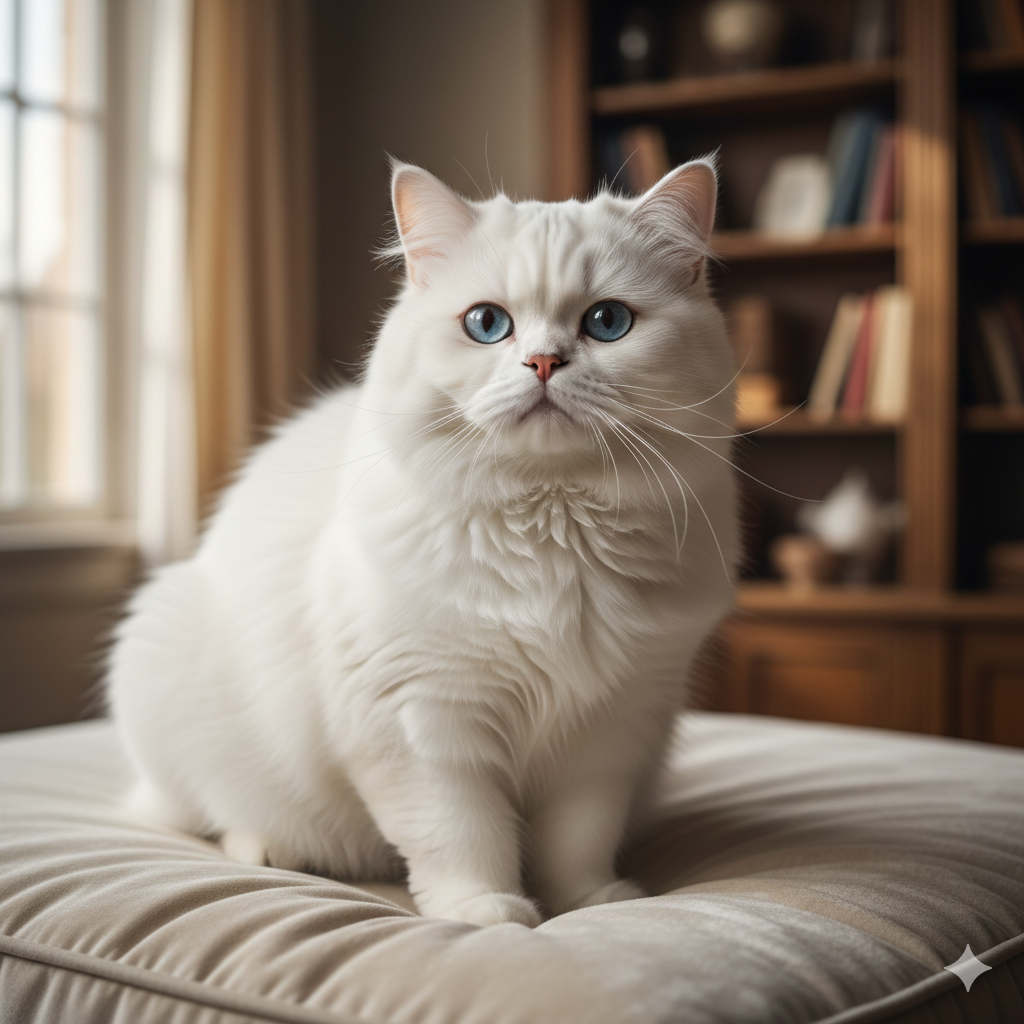
A Persian cat’s opulent coat is its crowning glory, a cascade of luxurious fur that captivates hearts. Yet, maintaining this magnificent mane at its silky, smooth best is a commitment that requires dedication and the right knowledge. Achieving that show-stopping, mat-free elegance is entirely possible with consistent and correct Persian Grooming practices. This guide will walk you through every essential step, ensuring your beloved feline companion not only looks stunning but also enjoys optimal skin and coat health well into 2026 and beyond.
Understanding the Persian Coat: A Foundation for Silky Perfection
The Persian cat is renowned for its long, flowing coat, a distinctive feature that sets it apart. This luxurious fur, however, is not without its unique challenges. Understanding its structure is the first step toward effective grooming.
The Unique Structure of a Persian’s Fur
A Persian’s coat is a double coat, meaning it consists of two distinct layers. The outer layer is long, fine, and silky, while the undercoat is dense and woolly. This combination creates incredible volume and softness but also makes it highly prone to tangles and matting.
Unlike some other long-haired breeds, the Persian’s hair grows continuously, contributing to its impressive length. This constant growth necessitates regular and thorough attention to prevent knots from forming close to the skin, which can become painful for your cat.
Common Coat Challenges and How to Prevent Them
Without consistent Persian Grooming, several issues can quickly arise. Mats are perhaps the most common and problematic. These are tightly woven clumps of fur that can pull at the skin, causing discomfort, pain, and even skin infections if left untreated.
Shedding is another natural process that becomes more pronounced with Persians due to their dense undercoat. If shed hair isn’t removed regularly, it contributes significantly to mat formation. Grease buildup, especially around the neck and tail, can also make the coat feel coarse and look dull.
Preventative measures are far easier and less stressful than dealing with advanced problems. A proactive approach to daily brushing and a strategic grooming routine are your best defense against these common challenges.
Essential Tools and Techniques for Effective Persian Grooming
Equipping yourself with the right tools is paramount for successful Persian Grooming. Just as an artist needs the correct brushes, a Persian cat owner needs specific grooming instruments to maintain that iconic silky coat.
The Right Brushes and Combs for Your Persian
Choosing the appropriate grooming tools is crucial for protecting your cat’s delicate skin and effectively managing their dense coat. Using the wrong tools can cause discomfort or even damage the fur.
- – **Wide-toothed Metal Comb:** This is your primary tool for initial detangling and checking for mats. Its wider spacing gently separates the long hairs without snagging.
- – **Fine-toothed Metal Comb (or Flea Comb):** Ideal for smaller tangles, removing loose undercoat, and grooming around sensitive areas like the face and behind the ears.
- – **Slicker Brush:** Features fine, short wires packed closely together on a flat surface. Excellent for removing loose fur from the undercoat and smoothing the topcoat, but use with extreme caution to avoid scratching the skin.
- – **Pin Brush:** Has widely spaced metal pins with rounded tips. Best for general brushing and working through the topcoat, providing a gentle massage while removing surface tangles.
Always introduce new tools slowly and make grooming a positive experience with treats and praise. This builds trust and makes future sessions much smoother.
Mastering the Daily Brushing Routine
Consistency is key when it comes to Persian Grooming. A daily brushing routine, even if short, is far more effective than infrequent, long sessions. Aim for at least 10-15 minutes each day.
1. **Preparation:** Find a quiet, comfortable space. Lay your cat on a soft towel or mat. Have all your tools within reach.
2. **Gentle Detangling with a Wide-toothed Comb:** Start by gently combing through the entire coat, working section by section. Begin at the ends of the hair and work your way up to the skin. If you encounter a tangle, do not pull. Instead, gently work it out with your fingers or a detangling spray.
3. **Deep Brushing with a Pin or Slicker Brush:** Once detangled, use a pin brush to go over the entire coat, ensuring you reach down to the undercoat. For stubborn undercoat removal, a slicker brush can be used very lightly, brushing away from the skin in short, gentle strokes.
4. **Focus on Problem Areas:** Pay special attention to areas prone to matting: behind the ears, under the armpits, the “britches” (fur on the back legs), and the tail. These spots collect more friction and are often neglected.
5. **Finishing with a Fine-toothed Comb:** Use a fine-toothed comb to smooth the coat and check for any missed tangles or fleas. This also helps distribute natural oils for a healthy shine.
6. **Positive Reinforcement:** End each session with praise, a small treat, and gentle petting to reinforce a positive association with grooming.
Comparison of Top Grooming Tools for Persian Cats
Selecting the right combination of tools is essential for effective Persian Grooming. Here’s a comparison of popular options that cater to the unique needs of a Persian’s dense coat.
| Product | Price | Pros | Cons | Best For |
|---|---|---|---|---|
| Safari Cat Shedding Comb | $10-$15 | Effective for removing loose undercoat and small tangles. Affordable and durable. | Can be sharp if not used gently, may not tackle large mats. | Daily maintenance and light deshedding. |
| Chris Christensen Big G Slicker Brush | $50-$70 | Excellent for fluffing the coat and reaching deep into the undercoat. High quality and ergonomic. | Expensive, requires a careful hand to avoid skin irritation. | Professional groomers and serious enthusiasts for show-quality fluffing. |
| Mikki Matt Splitter/Remover | $15-$25 | Specifically designed to cut through tight mats safely. Reduces pulling and stress for the cat. | Requires careful handling to avoid cutting skin, not for daily use. | Targeted mat removal as a last resort before professional help. |
| Paws & Pals Oatmeal Cat Shampoo | $15-$20 | Gentle, soothing formula for sensitive skin, helps with dryness and irritation. Leaves coat soft. | May require a separate conditioner for maximum detangling effect. | Regular bathing for sensitive skin and coat health. |
| Evolution Dematting Comb with Rotating Teeth | $20-$30 | Rotating teeth glide through tangles, minimizing pulling and discomfort. Versatile for various coat types. | Less effective on extremely tight mats, some cats dislike the feel of rotating teeth. | Medium to severe tangles and preventative daily detangling. |
Bathing Your Persian: A Step-by-Step Guide
While daily brushing is crucial, regular bathing is also a vital part of comprehensive Persian Grooming, typically every 4-6 weeks. It helps remove dirt, dander, and excess oils that brushing alone cannot.
1. **Preparation is Key:** Trim your cat’s nails beforehand to avoid scratches. Gather all supplies: cat-specific shampoo and conditioner, towels, a non-slip mat for the tub, and a small cup or sprayer.
2. **Pre-Bath Brushing:** Thoroughly brush your cat before the bath. Water will tighten any existing tangles or mats, making them nearly impossible to remove wet. Ensure the coat is as tangle-free as possible.
3. **The Bath:** Use lukewarm water. Gently wet your cat’s coat, avoiding the face. Apply a small amount of cat-specific shampoo, working it into a lather, focusing on greasy areas. Rinse thoroughly until no suds remain. Residual shampoo can cause skin irritation.
4. **Conditioning:** Apply a cat-safe conditioner, allowing it to sit for a few minutes as per product instructions. This helps to moisturize the skin and coat, making it softer and easier to comb. Rinse completely.
5. **Drying:** Gently squeeze excess water from the coat. Wrap your cat in a clean, absorbent towel. You can use a low-heat, pet-specific blow dryer while continuously brushing to prevent matting as the fur dries. Keep the dryer moving to avoid overheating any one spot. Ensure your cat is completely dry to prevent skin issues.
6. **Post-Bath Brushing:** Once mostly dry, give another gentle brush through the coat to ensure no new tangles have formed and to fluff up the fur. Reward your cat for their cooperation.
Beyond the Brush: Diet, Supplements, and Environmental Factors
Achieving a truly silky Persian coat goes beyond external grooming. What you put into your cat’s body and the environment they live in play significant roles in coat health.
The Nutritional Impact on Coat Health
A high-quality diet is the cornerstone of a healthy, shiny coat. Think of your cat’s fur as an external indicator of its internal health. Poor nutrition often manifests as a dull, brittle, or greasy coat.
- – **High-Quality Protein:** Essential for hair growth and strength. Look for cat foods with real meat (chicken, fish, turkey) as the first ingredient.
- – **Omega-3 and Omega-6 Fatty Acids:** These are crucial for skin health and coat luster. Sources include fish oil, flaxseed, and certain animal fats. They help reduce inflammation and promote a soft, shiny coat.
- – **Vitamins and Minerals:** Biotin, zinc, and Vitamin E are particularly important for skin and hair. Ensure your cat’s food is complete and balanced, providing all necessary micronutrients.
Consulting with your veterinarian about the best diet for your individual Persian, especially if they have specific sensitivities or health conditions, is always recommended.
Supplements for a Luxurious Shine
Even with a good diet, some Persians can benefit from targeted supplements to enhance their coat. These should always be introduced under veterinary guidance to ensure they are appropriate and correctly dosed.
- – **Fish Oil (Omega-3s):** A popular choice for improving coat shine and reducing shedding. Look for high-quality, mercury-tested fish oil specifically formulated for pets.
- – **Biotin:** Often found in skin and coat supplements, biotin supports healthy hair growth and can help with brittle fur.
- – **Coconut Oil:** Some owners use a tiny amount topically or added to food for its moisturizing properties, but moderation is key to avoid digestive upset or a greasy coat.
Remember that supplements are not a substitute for a balanced diet and consistent Persian Grooming. They are an enhancement to an already solid routine.
Environmental Control for Optimal Coat Condition
Your cat’s living environment also plays a role in their coat health. Simple adjustments can make a big difference.
- – **Humidity Levels:** Extremely dry air can lead to dry skin and a dull coat. A humidifier in your home, especially during winter months, can help maintain better moisture levels.
- – **Cleanliness:** A clean living space means less dirt and allergens transferring to your cat’s coat. Regular vacuuming and washing of pet bedding can reduce debris that can get trapped in their fur.
- – **Stress Reduction:** Stress can impact overall health, including skin and coat condition. Providing a calm, stable environment with plenty of enrichment can contribute to a healthier cat and a healthier coat.
Tackling Stubborn Mats and Professional Persian Grooming
Despite best efforts, mats can sometimes form. Knowing how to handle them safely and when to seek professional help is critical for your Persian’s well-being.
Safe Mat Removal Techniques
Mat removal requires patience and caution. Improper techniques can cause pain, skin irritation, or injury. Never pull on a mat or use scissors directly on a mat close to the skin, as it’s very easy to accidentally cut your cat.
1. **Assess the Mat:** Determine its size and how close it is to the skin. Small, loose tangles can often be worked out at home.
2. **Apply a Detangler:** Spray a pet-safe detangling spray or a small amount of cornstarch directly onto the mat. This helps loosen the hair strands.
3. **Use Your Fingers:** Gently try to separate the mat into smaller sections with your fingers. This is the safest first step.
4. **Work with a Mat Breaker/Splitter:** If the mat is stubborn, use a specialized mat splitter or de-matting tool. These tools are designed to cut through the mat in a way that minimizes pulling. Always place your fingers between the mat and the skin to protect your cat.
5. **Comb Gently:** Once the mat is broken into smaller pieces, use a wide-toothed comb to gently work through the remaining tangle, starting from the ends.
6. **Know When to Stop:** If the mat is large, tight, or close to the skin, stop and seek professional assistance. Your cat’s comfort and safety are paramount.
When to Call in the Experts: The Value of Professional Grooming
Sometimes, the task of Persian Grooming, especially for a heavily matted coat, is best left to a professional. Certified groomers have the tools, expertise, and experience to handle even the most challenging situations safely and effectively.
- – **Safe Mat Removal:** Professionals can remove severe matting using clippers without causing injury or undue stress to your cat. This often involves a “lion cut” where the coat is shaved down, allowing it to regrow healthy and mat-free.
- – **Specialized Equipment:** Groomers have access to professional-grade shampoos, conditioners, and drying equipment that provide superior results.
- – **Health Checks:** A groomer can often spot skin issues, parasites, or ear problems that might be missed during at-home grooming, prompting you to visit your vet.
- – **Maintenance Schedules:** A professional can advise you on an optimal Persian Grooming schedule tailored to your cat’s specific coat type and lifestyle. Regular professional grooming can significantly reduce the burden of at-home maintenance.
Finding a reputable groomer who specializes in long-haired cats or Persians is crucial. Ask for recommendations, check reviews, and ensure they are certified and use gentle, cat-friendly handling techniques. A good professional groomer will partner with you to achieve the ultimate silky smooth coat for your Persian.
Maintaining the Silky Smooth Coat: Long-Term Strategies
Achieving a silky smooth Persian coat is an ongoing journey, not a one-time event. Long-term strategies focus on consistency, positive reinforcement, and proactive health management.
Establishing a Consistent Routine
The single most important factor in maintaining a Persian’s coat is consistency. A daily routine, even if brief, is far more effective than sporadic, intense sessions. Make grooming a predictable and positive part of your cat’s day from a young age.
- – **Schedule it:** Try to groom your cat around the same time each day. Cats thrive on routine.
- – **Short and Sweet:** If your cat tolerates only short sessions, do multiple short sessions throughout the day rather than forcing a long one.
- – **Positive Reinforcement:** Always end grooming with praise, a favorite treat, or a play session. This helps your cat associate Persian Grooming with positive outcomes.
Over time, your cat will become accustomed to the routine, making grooming less of a chore and more of a bonding experience.
Addressing Seasonal Shedding
Persian cats, like most felines, experience seasonal shedding, particularly in spring and fall. During these times, you’ll need to intensify your Persian Grooming efforts.
- – **Increase Brushing Frequency:** You may need to brush your cat twice a day or for longer durations to effectively remove the increased amount of loose undercoat.
- – **Deshedding Tools:** Consider using a specialized deshedding tool (like a wide-toothed metal comb or a gentle slicker brush designed for undercoat removal) during shedding season, but use it sparingly and carefully to avoid irritating the skin.
- – **Dietary Support:** Ensure your cat’s diet is rich in Omega fatty acids, as mentioned earlier. These can help support healthy skin and coat during periods of increased hair turnover.
Consistent deshedding prevents large amounts of fur from being ingested during self-grooming, reducing the likelihood of hairballs.
Preventative Measures for a Healthy Coat
Beyond the direct act of grooming, general health management plays a crucial role in the long-term vitality of your Persian’s coat.
- – **Regular Veterinary Check-ups:** Annual or bi-annual vet visits help catch underlying health issues that could affect coat quality, such as parasites, allergies, or metabolic diseases. A healthy cat has a healthy coat.
- – **Parasite Control:** Fleas and other parasites can cause intense itching, leading to excessive scratching and damage to the coat and skin. Ensure your cat is on a vet-approved parasite prevention program.
- – **Skin Health Monitoring:** Regularly check your cat’s skin during grooming sessions for any redness, flakiness, bumps, or sores. Early detection of skin problems can prevent them from escalating and affecting the coat.
By integrating these preventative measures into your cat care routine, you are not only ensuring a beautiful coat but also contributing to your Persian’s overall health and happiness for years to come.
Achieving and maintaining a silky smooth Persian coat is a rewarding endeavor that deepens the bond with your feline friend. From selecting the right tools and mastering daily brushing to understanding the impact of diet and knowing when to seek professional help, every step contributes to your cat’s comfort and splendor. Embrace these Persian Grooming techniques, and your cat will surely boast a luxurious, mat-free coat that is the envy of all.
For personalized advice on Persian Grooming or to schedule a consultation with a certified feline groomer, contact Dax AI today. We’re here to help you achieve grooming success!
Frequently Asked Questions (FAQ)
How often should I brush my Persian cat?
For a silky smooth coat, daily brushing for at least 10-15 minutes is highly recommended. This prevents mats and tangles from forming and removes loose hair, which is crucial for Persians.
What kind of shampoo is best for a Persian cat?
Always use a cat-specific shampoo, preferably one formulated for long-haired breeds or sensitive skin. Look for ingredients like oatmeal or aloe vera for soothing properties. Avoid human shampoos, as they can irritate your cat’s skin.
My Persian cat hates grooming. What should I do?
Start with very short sessions (1-2 minutes) and gradually increase the duration. Use positive reinforcement with treats and praise. Make the experience calm and quiet. If resistance is severe, consult a professional groomer or your vet for behavioral tips or professional handling.
How can I prevent hairballs in my Persian?
Regular and thorough brushing is the most effective way to prevent hairballs by removing loose fur before your cat ingests it. A high-fiber diet or vet-approved hairball control supplements can also be beneficial.
Is it okay to shave my Persian cat?
Shaving (often called a “lion cut”) can be a solution for severe matting, medical reasons, or to provide relief in hot climates, but it should typically be done by a professional groomer. It allows the coat to regrow healthy, but the texture might change slightly, and the cat needs protection from sun exposure.
Leave a Reply