

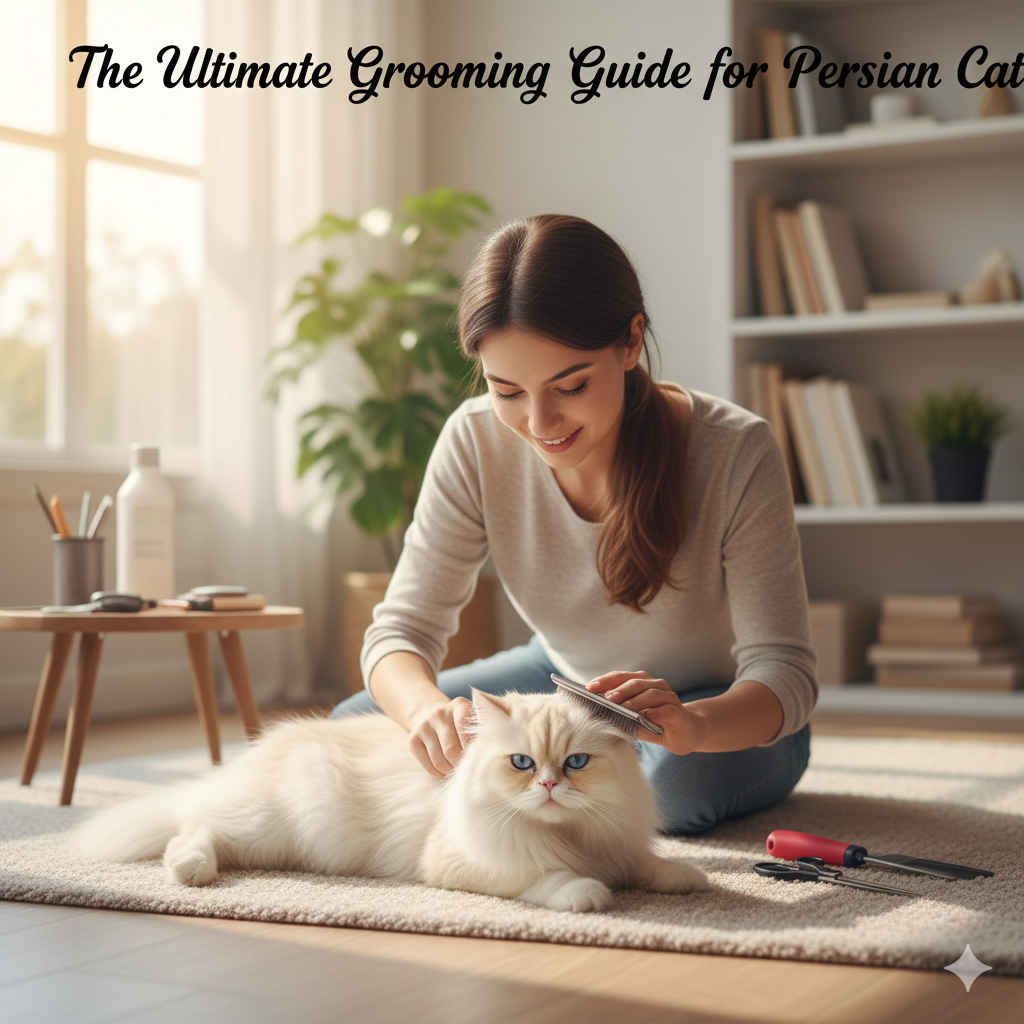
Unlock the secrets to pristine Persian grooming! Our 2026 guide covers tools, techniques, and tips to keep your Persian cat’s coat magnificent and mat-free.
The Unique Challenges of Persian Grooming
Persian cats are renowned for their majestic, long-haired coats, which are undeniably beautiful but demand significant attention. The lush, flowing fur that defines the breed also presents a unique set of grooming challenges. Without consistent and proper Persian Grooming, these luxurious coats can quickly become matted, leading to discomfort and potential health issues for your feline friend.
Understanding the specific needs of a Persian cat’s coat is the first step towards a successful grooming routine. Their double coat, consisting of a dense undercoat and a long, silky topcoat, is prone to tangling and trapping debris. This requires a dedicated approach that goes beyond casual brushing.
Understanding the Persian Coat
A Persian cat’s coat is truly a work of natural art, but its beauty is also its vulnerability. The long guard hairs can reach several inches in length, while the soft, thick undercoat provides insulation. This combination, while stunning, is a magnet for knots, dead hair, and environmental particles.
Proper care ensures not only their aesthetic appeal but also their overall health. Mats can pull on the skin, causing pain and even skin infections if left untreated. Regular grooming sessions are therefore not just about looks; they are a vital part of preventative care for your Persian.
Common Grooming Pitfalls to Avoid
Many new Persian owners underestimate the time commitment required for their cat’s coat. A common mistake is infrequent brushing, which allows small tangles to escalate into severe mats. Another pitfall is using the wrong tools, which can either be ineffective or even damage the delicate fur.
Over-bathing or using unsuitable shampoos can strip the coat of its natural oils, leading to dry skin and a dull appearance. Neglecting areas like behind the ears, under the armpits, and around the hindquarters are also common oversights, as these spots are particularly prone to matting. A holistic approach to Persian Grooming is essential to avoid these pitfalls.
Essential Tools for a Flawless Persian Grooming Routine
Having the right arsenal of grooming tools is paramount for maintaining a Persian cat’s magnificent coat. Investing in high-quality equipment will not only make the grooming process easier but also more comfortable for your cat. Think of these tools as an extension of your care and commitment.
From specialized brushes to gentle shampoos and even smart gadgets, the market offers a wide array of products designed to aid in effective Persian Grooming. Choosing wisely can significantly impact the health and appearance of your cat’s fur.
Brushes and Combs: Your Daily Allies
The foundation of any good Persian grooming routine starts with the right brushes and combs. You’ll need a combination of tools to tackle different layers of the coat and various types of tangles. Daily brushing is non-negotiable for Persians.
– **Stainless Steel Comb:** This is your primary tool for detangling and checking for mats. Look for one with both wide and narrow teeth to handle different coat densities. It’s excellent for working through the entire coat down to the skin.
– **Slicker Brush:** Ideal for removing loose hair and small tangles from the topcoat. Use it gently to avoid scratching the skin, working in small sections.
– **Pin Brush:** With rounded pins, this brush is good for general brushing and fluffing the coat without pulling on the skin. It helps distribute natural oils and adds shine.
– **Undercoat Rake:** A specialized tool designed to reach the dense undercoat and remove dead hair before it can form mats. Use with caution and never dig into the skin.
Specialized Shampoos and Conditioners
Bathing a Persian cat is an art form, and the right products make all the difference. Regular shampoos for short-haired cats simply won’t cut it. You need formulas designed to clean effectively while protecting the long, delicate coat.
– **De-greasing Shampoo:** Persians can have oily coats, especially around the tail. A de-greasing shampoo can help manage this, but use it sparingly to avoid stripping essential oils.
– **Moisturizing or Hypoallergenic Shampoo:** These are crucial for maintaining skin and coat health. Look for gentle, pH-balanced formulas specifically for cats, free of harsh chemicals or strong perfumes.
– **Conditioner:** A good conditioner is vital for detangling and adding moisture back into the coat after shampooing. It makes brushing easier and helps prevent future mats.
– **Leave-in Spray/Detangler:** These can be used between baths to help with minor tangles and to keep the coat soft and manageable. They also add a protective layer to the fur.
Advanced Grooming Gadgets for 2026
As technology advances, so too do the tools available for pet care. For 2026, we’re seeing an emergence of smart gadgets designed to make Persian Grooming more efficient and effective. These tools can be a significant investment, but for dedicated owners, they offer superior results and convenience.
Comparison of Top Smart Grooming Gadgets
| Product | Price | Pros | Cons | Best For |
|---|---|---|---|---|
| Smart Grooming Vacuum (e.g., PetClean Pro) | $250-$400 | Efficiently removes loose hair, minimizes mess; gentle suction. | Can be noisy for sensitive cats; requires regular filter cleaning. | Owners seeking mess-free shedding management and quick clean-ups. |
| Automated De-matting Comb (e.g., TangleRelease 3000) | $180-$300 | Automated, gentle rotation helps untangle minor mats; ergonomic design. | Not suitable for severe mats; battery life can be limited. | Preventative de-matting and maintaining daily coat health. |
| UV Sterilization Grooming Box (e.g., PurrfectSanitize) | $150-$250 | Sanitizes brushes and tools after use; helps prevent skin infections. | Adds an extra step to the grooming routine; requires specific UV-safe tools. | Health-conscious owners focused on hygiene and preventing bacterial spread. |
| Smart Air Purifier with Pet Mode (e.g., AuraCare Pet) | $300-$500 | Reduces pet dander and odors in the home; monitors air quality. | Higher upfront cost; effectiveness depends on room size. | Owners managing pet allergies and seeking improved home air quality. |
Step-by-Step Guide to a Comprehensive Grooming Session
A thorough Persian grooming session involves several steps, each critical to maintaining a healthy and beautiful coat. Consistency is key, and establishing a routine early on will help your cat become accustomed to the process. Patience and positive reinforcement are your best friends here.
Always approach grooming with a calm demeanor. If your cat resists, take a break and try again later. Never force the issue, as this can create negative associations with grooming.
Daily Brushing Techniques
Daily brushing is the cornerstone of Persian coat care. This isn’t just a quick run-through; it requires a systematic approach to ensure every part of the coat is tended to. Aim for 10-15 minutes each day.
1. **Preparation:** Find a quiet, comfortable spot where your cat feels secure. Lay down a towel or mat. Have all your brushes and combs within easy reach.
2. **Sectioning the Coat:** Start by gently parting the hair in small sections. This allows you to work through the coat layer by layer, ensuring no tangles are missed.
3. **Using the Comb:** Begin with the stainless steel comb, working from the ends of the hair towards the skin. Be extremely gentle. If you encounter a tangle, do not pull. Instead, use your fingers to gently separate the strands or use a de-matting tool.
4. **Slicker Brush for Topcoat:** After detangling with the comb, use a slicker brush to remove any loose hairs from the topcoat. Use short, light strokes, always brushing in the direction of hair growth.
5. **Focus on Problem Areas:** Pay special attention to areas prone to matting: behind the ears, under the legs, around the neck ruff, and the hindquarters. These spots often get neglected.
6. **Final Fluff:** Finish with a pin brush to smooth the coat and give it a healthy sheen. Offer treats and praise throughout the process to make it a positive experience.
Bathing Your Persian: A Gentle Art
While daily brushing is essential, occasional bathing (typically every 4-6 weeks, or as needed) is also crucial for keeping a Persian’s coat truly clean. This is often the most challenging part of Persian Grooming, but it can be mastered with practice.
1. **Pre-Bath Prep:** Always brush your cat thoroughly before a bath. Water tightens mats, making them impossible to remove once wet. Trim nails to avoid scratches.
2. **Gather Supplies:** Have your cat-specific shampoo, conditioner, towels, and a non-slip mat ready. Use lukewarm water, never hot or cold.
3. **Gentle Introduction:** Place your cat in the tub (a sink can also work for smaller cats) with the non-slip mat. Speak calmly and reassure them. Use a hand-held shower sprayer on a low setting for gentle wetting, avoiding their face.
4. **Shampoo Application:** Apply a small amount of diluted shampoo, working it gently into the coat. Focus on getting it down to the skin without vigorous scrubbing, which can cause tangles. Rinse thoroughly until no suds remain.
5. **Conditioning:** Apply conditioner, letting it sit for the recommended time (usually a few minutes) to help detangle and moisturize. Rinse meticulously.
6. **Drying:** Wrap your cat immediately in a clean, absorbent towel. Blot, don’t rub. Many Persians tolerate a low-heat, low-speed pet dryer. Always keep the dryer moving and never use high heat, which can burn their sensitive skin. Continue brushing while drying to prevent new tangles.
Eye and Ear Care Protocols
Persian cats are known for their distinctive flat faces, which can lead to increased tear staining. Regular cleaning is vital to prevent irritation and infection.
– **Eye Cleaning:** Use a soft, damp cloth or a specialized eye wipe to gently clean around your Persian’s eyes daily. Wipe away any tear stains or discharge. Always use a fresh part of the cloth for each eye to prevent cross-contamination. Consult your vet if you notice excessive discharge or redness.
– **Ear Cleaning:** Check your cat’s ears weekly. If you see dirt or wax buildup, use a cat-specific ear cleaner applied to a cotton ball. Gently wipe the visible parts of the ear. Never insert anything into the ear canal. If you notice a foul odor, excessive scratching, or redness, consult your veterinarian.
Nail Trimming and Paw Health
Nail trimming is an often-overlooked but crucial part of Persian grooming. Overgrown nails can cause discomfort, get caught on things, and even grow into the paw pads.
– **Nail Trimming:** Using cat-specific nail clippers, trim only the very tip of the nail, avoiding the quick (the pink part containing blood vessels and nerves). If you’re unsure, ask your vet or a professional groomer for a demonstration. Regular, short trims are better than infrequent, long ones.
– **Paw Pad Inspection:** While trimming nails, take a moment to inspect your cat’s paw pads. Look for any cuts, foreign objects, or signs of irritation. Keep the fur between the paw pads trimmed short to prevent debris accumulation and provide better traction.
Preventative Care and Addressing Common Issues
Proactive care is always better than reactive solutions, especially when it comes to the intricate coat of a Persian cat. Establishing a consistent preventative routine can save you a lot of headache and your cat a lot of discomfort. Proper Persian Grooming habits are a shield against future problems.
Even with the best intentions, issues can arise. Knowing how to effectively tackle common problems like mats and excessive shedding is crucial for maintaining your Persian’s health and happiness.
Tackling Mats and Tangles Effectively
Despite best efforts, mats can still form. Addressing them promptly is key before they become severe and painful. This process requires patience and a gentle touch.
– **Never Pull:** The golden rule of de-matting is never to pull. This is painful for your cat and can damage their skin.
– **Use Cornstarch:** For stubborn mats, lightly dust the mat with cornstarch or baby powder (unscented). This can help loosen the hair and make it easier to separate.
– **Finger and Comb:** Gently work the mat apart with your fingers first. Then, use the wide-toothed end of your stainless steel comb, starting from the outside edge of the mat and working inwards, teasing out small sections of hair at a time.
– **De-matting Tools:** For very tight mats, a specialized de-matting comb or shaver (use with extreme caution and only if experienced) might be necessary. If a mat is close to the skin or very large, it’s always best to consult a professional groomer or veterinarian to avoid injury.
Seasonal Shedding Strategies
Persians shed year-round, but you’ll notice heavier shedding during seasonal changes, particularly in spring and fall. Managing this shedding is a critical aspect of Persian Grooming to prevent hairballs and maintain coat health.
– **Increase Brushing Frequency:** During shedding seasons, increase your daily brushing sessions. You might even need two short sessions a day to keep up with the volume of loose hair.
– **Undercoat Rake:** Utilize an undercoat rake more frequently during these periods to effectively remove dead undercoat before it can cause problems or accumulate around the house.
– **Bathing:** A bath during heavy shedding can help loosen and remove a significant amount of dead hair, especially if followed by thorough blow-drying and brushing. Specialized de-shedding shampoos can also be beneficial.
– **Dietary Support:** Ensure your cat’s diet is rich in omega fatty acids, which promote healthy skin and coat, potentially reducing excessive shedding. Discuss supplements with your vet.
When to Seek Professional Persian Grooming
While DIY grooming is rewarding, there are times when professional help is indispensable. Recognizing these moments ensures your cat receives the best possible care and avoids unnecessary stress or injury.
– **Severe Matting:** If your cat has large, tight mats that you cannot safely remove at home, a professional groomer or vet can shave them off safely. Attempting to cut out severe mats yourself can easily lead to accidental cuts to the skin.
– **Difficult Temperament:** Some cats are simply not tolerant of grooming at home. A professional groomer has the experience and tools to handle anxious or aggressive cats, often in a calmer, more efficient manner.
– **Specific Coat Issues:** If your cat has skin conditions, persistent odor, or recurrent eye/ear issues, a professional can offer specialized treatments and advice. They often have access to medicated shampoos and conditioners.
– **Hygiene Trims:** For a sanitary trim around the hindquarters or a lion cut for warm weather or heavy matting, professional expertise is highly recommended. These trims require precision and sharp, specialized tools.
Beyond the Basics: Diet, Environment, and Health
Persian grooming extends beyond just brushes and baths. A truly magnificent coat and a healthy, happy cat are the results of a holistic approach. Diet, environment, and overall health play significant roles in the quality of your cat’s fur and their willingness to participate in grooming.
Everything is interconnected. A cat with a poor diet will often have a dull, brittle coat, regardless of how often you brush them. Similarly, a stressed cat will be less cooperative during grooming sessions.
Nutrition’s Role in Coat Health
The saying “you are what you eat” applies to cats too. A high-quality diet is fundamental for a shiny, healthy coat and strong skin. Inferior nutrition often manifests as a dry, flaky coat, or excessive shedding that makes Persian grooming even harder.
– **High-Quality Protein:** Ensure your cat’s food has a high percentage of animal-based protein, essential for hair growth and strength.
– **Omega Fatty Acids:** Look for foods rich in Omega-3 and Omega-6 fatty acids (like fish oil, flaxseed oil). These are crucial for skin hydration and coat luster. Many premium cat foods include these ingredients.
– **Vitamins and Minerals:** A balanced diet provides essential vitamins (A, E, B vitamins) and minerals (zinc, copper) that contribute to skin and coat health. Consult your veterinarian about specific supplements if your cat has persistent coat issues.
Creating a Stress-Free Grooming Environment
A positive grooming experience starts long before the brush touches the fur. By creating a calm and comfortable environment, you can significantly reduce your cat’s anxiety and make the process more pleasant for both of you.
– **Start Young:** Introduce grooming tools and routines when your Persian is a kitten. Positive early experiences build good habits.
– **Consistency:** Stick to a regular grooming schedule. Cats thrive on routine and knowing what to expect can reduce stress.
– **Quiet Space:** Choose a quiet, low-traffic area for grooming. Minimize distractions and sudden loud noises.
– **Positive Reinforcement:** Use treats, praise, and gentle petting during and after grooming sessions. Associate grooming with positive rewards. If your cat tolerates it, play with them immediately after a session to burn off any lingering tension.
– **Appropriate Surface:** Groom your cat on a non-slip surface at a comfortable height for you, such as a sturdy table with a non-slip mat. This provides stability for your cat and prevents back strain for you.
Recognizing Health Signals During Grooming
Grooming provides an excellent opportunity to perform a routine health check on your Persian. As you brush, bath, and trim, pay attention to any changes in their skin, coat, or overall demeanor. Early detection of health issues can lead to quicker and more effective treatment.
– **Skin Irritations:** Look for redness, rashes, bumps, scabs, or excessive flakiness. These could indicate allergies, parasites, or skin infections.
– **Coat Changes:** Notice any sudden dullness, excessive grease, or brittleness in the fur. These can be signs of nutritional deficiencies or underlying health problems.
– **Lumps and Bumps:** Feel for any unusual lumps, bumps, or swelling under the fur. While often benign, anything new should be checked by a vet.
– **Parasites:** Keep an eye out for fleas, ticks, or flea dirt (small black specks that turn reddish-brown when wet). Implement appropriate parasite control as advised by your vet.
– **Pain or Discomfort:** If your cat vocalizes, hisses, or becomes aggressive when you touch a specific area, it could indicate pain. Investigate gently or seek veterinary advice.
By integrating these health checks into your regular Persian Grooming routine, you become an active participant in your cat’s ongoing well-being, ensuring they remain not just beautiful but also healthy and thriving.
Mastering Persian grooming is a journey of dedication and love. By committing to regular routines, investing in the right tools, and understanding your cat’s unique needs, you can ensure their magnificent coat remains a source of pride and comfort. This comprehensive guide provides you with the knowledge to tackle any challenge, turning grooming into a bonding experience rather than a chore. Embrace these strategies, and your Persian will thank you with purrs and an ever-pristine appearance.
Ready to elevate your Persian’s well-being? Dive deeper into our care guides or connect with our community of feline enthusiasts for more expert tips!
Feel free to reach out to us for personalized advice or to share your Persian grooming success stories!
Frequently Asked Questions (FAQ)
How often should I brush my Persian cat?
Persian cats should be brushed daily for at least 10-15 minutes. Their long, dense coats are highly prone to matting, and daily brushing is essential to prevent tangles and remove loose fur.
What kind of shampoo is best for a Persian cat?
Use a cat-specific, pH-balanced shampoo. Look for formulas designed for long-haired cats, or those that are moisturizing, hypoallergenic, or de-greasing as needed. Always follow up with a cat conditioner.
How do I prevent tear stains on my Persian?
Regular daily cleaning around the eyes with a damp cloth or specialized eye wipe is crucial. Keeping the hair around their eyes trimmed short can also help, as can ensuring good hydration and a high-quality diet.
Is it necessary to bathe a Persian cat?
Yes, occasional bathing is necessary for Persians, typically every 4-6 weeks. It helps to keep their coat clean, free of oils and debris, and can aid in managing shedding. Always brush thoroughly before bathing.
When should I take my Persian to a professional groomer?
Consider a professional groomer for severe matting that you cannot safely remove, if your cat is highly uncooperative with home grooming, for specialized trims like lion cuts, or if you need expert advice on specific coat or skin issues.
What causes mats in Persian cats?
Mats are caused by loose hair intertwining and knotting together, especially in areas of friction or where the coat is thickest. Lack of regular brushing, poor diet, and infrequent bathing are major contributors.
Can I use human hair products on my Persian cat?
No, you should never use human hair products on your Persian cat. Human shampoos and conditioners are formulated for different pH levels and often contain ingredients that can be irritating or harmful to a cat’s skin and coat.
Leave a Reply