

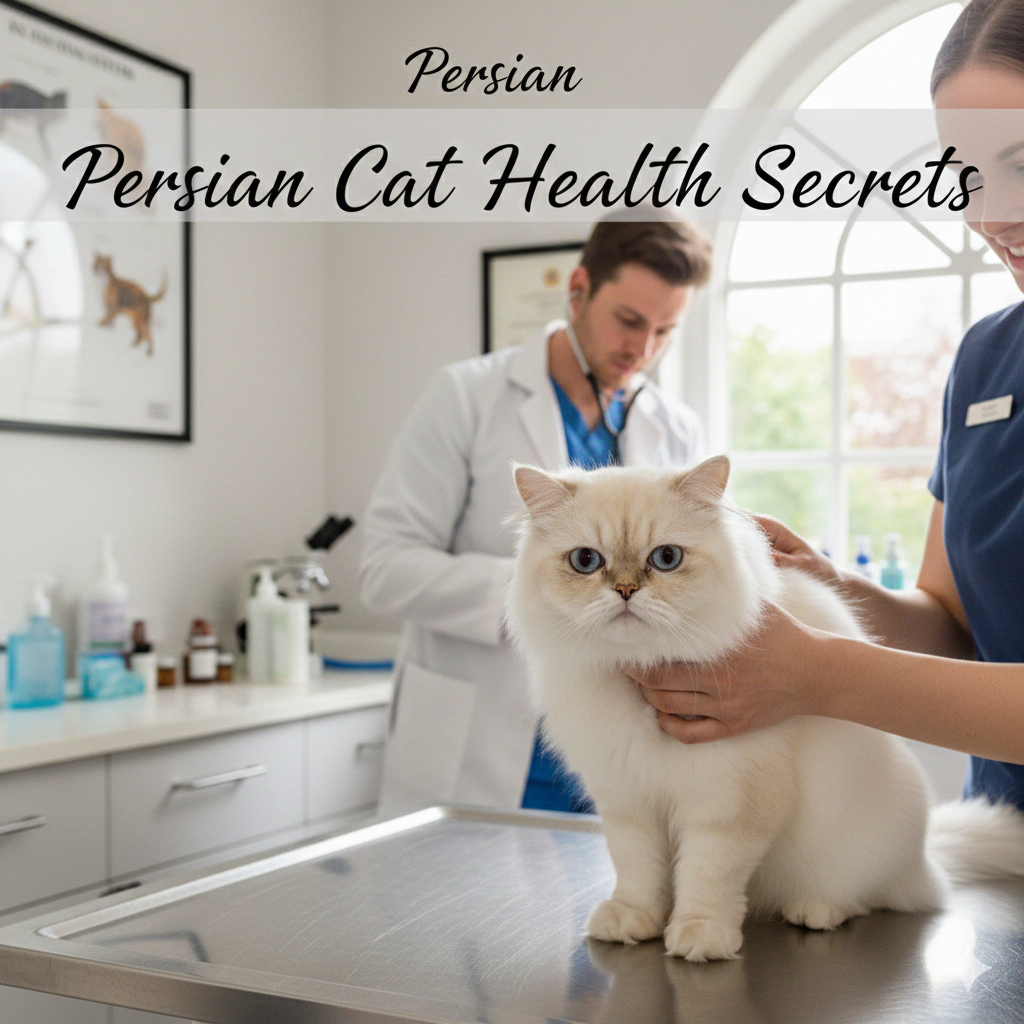
Meta Description: Uncover vital Persian cat health secrets! Avoid 5 common mistakes in 2026 to ensure your beloved feline thrives. Essential tips for optimal Persian Health.
Understanding the Unique Needs of Persian Cats
Persian cats, with their luxurious long coats, captivating eyes, and sweet dispositions, are truly a breed apart. Their distinctive features, while undeniably charming, also come with specific care requirements that owners must understand to ensure their beloved feline friends lead long, healthy lives. Prioritizing optimal Persian Health means delving into the nuances of their physical and emotional well-being.
Many common health issues in this breed stem from a lack of awareness or missteps in daily care. As we look towards 2026, it’s crucial for every Persian cat parent to be equipped with the knowledge to avoid pitfalls that could compromise their pet’s health. By addressing these key areas proactively, you can ensure your Persian not only survives but truly thrives.
Mistake #1: Neglecting Daily Grooming and Eye Care
One of the most significant challenges and often overlooked aspects of maintaining excellent Persian Health is consistent grooming. Their long, dense coats are prone to matting, and their distinctive brachycephalic (flat) faces make them susceptible to eye discharge and staining. Failure to establish a rigorous daily grooming routine is a common mistake that can lead to discomfort, skin infections, and even vision problems.
The Consequences of Insufficient Grooming
A matted coat isn’t just unsightly; it’s a serious health hazard. Mats can pull on the skin, causing pain and irritation. They create an ideal breeding ground for bacteria, leading to skin infections, hot spots, and parasitic infestations. Furthermore, severe matting can restrict movement, making it difficult for your cat to walk, play, or even groom themselves properly. This directly impacts their overall Persian Health and quality of life.
Similarly, the charming facial structure of Persian cats often leads to excessive tear production and inadequate drainage. This results in dark tear stains and crusting around the eyes. If not cleaned daily, this moisture can lead to yeast and bacterial infections, causing discomfort, itching, and potentially more serious eye conditions.
Establishing an Effective Grooming Routine
To combat these issues, a daily grooming regimen is non-negotiable. This isn’t just about aesthetics; it’s fundamental to their Persian Health. Here’s how to do it right:
- Brushing: Use a high-quality metal comb and a slicker brush. Start with the comb to untangle any small knots, then follow with the slicker brush to remove loose hair and stimulate the skin. Focus on areas prone to matting like behind the ears, under the legs, and the belly. Aim for at least 15-20 minutes daily.
- Eye Cleaning: Gently wipe around your Persian’s eyes daily using a soft, damp cloth or a specialized feline eye-cleaning wipe. Ensure you use a separate part of the cloth for each eye to prevent cross-contamination. This helps prevent tear stains and keeps the delicate eye area clean.
- Bathing: While daily brushing is key, periodic bathing (every 4-6 weeks) is also essential for maintaining a clean coat and healthy skin. Use a shampoo specifically formulated for cats, ideally one designed for long-haired breeds. Always ensure thorough rinsing to prevent skin irritation.
- Nail Trimming: Trim your Persian’s nails every 2-4 weeks to prevent overgrowth, which can lead to discomfort, ingrown nails, and damage to furniture. Introduce this early to make it a stress-free experience.
Recommended Grooming Tools for Persian Cats
Choosing the right tools can make a significant difference in the effectiveness and ease of your grooming routine. Investing in quality products can save you time and prevent unnecessary stress for your cat.
Comparison of Essential Persian Grooming Tools
| Product | Price | Pros | Cons | Best For |
|---|---|---|---|---|
| Slicker Brush (e.g., Chris Christensen Big G) | $40-60 | Excellent for detangling, removing undercoat, and fluffing the coat. Gentle on skin. | Higher price point, can be intimidating for new users if not used correctly. | Daily general grooming and severe mat prevention. |
| Metal Grooming Comb (e.g., Andis Pet Steel Comb) | $10-20 | Essential for checking for mats, working through tangles, and detailing. Durable. | Not ideal for removing loose undercoat alone; best used with a brush. | Detecting small knots and ensuring a tangle-free coat. |
| Pet Eye Wipes (e.g., Petpost Tear Stain Wipes) | $15-25 | Pre-moistened for convenience, often contains natural, gentle cleaning agents. | Some cats may not tolerate wipes near their eyes; requires consistent use. | Daily cleaning of tear stains and eye discharge. |
| Cat Nail Clippers (e.g., Safari Professional Nail Trimmer) | $8-15 | Sharp blades ensure a quick, clean cut. Ergonomic handles for user comfort. | Requires careful use to avoid cutting the quick; some cats resist. | Routine nail maintenance and preventing overgrowth. |
Mistake #2: Overlooking Dental Health as a Core Aspect of Persian Health
Just like humans, cats require proper dental care, and for Persian cats, this is even more critical. Their brachycephalic skull structure often leads to overcrowding of teeth, making them particularly prone to dental diseases. Ignoring your Persian’s oral hygiene is a grave mistake that can lead to severe pain, systemic infections, and significantly impact their overall Persian Health.
The Dangers of Poor Oral Hygiene
When plaque and tartar build up on a cat’s teeth, it leads to gingivitis, an inflammation of the gums. If left untreated, this can progress to periodontal disease, where the supporting structures of the teeth are destroyed. This condition is incredibly painful, leading to tooth loss, difficulty eating, and a decreased quality of life. The bacteria from severe dental disease can also enter the bloodstream, potentially affecting vital organs like the heart, kidneys, and liver.
Many owners believe dry food alone cleans teeth, or that dental issues are just a part of aging. This is a myth. While some dental diets can help, they are rarely sufficient on their own. Active intervention is required to maintain good oral health.
Practical Steps for Maintaining Dental Hygiene
Integrating dental care into your Persian’s routine doesn’t have to be daunting. Consistency is far more important than intensity.
- Daily Brushing: This is the gold standard for feline dental care. Use a soft-bristled toothbrush designed for cats and cat-specific toothpaste (never human toothpaste, as it contains ingredients toxic to felines). Start slowly, getting your cat used to the brush and paste, and aim for brushing several times a week, ideally daily. Even a few seconds of brushing can make a difference.
- Dental Chews and Treats: Look for dental treats and chews that have been clinically proven to reduce plaque and tartar. These often carry a Veterinary Oral Health Council (VOHC) seal of approval. Remember, these are supplements to brushing, not replacements.
- Dental Diets: Some prescription dental diets are specifically formulated with larger kibble sizes or unique fiber structures that help mechanically scrub teeth as your cat eats. Discuss these options with your veterinarian.
- Regular Veterinary Dental Check-ups: Your vet should examine your cat’s teeth during annual check-ups. They can assess the level of plaque and tartar and recommend professional dental cleanings under anesthesia when necessary. These cleanings are vital for removing build-up below the gum line.
Early intervention and a proactive approach to dental health are critical for long-term Persian Health. Don’t wait for signs of pain before addressing their teeth.
Mistake #3: Overlooking Specialized Nutritional and Hydration Needs
Proper diet and hydration are cornerstones of overall Persian Health, yet many owners make common mistakes in these areas. Persian cats have unique requirements due to their distinct facial structure and propensity for certain health conditions like hairballs and kidney issues.
The Pitfalls of Generic Diets and Inadequate Hydration
Feeding a generic cat food that isn’t formulated for long-haired breeds or their specific needs is a common error. This can lead to nutritional deficiencies, poor coat quality, and increased hairball issues. Persians are meticulous groomers, swallowing a significant amount of fur, making them highly susceptible to hairball formation. A diet not tailored to help manage this can cause blockages, vomiting, and discomfort.
Furthermore, many owners underestimate the importance of hydration. Cats, by nature, often don’t drink enough water, and this can be exacerbated in Persians. Chronic dehydration can contribute to serious kidney problems, especially as they age, impacting their Persian Health significantly.
Their flat faces can also make it challenging to eat and drink comfortably from standard bowls. Deep bowls can lead to “whisker fatigue” or make it hard for them to reach food without getting their faces messy, which can deter them from eating or drinking sufficiently.
Optimizing Your Persian’s Diet and Water Intake
Tailoring their diet and ensuring proper hydration are straightforward yet impactful ways to boost their well-being.
- High-Quality, Hairball-Control Diet: Choose a premium cat food specifically designed for long-haired breeds or those with hairball control formulas. These often contain added fiber to help hair pass through the digestive system more easily. Look for foods with high-quality protein sources as the primary ingredient.
- Wet Food Inclusion: Incorporating wet food into their diet is an excellent way to increase water intake, which is vital for kidney health. Wet food also tends to be lower in carbohydrates and higher in protein, which is generally beneficial for felines.
- Appropriate Food and Water Bowls: Opt for wide, shallow bowls made of ceramic or stainless steel. These materials are easier to clean and prevent bacterial buildup. The shallow design allows your Persian to eat and drink without discomfort or getting their face excessively dirty. Elevated bowls can also be beneficial for some cats to reduce neck strain.
- Multiple Water Sources: Place several water bowls throughout your home. Consider investing in a pet drinking fountain, as many cats are attracted to the fresh, flowing water, which encourages them to drink more. Ensure water is always fresh and clean.
- Portion Control: Persian cats can be prone to obesity if overfed. Follow feeding guidelines on your chosen food, adjust based on your cat’s activity level, and consult your vet for personalized recommendations. Obesity exacerbates other health issues and reduces overall Persian Health.
Remember that sudden dietary changes can upset a cat’s digestive system. Always transition to new foods gradually over 7-10 days.
Mistake #4: Missing Early Signs of Breed-Specific Health Conditions
Persian cats, while beautiful, are unfortunately predisposed to several genetic and breed-specific health issues due to selective breeding for their distinctive traits. A common and critical mistake is not being aware of these conditions or missing their early warning signs. Proactive monitoring and timely veterinary intervention are paramount for maintaining good Persian Health.
Understanding Inherited Health Risks
The brachycephalic (flat-faced) structure that gives Persians their endearing look can lead to Brachycephalic Airway Syndrome (BAS). This condition encompasses a range of upper airway abnormalities, including stenotic nares (narrow nostrils), an elongated soft palate, and everted laryngeal saccules. These issues can cause breathing difficulties, noisy breathing, snoring, and reduced heat tolerance, severely impacting their quality of life.
Beyond respiratory issues, Persians are genetically predisposed to other conditions:
- Polycystic Kidney Disease (PKD): An inherited disorder where cysts form in the kidneys, growing over time and eventually leading to kidney failure. It’s often silent in early stages.
- Hypertrophic Cardiomyopathy (HCM): A common heart disease in cats where the heart muscle thickens, making it harder for the heart to pump blood effectively.
- Progressive Retinal Atrophy (PRA): A degenerative eye disease that leads to blindness.
Failing to recognize the subtle early signs of these conditions can delay diagnosis and treatment, significantly worsening the prognosis and diminishing their Persian Health.
Vigilance and Proactive Care for Breed-Specific Concerns
Being an informed and attentive owner is your best defense against these challenges.
- Regular Veterinary Check-ups: Annual check-ups are vital, but for Persians, they should include thorough examinations for signs of BAS, heart murmurs (for HCM), and palpation of kidneys (for PKD). Discuss any changes in your cat’s behavior or physical condition, no matter how minor.
- Genetic Testing: If you adopted your Persian from a breeder, inquire about genetic testing for PKD, HCM, and PRA in the parent cats. Responsible breeders will screen their breeding stock to reduce the incidence of these diseases. If you’re unsure of your cat’s history, speak to your vet about testing options.
- Monitor Breathing: Pay close attention to your cat’s breathing, especially during play or in warm weather. Excessive panting, noisy breathing (snoring, snorting), or struggling for breath are emergency signs of BAS and require immediate veterinary attention. Keep them cool in hot climates.
- Observe Energy Levels and Appetite: Any significant changes in energy, appetite, litter box habits, or unusual behaviors could be indicators of underlying health issues. Early detection of PKD, for instance, often comes from routine blood tests long before clinical signs are apparent.
- Eye Health Monitoring: Beyond daily cleaning, watch for changes in eye appearance such as cloudiness, redness, discharge color changes, or squinting, which could indicate conditions like PRA or other ocular problems.
Educating yourself about these predispositions allows you to be a proactive advocate for your Persian’s Health. Early diagnosis and management can vastly improve their long-term well-being and longevity.
Mistake #5: Underestimating the Importance of Environmental Enrichment and Stress Reduction
While physical health often takes center stage, the mental and emotional well-being of a Persian cat is equally crucial for their overall Persian Health. A common mistake is providing a sterile or unstimulating environment, leading to boredom, stress, and behavioral issues that can manifest as physical ailments.
The Impact of a Suboptimal Environment
Persian cats, despite their calm demeanor, are still cats at heart and require mental and physical stimulation. An environment lacking enrichment can lead to:
- Boredom and Lethargy: A bored cat may become withdrawn, overeat, or develop destructive behaviors.
- Stress and Anxiety: Lack of appropriate outlets can cause stress, leading to problems like inappropriate urination/defecation, excessive grooming (leading to skin lesions or hair loss), or aggression.
- Obesity: Lack of activity combined with overeating due to boredom is a recipe for obesity, which exacerbates joint problems, diabetes, and heart disease.
- Poor Litter Box Habits: Stress, an unclean litter box, or an unsuitable type of litter can cause your Persian to avoid their designated potty area, creating hygiene issues and stress for both cat and owner.
These issues, while seemingly behavioral, significantly impact their physical and mental Persian Health.
Creating an Enriching and Stress-Free Environment
Ensuring your Persian cat has a stimulating and secure environment is key to their happiness and health.
- Interactive Play: Dedicate at least 15-30 minutes daily to interactive play with toys that mimic prey, such as wand toys, laser pointers (used carefully to avoid frustration), and puzzle feeders. This satisfies their hunting instincts and provides essential exercise.
- Vertical Space: Cats love to climb and observe from high vantage points. Provide cat trees, shelves, or perches where your Persian can feel safe and survey their domain. This adds variety to their environment.
- Scratching Posts and Pads: Offer a variety of scratching surfaces (cardboard, sisal, carpet) in both vertical and horizontal orientations. This allows them to stretch, mark territory, and maintain claw health, reducing stress and preventing destructive scratching on furniture.
- Window Perches: A window perch allows your indoor Persian to watch the world outside, providing endless entertainment and mental stimulation. Ensure it’s a safe and secure spot.
- Clean and Accessible Litter Boxes: Provide at least one litter box per cat, plus one extra, placed in quiet, private, and easily accessible locations. Scoop litter daily and perform a full litter change and box cleaning weekly. Use a litter type your cat prefers. A dirty litter box is a major source of stress and can lead to avoidance.
- Routine and Predictability: Cats thrive on routine. Try to maintain consistent feeding times, play times, and grooming schedules. Predictability reduces anxiety and fosters a sense of security.
- Safe Retreats: Ensure your Persian has quiet, secluded spots where they can retreat and feel safe if they feel overwhelmed or need alone time. This could be a cozy bed, a cat cave, or a spot under furniture.
A stimulating and calm environment is a crucial, often underestimated, component of comprehensive Persian Health management.
Ensuring a Bright Future for Your Persian Companion
The journey of caring for a Persian cat is filled with joy, but it also requires diligence and a deep understanding of their unique needs. By avoiding these five common mistakes – neglecting grooming, overlooking dental health, failing to meet specific nutritional needs, missing early signs of breed-specific conditions, and underestimating environmental enrichment – you are setting the stage for a long, vibrant life for your beloved feline. Proactive care, consistent routines, and keen observation are your most powerful tools in championing their Persian Health.
Commit to regular veterinary check-ups, maintain a vigilant eye on their habits and health, and always seek professional advice when in doubt. Your Persian relies on you to be their advocate. By dedicating yourself to these practices, you’re not just preventing problems; you’re actively promoting a lifetime of purrs, comfort, and companionship.
Want to delve deeper into specific Persian health topics or need personalized advice? Reach out to your trusted veterinarian today to ensure your furry friend receives the best possible care.
Frequently Asked Questions (FAQ)
What specific food bowls are best for Persian cats?
For Persian cats, wide, shallow bowls made of ceramic or stainless steel are highly recommended. Their flat faces make it difficult to eat from deep bowls without getting their faces messy or experiencing whisker fatigue. Elevated bowls can also aid digestion and comfort.
How often should I bathe my Persian cat?
While daily brushing is essential, a full bath every 4-6 weeks is generally recommended for Persian cats. This helps to keep their long coats clean, prevent oil buildup, and manage shedding. Always use a cat-specific shampoo and rinse thoroughly.
Are Persian cats prone to any specific eye problems?
Yes, due to their brachycephalic facial structure, Persian cats are prone to excessive tearing and tear staining. Beyond this, they can be predisposed to conditions like Progressive Retinal Atrophy (PRA) and entropion (inward rolling of the eyelid), making regular eye cleaning and vet check-ups crucial.
How can I tell if my Persian cat has breathing difficulties?
Signs of breathing difficulties in Persian cats, often related to Brachycephalic Airway Syndrome (BAS), include noisy breathing (snorting, snoring), open-mouth breathing, excessive panting (especially in warm weather or after exertion), and exercise intolerance. If you notice any of these symptoms, seek immediate veterinary attention.
Is it necessary to brush my Persian cat’s teeth?
Absolutely. Due to their crowded teeth, Persians are highly susceptible to dental disease. Daily or at least several times a week brushing with a cat-specific toothbrush and toothpaste is the most effective way to prevent plaque and tartar buildup. Regular veterinary dental check-ups are also vital.
Leave a Reply