

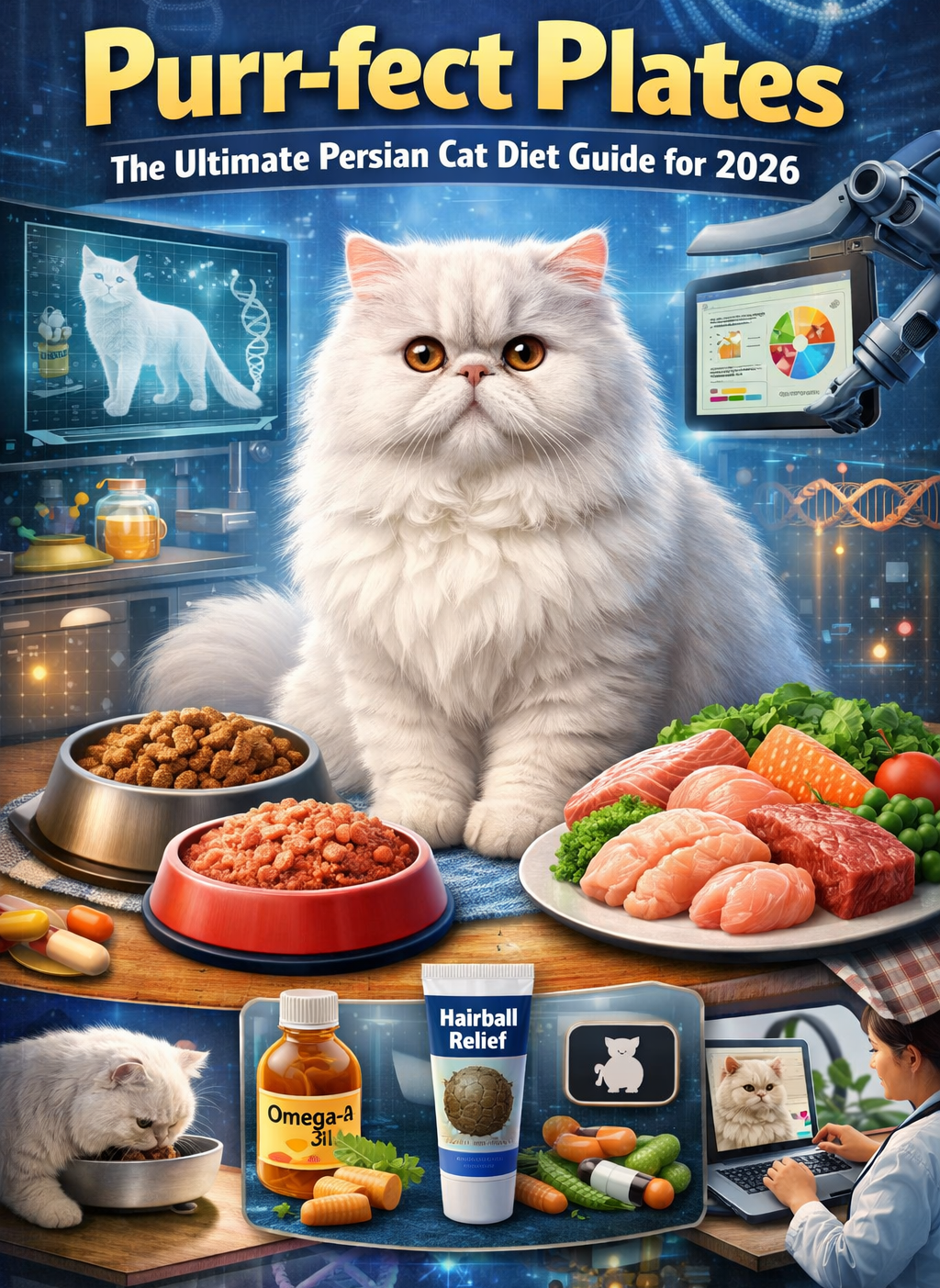
Unlock the secrets to a healthy Persian cat diet in 2026. Discover expert tips, food comparisons, and essential nutrition for your beloved feline’s well-being.
Understanding the Unique Nutritional Needs of Persian Cats
Persian cats are renowned for their majestic appearance, luxurious long coats, and gentle demeanor. But beneath their fluffy exterior lies a unique set of dietary requirements that, when met, contribute significantly to their overall health and longevity. Crafting the perfect Persian diet is not a one-size-fits-all endeavor; it requires a deep understanding of their specific physiology and potential breed-specific challenges.
One of the most distinguishing features of Persian cats is their brachycephalic (flat-faced) skull structure. This can sometimes lead to difficulties in picking up certain types of kibble, making the texture and shape of their food a crucial consideration. Beyond this, their long, dense coat demands a diet rich in specific nutrients to maintain its luster and prevent excessive shedding and matting.
A well-formulated Persian diet should support their often less active lifestyle compared to more energetic breeds. This means carefully balancing caloric intake to prevent obesity, which can exacerbate existing health issues and lead to new ones. Proper nutrition is the cornerstone of their well-being, influencing everything from their energy levels to their immune system.
Key Components of an Optimal Persian Diet
Building an optimal Persian diet involves focusing on several core nutritional components. These elements work synergistically to provide your cat with the energy, vitality, and specific support they need for their breed characteristics. It’s about more than just filling their bowl; it’s about providing a balanced and complete meal.
High-Quality Protein Sources
Protein is paramount for all cats, but especially for Persians, whose dense muscle mass and continuous hair growth demand a steady supply. Look for animal-based proteins as the first ingredient in any cat food. Chicken, turkey, salmon, lamb, and beef are excellent choices. These provide essential amino acids vital for muscle maintenance, coat health, and overall bodily function.
Plant-based proteins are not sufficiently bioavailable for cats and should not be the primary protein source. Aim for foods with at least 30-40% crude protein to ensure your Persian receives adequate amounts. The quality of the protein directly impacts its digestibility and absorption.
Essential Fatty Acids for Coat and Skin
The luxurious coat of a Persian cat is a hallmark of the breed, and maintaining its health is heavily reliant on dietary fats. Omega-3 and Omega-6 fatty acids are crucial for healthy skin, a shiny coat, and reducing inflammation. These are often found in fish oils (like salmon oil), flaxseed oil, and certain animal fats.
A diet rich in these fatty acids can significantly reduce dry, flaky skin, minimize shedding, and keep their fur soft and manageable. Many premium cat foods designed for long-haired breeds will fortify their formulas with these beneficial fats. Ensuring the correct ratio of Omega-3 to Omega-6 is also important for optimal health benefits.
Carbohydrates and Fiber for Digestion and Energy
While cats are obligate carnivores, a small amount of digestible carbohydrates can provide energy and dietary fiber. Good sources include sweet potatoes, peas, and rice. Avoid excessive fillers like corn or soy, which offer little nutritional value and can sometimes trigger sensitivities.
Fiber is essential for digestive health, helping to prevent hairballs, a common issue in long-haired cats. Ingredients like psyllium husk or beet pulp can aid in regular bowel movements and hairball management. However, the carbohydrate content should remain relatively low, typically under 10% for a truly carnivorous diet.
Vitamins, Minerals, and Taurine
A complete and balanced Persian diet must include a spectrum of vitamins and minerals. These micronutrients support everything from bone health and immune function to vision and energy metabolism. Calcium, phosphorus, Vitamin A, Vitamin D, and B vitamins are particularly important.
Taurine is an essential amino acid that cats cannot synthesize themselves and must obtain from their diet. It is vital for heart health and vision. Deficiency can lead to serious health problems. Ensure any chosen cat food explicitly states it contains adequate taurine.
Choosing the Right Food: Wet, Dry, or Raw?
Deciding between wet, dry, or raw food can be one of the most challenging aspects of optimizing your Persian’s diet. Each option has its unique benefits and drawbacks, and the best choice often depends on your cat’s individual preferences, health needs, and your lifestyle. A well-rounded Persian diet might even incorporate a mix of these.
Dry Kibble: Convenience and Dental Health
Dry kibble is often the most convenient and cost-effective option. Its crunchy texture can help reduce plaque and tartar buildup, contributing to dental hygiene. Many high-quality dry foods are specifically formulated for Persian cats, featuring unique kibble shapes designed for their brachycephalic jaws, making it easier for them to pick up and chew.
However, dry kibble is typically lower in moisture content, meaning you must ensure your cat has constant access to fresh water. Some cats may also find it less palatable than wet food. Always choose a premium dry food with high-quality protein sources and limited fillers.
Wet Food: Hydration and Palatability
Wet food is an excellent source of hydration, which is vital for cats, especially those prone to urinary tract issues. Its high moisture content mirrors a cat’s natural prey diet. Wet food is often highly palatable, making it a good choice for picky eaters or cats with dental problems that make chewing kibble difficult.
The downside can be the cost, and once opened, wet food has a shorter shelf life. It also offers less benefit for dental health compared to kibble. Many owners opt for a mixed feeding approach, offering wet food once or twice a day alongside dry kibble.
Raw Food (BARF Diet): A Natural Approach
The Biologically Appropriate Raw Food (BARF) diet aims to mimic a cat’s ancestral diet, consisting of raw meat, bones, and organs. Proponents claim benefits such as improved digestion, shinier coats, increased energy, and better weight management. It offers the most direct way to control ingredients and avoid fillers.
However, a raw Persian diet requires careful preparation to ensure it is nutritionally complete and free from harmful bacteria. It is essential to consult with a veterinary nutritionist before transitioning to a raw diet to avoid deficiencies or imbalances. Handling raw meat also requires strict hygiene practices to prevent bacterial contamination.
Comparison of Popular Cat Food Types for Persian Diet
Commercial Options and Specialized Formulas
Beyond the general categories, many commercial cat food brands offer specialized formulas tailored for specific breeds or life stages. For Persian cats, you might find formulas marketed for “long-haired breeds,” “indoor cats,” or “sensitive stomachs.” These often feature enhanced levels of Omega fatty acids, specific fiber blends for hairball control, and carefully designed kibble shapes.
When evaluating commercial foods, always read the ingredient list carefully. The first few ingredients should be identifiable animal proteins. Avoid foods with artificial colors, flavors, or preservatives. Look for brands that conduct feeding trials and meet AAFCO (Association of American Feed Control Officials) nutritional guidelines.
Navigating Common Dietary Challenges and Solutions
Even with the best intentions, Persian cat owners might encounter several dietary challenges unique to the breed. Proactive understanding and appropriate solutions can keep your furry friend healthy and happy. The goal is to ensure their Persian diet consistently meets their needs.
Hairball Management
Persians are prone to hairballs due to their long, dense coats and diligent self-grooming. Swallowed hair can accumulate in the digestive tract, leading to vomiting, constipation, or even intestinal blockages. Diet plays a significant role in managing this.
Solutions include:
– Foods rich in fiber: Look for formulas with added fiber sources like psyllium husk, beet pulp, or special “hairball control” diets.
– Omega fatty acids: These promote healthy skin and coat, reducing excessive shedding in the first place.
– Regular grooming: Daily brushing can remove loose hair before your cat ingests it.
– Hairball remedies: Petroleum-based gels can help lubricate the digestive tract, allowing hair to pass more easily.
Brachycephalic Eating Challenges
Their distinctive flat faces can make eating certain kibble shapes difficult for Persian cats. They may struggle to pick up small, round pieces, leading to frustration or messy eating. This directly impacts their enjoyment of their Persian diet.
Solutions include:
– Specially designed kibble: Many brands offer kibble specifically shaped for brachycephalic breeds, often larger and crescent-shaped, making it easier to grasp.
– Wet food: The soft texture of wet food is much easier for Persians to consume, often preferred by those with significant facial structure challenges.
– Elevated bowls: Some cats find it more comfortable to eat from elevated dishes, reducing strain on their neck and face.
– Slow feeders: While not directly addressing the shape issue, a slow feeder can help if your Persian eats too quickly and then regurgitates.
Obesity Prevention and Management
Persian cats are often less active than other breeds, making them more susceptible to weight gain. Obesity can lead to a host of health problems, including diabetes, arthritis, and heart disease. A carefully monitored Persian diet is key.
Solutions include:
– Portion control: Follow feeding guidelines based on your cat’s ideal weight, not their current weight. Use measuring cups precisely.
– High-protein, moderate-fat diet: Protein helps maintain muscle mass and promotes satiety, while controlled fat intake manages calories.
– Increased activity: Encourage play with toys, laser pointers, or interactive feeders to boost energy expenditure.
– Regular vet check-ups: Your veterinarian can help assess your cat’s body condition score and recommend a tailored weight management plan.
Food Sensitivities and Allergies
Like any breed, Persians can develop food sensitivities or allergies, often manifesting as digestive upset (vomiting, diarrhea), skin issues (itching, redness), or respiratory symptoms. Identifying the culprit can be tricky.
Solutions include:
– Limited ingredient diets (LID): These diets contain a single source of protein and carbohydrate, making it easier to pinpoint allergens.
– Novel proteins: If common proteins like chicken or beef are suspected, switching to a novel protein (e.g., duck, venison, rabbit) can help.
– Veterinary consultation: A vet can guide you through an elimination diet, a structured process to identify food allergens.
– Probiotics: These can support gut health, which is often compromised in cats with food sensitivities.
Supplementation and Hydration for a Healthy Persian
While a complete and balanced commercial cat food should provide most essential nutrients, certain supplements and diligent hydration can further enhance your Persian cat’s health, particularly given their unique characteristics. A holistic approach to the Persian diet includes these considerations.
Hydration: The Unsung Hero
Cats naturally have a low thirst drive, often getting most of their water from their prey in the wild. Domesticated cats eating primarily dry kibble can become chronically dehydrated, leading to urinary tract issues and kidney problems. Ensuring adequate water intake is paramount for every Persian diet.
Tips for encouraging hydration:
– Fresh, clean water: Always provide multiple bowls of fresh water in different locations.
– Water fountains: Many cats prefer moving water, which water fountains provide.
– Wet food: Incorporating wet food into their diet significantly boosts water intake.
– Flavor enhancers: Some cat-safe broths or specialized water additives can entice picky drinkers.
Beneficial Supplements
While not always necessary, certain supplements can target specific needs or health concerns in Persian cats. Always consult your veterinarian before introducing any new supplements to avoid overdosing or creating imbalances.
Omega Fatty Acid Supplements
Even if their food contains Omega-3s and 6s, some Persians, especially those with very dry skin or dull coats, may benefit from additional supplementation. Fish oil (like salmon or sardine oil) is a popular choice. These oils also possess anti-inflammatory properties, which can benefit overall joint and skin health. Liquid forms are often easy to add to wet food.
Hairball Control Supplements
Beyond dietary fiber, specific supplements designed to aid hairball passage can be useful. These often contain mild lubricants or enzymes that help hair move through the digestive system more smoothly. Products based on psyllium husk or natural oils are common.
Probiotics
For cats with sensitive stomachs, digestive upset, or those recovering from antibiotic treatment, probiotics can help restore a healthy balance of gut bacteria. A healthy gut contributes to better nutrient absorption and a stronger immune system, optimizing the Persian diet.
Joint Supplements
As Persians age, some may develop joint issues. Glucosamine and chondroitin supplements can support joint health and mobility. These are often found in formulas specifically designed for senior cats or those with orthopedic concerns.
Future Trends in Persian Cat Nutrition (2026 Focus)
The field of pet nutrition is constantly evolving, with new research and technological advancements shaping how we feed our beloved companions. Looking ahead to 2026, several trends are poised to influence the Persian diet, offering new avenues for optimal health.
Personalized Nutrition Plans
One of the most exciting trends is the move towards highly personalized nutrition. This involves analyzing a cat’s individual genetic makeup, activity level, existing health conditions, and even microbiome data to create a bespoke diet. Imagine a cat food tailored precisely to your Persian’s unique metabolic needs, designed to prevent specific breed-related health issues before they arise. DNA testing kits for pets are becoming more accessible, paving the way for truly individualized feeding strategies.
Sustainable and Ethical Sourcing
Consumer demand for ethically sourced and sustainable pet food ingredients is growing. By 2026, expect to see more novel protein sources like insect protein, lab-grown meat, and plant-based options (though less suitable for obligate carnivores, advancements may make certain plant compounds more bioavailable). Brands will increasingly emphasize transparency in their supply chains, focusing on environmental impact and animal welfare.
Microbiome Health Focus
The importance of the feline gut microbiome for overall health, immunity, and even mood is gaining significant attention. Future Persian diet formulations will likely incorporate more prebiotics, probiotics, and postbiotics designed to foster a robust and diverse gut flora. This goes beyond just addressing digestive issues; it aims to optimize the entire physiological system. Advanced fecal testing may become standard to monitor and adjust microbiome health proactively.
Telemedicine and AI-Powered Dietary Advice
The integration of technology, particularly AI and telemedicine, will play a larger role in dietary consultations. Owners will have easier access to veterinary nutritionists through online platforms, receiving data-driven advice. AI tools could analyze a cat’s health records, activity data from wearables, and dietary input to provide real-time recommendations and alerts, ensuring a continuously optimized Persian diet.
Functional Ingredients and Nutraceuticals
Beyond basic vitamins and minerals, functional ingredients with specific health benefits will become more prominent. These “nutraceuticals” might include specialized antioxidants for anti-aging, targeted botanicals for stress reduction, or unique compounds to support cognitive function. The focus will be on preventive health and enhancing quality of life through diet.
Enhanced Food Safety Protocols
With the rise of raw and home-prepared diets, alongside general food safety concerns, expect stricter regulations and advanced testing protocols for pet food. Technologies like advanced pathogen detection and blockchain tracking of ingredients will become more widespread, providing greater assurance of food safety and quality for all types of Persian diet options.
This evolving landscape means that keeping abreast of the latest research and consulting with veterinary professionals will be more important than ever for ensuring your Persian cat thrives on a diet perfectly suited to their needs.
Frequently Asked Questions (FAQ)
How often should I feed my Persian cat?
Adult Persian cats typically do best with two meals a day, spaced evenly. Kittens and senior cats might require more frequent, smaller meals. Always follow the feeding guidelines on your chosen food and adjust based on your cat’s activity level and body condition.
Can Persian cats drink milk?
Most adult cats are lactose intolerant and drinking milk can cause digestive upset like diarrhea. While a small amount might not be harmful for some, it’s best to avoid giving milk to your Persian cat. Fresh water is always the best and only necessary beverage.
What foods are toxic to Persian cats?
Several human foods are toxic to cats, including chocolate, onions, garlic, grapes, raisins, avocado, alcohol, and caffeine. Cooked bones can splinter and cause internal damage. Always keep these items out of your cat’s reach and consult your vet immediately if you suspect your cat has ingested something toxic.
Is a grain-free Persian diet necessary?
Grain-free diets are not inherently superior for all cats. Unless your Persian has a diagnosed grain allergy or sensitivity, grains can provide digestible carbohydrates and fiber. The focus should be on high-quality ingredients and a balanced nutritional profile, rather than simply avoiding grains.
How do I switch my Persian cat to a new food?
Transition your cat to new food gradually over 7-10 days. Start by mixing a small amount of the new food with their old food, slowly increasing the proportion of the new food each day while decreasing the old. This helps prevent digestive upset.
References and Further Reading
- AAFCO (Association of American Feed Control Officials)
- Cornell Feline Health Center
- WSAVA (World Small Animal Veterinary Association) Nutrition Guidelines
- Mercola Healthy Pets: Raw Food Diet for Cats
Ensuring your Persian cat receives the ultimate diet is one of the most significant ways to demonstrate your love and commitment. By understanding their unique needs, making informed food choices, and staying ahead of nutritional trends, you can provide them with a life full of health and vitality. Their purrs and luxurious coat will be a testament to your efforts. For personalized dietary advice or to explore more advanced nutrition topics, please feel free to contact our expert team.
Leave a Reply