

Meta Description: Unlock the secrets to impeccable Persian grooming in 2026. Discover expert tips for maintaining your Persian cat’s luxurious coat, from daily brushing to bathing techniques and health checks.
The Foundation: Understanding Your Persian’s Unique Coat
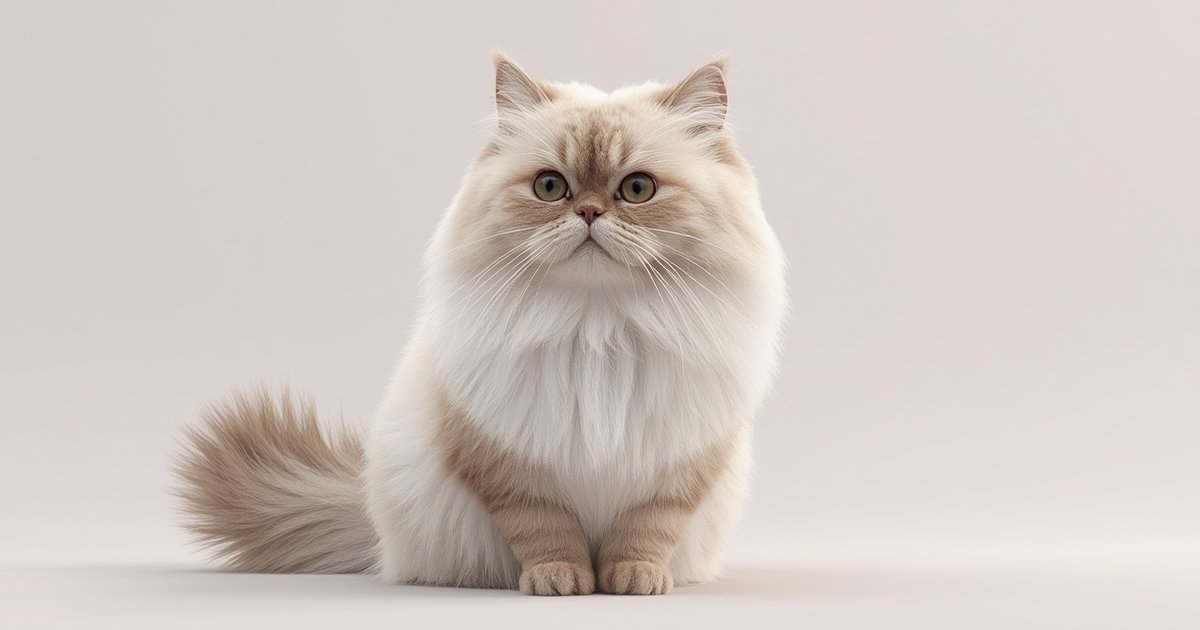
The captivating beauty of a Persian cat is undeniably its magnificent, flowing coat. This luxurious feature, while stunning, also demands a significant commitment to Persian grooming. Without consistent and proper care, this dense double coat can quickly become matted, leading to discomfort, skin issues, and even health problems for your beloved feline companion. Understanding the unique characteristics of their fur is the first step toward mastering the art of Persian grooming and ensuring your cat remains healthy and happy.
Persian cats possess a long, thick double coat comprising a soft undercoat and longer guard hairs. This combination provides excellent insulation but is also a magnet for tangles, dirt, and loose fur. Their brachycephalic (flat) faces also contribute to specific grooming needs, particularly around their eyes. Regular, diligent Persian grooming isn’t just about aesthetics; it’s a vital part of their overall well-being, preventing painful mats and allowing you to check for any underlying skin conditions or parasites.
Identifying Your Persian’s Coat Type
Not all Persian coats are identical, though they share common characteristics. Some have extremely fine, cotton-like fur, which is prone to matting more quickly. Others might have a slightly coarser texture that, while still requiring attention, might be less inclined to form dense knots. Observe your cat’s fur closely to understand its particular tendencies.
– Fine, silky coats: These are often the most challenging, as individual hairs tangle easily and can form mats quickly, especially behind the ears, under the legs, and around the ruff.
– Denser, coarser coats: While still requiring daily attention, these might offer a bit more resistance to immediate matting. However, they can still trap more debris and shed heavily.
Regardless of the subtle variations, the core principles of Persian grooming remain the same: consistency and the right tools are paramount. Starting a grooming routine early in your cat’s life can help them acclimate and even enjoy the process, making it a bonding experience rather than a struggle.
Daily Rituals: The Core of Effective Persian Grooming
Consistency is truly the secret weapon in effective Persian grooming. A daily routine, even a short one, can prevent most grooming nightmares and keep your cat’s coat in pristine condition. Skipping even a couple of days can lead to a snowball effect where small tangles turn into large, painful mats that are difficult and stressful to remove. Establishing a calm and positive environment for these daily sessions is crucial for both you and your cat.
The Essential Daily Brushing Routine
Brushing should be a gentle, thorough process. Aim for at least 15-20 minutes daily, ideally when your cat is relaxed. Using the correct tools is non-negotiable for proper Persian grooming.
– Steel Comb: A good quality, wide-toothed steel comb is your primary tool. It helps to work through superficial tangles and ensures you reach the undercoat.
– Slicker Brush: This brush helps remove loose hair from the undercoat and adds volume and shine to the topcoat. Use it gently to avoid skin irritation.
– Pin Brush: Useful for longer fur, helping to detangle and smooth without pulling.
Begin by gently combing through the entire coat, section by section. Always work from the tips of the hair, gradually moving closer to the skin. Pay special attention to areas prone to matting: behind the ears, under the chin, in the “armpits,” on the belly, and around the tail. If you encounter a tangle, do not pull. Instead, gently tease it apart with your fingers or the wide-toothed comb. For stubborn mats, special detangling sprays can sometimes help, but extreme caution is advised. Remember, patient and consistent Persian grooming prevents these issues.
Dealing with Tangles and Mats
Despite best efforts, tangles can sometimes form. Prompt action is key to prevent them from becoming severe mats.
– Small Tangles: Gently work these out with a wide-toothed comb, holding the hair closer to the skin to minimize pulling. A small amount of cornstarch can sometimes help loosen stubborn knots.
– Medium Mats: If a mat is too tight to comb out, it might need to be carefully clipped out. This should ideally be done by a professional groomer or a vet, as cat skin is very thin and easily cut. Never use scissors near the skin unless you are absolutely confident and have appropriate grooming shears with blunt tips.
– Severe Mats: Large, tight mats can be very painful and may require professional intervention, sometimes even sedation, for safe removal. Prevention through diligent Persian grooming is always the best approach.
Bathing Your Royal Highness: Techniques and Tools
While daily brushing keeps their coat neat, occasional bathing is an integral part of comprehensive Persian grooming, especially for showing or when their coat becomes noticeably greasy or dirty. Persian cats typically need a bath every 4-6 weeks, or more frequently if their coat oils build up quickly. The key is to make it a calm, positive experience rather than a struggle.
Preparing for the Bath
Preparation is crucial for a stress-free bath. Ensure you have all your supplies ready before you even bring your cat to the bathing area.
– Pre-Bath Brushing: Thoroughly brush your cat before bathing to remove any loose fur and small tangles. Water will only tighten mats, making them impossible to remove once wet. This pre-bath Persian grooming step is vital.
– Gathering Supplies:
– Two towels (one for immediate drying, one for wrapping)
– Non-slip mat for the tub or sink
– Cat-specific shampoo and conditioner (hypoallergenic, tearless formulas are best)
– Washcloth for the face
– Cotton balls for ears
– A pitcher or cup for rinsing
– Grooming apron for yourself
The Bathing Process
Keep the water temperature lukewarm, not hot. Speak in soothing tones throughout the process.
1. Wetting the Coat: Gently wet your cat’s coat, starting from the neck down, avoiding the face. A handheld shower sprayer on a low setting is ideal, but a pitcher can also work. Ensure the coat is thoroughly saturated down to the skin.
2. Shampooing: Apply a small amount of cat-specific shampoo, working it into a lather. Concentrate on areas that get dirtiest, like the belly, legs, and tail. Massage gently, being careful not to tangle the fur.
3. Rinsing: This is the most important part. Rinse thoroughly until all traces of shampoo are gone. Any residue can irritate the skin and make the coat greasy. Rinse several times, ensuring water runs clear.
4. Conditioning: Apply a cat-specific conditioner, focusing on the ends of the fur and matted-prone areas. Let it sit for a few minutes as per product instructions, then rinse even more thoroughly than the shampoo.
5. Drying: Immediately after rinsing, gently squeeze excess water from the coat. Wrap your cat in a clean towel and pat dry. Avoid vigorous rubbing, which can cause tangles. Many Persian owners use a low-heat pet dryer (specifically designed for animals to avoid skin burns). Keep the dryer moving constantly and brush gently as you dry to prevent mats and fluff the coat. Finish with a final comb-through once the coat is completely dry.
Beyond the Brush: Eyes, Ears, Nails, and Teeth Care
Comprehensive Persian grooming extends far beyond just coat care. Their distinctive facial structure and long fur necessitate specific attention to their eyes, ears, nails, and dental hygiene. Neglecting these areas can lead to infections, discomfort, and serious health problems for your cat.
Eye Care for Brachycephalic Breeds
Persian cats’ large, often watery eyes are prone to tear staining. This is due to their flattened faces, which can cause tear ducts to be blocked or overflow. Regular cleaning is vital.
– Daily Wiping: Use a soft, damp cloth or a specialized eye wipe for cats to gently clean around the eyes daily. Always wipe away from the eye, starting from the inner corner outwards.
– Stain Removal: For stubborn tear stains, consult your vet about safe, cat-specific tear stain removers. Never use human eye drops or harsh chemicals.
– Monitoring: Watch for any signs of irritation, redness, excessive discharge, or squinting, which could indicate an infection and require veterinary attention.
Ear Cleaning
Long-haired cats, especially those with thicker fur around the ears, can be prone to ear wax buildup.
– Weekly Check: Gently fold back your cat’s ear flap and inspect the inner ear for dirt, wax, or any unusual odor.
– Gentle Cleaning: If necessary, use a veterinarian-recommended ear cleaner and a cotton ball (never a cotton swab) to gently wipe the visible parts of the ear. Do not insert anything into the ear canal.
– Signs of Infection: Excessive scratching, head shaking, redness, swelling, or a foul odor are signs of an ear infection and warrant a vet visit.
Nail Trimming
Regular nail trims prevent ingrown claws, snagging, and damage to furniture.
– Frequency: Typically every 2-4 weeks.
– Technique: Use sharp, cat-specific nail clippers. Gently press on the paw pad to extend the nail. Only clip the clear tip, avoiding the pink “quick” which contains blood vessels and nerves. If you accidentally cut the quick, apply styptic powder to stop the bleeding.
– Acclimation: Start nail trims early and make it a positive experience with treats and praise.
Dental Hygiene
Oral health is often overlooked but is crucial for overall well-being.
– Daily Brushing: Ideally, brush your cat’s teeth daily using a cat-specific toothbrush and toothpaste. Never use human toothpaste.
– Dental Treats and Toys: While not a substitute for brushing, dental treats and toys can help reduce plaque buildup.
– Regular Vet Checks: Annual dental check-ups with your veterinarian are essential for professional cleaning and to address any underlying issues.
Dealing with Common Grooming Challenges
Even with the most diligent Persian grooming routine, challenges can arise. It’s important to approach these issues with patience, understanding, and the right techniques to ensure your cat’s comfort and well-being. Knowing how to troubleshoot common problems can save a lot of stress for both you and your feline.
Matting and Undercoat Control
Matting is the nemesis of every Persian owner. It often stems from an uncontrolled undercoat, especially during shedding seasons.
– Seasonal Shedding: Persian cats shed more heavily in spring and autumn. During these times, increase your brushing frequency and intensity. A de-shedding tool can be beneficial, but use it sparingly and gently to avoid skin irritation.
– “Sanitary Clip”: For some cats, especially those prone to matting around their hindquarters, a “sanitary clip” (trimming the fur around the anus and genitals) can be a practical solution. This helps prevent fecal matter from getting caught in the fur and reduces matting in that area. This can often be done by a professional groomer.
– Professional Help: If mats become too severe or your cat is uncooperative, do not hesitate to seek professional grooming services. They have the experience and tools to safely remove mats without causing stress or injury to your cat.
Skin Irritations and Hot Spots
Beneath that dense fur, skin problems can sometimes go unnoticed. Mats can pull on the skin, causing irritation, and moisture trapped in thick fur can lead to hot spots.
– Regular Skin Checks: During your daily Persian grooming sessions, part the fur and visually inspect the skin for redness, flakes, bumps, or any signs of irritation.
– Gentle Products: Always use high-quality, cat-specific, hypoallergenic shampoos and conditioners to minimize the risk of skin reactions.
– Veterinary Consultation: If you notice any persistent skin issues, excessive scratching, or open sores, consult your veterinarian promptly. These could indicate allergies, parasites, or infections that require medical treatment.
Making Grooming a Positive Experience
Some cats naturally resist grooming. Turning it into a positive experience is key to a harmonious relationship.
– Start Early: Introduce grooming tools and routines when your Persian is a kitten.
– Short Sessions: Keep grooming sessions brief initially, gradually increasing their length as your cat tolerates it.
– Positive Reinforcement: Reward good behavior with treats, praise, and gentle petting after each session.
– Calm Environment: Choose a quiet time and place for grooming. Speak in soft, reassuring tones.
– Patience: Never force grooming. If your cat becomes agitated, take a break and try again later. Forcing the issue can create a negative association with grooming.
– Professional Assistance: If your cat is extremely aggressive or stressed during grooming, a professional groomer may be able to help, or your vet might suggest mild sedatives for essential procedures.
Future-Proofing Your Persian’s Beauty: Innovations for 2026
As we look towards 2026, the world of pet care, including Persian grooming, continues to evolve with exciting new technologies and products designed to make the process more efficient, effective, and enjoyable for both cats and their owners. Staying informed about these innovations can help you maintain your Persian’s royal mane with greater ease and precision.
One of the most significant advancements is in smart grooming tools. These gadgets leverage technology to provide more tailored and gentle care, addressing common grooming challenges with intelligence. From brushes that track shedding patterns to low-noise dryers designed to minimize feline anxiety, the future of Persian grooming is becoming more connected and cat-centric.
Advanced Grooming Tools and Technologies
The market is seeing an influx of devices that promise a better grooming experience. Here are a few categories of innovative tools that are becoming more prevalent and are likely to refine Persian grooming further by 2026.
– Smart Brushes: Some brushes now incorporate sensors to detect coat density and pressure, helping to prevent over-brushing or skin irritation. Others feature self-cleaning mechanisms or even integrated vacuums to minimize loose fur dispersion.
– Low-Noise Dryers: Traditional human hair dryers are often too loud and hot for cats. Pet-specific low-noise dryers with multiple heat settings and ion technology are becoming standard, reducing stress and leaving coats smoother.
– Automated Grooming Stations: While still emerging, the concept of semi-automated grooming pods that can provide gentle air-drying and light brushing is gaining traction, though these are likely more for professional settings initially.
– Nutritional Supplements: Beyond topical treatments, advances in feline nutrition offer supplements specifically designed to promote healthy skin and coat from within, reducing shedding and improving fur quality.
Comparison of Innovative Persian Grooming Aids
| Product | Price | Pros | Cons | Best For |
|---|---|---|---|---|
| Smart De-Shedding Brush Pro | $89 | Features adjustable bristle length, integrated fur collection, and a silent motor. Tracks shedding patterns via app. | Requires battery charging, higher initial cost than traditional brushes. | Owners seeking data-driven insights into shedding and minimal mess. |
| QuietDry Pet Dryer 2000 | $199 | Ultra-quiet operation (under 60dB), multiple heat settings with ion technology for shine. Reduces drying time significantly. | Bulkier than handheld human dryers, can be a significant investment. | Cats sensitive to noise, professional groomers, or home users who bathe frequently. |
| Mane Magic Detangling Spray+ | $25 | Advanced silicone-free formula instantly loosens mats and prevents future tangles. Enriched with coat-nourishing vitamins. | Can leave a slight residue if overused, requires thorough rinsing. | Pre-brushing treatment for stubborn mats and daily tangle prevention. |
These innovative tools, when combined with your consistent efforts, can elevate your Persian grooming routine, ensuring your cat not only looks magnificent but also enjoys the process more. Keeping an eye on developments in pet care technology will ensure you’re always providing the best for your regal companion.
Mastering the art of Persian grooming is a commitment, but one that is incredibly rewarding. From daily brushing to specialized eye care and the judicious use of bathing techniques, every step contributes to your cat’s health, comfort, and magnificent appearance. Embracing new tools and technologies, while never losing sight of patience and positive reinforcement, will ensure your Persian continues to sport a truly royal mane for years to come. Remember, a well-groomed cat is a happy cat, and the bond forged through these routine care sessions is invaluable.
We encourage you to share your own Persian grooming tips and tricks in the comments below, or explore our other articles on feline health and wellness. For more personalized advice, don’t hesitate to reach out to your veterinarian or a professional groomer.
Frequently Asked Questions (FAQ)
How often should I brush my Persian cat?
Persian cats should be brushed daily for at least 15-20 minutes. Their long, dense double coat is prone to matting, and daily brushing is crucial to remove loose fur, prevent tangles, and distribute natural oils.
What type of brush is best for Persian grooming?
A combination of tools is best. Start with a wide-toothed steel comb to work through tangles, then use a slicker brush to remove loose undercoat and a pin brush to smooth and fluff the topcoat.
Is it really necessary to bathe a Persian cat?
Yes, occasional bathing is necessary, typically every 4-6 weeks, or more if their coat becomes greasy or very dirty. Always brush thoroughly before bathing to prevent mats from tightening.
My Persian cat hates grooming. What can I do?
Start grooming routines early in their life. Keep sessions short and positive, using treats and praise. Never force it; take breaks if your cat becomes agitated. For extreme cases, consult a professional groomer or your vet for advice.
How can I prevent tear stains on my Persian’s face?
Daily cleaning around the eyes with a soft, damp cloth or cat-specific eye wipes is essential. For persistent stains, consult your veterinarian about safe, effective tear stain removers or to rule out underlying issues.
Leave a Reply