

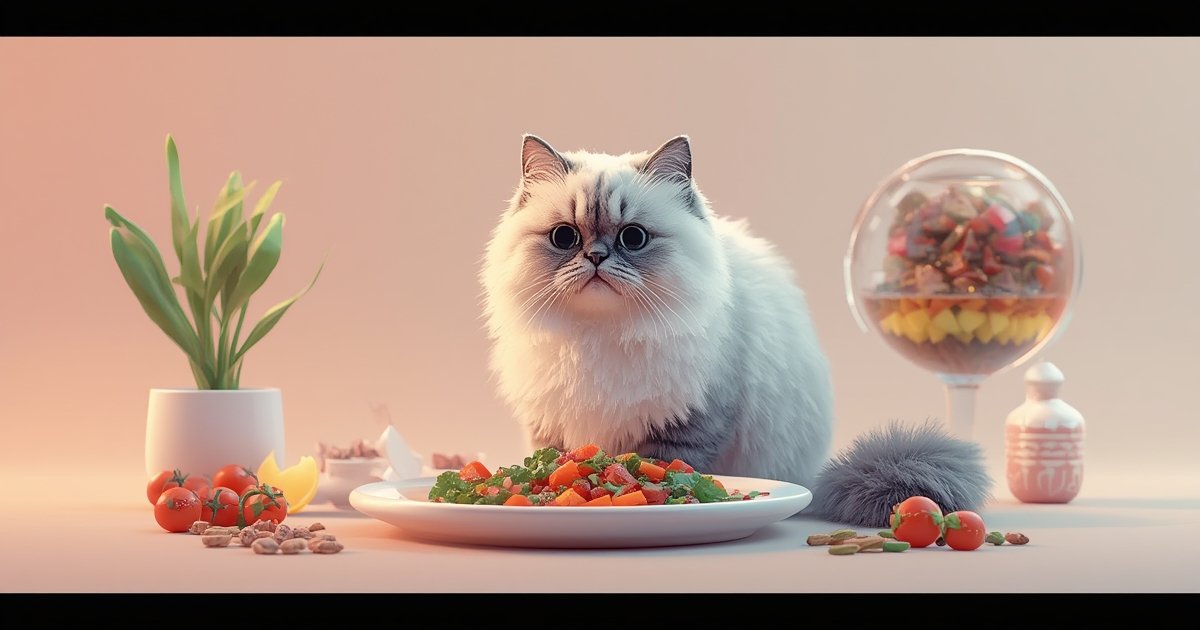
Persian cats, with their majestic coats and sweet temperaments, are truly a delight to behold. Their beauty, however, comes with specific needs, especially when it comes to what fills their bowls. To ensure your beloved feline companion thrives in 2026 and beyond, understanding the intricacies of their Persian Diet is paramount.
A well-formulated eating plan isn’t just about sustenance; it’s the cornerstone of their health, impacting everything from their luxurious fur to their overall vitality. Dive in as we unveil the secrets to a truly thriving Persian cat, starting with their unique nutritional requirements.
Understanding the Unique Nutritional Needs of Persian Cats
Persian cats are known for their distinctive flat faces, long flowing coats, and often, a slightly less active lifestyle compared to some other breeds. These characteristics directly influence their dietary requirements. Their brachycephalic (flat) facial structure can make eating challenging, requiring specially designed kibble or wet food.
Their glorious long hair also demands a diet rich in specific nutrients to maintain its luster and minimize hairballs. Unlike highly active breeds, Persians can be prone to weight gain if their caloric intake isn’t carefully managed. A proper Persian Diet takes all these factors into account.
Key Nutritional Considerations for Persians
When formulating a feeding plan for your Persian, several factors stand out as crucial. These elements contribute to their unique physiological needs and help prevent common health issues.
Protein: The Building Block
Like all felines, Persians are obligate carnivores, meaning they require a high-protein diet primarily derived from animal sources. Protein is essential for muscle maintenance, tissue repair, and the overall health of their magnificent coat. Look for foods where animal protein is the first ingredient.
Aim for diets with at least 30-40% crude protein, ideally from sources like chicken, turkey, fish, or beef. High-quality protein sources are more digestible and provide a complete amino acid profile necessary for your cat’s well-being.
Fats: Energy and Coat Health
Fats are a concentrated source of energy and play a vital role in nutrient absorption and maintaining a healthy skin and coat. Essential fatty acids, particularly Omega-3 and Omega-6, are critical for the sheen of your Persian’s long fur and for reducing inflammation.
Sources like fish oil, flaxseed oil, and certain animal fats should be present in their diet. A balanced fat content (around 15-20%) is generally ideal, but consult your vet for specific recommendations based on your cat’s activity level and weight.
Carbohydrates: Energy in Moderation
While not a primary energy source for obligate carnivores, carbohydrates can provide quick energy and fiber. However, excessive carbohydrates, especially from grains, can contribute to weight gain and digestive issues in some cats. Opt for complex carbohydrates in moderation.
Ingredients like sweet potatoes, peas, or rice in smaller quantities can be beneficial. Always prioritize protein and fat, ensuring carbs make up a smaller portion of the overall diet.
Vitamins and Minerals: Micronutrient Support
A balanced array of vitamins and minerals is crucial for immune function, bone health, nerve function, and metabolic processes. Taurine, an amino acid, is particularly vital for feline heart health and vision and must be supplied through their diet.
Ensure their food is fortified with a complete spectrum of vitamins (A, D, E, K, B vitamins) and essential minerals (calcium, phosphorus, magnesium, zinc, iron). Commercial cat foods are typically formulated to meet these needs, but checking the ingredient list is always wise.
The Foundation of a Balanced Persian Diet: Essential Nutrients
Building on the understanding of their unique needs, let’s delve deeper into structuring a balanced Persian Diet. This involves selecting the right food types, understanding portion control, and considering special formulations.
Selecting High-Quality Cat Food
The market is flooded with cat food options, but not all are created equal, especially for a breed as specific as the Persian. Look for foods explicitly marketed for “Persian” or “long-haired breeds” as these are often formulated with their unique needs in mind.
Always read ingredient labels carefully. The first few ingredients should be identifiable meat sources, not vague terms like “meat by-products” or excessive fillers. Avoid artificial colors, flavors, and preservatives that offer no nutritional value.
Wet Food vs. Dry Food: A Critical Choice
Both wet and dry food have their pros and cons for Persians, and many owners opt for a combination. Wet food offers superior hydration, which is crucial for kidney health and can be easier for brachycephalic cats to consume. It’s also often less calorie-dense by volume, aiding in weight management.
Dry kibble, on the other hand, can help clean teeth and is more convenient for free-feeding, though free-feeding isn’t always recommended for weight-prone cats. If choosing dry food, ensure the kibble size and shape are specifically designed for flat-faced breeds, making it easier to pick up and chew.
Portion Control and Feeding Schedules
Overfeeding is a common issue that can lead to obesity and related health problems in Persians. Always follow the feeding guidelines on your chosen cat food packaging, but adjust based on your cat’s individual activity level, age, and weight. Your veterinarian can provide an ideal caloric intake.
Most adult Persians thrive on two meals a day, spaced evenly. Kittens, pregnant, or lactating queens may require more frequent meals. Avoid leaving food out all day, as this can encourage overeating and make it difficult to monitor your cat’s appetite.
Specialized Formulas for Health Concerns
Some Persian cats may have specific health concerns that require specialized dietary interventions. Your vet might recommend prescription diets for issues such as urinary tract health, kidney disease, or digestive sensitivities. These diets are carefully formulated to manage or alleviate symptoms.
For hairball control, many brands offer specific formulas rich in fiber to help move ingested hair through the digestive system. These can be particularly beneficial for long-haired breeds like Persians, reducing the frequency and severity of hairballs.
Navigating Food Choices: Wet vs. Dry, and Specialized Formulas
Making the right choice between wet and dry food, or a combination, is a significant part of optimizing your cat’s Persian Diet. The physical form of the food can impact dental health, hydration, and ease of eating for a brachycephalic breed.
Wet food typically contains about 75-85% water, significantly contributing to your cat’s daily fluid intake. This is especially beneficial for Persians, who may not drink enough water on their own, helping to prevent urinary tract issues. Dry food, with its crunchy texture, can help scrape plaque off teeth, potentially reducing tartar buildup.
Comparison of Popular Persian Cat Food Options
When selecting the best food for your Persian, it’s helpful to consider some of the leading brands and types available. These often cater to the specific needs of the breed, such as coat health, hairball control, and brachycephalic jaw structure.
| Product | Price | Pros | Cons | Best For |
|---|---|---|---|---|
| Royal Canin Persian Adult Dry Food | $40-$60 (6.5 lbs) | Almond-shaped kibble designed for Persian jaws, high in Omega-3 & Omega-6 for coat health. Addresses hairball formation. | Can be expensive, some cats may prefer wet food texture. | Adult Persians needing coat and hairball support. |
| Purina ONE Hairball Formula Wet Food | $15-$25 (12-pack cans) | High moisture content for hydration, promotes healthy digestion to reduce hairballs. Palatable for picky eaters. | May not provide dental benefits of dry kibble, requires refrigeration after opening. | Persians prone to hairballs and those needing increased hydration. |
| Blue Buffalo Wilderness Chicken Dry Food | $35-$55 (5 lbs) | Grain-free, high-protein formula with real chicken, packed with antioxidants, vitamins, and minerals for overall health. | Kibble shape might not be optimal for all brachycephalic cats, higher calorie density. | Active Persians who thrive on a high-protein, grain-free diet. |
| Wellness Core Grain-Free Pate Wet Food | $20-$35 (12-pack cans) | High-quality protein, grain-free, nutrient-dense paté. Excellent for hydration and muscle mass. | Strong smell, can be messy for some cats, potentially higher cost per serving. | Persians needing grain-free, high-moisture nutrition, and those with dental issues. |
Considering Life Stages and Activity Levels
A kitten’s Persian Diet will differ significantly from that of a senior cat. Kittens require more calories, protein, and specific nutrients to support their rapid growth and development. Look for “kitten formula” foods until they reach about one year of age.
Adult Persians generally maintain a consistent diet, adjusted for activity level and weight. Senior Persians, often less active, may benefit from foods with fewer calories but increased joint support and easily digestible proteins. Regular veterinary check-ups are vital to adjust their diet as they age.
Supplementation and Hydration for Optimal Persian Health
While a complete and balanced commercial cat food should provide most necessary nutrients, there are instances where supplementation and a strong focus on hydration can further enhance your Persian’s well-being. This is an integral part of their overall Persian Diet strategy.
The Importance of Hydration
Cats, by nature, do not have a strong thirst drive, often getting much of their water from prey in the wild. Domesticated cats eating primarily dry kibble can become chronically dehydrated, leading to urinary tract infections, kidney issues, and other health problems.
To encourage water intake, provide multiple water bowls around the house, ideally ceramic or stainless steel, as plastic can retain odors. Consider a pet water fountain, which provides fresh, circulating water that many cats find more appealing. As mentioned, incorporating wet food into their diet is another excellent way to boost hydration.
Beneficial Supplements for Persians
Before introducing any supplements, always consult with your veterinarian. They can help determine if there’s a true need and recommend appropriate dosages, as over-supplementation can be harmful.
Omega Fatty Acids
These are often recommended for Persians due to their long coats. Omega-3 and Omega-6 fatty acids support skin health, reduce shedding, and contribute to a shiny, healthy coat. They can also have anti-inflammatory benefits for joints and overall immune function. Fish oil is a common source.
Hairball Remedies
Given their extensive grooming and long fur, hairballs are a common nuisance for Persians. While specialized diets help, some cats may benefit from occasional hairball paste or supplements containing lubricants (like petroleum jelly or psyllium husk) to aid in the passage of ingested hair.
Probiotics
For cats with sensitive stomachs, digestive upset, or during periods of stress, probiotics can help maintain a healthy gut microbiome. A balanced gut contributes to better nutrient absorption and a stronger immune system.
Joint Supplements
As Persians age, some may develop joint issues. Supplements containing glucosamine and chondroitin can help support joint health and mobility, particularly important for maintaining comfort and activity levels in senior cats.
Addressing Common Dietary Challenges and Transitions
Even with the best intentions, feeding a Persian cat can present unique challenges. Understanding how to navigate these issues and successfully transition diets is key to maintaining a consistent and healthy Persian Diet.
Managing Picky Eaters
Persians can be notoriously picky. If your cat suddenly refuses food, first rule out any underlying medical issues with a vet visit. Once health is confirmed, try these strategies:
– Experiment with different textures: Some prefer pâté, others chunks in gravy, or specific kibble shapes.
– Warm wet food slightly: Warming enhances aroma, making it more appealing.
– Introduce new foods gradually: Mix a small amount of the new food with their old food, slowly increasing the proportion over several days or weeks.
– Create a calm feeding environment: Ensure their feeding area is quiet and stress-free.
Dealing with Hairballs
Hairballs are an unfortunate reality for long-haired cats. Beyond diet, regular grooming is essential. Daily brushing helps remove loose fur before it’s ingested. Consider specialized hairball formulas in their Persian Diet, which contain extra fiber to aid digestion.
Some owners find a teaspoon of pumpkin puree (plain, unsweetened) a few times a week can also help as a natural fiber source. Always monitor your cat for signs of severe hairball issues like frequent vomiting, constipation, or loss of appetite, as these may require veterinary intervention.
Weight Management
Persians can be prone to weight gain due to their less active nature. Monitoring their body condition score is crucial. You should be able to easily feel their ribs without seeing them, and they should have a discernible waist when viewed from above.
If your Persian is overweight, work with your vet to establish a weight-loss plan. This typically involves reducing caloric intake, increasing playtime and exercise, and potentially switching to a weight-management diet that is lower in calories but still nutritionally complete.
Dietary Transitions: How to Switch Foods Safely
Changing your cat’s food, whether due to a life stage change, a health issue, or simply improving their Persian Diet, should always be done gradually. A sudden change can lead to digestive upset, including vomiting or diarrhea.
1. **Day 1-2:** Mix 75% old food with 25% new food.
2. **Day 3-4:** Mix 50% old food with 50% new food.
3. **Day 5-6:** Mix 25% old food with 75% new food.
4. **Day 7 onwards:** 100% new food.
If your cat shows any signs of digestive upset, slow down the transition and extend each stage. Some sensitive cats may need an even slower transition over 2-3 weeks.
Crafting Your Persian Diet Plan for 2026 and Beyond
Bringing all these elements together, crafting a comprehensive Persian Diet plan means focusing on quality, consistency, and individualized care. Your goal is to provide a diet that supports their distinctive needs, promoting a long, healthy, and happy life.
Start by choosing a high-quality commercial cat food specifically designed for long-haired or brachycephalic breeds, prioritizing animal protein and healthy fats. Decide on a feeding strategy that includes either wet food, dry food, or a combination, ensuring adequate hydration.
Regularly assess your cat’s body condition and adjust portion sizes as needed. Keep an eye out for any dietary challenges like hairballs or pickiness, and address them promptly. Remember that a thriving Persian is a well-fed Persian, and their diet is a dynamic aspect of their care.
By staying informed and responsive to your cat’s changing needs, you’re not just feeding them; you’re investing in their future well-being. The principles of a sound Persian Diet will remain constant, evolving only as your beloved companion moves through their different life stages.
Key Takeaways for a Thriving Persian
– Prioritize high-quality animal protein in their diet.
– Ensure adequate hydration, especially if feeding dry kibble.
– Choose foods designed for brachycephalic breeds to aid eating.
– Manage hairballs through diet and regular grooming.
– Monitor weight and adjust portions to prevent obesity.
– Transition new foods gradually to avoid digestive upset.
– Consult your veterinarian for personalized dietary advice and before adding supplements.
Embrace these diet secrets, and your Persian cat will undoubtedly be set for a thriving 2026 and many joyous years to come, flaunting that magnificent coat and vibrant health.
Frequently Asked Questions (FAQ)
How much food should I feed my Persian cat?
The amount of food depends on your cat’s age, weight, activity level, and the specific caloric content of the food. Always follow the guidelines on the food packaging as a starting point, but consult your veterinarian for a personalized feeding plan to prevent over or underfeeding.
Can Persian cats eat human food?
While some human foods are safe in moderation (e.g., small amounts of plain cooked chicken or fish), many are not suitable or can even be toxic (e.g., onions, garlic, chocolate). It’s best to stick to a balanced commercial cat food formulated for their needs, and avoid giving human food as a primary part of their Persian Diet.
What are the best types of bowls for Persian cats?
Due to their flat faces, Persian cats often benefit from shallow, wide bowls made of ceramic or stainless steel. This design prevents whisker fatigue and makes it easier for them to scoop up food without straining or getting their face dirty. Elevated bowls can also sometimes help with digestion and comfort.
How can I tell if my Persian cat is overweight?
You should be able to easily feel your cat’s ribs without pressing hard, and they should have a noticeable waistline when viewed from above. If their abdomen sags, or you can’t feel their ribs, they may be overweight. Consult your vet for an accurate assessment and weight management advice.
Is a grain-free diet better for Persian cats?
The necessity of a grain-free diet for cats is a subject of ongoing debate among experts. While some cats with specific allergies or sensitivities may benefit, there’s no universal evidence that grain-free diets are inherently superior for all cats. Focus on high-quality ingredients with meat as the primary protein source, and consult your vet for personalized advice.
Leave a Reply