

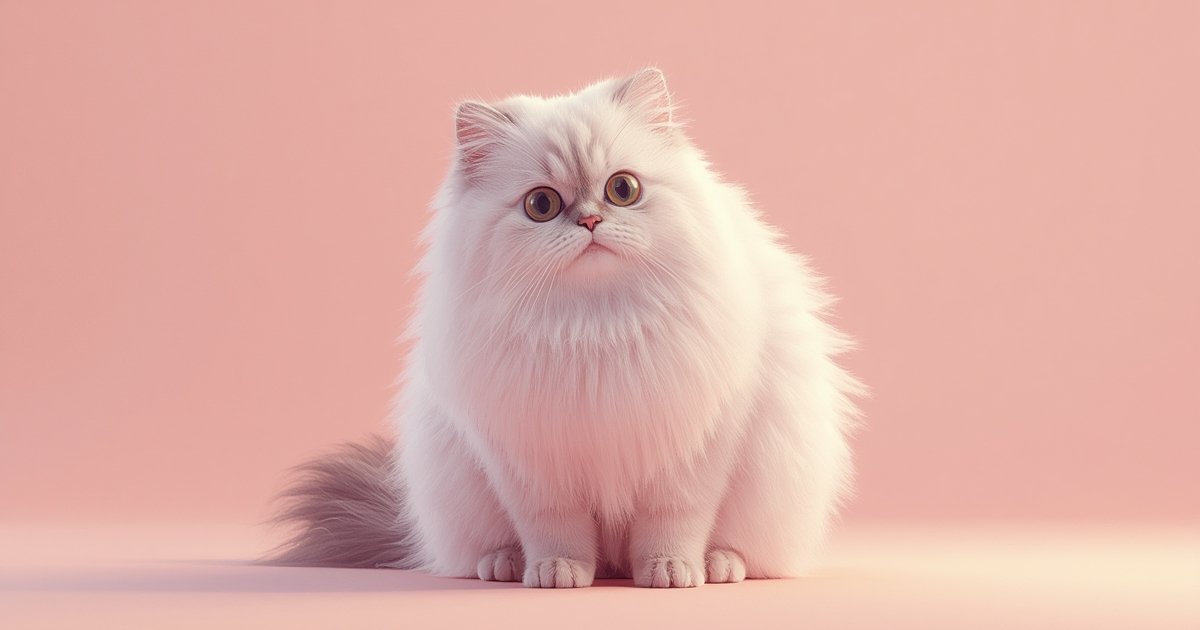
Meta Description: Unlock the secrets to pristine Persian grooming in 2026. Discover expert tips, essential tools, and a step-by-step guide to maintain your cat’s luxurious coat and health.
Understanding Your Persian’s Unique Coat Needs
There’s nothing quite like the majestic beauty of a Persian cat. Their luxurious, long, and flowing coats are a testament to their regal lineage, but this splendor comes with a significant responsibility. Effective Persian grooming isn’t just about aesthetics; it’s fundamental to their health and well-being. Unlike many other breeds, a Persian’s coat is prone to matting, tangles, and the accumulation of debris if not cared for meticulously and consistently.
The distinctive double coat of a Persian consists of a soft, dense undercoat and a longer, silkier topcoat. This combination, while stunning, is a magnet for loose hair, dander, and anything else they might pick up during their daily explorations, even indoors. Without proper attention, these issues can quickly escalate, leading to discomfort, skin irritation, and even infections.
Furthermore, Persian cats are known for their brachycephalic (flat) faces, which can lead to specific grooming challenges, particularly around their eyes. Tear staining is a common concern that requires regular, gentle cleaning to prevent buildup and potential irritation. Understanding these unique characteristics is the first step in providing the comprehensive care your beloved feline deserves.
By investing time and the right techniques into their coat maintenance, you’re not just preserving their iconic look; you’re actively preventing health problems and strengthening the bond you share. This guide will walk you through the essential practices and tools for impeccable Persian grooming, ensuring your cat thrives in 2026 and beyond.
The Essential Tool Kit for Flawless Persian Grooming
Embarking on a consistent Persian grooming routine requires the right arsenal of tools. Skimping on quality here can make the process more difficult for both you and your cat, potentially leading to pain or a negative association with grooming. Investing in good tools is a long-term investment in your cat’s comfort and coat health.
The foundation of any effective Persian grooming kit includes several types of brushes and combs. Each serves a specific purpose, working synergistically to keep your cat’s coat free from mats and looking its best. Beyond brushes, you’ll need specialized items for overall hygiene.
Key Brushes and Combs
– **Stainless Steel Comb:** This is your primary tool for detangling and checking for mats. Look for one with both wide and fine teeth. The wide teeth are great for initial detangling, while the finer teeth help to work through smaller knots and ensure the undercoat is clear.
– **Slicker Brush:** A slicker brush has fine, short wires packed closely together on a flat surface. It’s excellent for removing loose hair, dander, and for general smoothing of the topcoat. Use it gently, as the wire bristles can be harsh if applied with too much pressure.
– **Pin Brush:** This brush features widely spaced pins, usually with protective balls on the ends. It’s ideal for longer coats, helping to lift and separate the hair without pulling too much. It’s a good choice for daily brushing to prevent tangles from forming.
– **Dematter Tool (Optional but Recommended):** For serious mats, a dematter tool can be a lifesaver. These tools have sharp, curved blades designed to safely cut through mats without pulling the surrounding healthy hair. Always use with extreme caution and precision to avoid injuring your cat.
Other Essential Grooming Supplies
– **Cat-Specific Shampoo and Conditioner:** Never use human products on your cat. Choose a high-quality, tearless shampoo specifically formulated for long-haired cats. A good conditioner will help keep the coat soft and prevent static.
– **Blunt-Tip Scissors:** For carefully trimming small mats that cannot be brushed out, or for tidying up paw fur. Always use blunt-tip scissors to minimize the risk of accidental injury.
– **Nail Clippers:** Regular nail trims are crucial for preventing ingrown claws and keeping your cat comfortable. Choose a scissor-style or guillotine-style clipper designed for cats.
– **Ear Cleaner:** A vet-approved ear cleaning solution will help keep your cat’s ears free from wax and debris. Use cotton balls or soft wipes, never cotton swabs in the ear canal.
– **Eye Wipes/Solution:** Specialized wipes or a gentle saline solution are essential for cleaning around your Persian’s eyes, especially for tear stains. Avoid harsh chemicals.
– **Grooming Table with Arm (Optional):** A dedicated grooming table can make the process much easier, allowing you to work at a comfortable height and keep your cat securely in place.
Comparison of Essential Persian Grooming Tools (2026 Update)
| Product | Price | Pros | Cons | Best For |
|---|---|---|---|---|
| Safari De-Matting Comb | $15 – $20 | Effectively breaks down stubborn mats without excessive pulling. Durable stainless steel construction. | Requires careful handling to avoid skin irritation. Not for everyday brushing. | Removing small to medium mats in hard-to-reach areas. |
| Hertzko Self-Cleaning Slicker Brush | $20 – $25 | Retractable bristles for easy hair removal. Gentle on the coat and skin. Excellent for removing loose fur and dander. | May not penetrate very dense undercoats deeply enough on its own. | Daily maintenance, removing loose hair, and finishing touches. |
| Andis Pet Steel Grooming Comb | $10 – $15 | Dual-tooth design for versatile detangling and smoothing. High-quality stainless steel. Essential for all grooming stages. | Can pull if used on significant mats without prior detangling. | General detangling, checking for hidden mats, and spreading conditioners. |
| Chris Christensen Big G Slicker Brush | $50 – $60 | Industry-leading professional-grade brush. Designed to get deep into thick coats, fluffing and dematting efficiently. | High price point compared to standard slickers. | Professional groomers or owners serious about top-tier Persian grooming. |
Mastering the Art of Brushing and Detangling
Consistent brushing is the cornerstone of effective Persian grooming. It’s not just about removing tangles; it’s a preventative measure against skin issues, a way to distribute natural oils, and an opportunity for health checks. Aim for daily brushing, even if it’s just a quick 10-15 minute session.
A Step-by-Step Brushing Routine
1. **Prepare Your Space:** Choose a calm, comfortable area where your cat feels secure. A raised surface, like a table with a non-slip mat, can be helpful. Have all your tools ready before you begin.
2. **Start with the Comb (Wide-Toothed):** Begin gently combing through the coat, starting from the extremities (paws, tail) and working your way up to the body. Pay special attention to areas prone to matting: behind the ears, armpits, stomach, and hindquarters. Use short, gentle strokes, working small sections at a time.
3. **Address Tangles and Mats:** If you encounter a tangle, do not pull. Instead, use the wide-toothed comb to gently try and tease it apart. Hold the base of the hair closest to the skin to minimize pulling. For stubborn mats, you might need to use a dematter tool or blunt-tip scissors. If using scissors, always slide the comb underneath the mat first, between the mat and the skin, to act as a barrier and prevent cutting the skin.
4. **Follow with the Slicker Brush:** Once the coat is free of major tangles, use the slicker brush to remove loose hair and dander. Brush in the direction of hair growth, using light, even strokes. This helps to smooth the topcoat and give it that characteristic fluffy look.
5. **Finish with the Pin Brush (Optional):** For very long-haired Persians, a pin brush can be used to further fluff and separate the hairs, adding volume and ensuring no tangles were missed by the slicker brush.
6. **Positive Reinforcement:** Always praise your cat and offer treats throughout and after the grooming session. This helps create a positive association with Persian grooming, making future sessions easier.
Tips for Successful Brushing
– **Consistency is Key:** Daily brushing, even for a few minutes, is far more effective than infrequent, long sessions.
– **Be Gentle:** Persian skin is delicate. Always use a light touch, especially when dealing with tangles.
– **Work in Layers:** Rather than trying to brush the entire coat at once, lift sections of hair and work on the underlayers first, gradually releasing the top layers.
– **Check for Hot Spots:** Regular brushing allows you to inspect your cat’s skin for any abnormalities, lumps, bumps, or irritations that might require veterinary attention.
– **Consider a Grooming Spray:** A leave-in conditioning spray can help prevent static, add shine, and make brushing easier by lubricating the coat.
Bathing Your Persian: A Gentle Approach
Bathing a Persian cat can seem daunting, but it’s a necessary part of comprehensive Persian grooming, especially for show cats or those prone to oiliness or staining. Most Persians benefit from a bath every 4-6 weeks, or more frequently if they get particularly dirty. The goal is to make it as stress-free as possible.
Preparing for the Bath
1. **Pre-Brush Thoroughly:** Never bath a matted cat. Water will only tighten mats, making them impossible to remove. Ensure your cat’s coat is completely tangle-free before getting them wet. This is a critical step in Persian grooming.
2. **Gather Supplies:** Have everything within arm’s reach: cat-specific shampoo and conditioner, towels, a non-slip mat for the tub or sink, a cup or pitcher for rinsing, and cotton balls for ears.
3. **Protect Ears and Eyes:** Gently place cotton balls in your cat’s ears to prevent water from entering the ear canal. Apply a drop of mineral oil or ophthalmic ointment to their eyes to protect them from shampoo.
4. **Comfort is Key:** Fill the tub or sink with a few inches of lukewarm water before bringing your cat in. Ensure the water temperature is comfortable—not too hot, not too cold. Speak in a soothing voice.
The Bathing Process
1. **Wet the Coat:** Gently place your cat into the water. Using a cup or a sprayer with low pressure, thoroughly wet their entire coat, avoiding the face. Work slowly and reassuringly.
2. **Apply Shampoo:** Dilute cat shampoo with water according to package instructions. Gently massage the shampoo into the coat, working from the neck down to the tail. Pay attention to greasy areas like the tail base. Be thorough but gentle, avoiding vigorous scrubbing that can tangle the hair.
3. **Rinse Thoroughly:** This is the most crucial part. Any shampoo residue left behind can irritate the skin and dull the coat. Rinse until the water runs completely clear, and you can no longer feel any slickness on the fur. Rinse from head to tail, ensuring all shampoo is removed from the undercoat.
4. **Apply Conditioner:** If using conditioner, apply it liberally, working it into the entire coat. Let it sit for the recommended time, then rinse even more thoroughly than you did the shampoo. Conditioner helps to detangle and protect the coat.
5. **Initial Drying:** Once rinsing is complete, gently squeeze excess water from the coat. Wrap your cat immediately in a large, absorbent towel. Gently blot and pat, rather than rubbing, to avoid tangles.
Drying and Finishing Touches
– **Blow Drying:** For Persians, blow drying is almost essential to prevent matting as the coat dries. Use a pet-specific dryer on a low, cool setting. Keep the dryer moving and never hold it in one spot for too long to avoid overheating. Brush the coat with a pin brush as you dry to fluff the hair and ensure even drying.
– **No Air Drying:** Letting a Persian air dry can lead to severe matting and potential skin issues, especially in humid environments. Ensure the coat is completely dry before letting your cat roam freely.
– **Final Brush:** Once completely dry, give your cat a final thorough brush to ensure every strand is smooth and tangle-free. This final step seals in the benefits of a complete Persian grooming session.
Beyond the Brush: Eyes, Ears, and Paws Care
While brushing and bathing are major components of Persian grooming, attending to their eyes, ears, and paws is equally vital for their overall health and comfort. These smaller details often get overlooked but are critical for preventing common health issues.
Eye Care for Brachycephalic Faces
Persians’ distinctive flat faces mean their tear ducts often struggle to drain effectively, leading to tear staining. This reddish-brown discoloration can become a breeding ground for yeast and bacteria if not cleaned regularly.
– **Daily Wiping:** Gently wipe around your Persian’s eyes daily with a soft, damp cloth or a specialized cat eye wipe. Use a fresh part of the cloth for each eye to prevent cross-contamination.
– **Tear Stain Removers:** For persistent stains, talk to your vet about safe, cat-specific tear stain removers. These often contain mild cleansers or gentle antibacterial agents.
– **Check for Irritation:** While cleaning, inspect for any redness, swelling, discharge, or signs of discomfort. Excessive tearing or unusual discharge warrants a vet visit, as it could indicate an infection or an underlying health issue.
Ear Hygiene
Regular ear checks are important to catch any problems early. Persians, with their longer hair, can sometimes have hair growing inside their ear canals, which can trap dirt and moisture.
– **Weekly Checks:** Gently fold back your cat’s ear flap and look inside. A healthy ear canal should be clean, pale pink, and free of odor or excessive wax.
– **Gentle Cleaning:** If you see a small amount of wax or dirt, use a vet-approved ear cleaning solution and a cotton ball to gently wipe the visible parts of the ear. Never insert cotton swabs into the ear canal, as this can push debris further in or damage delicate structures.
– **Signs of Trouble:** Look out for excessive scratching, head shaking, redness, swelling, dark discharge, or a foul odor. These are all signs of a potential ear infection and require immediate veterinary attention.
Paw and Nail Maintenance
Well-maintained paws contribute significantly to your cat’s mobility and comfort, and are a key part of Persian grooming.
– **Nail Trimming:** Trim your Persian’s nails every 2-4 weeks. Use sharp, cat-specific nail clippers. Only clip the clear, pointed tip, avoiding the ‘quick’ (the pink part inside the nail) which contains blood vessels and nerves. If you accidentally cut the quick, apply styptic powder to stop the bleeding. Regular trimming prevents nails from growing too long, which can cause pain, ingrown claws, and damage to furniture.
– **Paw Pad Hair Trimming:** The long hair between a Persian’s paw pads can collect litter, dirt, and even become matted, making walking uncomfortable and leading to hygiene issues. Carefully trim this hair flush with the paw pads using blunt-tip scissors. Always point the scissors away from the pads and be extremely cautious to avoid cutting the skin.
– **Paw Pad Checks:** Regularly inspect paw pads for any cuts, abrasions, tenderness, or unusual growths. Healthy paw pads are soft and pliable.
Diet, Health, and Professional Grooming Considerations
While DIY Persian grooming is essential, factors like diet, overall health, and when to seek professional help play a crucial role in maintaining your cat’s magnificent coat and well-being.
The Role of Diet in Coat Health
What your Persian eats directly impacts the quality of their coat and skin. A high-quality diet provides the necessary nutrients for a healthy, shiny, and strong coat that is less prone to excessive shedding and matting.
– **Protein Rich:** Ensure their food has a high content of animal-based protein, which is vital for hair growth and strength.
– **Omega Fatty Acids:** Look for foods rich in Omega-3 and Omega-6 fatty acids (like fish oil, flaxseed). These are crucial for skin health, reducing dryness, and promoting a lustrous coat. Many high-quality cat foods formulate for skin and coat health.
– **Hydration:** Adequate water intake is essential for overall health, including skin and coat. Encourage drinking with fresh water bowls, a cat fountain, or wet food.
When to Consider Professional Grooming
Even with diligent home care, there are times when a professional groomer can be invaluable. This doesn’t replace your home routine but complements it.
– **Severe Matting:** If your cat develops severe, widespread matting that you cannot safely remove at home, a professional groomer is equipped with the tools and expertise to handle it. They may need to shave down the coat to prevent discomfort and skin issues.
– **Specialized Services:** Professional groomers offer services like full lion cuts (shaving the body while leaving the mane, tail, and paws), de-shedding treatments, and specialized conditioning treatments that are difficult to replicate at home.
– **Show Preparation:** For show cats, professional grooming is often a necessity to achieve the perfect coat presentation required in competitions.
– **Regular Maintenance:** Some owners opt for professional Persian grooming every few months to ensure a thorough deep clean and trim, especially if they struggle with bathing or specific aspects of coat care.
– **Elderly or Ill Cats:** If your cat is elderly, arthritic, or has health conditions that make home grooming difficult or painful, a professional can provide gentle, efficient care.
Health Checks During Grooming
Every grooming session is an opportunity for a mini-health check. You are uniquely positioned to notice subtle changes in your cat’s body.
– **Skin and Coat:** Check for fleas, ticks, lumps, bumps, rashes, dry patches, or excessive shedding. Any sudden changes in coat texture or skin condition should be noted.
– **Body Condition:** While brushing, feel your cat’s ribs and spine. Is your cat gaining or losing weight unexpectedly?
– **Oral Health:** Briefly lift their lips to check for red gums, plaque buildup, or bad breath, which can indicate dental issues.
– **Behavioral Changes:** Does your cat react differently to touch in certain areas? Are they more irritable or lethargic? These could be signs of underlying pain or illness.
Regular veterinary check-ups are paramount, but your consistent Persian grooming routine provides an invaluable daily or weekly snapshot of your cat’s health, allowing for early detection of potential problems.
Mastering the art of Persian grooming is an ongoing journey that significantly contributes to your cat’s happiness and longevity. From understanding their unique coat to selecting the right tools, establishing consistent routines for brushing and bathing, and attending to delicate areas like eyes and ears, every step plays a vital role. Remember that diet, professional support when needed, and regular health checks during grooming sessions all intertwine to create a holistic approach to your Persian’s well-being. By embracing these practices, you’ll ensure your cherished feline remains the picture of health and elegance, their silky secret beautifully maintained for years to come. Continue exploring Dax AI for more insights into feline care and beyond.
Frequently Asked Questions (FAQ)
How often should I brush my Persian cat?
For most Persian cats, daily brushing for 10-15 minutes is ideal. This helps prevent mats, removes loose fur, and keeps their coat in top condition. If daily isn’t possible, aim for at least 3-4 times a week.
Can I use human shampoo on my Persian cat?
No, you should never use human shampoo on your cat. Human shampoos are formulated for human skin pH levels, which are different from a cat’s. Using human products can dry out your cat’s skin, cause irritation, or lead to allergic reactions. Always use a high-quality, cat-specific shampoo.
What should I do if my Persian cat has severe mats?
For severe mats, it’s best to consult a professional groomer or your veterinarian. Trying to cut out large or tight mats yourself can be dangerous and may injure your cat’s skin. Professionals have specialized tools and techniques to remove mats safely and with minimal stress to your cat.
How do I prevent tear stains on my Persian?
To prevent tear stains, clean around your Persian’s eyes daily with a damp cloth or specialized cat eye wipes. Ensure their eyes are free from debris and excess moisture. In some cases, changing their diet or using filtered water may help reduce tear production. Always consult your vet if staining is excessive or if you notice any eye irritation.
Is it necessary to trim the hair between my Persian’s paw pads?
Yes, it is highly recommended to trim the hair between your Persian’s paw pads. This hair can collect litter, dirt, and moisture, leading to mats, discomfort, and hygiene issues. Trimming it carefully with blunt-tip scissors helps keep their paws clean and prevents slipping.
Leave a Reply