

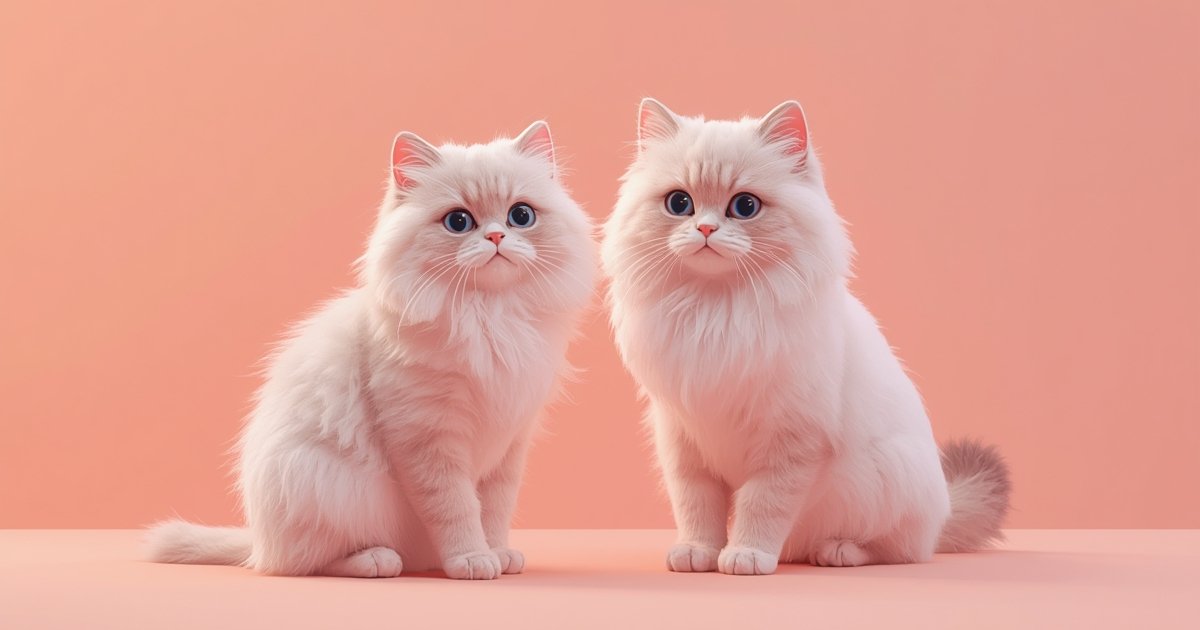
Discover essential health checks for Persian cats in 2026. Learn about common issues, preventative care, and tips for optimal Persian Health to keep your fluffy friend thriving.
Embracing the Unique World of Persian Health
Persian cats, with their luxurious coats, distinctive flat faces, and sweet temperaments, are truly captivating companions. Their gentle nature and stunning appearance have endeared them to countless owners worldwide. However, their unique breed characteristics also come with specific health considerations that demand vigilant attention.
Ensuring your Persian cat thrives means understanding and proactively addressing these potential vulnerabilities. Prioritizing excellent Persian Health involves a comprehensive approach, from regular veterinary visits to diligent at-home care. This guide will walk you through the essential health checks and best practices for keeping your fluffy friend happy and healthy in 2026 and beyond.
Understanding Breed-Specific Persian Health Challenges
The distinctive features that make Persian cats so adorable can also predispose them to certain health issues. Being aware of these breed-specific conditions is the first step in preventative care. Proactive screening and early detection are crucial for managing these challenges effectively and maintaining optimal Persian Health.
Brachycephalic Airway Syndrome (BAS)
The flat, “brachycephalic” face of a Persian cat, while charming, can lead to respiratory difficulties. Their shortened snout means they often have narrowed nostrils, an elongated soft palate, or a hypoplastic trachea. These structural differences can obstruct airflow, leading to noisy breathing, snoring, and even difficulty exercising or tolerating heat.
Symptoms of BAS can range from mild to severe. Watch for labored breathing, panting even at rest, gagging, or collapsing, especially in warm weather or during exertion. Regular veterinary checks can help assess the severity and discuss potential management strategies, including surgical options if necessary, to improve your cat’s quality of life.
Polycystic Kidney Disease (PKD)
PKD is an inherited condition common in Persians, where fluid-filled cysts develop in the kidneys. These cysts slowly grow over time, eventually leading to kidney failure. While typically symptomless in early stages, PKD can be detected through genetic testing and ultrasound screening.
Early diagnosis allows for proactive management, such as dietary adjustments and medication, to slow the progression of the disease and support kidney function. Responsible breeders screen their cats for PKD, and it’s always wise to ask for genetic test results when acquiring a Persian kitten. This preventative measure is vital for long-term Persian Health.
Hypertrophic Cardiomyopathy (HCM)
HCM is the most common heart disease in cats, characterized by a thickening of the heart muscle. In Persians, it often has a genetic component. This thickening makes it harder for the heart to pump blood effectively, potentially leading to heart failure, blood clots, or sudden death.
Regular veterinary examinations, including listening for heart murmurs, are important. If a murmur is detected, further diagnostics like an echocardiogram (ultrasound of the heart) can confirm HCM. While there is no cure, medication can help manage the condition and improve the cat’s quality of life.
Eye and Dental Health Concerns
Persian cats are prone to various eye issues due to their facial structure. Their large, prominent eyes are more exposed and can be susceptible to corneal ulcers, entropion (inward-rolling eyelids), and excessive tearing (epiphora) that stains the fur. Daily cleaning of the tear stains is essential to prevent skin irritation and infection.
Dental health is another critical area. Crowded teeth in their small jaws can lead to increased plaque and tartar buildup, resulting in periodontal disease. This can cause pain, infection, and even impact overall health. Regular dental check-ups and at-home dental care are paramount.
The Cornerstone of Care: Regular Veterinary Check-ups
Even if your Persian cat appears to be in perfect health, annual or biannual veterinary check-ups are non-negotiable. These routine visits are the foundation of proactive Persian Health management, allowing your vet to catch potential issues early before they become serious problems.
Comprehensive Physical Examinations
During a routine check-up, your veterinarian will perform a thorough head-to-tail examination. This includes checking their eyes, ears, teeth, skin, and coat. They will listen to their heart and lungs, palpate their abdomen, and assess their joints and mobility. These physical assessments provide valuable insights into your cat’s overall well-being.
Vets are trained to spot subtle changes that might indicate an underlying health issue. For Persian cats, particular attention will be paid to respiratory function, signs of eye irritation, and dental condition. These examinations are often the first line of defense against many breed-specific ailments.
Vaccinations and Parasite Control
Keeping your Persian cat up-to-date on vaccinations is crucial for protecting them from common feline diseases like rabies, feline leukemia virus (FeLV), and feline distemper (panleukopenia). Your vet will recommend a vaccination schedule tailored to your cat’s lifestyle and risk factors.
Effective parasite control is equally important. This includes regular treatments for fleas, ticks, and internal parasites like worms. Even indoor cats can be exposed to parasites. Your vet can advise on the best preventative products and testing protocols to ensure your cat remains parasite-free and comfortable.
Diagnostic Screening for Early Detection
Beyond physical exams, your vet may recommend routine diagnostic tests, especially as your Persian cat ages. Blood work can reveal issues with organ function, detect infections, and screen for metabolic diseases. Urinalysis provides insights into kidney health and can detect urinary tract infections or diabetes.
For Persians, specific screenings for PKD (ultrasound or genetic test) and HCM (echocardiogram) might be recommended, particularly if there’s a family history or clinical suspicion. Early detection through these screenings significantly improves the prognosis for many conditions, leading to better long-term Persian Health outcomes.
Daily Home Care and Monitoring for Optimal Persian Health
While veterinary visits are essential, a significant portion of your Persian cat’s health care happens right at home. Daily attention to grooming, hygiene, and behavior can help you identify changes early and prevent common issues.
The Importance of Regular Grooming
Persian cats are renowned for their long, luxurious coats, which require daily grooming to prevent mats and tangles. Neglecting their coat can lead to painful skin irritation, hot spots, and even hide underlying skin problems. Regular brushing also helps reduce hairballs, a common issue for long-haired breeds.
A good grooming routine includes gentle daily brushing with a wide-toothed comb and a slicker brush. Professional grooming every few months might also be beneficial, especially for a thorough bath and clip. Pay special attention to areas prone to matting, such as under the legs, behind the ears, and around the tail.
Eye, Ear, and Dental Hygiene
Due to their facial structure, Persian cats often experience tear staining. Gently wipe around their eyes daily with a soft, damp cloth or a vet-approved eye cleaner to prevent irritation and infection. Check their ears weekly for redness, discharge, or odor, which could indicate an infection, and clean them gently if needed.
Dental care is vital. Aim to brush your cat’s teeth several times a week using a pet-specific toothbrush and toothpaste. Dental treats and water additives can supplement brushing but are not a substitute. Regular dental check-ups with your vet can also help monitor for tartar buildup and periodontal disease.
Litter Box Habits and Hydration
Monitoring your cat’s litter box habits can provide early clues to health problems. Changes in frequency, volume, or consistency of urination or defecation should be noted. Increased urination might indicate diabetes or kidney issues, while straining could point to a urinary tract infection or blockage.
Ensuring adequate hydration is also critical, especially for kidney health. Many cats prefer drinking from running water, so a filtered water fountain can encourage increased water intake. Fresh water should always be available in multiple locations throughout your home.
Smart Monitoring Gadgets for Enhanced Persian Health Tracking
In 2026, technology offers incredible tools to help pet owners monitor their cat’s health more closely at home. These gadgets can provide valuable data and insights, complementing your observations and veterinary care. From tracking activity to ensuring hydration, smart devices can be powerful allies in maintaining optimal Persian Health.
Comparison of Health Monitoring Gadgets for Persian Cats
| Product | Price | Pros | Cons | Best For |
|---|---|---|---|---|
| PetSafe Smart Feed Automatic Feeder | $150-$200 | Schedules meals, monitors food intake, portion control, remote feeding. | Requires Wi-Fi, app setup can be finicky for some, higher price point. | Regulating diet, weight management, ensuring consistent meal times. |
| Catit Pixi Smart Fountain | $60-$90 | Provides fresh, filtered water; encourages hydration; alerts for low water. | Needs regular filter changes, requires Wi-Fi for smart features. | Promoting hydration, monitoring water consumption, preventing urinary issues. |
| Tractive GPS Cat Tracker | $50-$70 (plus subscription) | Tracks activity levels, monitors sleep patterns, real-time GPS tracking. | Monthly subscription fee, battery life varies, can be bulky for smaller cats. | Monitoring outdoor activity, tracking sleep/activity changes, peace of mind for wanderers. |
| SureFeed Microchip Pet Feeder | $150-$180 | Prevents food theft from other pets, controls access based on microchip. | Only works with microchipped cats, no remote feeding features. | Multi-cat households, managing specific diets or medications for individual cats. |
Nutrition and Diet for Optimal Persian Health
A well-balanced, high-quality diet is fundamental to your Persian cat’s overall health and longevity. Given their specific needs, choosing the right food and managing their weight are crucial components of their care routine.
Choosing the Right Food
Look for cat foods specifically formulated for long-haired or brachycephalic breeds, as these often have kibble shapes designed for easier chewing. Prioritize foods with high-quality animal protein as the primary ingredient. Avoid foods with excessive fillers, artificial colors, or by-products.
Consider the benefits of both wet and dry food. Wet food provides excellent hydration and can be particularly beneficial for kidney health. Dry food can help with dental hygiene, though it should not be the sole dental solution. Discuss your cat’s dietary needs with your veterinarian, especially if they have any health conditions.
Weight Management and Portions
Obesity is a significant health risk for cats, leading to conditions like diabetes, joint problems, and heart disease. Persians, with their less active nature, can be prone to weight gain. Monitor your cat’s weight regularly and adjust their food portions as needed.
Your veterinarian can help you determine your cat’s ideal weight and the appropriate caloric intake. Using measuring cups for food and avoiding free-feeding can help prevent overeating. Regular play and enrichment activities will also contribute to maintaining a healthy weight and promoting excellent Persian Health.
Supplements and Special Dietary Needs
While a complete and balanced diet should provide all necessary nutrients, some Persian cats may benefit from supplements under veterinary guidance. Omega-3 fatty acids can support skin and coat health, and some joint supplements may be beneficial for older cats.
Cats with specific health conditions like PKD or HCM may require prescription diets tailored to their needs. Always consult your vet before introducing any supplements or making significant changes to your cat’s diet to ensure they are safe and appropriate for your individual feline friend.
Recognizing Warning Signs and Emergency Preparedness
Even with the best preventative care, health issues can arise. Knowing what warning signs to look for and how to react in an emergency can be life-saving for your Persian cat. Your keen observation skills are a powerful tool in protecting your cat’s Persian Health.
Behavioral Changes to Watch For
Cats are masters at hiding illness, so any subtle change in their normal behavior warrants attention. Look for:
– Changes in appetite or water consumption (eating/drinking more or less)
– Lethargy or decreased activity levels
– Hiding more than usual
– Increased vocalization or unusual cries
– Restlessness or inability to get comfortable
– Changes in litter box habits (frequency, straining, inappropriate urination/defecation)
Any sudden or persistent change in your cat’s routine or demeanor should prompt a call to your veterinarian. Early intervention is key to better outcomes.
Physical Symptoms Requiring Immediate Attention
Certain physical symptoms require immediate veterinary attention. These include:
– Difficulty breathing, open-mouth breathing, or persistent coughing/gagging
– Persistent vomiting or diarrhea, especially if accompanied by lethargy
– Swelling, lameness, or visible pain
– Eye discharge, redness, or squinting
– Sudden changes in coordination or balance
– Any signs of trauma or injury
Never hesitate to contact your vet or an emergency veterinary clinic if you notice these critical symptoms. Timely medical care can make a significant difference in a pet emergency.
Creating an Emergency Plan
It’s wise to have an emergency plan in place. Know the location and contact information for your regular vet and the nearest 24-hour emergency veterinary hospital. Keep a pet first-aid kit readily accessible, containing essentials like gauze, antiseptic wipes, and vet-approved pain relief (never human pain medication).
Consider pet insurance to help manage unexpected veterinary costs. Being prepared reduces stress during an emergency and ensures your Persian cat receives the prompt care they need when every second counts.
Caring for a Persian cat is a deeply rewarding experience, filled with moments of joy and companionship. By understanding their unique breed characteristics and committing to a proactive approach to their health, you can ensure your fluffy friend enjoys a long, vibrant life. Regular veterinary check-ups, diligent at-home care, a balanced diet, and an observant eye are the pillars of excellent Persian Health. Embrace these essential practices, and your beloved Persian will continue to thrive for years to come.
For further insights into feline health or to schedule a consultation regarding your Persian cat’s specific needs, please reach out to our expert team. Your cat’s well-being is our top priority.
Frequently Asked Questions (FAQ)
What are the most common health problems for Persian cats?
Persian cats are commonly prone to Brachycephalic Airway Syndrome (respiratory issues due to their flat face), Polycystic Kidney Disease (PKD), Hypertrophic Cardiomyopathy (HCM), and various eye and dental problems. Regular veterinary check-ups are crucial for early detection and management.
How often should I take my Persian cat to the vet?
Adult Persian cats should have a comprehensive veterinary check-up at least once a year. For kittens, a series of visits for vaccinations and deworming is necessary. Senior cats (typically over 7 years old) may benefit from biannual check-ups to monitor age-related conditions more closely.
What kind of grooming does a Persian cat need?
Persian cats require daily grooming to prevent matting of their long coats. This includes gentle brushing with a comb and slicker brush. Additionally, daily cleaning around their eyes to manage tear stains and regular dental care are essential to maintain their hygiene and prevent health issues.
What diet is best for a Persian cat?
A high-quality cat food with animal protein as the primary ingredient is best. Some brands offer formulas specifically designed for Persian cats, with kibble shaped to accommodate their brachycephalic jaws. A mix of wet and dry food can provide hydration and dental benefits. Consult your vet for personalized dietary recommendations, especially if your cat has specific health conditions.
Can Persian cats go outside?
Due to their long coats, brachycephalic features, and gentle nature, Persian cats are generally best kept indoors. Their coats can easily get dirty and matted outside, and their flat faces make them more susceptible to overheating and respiratory distress in warm weather. They also face risks from predators, cars, and infectious diseases.
Leave a Reply