

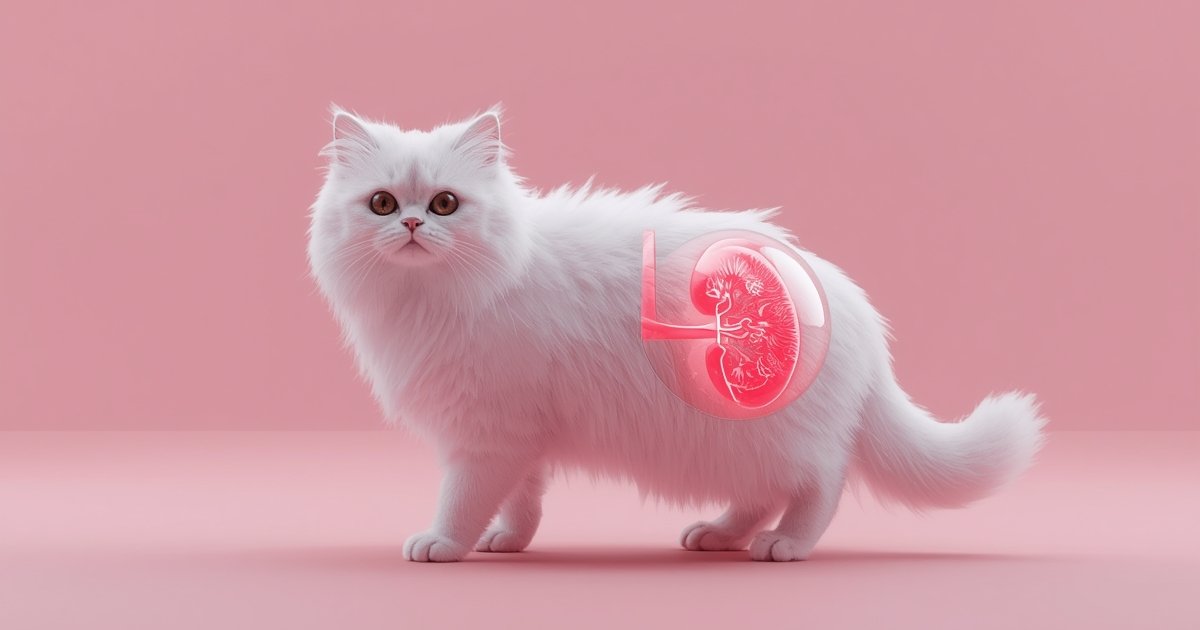
Meta Description: Unlock your Persian cat’s longevity! Discover essential tips for Persian kidney health, from diet to early detection and preventative care, ensuring a vibrant life for your feline friend.
The Unique Challenges of Persian Kidney Health
Persian cats, with their luxurious coats and endearing flat faces, capture hearts worldwide. Yet, beneath their calm demeanor lies a predisposition to certain health conditions, with paramount concern placed on their kidneys. Maintaining optimal Persian kidney health is not just about extending their lifespan, but about ensuring every year is filled with comfort and vitality. This guide delves into the specifics of kidney care for this beloved breed, providing actionable insights for concerned owners.
Understanding the specific vulnerabilities of Persian cats allows owners to be proactive rather than reactive. By focusing on preventive measures and early detection, we can significantly impact the quality of life for these beautiful felines. This includes understanding their genetic predispositions and adopting a holistic approach to their overall well-being.
Understanding Polycystic Kidney Disease (PKD) in Persians
Polycystic Kidney Disease (PKD) is the most prevalent inherited kidney disorder in Persian cats and Persian-related breeds. This genetic condition causes numerous fluid-filled cysts to form in the kidneys, gradually enlarging and compromising kidney function over time. While cysts are present from birth, they typically grow slowly, meaning clinical signs often don’t appear until cats reach middle age or become seniors.
The genetic basis of PKD is autosomal dominant, meaning a cat only needs to inherit one copy of the defective gene from a parent to develop the disease. This makes genetic testing crucial for breeders to prevent passing the condition to future generations. For pet owners, understanding the genetic history of their Persian is an important first step in assessing their risk.
How PKD Develops and Manifests
Initially, the cysts are microscopic and cause no noticeable symptoms. As they grow, they begin to displace healthy kidney tissue, reducing the organ’s ability to filter waste products from the blood. This progressive decline in kidney function is what eventually leads to signs of renal failure.
Common symptoms that may indicate advanced PKD or other forms of kidney disease include:
– Increased thirst (polydipsia) and urination (polyuria)
– Weight loss despite a normal or increased appetite
– Lethargy and weakness
– Poor coat condition
– Vomiting and loss of appetite
– Oral ulcers or bad breath (due to toxin buildup)
– Abdominal pain or enlarged kidneys detectable on physical examination
It’s vital for owners to monitor their Persian’s behavior and habits closely. Subtle changes can be early indicators of underlying issues, allowing for intervention before the disease progresses too far. Regular veterinary check-ups are indispensable for catching these signs.
Genetic Testing and Risk Assessment
For Persian cat owners, especially those considering breeding, genetic testing for PKD is highly recommended. A simple DNA test can determine if a cat carries the PKD1 gene, which is responsible for the condition. Cats testing positive are affected by PKD, even if they show no clinical signs, and will pass the gene to 50% of their offspring.
Knowing your cat’s genetic status allows for appropriate management strategies and informed decisions regarding breeding. Breeders can use this information to eliminate affected cats from their breeding programs, thereby reducing the prevalence of PKD in the breed over time. For pet owners, a positive test means closer monitoring and proactive care will be necessary to manage Persian kidney health.
Early Detection and Diagnosis: The Cornerstone of Persian Kidney Health
Proactive screening and early diagnosis are critical for managing kidney disease in Persian cats, especially given their predisposition to PKD. Unlike many other illnesses, kidney disease often progresses silently in its initial stages, with clinical signs only appearing once significant damage has occurred. This makes regular veterinary examinations and specialized diagnostic tests invaluable tools for maintaining optimal Persian kidney health.
The Role of Regular Veterinary Check-ups
Annual or bi-annual wellness exams are fundamental. During these visits, your veterinarian will perform a thorough physical examination, checking for any abnormalities. They will also discuss your cat’s behavior, appetite, and water intake, all of which can provide clues about kidney function. For older Persians, more frequent check-ups are often recommended.
Establishing baseline data early in your cat’s life is incredibly beneficial. Knowing your cat’s normal kidney values (e.g., creatinine, BUN) when they are healthy allows your vet to identify even subtle changes that might indicate early-stage disease later on. This proactive approach significantly improves the chances of successful management.
Diagnostic Tools for Kidney Disease
Several diagnostic tools are employed to assess kidney health:
– **Blood Tests:**
– **Creatinine and Blood Urea Nitrogen (BUN):** Elevated levels of these waste products indicate that the kidneys are not filtering efficiently. However, these values often only rise significantly when kidney function has decreased by 75% or more.
– **Symmetric Dimethylarginine (SDMA):** This newer biomarker can detect kidney disease much earlier, often when only 40% of kidney function has been lost. It’s a highly recommended test for early screening, especially in predisposed breeds like Persians.
– **Phosphorus and Calcium:** Imbalances in these minerals can occur with kidney disease.
– **Urinalysis:**
– A comprehensive urinalysis evaluates urine specific gravity (concentration ability), protein levels, and the presence of blood cells, crystals, or bacteria. Low urine specific gravity suggests the kidneys are unable to concentrate urine effectively, an early sign of kidney dysfunction.
– Urine protein-to-creatinine ratio (UPC) is important for assessing protein loss, which can exacerbate kidney damage.
– **Imaging Studies:**
– **Ultrasound:** This is the gold standard for diagnosing PKD. It allows the veterinarian to visualize the kidneys, identify and measure cysts, and assess overall kidney architecture. Ultrasound can detect cysts even in very young cats before clinical signs emerge.
– **X-rays:** Can sometimes show abnormally sized kidneys but are less sensitive for early detection of cysts than ultrasound.
– **Blood Pressure Measurement:** High blood pressure (hypertension) is both a cause and consequence of kidney disease. Regular blood pressure monitoring is vital, as hypertension can further damage the kidneys and other organs.
If your veterinarian suspects kidney issues based on these tests, they may recommend further diagnostics or a referral to a veterinary internal medicine specialist. Early and accurate diagnosis of Persian kidney health issues provides the best foundation for developing an effective management plan, which can significantly improve your cat’s prognosis and quality of life.
Nutritional Strategies for Optimal Kidney Function
Diet plays a paramount role in supporting kidney health, particularly in cats predisposed to kidney disease. For Persian cats, a carefully formulated diet can help slow the progression of kidney issues, manage symptoms, and improve overall well-being. This involves specific adjustments to protein, phosphorus, and sodium levels, along with a strong emphasis on hydration.
Specialized Renal Diets
Veterinary therapeutic renal diets are specifically designed to meet the nutritional needs of cats with kidney disease. These diets typically feature:
– **Controlled, High-Quality Protein:** While protein is essential, excessive protein can increase the workload on compromised kidneys. Renal diets provide just enough high-quality protein to maintain muscle mass without overtaxing the kidneys with waste products.
– **Reduced Phosphorus:** High phosphorus levels are detrimental to kidney patients and can contribute to further kidney damage. Renal diets are formulated with significantly lower phosphorus content.
– **Reduced Sodium:** Lower sodium helps manage blood pressure, which is often elevated in cats with kidney disease.
– **Increased Omega-3 Fatty Acids:** Omega-3s (EPA and DHA) have anti-inflammatory properties that can help protect kidney cells and slow disease progression.
– **Alkaline-Producing Agents:** These can help counteract metabolic acidosis, a common complication of kidney failure.
– **Increased B Vitamins:** Cats with kidney disease often excrete more water, leading to depletion of water-soluble B vitamins.
It is crucial to consult your veterinarian before switching your cat to a renal diet. These prescription diets are formulated for specific medical conditions and may not be appropriate for healthy cats. Your vet will recommend the best diet based on your Persian’s specific stage of kidney disease and overall health.
The Importance of Hydration
Hydration is perhaps one of the most critical aspects of managing Persian kidney health. Adequate water intake helps the kidneys flush out waste products more efficiently and prevents dehydration, which can worsen kidney function.
– **Wet Food:** Feeding a diet primarily composed of wet (canned) food significantly increases a cat’s daily water intake compared to dry kibble. Even if your cat is on a prescription dry renal diet, incorporating a wet renal formulation is highly beneficial.
– **Water Fountains:** Many cats prefer moving water to still water. A circulating water fountain can entice your Persian to drink more throughout the day. Ensure the water is fresh and the fountain is cleaned regularly.
– **Multiple Water Bowls:** Place several water bowls around the house in quiet, easily accessible locations. Experiment with different bowl materials (ceramic, glass, stainless steel) as some cats have preferences.
– **Flavoring Water:** Some owners have success adding a small amount of low-sodium chicken broth (without onion or garlic) or tuna juice to water to encourage drinking. Always check with your vet first.
Supplements and Considerations
While diet is primary, certain supplements might be beneficial under veterinary guidance:
– **Phosphorus Binders:** If dietary phosphorus restriction isn’t enough, vets may prescribe phosphorus binders to be given with meals. These bind to phosphorus in the gut, preventing its absorption.
– **Omega-3 Fatty Acids:** Even with a renal diet, additional omega-3 supplementation might be recommended for its anti-inflammatory effects.
– **Probiotics:** A healthy gut microbiome can indirectly support kidney function and reduce toxin buildup.
– **Antioxidants:** Vitamins E and C, and other antioxidants, may help mitigate oxidative stress on kidney cells.
Always discuss any supplements with your veterinarian before administering them, as some can interact with medications or be harmful in specific conditions. The goal is to create a comprehensive nutritional plan that supports your Persian’s kidney health without causing other imbalances.
Enhancing Hydration and Dietary Compliance
Comparison of Hydration Aids and Renal Diet Foods
| Product | Price | Pros | Cons | Best For |
|---|---|---|---|---|
| PetSafe Drinkwell Ceramic Pagoda Fountain | $80-$100 | Encourages drinking with free-falling water streams; ceramic is easy to clean and hygienic. | Higher initial cost; requires regular filter replacement and cleaning. | Cats preferring multiple water streams, owners seeking durable and aesthetically pleasing options. |
| SureFeed Microchip Pet Feeder Connect | $150-$180 | Connects to app for food intake monitoring; only opens for specific pet, ideal for multi-pet households needing diet control. | High price point; requires batteries and a hub; app can be complex. | Persian cats on strict prescription diets, multi-cat homes to prevent food stealing. |
| Royal Canin Veterinary Diet Renal Support E (Canned) | $40-$50 (12-pack) | Palatable, high moisture content, specifically formulated for feline renal disease. | Prescription required; some cats may still be finicky. | Cats with diagnosed kidney disease needing a prescription wet food diet. |
| Purina Pro Plan Veterinary Diets NF Kidney Function (Dry) | $40-$60 (6lb bag) | Controlled protein, phosphorus, and sodium; convenient for free-feeding or owners preferring dry food. | Lower moisture content than wet food; prescription required. | Cats with kidney disease who prefer or require a dry food component. |
Preventative Care and Lifestyle Adjustments
Beyond diet and early detection, a holistic approach to your Persian cat’s lifestyle can significantly contribute to their long-term health and mitigate the impact of potential kidney issues. Preventative care is not just about avoiding illness but about fostering an environment where your cat can thrive.
Stress Reduction for Overall Well-being
Stress can impact a cat’s immune system and overall health. For Persians, who are often quite sensitive, a stable and predictable environment is key.
– **Consistent Routine:** Cats thrive on routine. Maintain regular feeding times, play sessions, and litter box cleaning schedules.
– **Quiet Spaces:** Ensure your Persian has access to quiet, safe spaces where they can retreat and relax, especially in multi-pet households or busy homes.
– **Environmental Enrichment:** Provide scratching posts, toys, and opportunities for mental stimulation. Even indoor cats benefit from supervised access to secure outdoor enclosures or window perches.
– **Positive Reinforcement:** Use gentle handling and positive reinforcement during interactions. Avoid loud noises or sudden changes that might startle them.
Maintaining a Healthy Weight and Activity Level
Obesity can exacerbate many health problems, including kidney disease. An overweight cat’s kidneys work harder, and excess weight can contribute to other conditions like diabetes, which further strains the renal system.
– **Portion Control:** Follow your veterinarian’s dietary recommendations regarding portion sizes. Use measuring cups or a kitchen scale to ensure accuracy.
– **Regular Play:** Engage your Persian in daily play sessions using toys like feather wands, laser pointers (with a physical reward at the end), or interactive puzzles. While Persians aren’t typically highly energetic, even short bursts of activity are beneficial.
– **Monitor Weight:** Regular weigh-ins at home or during vet visits can help track your cat’s weight and ensure they maintain a healthy body condition score.
Environmental Considerations and Avoiding Toxins
Many common household items can be toxic to cats and severely damage their kidneys. Being vigilant about your home environment is crucial for Persian kidney health.
– **Toxic Plants:** Research common houseplants and remove any that are toxic to cats (e.g., lilies, sago palms, oleander).
– **Household Chemicals:** Store cleaning products, antifreeze, pesticides, and other chemicals safely out of reach. Antifreeze, in particular, is highly toxic and often palatable to cats.
– **Medication Safety:** Keep all human medications securely stored. Never administer human medications to your cat without specific veterinary guidance.
– **Avoid Nephrotoxic Substances:** Be aware of certain over-the-counter pain relievers (like NSAIDs), some antibiotics, and other drugs that can be harmful to kidneys, especially in cats with pre-existing conditions. Always consult your vet before giving any medication.
– **Clean Litter Boxes:** A dirty litter box can lead to a cat holding their urine, potentially causing urinary tract infections or kidney issues. Scoop at least once daily and thoroughly clean the box weekly.
By implementing these preventative measures and lifestyle adjustments, you create a supportive environment that not only promotes overall well-being but also directly contributes to the long-term maintenance of your Persian’s kidney health.
Advanced Treatments and Future Outlook for Persian Kidney Health
While early detection and preventive care are paramount, understanding the advanced treatments available and the ongoing research in feline nephrology provides hope and options for Persian cats with progressive kidney disease. Managing advanced kidney disease often requires a multi-faceted approach, combining medication, supportive therapies, and sometimes, specialized interventions.
Medication Management
For cats with chronic kidney disease (CKD), several medications are commonly used to manage symptoms and slow progression:
– **Phosphorus Binders:** As mentioned, these reduce the absorption of dietary phosphorus, which is crucial for kidney health.
– **ACE Inhibitors (e.g., benazepril):** These medications can help reduce proteinuria (protein loss in urine) and manage high blood pressure, thereby protecting kidney function.
– **Angiotensin Receptor Blockers (ARBs):** Similar to ACE inhibitors, ARBs can also help with proteinuria and blood pressure management.
– **Antihypertensives (e.g., amlodipine):** Specifically for managing high blood pressure, which is a common complication and accelerator of kidney disease.
– **Potassium Supplements:** Some cats with CKD may develop low potassium levels, requiring supplementation.
– **Appetite Stimulants:** Medications like mirtazapine can help improve appetite and reduce nausea, which are common issues in cats with advanced kidney disease.
– **Anti-Nausea Medications:** Maropitant (Cerenia) can be used to control vomiting and nausea.
Regular veterinary monitoring, including blood and urine tests, is essential to adjust medication dosages and ensure their effectiveness while minimizing side effects.
Fluid Therapy
For cats experiencing dehydration or more advanced stages of kidney disease, fluid therapy can be life-saving.
– **Subcutaneous (Sub-Q) Fluids:** Many owners are taught to administer fluids under the skin at home. This can help maintain hydration, flush toxins, and support kidney function. It’s a relatively simple procedure that can significantly improve a cat’s quality of life.
– **Intravenous (IV) Fluids:** In more acute crises or severe dehydration, IV fluids administered in a veterinary hospital provide rapid rehydration and support.
Your veterinarian will determine if and when fluid therapy is appropriate for your Persian, as well as the type and frequency of administration.
Emerging Research and Future Directions
The field of veterinary nephrology is constantly evolving, offering new hope for cats with kidney disease, including Persian kidney health concerns.
– **Stem Cell Therapy:** Research into mesenchymal stem cell therapy for kidney disease is ongoing. Stem cells have the potential to reduce inflammation, promote tissue repair, and slow the progression of kidney damage. While not yet a widespread standard treatment, it holds promise for the future.
– **Advanced Diagnostics:** Continuous development of more sensitive biomarkers and imaging techniques aims to detect kidney disease even earlier, allowing for earlier intervention.
– **Dietary Innovations:** Ongoing research refines the understanding of feline nutritional needs in kidney disease, leading to ever more effective therapeutic diets.
– **Targeted Therapies for PKD:** Specific research focuses on inhibiting cyst growth in PKD. While a definitive cure is still elusive, advancements in understanding the cellular mechanisms of cyst formation could lead to new therapeutic targets.
Collaborating with a veterinary internal medicine specialist or a veterinary nephrologist can provide access to the latest information and treatment options. These specialists have advanced training in kidney diseases and can offer tailored management plans for complex cases. They are often at the forefront of implementing new research findings into clinical practice.
Monitoring and Long-Term Management
Effective long-term management of Persian kidney health relies heavily on consistent monitoring and adaptation of care plans as the disease progresses. This comprehensive approach involves a partnership between the owner and the veterinary team, aiming to maximize comfort and maintain a good quality of life for the feline patient.
At-Home Monitoring and Observation
As an owner, you are on the front lines of observing your cat’s health. Regular at-home monitoring can provide valuable insights for your vet.
– **Water Intake and Urination:** Keep track of how much your cat drinks and how often they urinate. Significant increases or decreases can be red flags.
– **Appetite and Food Intake:** Note any changes in appetite, pickiness, or refusal to eat. A decrease in food intake can quickly lead to weight loss and weakness.
– **Weight:** Weigh your cat regularly (e.g., weekly or bi-weekly). Weight loss is a common sign of kidney disease progression.
– **Vomiting or Diarrhea:** Monitor for these gastrointestinal symptoms, which can indicate toxin buildup.
– **Energy Levels and Behavior:** Observe any changes in your cat’s usual activity level, alertness, or demeanor. Lethargy or increased hiding can be signs of discomfort.
– **Coat Condition:** A dull, unkempt coat can sometimes be a sign of illness in cats who stop grooming themselves effectively.
Keeping a log of these observations can be incredibly helpful for your veterinarian during follow-up appointments.
Regular Veterinary Follow-Ups
Consistent veterinary oversight is crucial for managing chronic kidney disease. The frequency of visits will depend on the stage and stability of your Persian’s condition, but often ranges from every 3 to 6 months.
– **Blood and Urine Tests:** These will be repeated to monitor kidney values (SDMA, creatinine, BUN, phosphorus), potassium, and red blood cell count (anemia is common).
– **Blood Pressure Checks:** Regular blood pressure monitoring is vital to manage hypertension, which can further damage the kidneys.
– **Physical Examination:** Your vet will assess your cat’s hydration, body condition, and overall health.
– **Medication Adjustments:** Doses of medications will be adjusted based on test results and clinical signs.
These follow-ups allow the veterinary team to proactively address any changes and optimize the treatment plan, ensuring the best possible outcome for your Persian’s kidney health.
Quality of Life Assessments and Palliative Care
As kidney disease progresses, the focus often shifts to maintaining comfort and quality of life. Open communication with your veterinarian about your cat’s well-being is essential.
– **Pain Management:** Cats are masters at hiding pain. If there’s any indication of discomfort, discuss pain management options with your vet.
– **Environmental Adaptations:** Ensure easy access to food, water, and litter boxes. Consider raised bowls to make eating more comfortable.
– **Emotional Support:** Continue to provide love, comfort, and enrichment. Gentle grooming and quiet cuddle times can significantly reduce stress.
– **Euthanasia Discussion:** While a difficult topic, discussing quality of life and humane euthanasia with your veterinarian is an important part of responsible pet ownership for end-stage disease. This helps ensure that your cat does not suffer needlessly.
Support groups for owners of cats with kidney disease can also provide a valuable community for sharing experiences, advice, and emotional support. Managing Persian kidney health is a marathon, not a sprint, and having a supportive network can make a significant difference.
Embarking on the journey of managing your Persian cat’s kidney health demands vigilance, dedication, and a strong partnership with your veterinary team. From understanding the genetic predisposition to PKD to implementing daily preventative care and adapting to advanced treatments, every step contributes to a longer, more comfortable life for your beloved feline. Proactive dietary adjustments, consistent hydration, regular veterinary check-ups, and thoughtful home monitoring form the bedrock of successful management. By staying informed and engaged, you empower yourself to make the best decisions for your Persian, ensuring their golden years are as vibrant and healthy as possible.
Remember, your veterinarian is your primary resource for personalized advice and care. Don’t hesitate to reach out to them with any concerns or questions regarding your Persian cat’s health journey.
Frequently Asked Questions (FAQ)
What is the most common kidney disease in Persian cats?
The most common inherited kidney disease in Persian cats is Polycystic Kidney Disease (PKD). This genetic condition causes fluid-filled cysts to form in the kidneys, leading to a gradual decline in kidney function over time.
How can I tell if my Persian cat has kidney problems?
Early signs can be subtle, but common indicators include increased thirst and urination, weight loss despite a good appetite, lethargy, vomiting, and a dull coat. Regular vet check-ups and diagnostic tests are crucial for early detection.
What diet is best for Persian kidney health?
For cats with diagnosed kidney issues, a veterinary prescription renal diet is typically recommended. These diets have controlled levels of protein, phosphorus, and sodium, and increased omega-3 fatty acids. High moisture content (wet food) is also vital for hydration.
Can PKD be prevented in Persian cats?
While the condition itself cannot be prevented in an individual cat that inherits the gene, its prevalence in the breed can be reduced through responsible breeding practices. Genetic testing of breeding cats helps identify carriers and prevent passing the PKD1 gene to offspring.
How often should my Persian cat be screened for kidney disease?
For healthy Persians, annual wellness exams including blood and urine tests are generally recommended. For older cats or those with a history of kidney concerns, your veterinarian may recommend more frequent check-ups, often every 3 to 6 months, and specific tests like SDMA.
Leave a Reply