

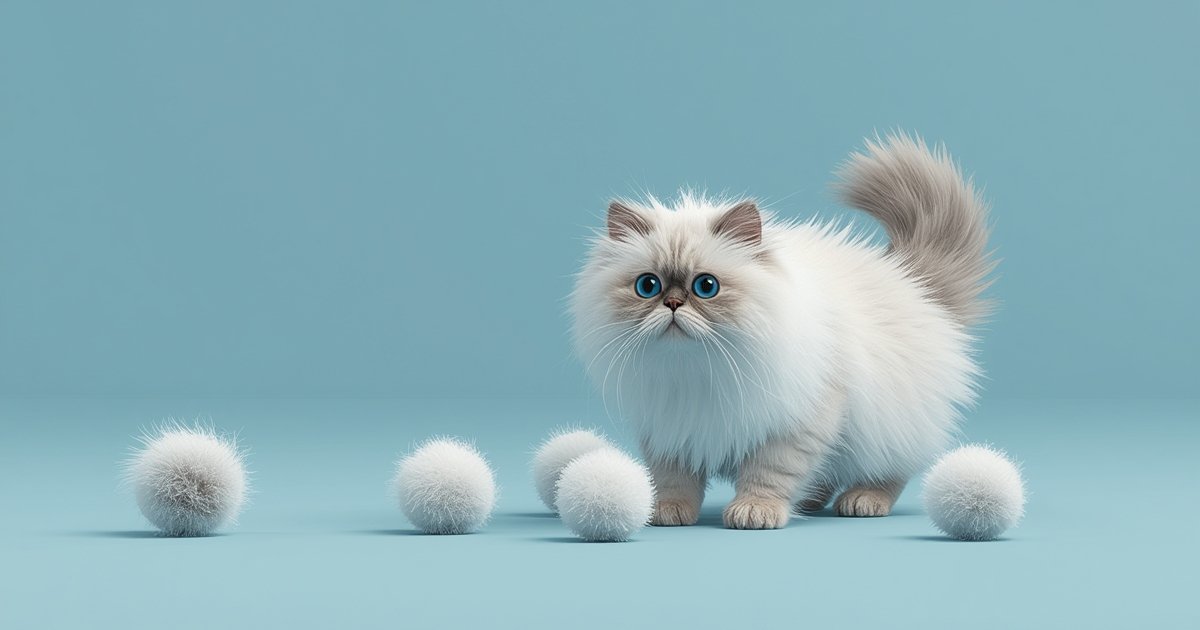
Meta Description: Tired of Persian hairballs? Discover essential digestive health tips for your beloved Persian cat. Learn about diet, grooming, and supplements to prevent hairballs in 2026.
Understanding Persian Hairballs: Why They’re a Unique Challenge
Few things are as alarming to a cat parent as the sound of their beloved furball retching, followed by the unwelcome sight of a hairball. For owners of Persian cats, this experience is often a regular occurrence. These magnificent felines, with their luxurious, long coats, are inherently prone to developing Persian hairballs, making digestive health a top priority for their well-being.
The sheer volume of fur on a Persian means that during their diligent self-grooming, they ingest significantly more loose hair than short-haired breeds. This ingested hair can accumulate in their digestive tract, forming dense masses that are difficult to pass. Understanding this unique predisposition is the first step in effective hairball management.
The Mechanics of Hairball Formation
When your Persian grooms itself, tiny barbed structures on its tongue act like a comb, pulling out loose and dead fur. This fur is then swallowed. While small amounts usually pass through the digestive system without issue, the extensive grooming habits and long hair of Persians mean a higher chance of accumulation.
The stomach’s natural contractions typically help move food and small amounts of hair through the digestive tract. However, if the hair accumulates too quickly or forms a mass too large to pass, it irritates the stomach lining, leading to vomiting. This is your cat’s way of expelling the blockage.
Risks of Untreated Persian Hairballs
While occasional vomiting of a hairball is generally not a cause for alarm, frequent or large hairballs can indicate underlying digestive issues and pose serious health risks. Beyond the discomfort of vomiting, chronic hairballs can lead to more severe complications.
Potential problems include intestinal blockages, which are medical emergencies requiring immediate veterinary intervention. Symptoms such as lethargy, loss of appetite, constipation, or repeated unproductive retching should always prompt a visit to your vet. Preventing Persian hairballs is not just about cleanliness; it’s about protecting your cat’s internal health.
The Dietary Approach: Fueling a Healthy Gut
Diet plays a pivotal role in managing and preventing Persian hairballs. What your cat eats directly impacts their digestive system’s ability to process ingested fur. A well-chosen diet can significantly reduce the frequency and severity of hairball episodes.
Focusing on high-quality ingredients and appropriate nutrient balance is crucial for maintaining a healthy digestive tract. This foundational approach supports overall gut health, which in turn helps hair pass through more smoothly.
Importance of High-Quality, Easily Digestible Food
Feeding your Persian a premium cat food is paramount. Look for formulas with real meat as the first ingredient, avoiding excessive fillers like corn, wheat, or soy, which can be harder for cats to digest. A diet rich in animal protein supports strong muscles and a healthy coat, potentially reducing excessive shedding.
Digestibility is key. Foods that are easily broken down by your cat’s system leave less undigested material to combine with swallowed hair. This minimizes the bulk that needs to pass through the intestines, making it less likely for hair to clump and form hairballs.
Fiber and Its Role in Hairball Prevention
Dietary fiber is an essential component in managing Persian hairballs. Fiber adds bulk to stool and helps move contents through the digestive tract. It acts like a broom, sweeping ingested hair along with other waste materials.
Many specialized hairball control diets contain increased levels of natural fibers, such as psyllium husk, beet pulp, or cellulose. These ingredients help to encapsulate the hair and facilitate its passage, making it less likely to form a problematic hairball. Always consult your vet before making significant dietary changes.
Specific Hairball Control Diets and Hydration
Veterinary science has developed specialized hairball control diets formulated to support digestive health and minimize hairball formation. These diets often feature a unique blend of fibers, sometimes coupled with specific fats and proteins designed for coat health and digestive motility.
Hydration is equally critical. A well-hydrated digestive system functions more effectively, allowing contents to move more freely. Ensure your Persian always has access to fresh, clean water. Consider a cat water fountain, as many cats prefer running water, which can encourage them to drink more. Adequate water intake helps keep the digestive tract lubricated and supports the passage of hair.
Grooming Routines: Your First Line of Defense Against Persian Hairballs
Given the Persian’s magnificent coat, consistent and thorough grooming is arguably the most effective strategy against Persian hairballs. Regular grooming physically removes loose hair before your cat can ingest it, significantly reducing the burden on their digestive system.
Establishing a routine that both you and your cat can enjoy is key to long-term success. This isn’t just about preventing health issues; it’s also a wonderful bonding opportunity that helps maintain the beauty of their coat.
The Importance of Daily Brushing Techniques
Daily brushing is non-negotiable for a Persian. A short, consistent session every day is far more effective than an infrequent, lengthy one. Use a variety of tools to tackle different aspects of their coat.
– Start with a wide-toothed comb to gently detangle any mats or knots. Always be gentle, working from the ends towards the skin, supporting the skin to prevent pulling.
– Follow with a slicker brush to remove loose undercoat and dead hair. Use short, soft strokes, moving in the direction of hair growth.
– Finish with a soft bristle brush to smooth the coat and distribute natural oils, leaving it shiny and healthy.
– Pay special attention to areas where hair tends to mat, such as under the legs, behind the ears, and around the tail.
Professional Grooming for Optimal Coat Health
Even with diligent home grooming, professional grooming can offer significant benefits, especially for Persians. A professional groomer has specialized tools and expertise to handle thick coats, stubborn mats, and thorough deshedding.
Regular professional trims can also help manage the length of the coat, making it easier for you to maintain at home. Consider a professional grooming session every 4-6 weeks, or as recommended by your groomer, to keep your Persian’s coat in prime condition and further reduce the risk of hairballs.
Selecting the Right Grooming Tools
Having the correct tools makes a world of difference in grooming efficiency and your cat’s comfort. Investing in quality tools designed for long-haired cats is worthwhile.
– **Wide-toothed metal comb:** Essential for initial detangling.
– **Slicker brush:** Effective for removing loose undercoat and preventing mats.
– **Undercoat rake:** Particularly useful for very dense coats to reach the deeper layers of fur.
– **Soft bristle brush:** For finishing and distributing oils.
– **Deshedding tool (e.g., FURminator):** Use sparingly and carefully, as these can be very effective but also irritating if overused.
– **Grooming gloves:** Some cats enjoy these for a gentle massage and to collect loose fur.
– **Cat-specific nail clippers:** Keep nails trimmed to prevent scratching during grooming sessions.
Supplements and Remedies: A Helping Hand for Digestion
Even with optimal diet and grooming, some Persians may still struggle with hairballs. This is where supplements and specific remedies can offer additional support. These products are designed to either lubricate the digestive tract or aid in the breakdown and passage of ingested hair.
It’s important to choose products specifically formulated for cats and to always consult your veterinarian before introducing any new supplement into your cat’s routine, especially if they have pre-existing health conditions.
Enzymes, Probiotics, and Digestive Aids
A healthy gut microbiome is fundamental to efficient digestion. Probiotic supplements introduce beneficial bacteria to the digestive tract, which can improve nutrient absorption and help regulate gut motility. Digestive enzymes can assist in breaking down food more efficiently, reducing the load on the digestive system.
Some supplements combine these elements to offer comprehensive digestive support. By promoting a balanced and efficient digestive system, these aids can indirectly help in the prevention and management of Persian hairballs by ensuring that the ingested hair moves through the system more smoothly.
Hairball Pastes and Lubricants
Hairball pastes are a common and often effective remedy. These typically contain mild laxatives, petroleum jelly, or mineral oil, which act as lubricants to help swallowed hair slide through the digestive tract. Many also include flavorings to make them more palatable for cats.
Administering these pastes regularly, especially during shedding seasons, can significantly reduce the frequency of hairball vomiting. Always follow the manufacturer’s dosage instructions and observe your cat for any adverse reactions, such as diarrhea.
Comparison of Popular Hairball Management Products
Choosing the Right Hairball Management Product
| Product | Price | Pros | Cons | Best For |
|---|---|---|---|---|
| Laxatone Hairball Paste | $10-$15 | Easy to administer, palatable flavor, effective lubricant. | Can be messy, some cats dislike the texture. | General hairball prevention and mild cases. |
| Greenies Hairball Control Treats | $8-$12 | Convenient treat form, helps with dental health too. | Less potent than pastes, may not be enough for severe cases. | Cats who prefer treats, mild hairball issues. |
| Vet Recommended Hairball Aid Soft Chews | $15-$20 | Contains enzymes and probiotics, palatable soft chew. | Higher price point, might not work for all cats. | Holistic digestive support, cats needing more than just lubrication. |
| Royal Canin Hairball Care Dry Food | $30-$45 (small bag) | Integrated into daily diet, comprehensive approach with fiber blend. | Requires full diet transition, higher cost, may not suit all dietary needs. | Long-term management, cats with consistent hairball problems. |
Lifestyle and Environmental Factors: Creating a Hairball-Free Home
Beyond diet and grooming, a holistic approach to managing Persian hairballs involves considering your cat’s overall lifestyle and home environment. Stress, activity levels, and enrichment can all play a role in digestive health and coat condition.
Creating a calm, engaging environment supports your Persian’s well-being, which in turn contributes to healthier digestion and reduced hairball incidents. A happy cat is often a healthier cat.
Stress Reduction for Better Digestion
Stress can wreak havoc on a cat’s digestive system. Changes in routine, new pets, loud noises, or even a lack of hiding spaces can contribute to feline stress. A stressed cat might overgroom, ingesting even more hair, or experience digestive upset that makes passing hairballs more difficult.
Provide a consistent routine, quiet safe spaces, and gentle interaction. Consider using Feliway diffusers or other calming pheromone products if your cat is prone to anxiety. A calm environment supports a calm digestive tract, making it easier to manage Persian hairballs.
The Role of Play and Exercise
Physical activity is crucial for keeping your cat’s digestive system moving. Regular play and exercise help stimulate intestinal motility, which can aid in the natural passage of ingested hair. A sedentary cat is more likely to experience sluggish digestion, making hairball formation more probable.
Engage your Persian in daily play sessions using interactive toys, feather wands, or laser pointers. Even short bursts of activity can make a difference. Encourage climbing and exploring if safe to do so. An active cat has a more active digestive system.
Environmental Enrichment and Mental Stimulation
A mentally stimulated cat is a happy cat, less prone to stress and boredom-induced overgrooming. Provide vertical spaces like cat trees, scratching posts, and puzzle feeders that make them work for their food.
Regular interaction and new toys can also keep them engaged. By channeling their energy and instincts constructively, you reduce the likelihood of them turning to excessive grooming as an outlet, thereby lessening the amount of hair ingested and minimizing the potential for Persian hairballs.
When to See the Vet: Recognizing Warning Signs
While occasional hairballs are a reality for Persian cat owners, it’s vital to recognize when a hairball problem escalates beyond the norm and requires professional veterinary attention. Early intervention can prevent serious health complications.
Always err on the side of caution when your cat displays unusual symptoms related to their digestive health or general well-being. Your veterinarian is your best resource for accurate diagnosis and tailored treatment plans.
Symptoms Indicating a Serious Issue
Be vigilant for the following signs that suggest a hairball issue is more severe than usual or that there might be an intestinal blockage:
– **Frequent or severe vomiting:** More than once or twice a week, or vomiting large amounts of food/bile.
– **Unproductive retching:** Your cat is trying to vomit but nothing comes up.
– **Loss of appetite or refusal to eat:** A sustained lack of interest in food is a red flag.
– **Lethargy and weakness:** A noticeable decrease in energy levels or reluctance to move.
– **Constipation or difficulty defecating:** Straining in the litter box, hard stools, or no bowel movements.
– **Diarrhea:** While less common with blockages, any significant change in stool consistency warrants attention.
– **Abdominal pain or swelling:** Your cat may react negatively to being touched on the abdomen.
These symptoms can indicate a dangerous intestinal blockage, which is a medical emergency. Do not delay in seeking veterinary care if you observe any of these signs.
The Importance of Preventative Vet Visits
Regular wellness check-ups with your veterinarian are crucial for preventing and managing health issues, including Persian hairballs. During these visits, your vet can assess your cat’s overall health, coat condition, and digestive function.
They can recommend specific dietary changes, discuss suitable supplements, and provide personalized grooming advice. Preventative care helps catch potential problems early, ensuring your beloved Persian remains happy and healthy for years to come. Discussing your hairball concerns proactively can lead to a more effective management plan tailored to your cat’s individual needs.
Frequently Asked Questions
How often should I groom my Persian cat to prevent hairballs?
Ideally, Persian cats should be brushed daily for at least 5-10 minutes. This daily routine is crucial for removing loose fur before your cat can ingest it, significantly reducing the risk of hairball formation.
Can diet alone prevent Persian hairballs?
While a high-quality, fiber-rich diet is a powerful tool in managing hairballs, it’s usually most effective when combined with regular grooming and adequate hydration. For many Persians, a multi-faceted approach yields the best results.
Are hairball pastes safe for long-term use?
Most hairball pastes are formulated for regular use, but it’s always best to consult your veterinarian for long-term administration. They can advise on the appropriate type and dosage based on your cat’s specific health needs and hairball frequency.
What’s the difference between vomiting a hairball and regular vomiting?
Vomiting a hairball typically involves a cylindrical mass of fur, sometimes mixed with food or bile. Regular vomiting usually consists of undigested food or bile without a significant amount of fur. If your cat is frequently vomiting without producing hairballs, it could indicate another digestive issue and warrants a vet visit.
My Persian cat is refusing to eat or is lethargic. What should I do?
These are serious symptoms that could indicate an intestinal blockage or another significant health problem. You should contact your veterinarian immediately for an emergency appointment. Do not wait.
References and Further Reading
- ASPCA: Hairballs
- PetMD: Hairballs in Cats
- Cat Health: Hairballs in Cats
- VCA Animal Hospitals: Hairballs in Cats
Successfully managing Persian hairballs requires a comprehensive approach, integrating careful nutrition, consistent grooming, and sometimes targeted supplements. By staying vigilant and proactive, you can significantly reduce the discomfort and potential health risks associated with these common feline issues. Prioritizing your Persian’s digestive health ensures they lead a long, comfortable, and joyful life.
For personalized advice or to explore more of our resources, feel free to contact Dax AI directly.
Leave a Reply