

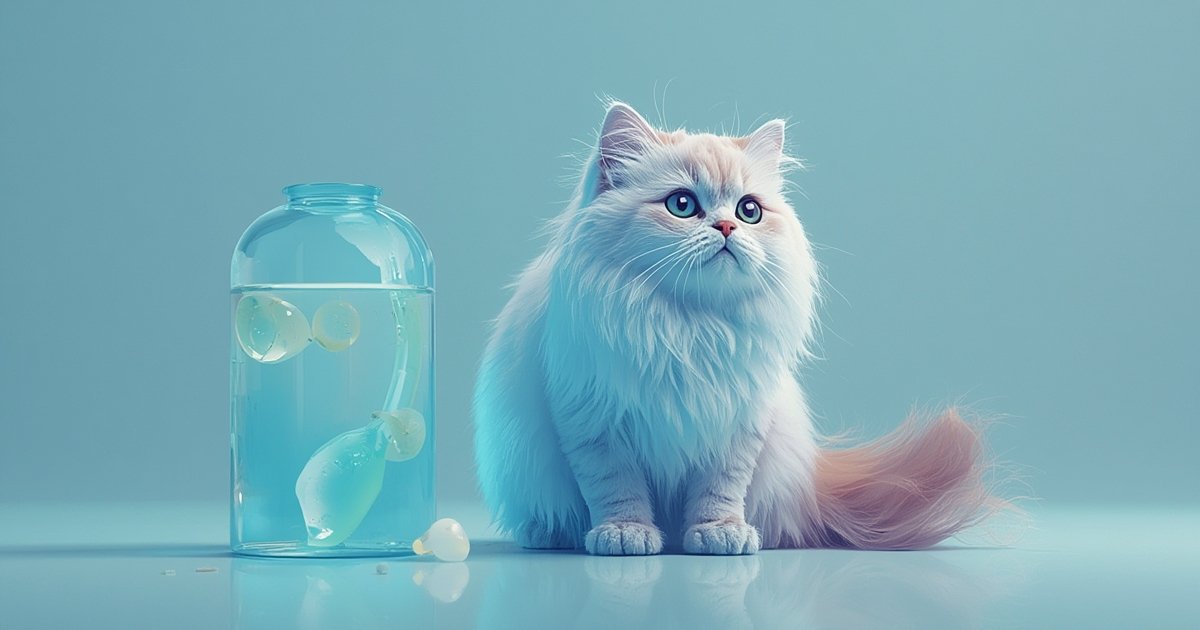
A truly vibrant life for your beloved Persian cat in 2026 begins with a dedicated focus on their overall wellbeing. Ensuring optimal Persian health means understanding their unique needs and proactive care. From their luxurious coats to their distinctive facial features, every aspect contributes to their health, happiness, and longevity.
Understanding the Unique Needs of Persian Cats
Persian cats are renowned for their striking appearance, characterized by their long, flowing coats, round faces, and sweet dispositions. However, these very traits that make them so appealing also present specific care requirements that owners must address for superior Persian health. A deep understanding of these needs is the first step toward providing an exceptional life for your feline companion.
The Distinctive Traits and Their Impact on Persian Health
The flat-faced, or brachycephalic, structure of Persian cats is arguably their most defining feature. While adorable, this facial conformation can lead to several health considerations that require diligent attention. Their respiratory systems can be more prone to issues, as their shortened nasal passages can sometimes make breathing more labored, especially in warm weather or during periods of stress. This can affect their overall Persian health significantly if not managed.
Another consequence of their brachycephalic structure is related to their dental health. The alignment of their teeth can be irregular due to the compact jaw, making them more susceptible to dental disease, tartar buildup, and gum infections. Regular dental care is not just cosmetic; it is a critical component of preventing systemic health problems that can arise from poor oral hygiene.
The Persian’s magnificent long coat is a double-edged sword. It requires extensive grooming to prevent matting, tangles, and skin issues. Without consistent care, mats can pull at the skin, causing pain, discomfort, and even infections. Furthermore, grooming helps distribute natural oils, keeping the skin healthy and reducing shedding. This luxurious fur also means they are more prone to hairballs, a common concern in Persian health.
Persian cats are generally known for their calm and somewhat sedentary nature. While this makes them wonderful indoor companions, it also means they can be prone to weight gain if their diet and exercise are not carefully managed. Obesity can lead to a host of secondary health problems, including diabetes, joint issues, and reduced mobility, all of which compromise their quality of life. Understanding these inherent traits allows you to be proactive in their care.
Optimal Nutrition for Peak Persian Health
Just like humans, a Persian cat’s diet forms the bedrock of their overall health and vitality. Proper nutrition is crucial for maintaining their magnificent coat, supporting organ function, boosting immunity, and managing their specific health predispositions. When we talk about Persian health, diet is often the first and most impactful area we can influence directly.
Choosing the Right Diet for Your Persian
Selecting the right food for your Persian cat involves considering several factors, including their age, activity level, and any specific health conditions. For adult Persians, a high-quality commercial cat food specifically formulated for long-haired breeds or indoor cats is often a good starting point. These formulations typically contain a balanced blend of protein, fats, vitamins, and minerals.
When evaluating food options, prioritize brands that list a high-quality animal protein (like chicken, fish, or turkey) as the first ingredient. Avoid foods with excessive fillers, artificial colors, or by-products. The type of food – kibble versus wet food – also plays a role. Wet food can provide essential hydration, which is beneficial for urinary tract health and can help with hairball passage. Kibble designed for Persians often has larger, specially shaped pieces to encourage chewing and help clean teeth, and may be easier for their flat faces to pick up.
Addressing hairball issues through diet is paramount for Persian health. Look for foods that are specifically marketed as “hairball control” formulas. These typically contain a higher fiber content, which helps move ingested hair through the digestive tract more smoothly, reducing the frequency and severity of hairballs. Incorporating omega fatty acids (omega-3 and omega-6) through supplements or specific foods can also promote a healthy coat and skin, further minimizing shedding and hairball formation.
Portion control and weight management are vital, especially given the Persian’s tendency towards a more relaxed lifestyle. Consult your veterinarian for guidance on the appropriate daily caloric intake for your cat based on their age, weight, and activity level. Use measuring cups to ensure accuracy and avoid free-feeding, which can lead to overeating. Regular weight checks are a simple yet effective way to monitor their nutritional health and make adjustments as needed.
Hydration Strategies for Persians
Adequate hydration is critical for all cats, but particularly for Persians, whose predisposition to certain urinary tract issues makes it even more important. While wet food contributes to water intake, many cats still don’t drink enough.
Consider using ceramic or stainless steel water bowls, as some cats dislike the taste left by plastic. Placing multiple water bowls in different locations around your home can encourage more frequent drinking. Investing in a feline water fountain can also be highly effective, as many cats are drawn to the movement and freshness of circulating water. Ensuring fresh, clean water is always available is a simple yet powerful step in supporting your Persian’s health.
Grooming Essentials: More Than Just a Pretty Face
Grooming a Persian cat is an art and a science, but most importantly, it’s a non-negotiable part of maintaining their overall Persian health. Their luxurious, long coats are prone to matting, and their unique facial structure requires special attention. Regular, consistent grooming not only keeps them looking magnificent but also prevents numerous health issues.
Daily Brushing for a Healthy Coat and Skin
The cornerstone of Persian grooming is daily brushing. This isn’t just about aesthetics; it’s vital for preventing mats and tangles that can cause skin irritation, infections, and discomfort. A slicker brush and a wide-toothed metal comb are essential tools. Start by gently untangling any small knots with the comb, working through the coat section by section. Follow with the slicker brush to remove loose hair and distribute natural oils.
Regular brushing also gives you an opportunity to inspect your cat’s skin for any abnormalities, such as fleas, ticks, lumps, or rashes. This proactive approach can help detect potential health issues early, making treatment more effective. Make brushing a positive experience with treats and praise, building a bond with your cat while caring for their coat.
Tear Stain Management and Eye Care
Persian cats are known for their beautiful, large eyes, but their brachycephalic faces often lead to excessive tearing and tear staining. The folds around their eyes can trap moisture and debris, creating an environment ripe for bacterial growth, which results in unsightly brown stains. Daily cleaning is essential to prevent irritation and infection.
Use a soft, damp cloth or a specialized feline eye wipe to gently clean around their eyes, working from the inner corner outwards. Be careful not to touch the eyeball directly. For stubborn stains, there are safe, non-irritating tear stain removers available. Consult your vet if you notice excessive discharge, redness, or swelling, as these could indicate an underlying eye infection or blocked tear duct, which require professional attention for good Persian health.
Dental Hygiene for Persians
As mentioned, Persian cats are predisposed to dental problems due to their jaw structure. Regular dental care is crucial to prevent plaque and tartar buildup, gum disease, and potential tooth loss. Ideally, you should aim to brush your cat’s teeth daily using a feline-specific toothbrush and toothpaste (never human toothpaste).
Start slowly, introducing the brush and toothpaste gradually. Even a few seconds of brushing can make a difference. Dental treats and water additives can supplement brushing, but they are not a substitute. Annual veterinary dental check-ups are also vital, and your vet may recommend professional cleanings under anesthesia to remove stubborn tartar and address any existing dental issues.
Nail Trimming and Ear Cleaning
Regular nail trimming prevents ingrown claws, which can be painful and lead to infection. Aim to trim your Persian’s nails every 2-4 weeks using cat-specific clippers. Be careful to only trim the tip, avoiding the quick, which contains blood vessels and nerves. If you’re unsure, ask your vet or a professional groomer for a demonstration.
Ear cleaning should be done on an as-needed basis, typically when you notice dirt or wax buildup. Use a veterinarian-approved ear cleaner and cotton balls (never cotton swabs, which can push debris further into the ear canal). Gently wipe the visible parts of the ear. If you notice a foul odor, excessive wax, redness, or your cat is scratching their ears frequently, consult your vet, as these can be signs of an ear infection or mites.
Comparison of Essential Persian Grooming Tools
Maintaining your Persian’s pristine appearance and well-being is made easier with the right tools. Here’s a comparison of some must-have grooming products that contribute significantly to Persian health.
| Product | Price | Pros | Cons | Best For |
|---|---|---|---|---|
| Slicker Brush (e.g., Chris Christensen Big G) | $40-$60 | Excellent for removing tangles and mats without pulling fur; stimulates skin. | Higher price point; can be too harsh if not used gently. | Daily brushing, de-shedding, preventing matting. |
| Metal Grooming Comb (e.g., Safari by Coastal Pet) | $8-$15 | Versatile for detangling, checking for knots, and finishing the coat. | Can pull hair if not used carefully on mats. | Pre-brushing detangling, checking for hidden mats, fine grooming. |
| Tear Stain Remover Wipes (e.g., Eye Envy Wipes) | $20-$30 | Convenient and effective for daily tear stain removal; reduces bacteria. | Requires consistent use for best results. | Daily eye cleaning, preventing and removing tear stains. |
| Pet Toothbrush & Enzyme Toothpaste Kit (e.g., Virbac C.E.T.) | $15-$25 | Specifically formulated for cats; enzymatic action helps break down plaque. | Requires training and cooperation from the cat. | Maintaining oral hygiene, preventing dental disease. |
| Nail Clippers (Scissor Style) | $7-$12 | Ergonomic design, sharp blades for clean cuts. | Risk of cutting the quick if not careful. | Regular nail trimming to prevent overgrowth. |
Proactive Veterinary Care and Monitoring Persian Health
Regular veterinary care is not just about treating illnesses; it’s about preventing them and ensuring your Persian cat enjoys a long, healthy, and happy life. Proactive veterinary visits, coupled with your keen observation at home, form an impenetrable defense for optimal Persian health.
Regular Check-ups and Vaccinations
Even if your Persian appears perfectly healthy, annual (or even semi-annual, especially for seniors) veterinary check-ups are essential. These visits allow your vet to perform a thorough physical examination, checking for subtle signs of underlying health issues that might not be apparent to you. Early detection significantly improves the prognosis for many conditions.
During these visits, your vet will also ensure your cat is up-to-date on all necessary vaccinations. Core vaccines protect against common and potentially fatal feline diseases like rabies, feline distemper (panleukopenia), feline herpesvirus, and calicivirus. Depending on your cat’s lifestyle (e.g., if they have any outdoor access), additional non-core vaccines might be recommended.
Common Health Concerns in Persian Cats
Understanding the genetic predispositions of Persian cats allows for targeted screening and vigilance. One significant concern is Polycystic Kidney Disease (PDK). This inherited condition causes cysts to form in the kidneys, progressively impairing kidney function. A simple genetic test can identify carriers, and early diagnosis through ultrasound can help manage the condition and slow its progression.
Hypertrophic Cardiomyopathy (HCM) is another common cardiac condition in Persians, where the heart muscle thickens, making it harder for the heart to pump blood effectively. Regular veterinary check-ups, including listening to the heart for murmurs, are crucial. In some cases, a cardiac ultrasound (echocardiogram) may be recommended for early detection and management.
Given their brachycephalic structure, respiratory issues are not uncommon. These can range from mild noisy breathing to more severe conditions like brachycephalic airway syndrome, which may require surgical intervention in some cases. Monitoring your cat for signs of labored breathing, snoring, or open-mouth breathing (especially when not hot or stressed) is important.
Eye and skin conditions are also frequent visitors in Persian health. Their propensity for excessive tearing can lead to skin fold dermatitis around the eyes if not kept clean. Additionally, their dense coat can hide skin infections, fungal issues, or parasites. Diligent grooming and prompt veterinary attention for any skin lesions are vital.
Recognizing Warning Signs and When to See Your Vet
As a Persian owner, you are your cat’s first line of defense. Becoming attuned to subtle changes in their behavior, appetite, or physical appearance can be life-saving. Any sudden change in eating habits, significant weight loss or gain, lethargy, hiding more than usual, changes in litter box habits (e.g., straining to urinate, diarrhea, constipation), vomiting, coughing, sneezing, or difficulty breathing warrant immediate veterinary consultation.
Similarly, any persistent changes in their eyes, ears, skin, or coat, such as excessive discharge, redness, lumps, bald patches, or matting that is difficult to remove, should be addressed by a professional. Don’t hesitate to contact your vet if you have concerns; it’s always better to be safe than sorry when it comes to your beloved Persian’s health.
Creating an Enriched and Safe Environment
A vibrant life for your Persian cat extends beyond physical health; it encompasses their mental and emotional well-being too. Providing a stimulating, safe, and comfortable environment is crucial for fostering a happy and well-adjusted feline companion. This holistic approach significantly contributes to their overall Persian health.
Indoor Living and Safety Tips
Persian cats are best suited for indoor living. Their long coats make them vulnerable to outdoor elements, and their gentle nature makes them less equipped to defend themselves against dangers like traffic, predators, or aggressive animals. Keeping them indoors protects them from these external threats and greatly reduces their exposure to parasites and infectious diseases.
Despite being indoors, safety precautions are still necessary. Ensure all toxic household plants are out of reach or removed. Secure cabinet doors, especially those containing cleaning supplies or medications. Keep small objects that could be swallowed, such as rubber bands, string, or small toys, away from curious paws. Child-proof latches can be a wise investment for cabinets in areas your cat frequents.
Mental Stimulation and Play for Active Persian Health
While Persians are known for their calm demeanor, they still need mental and physical stimulation to prevent boredom and maintain a healthy weight. Interactive play helps them burn calories, strengthen muscles, and satisfy their natural hunting instincts. Dedicate at least 15-30 minutes daily to playtime, split into a few shorter sessions.
Toys like feather wands, laser pointers (used carefully to avoid frustration), and small plush mice can encourage activity. Puzzle feeders are excellent for mental enrichment, challenging your cat to “work” for their food. Providing vertical spaces like cat trees or shelves allows them to climb and observe their surroundings from a safe vantage point, which is instinctually satisfying for cats. Rotating toys regularly can keep things fresh and engaging, preventing your Persian from becoming bored with the same old objects.
Stress Reduction Techniques
Cats are creatures of habit, and changes in their environment or routine can cause stress, which can negatively impact their Persian health. Common stressors include new pets, moving to a new home, changes in your schedule, or even loud noises. Creating a stable and predictable environment helps reduce anxiety.
Provide plenty of safe, quiet spaces where your cat can retreat and feel secure, such as cozy beds, cat caves, or high perches. Maintain a consistent feeding and play schedule. If significant changes are unavoidable, introduce them gradually. For example, when introducing a new pet, do so slowly and under supervision. Pheromone diffusers or sprays can also be helpful in creating a calming atmosphere during stressful times. A serene home environment contributes immensely to their emotional stability and overall well-being.
Creating a vibrant life for your Persian cat in 2026 is an ongoing journey of love and diligent care. By understanding their unique needs, providing optimal nutrition, committing to regular grooming, prioritizing proactive veterinary care, and creating an enriched environment, you are laying the foundation for many years of happy and healthy companionship. The joy and affection they bring into our lives are immeasurable, and by investing in their well-being, we honor that special bond.
Take the first step today: review your Persian’s current care routine and identify one area where you can enhance their health. Consult your veterinarian for personalized advice, explore new grooming tools, or simply dedicate more time to interactive play. Your commitment makes all the difference. For more insights into feline health and care, explore our other articles or reach out to us directly.
Frequently Asked Questions (FAQ)
How often should I groom my Persian cat?
Persian cats require daily brushing to prevent mats and tangles in their long coats. Additionally, daily eye cleaning is necessary to manage tear stains. Nail trimming should be done every 2-4 weeks, and ear checks and cleanings as needed.
What are common health issues in Persian cats?
Common health concerns for Persian cats include Polycystic Kidney Disease (PDK), Hypertrophic Cardiomyopathy (HCM), respiratory issues due to their brachycephalic face, and dental problems. They are also prone to eye infections and skin fold dermatitis.
What kind of food is best for a Persian cat?
A high-quality commercial cat food specifically formulated for long-haired breeds or indoor cats is often recommended. Look for food with animal protein as the primary ingredient and consider “hairball control” formulas. Wet food can also aid hydration. Always consult your vet for personalized dietary advice.
How can I prevent hairballs in my Persian?
Regular daily brushing is the most effective way to prevent hairballs by removing loose fur. Additionally, feeding a diet specifically formulated for hairball control, which contains higher fiber, can help. Ensure your cat is well-hydrated, as this aids digestive passage.
Is it normal for Persian cats to snore?
Due to their brachycephalic (flat-faced) structure, it is common for Persian cats to snore or have noisy breathing. However, excessive or labored snoring, open-mouth breathing, or signs of distress should prompt a veterinary visit to rule out serious respiratory issues.
Leave a Reply