

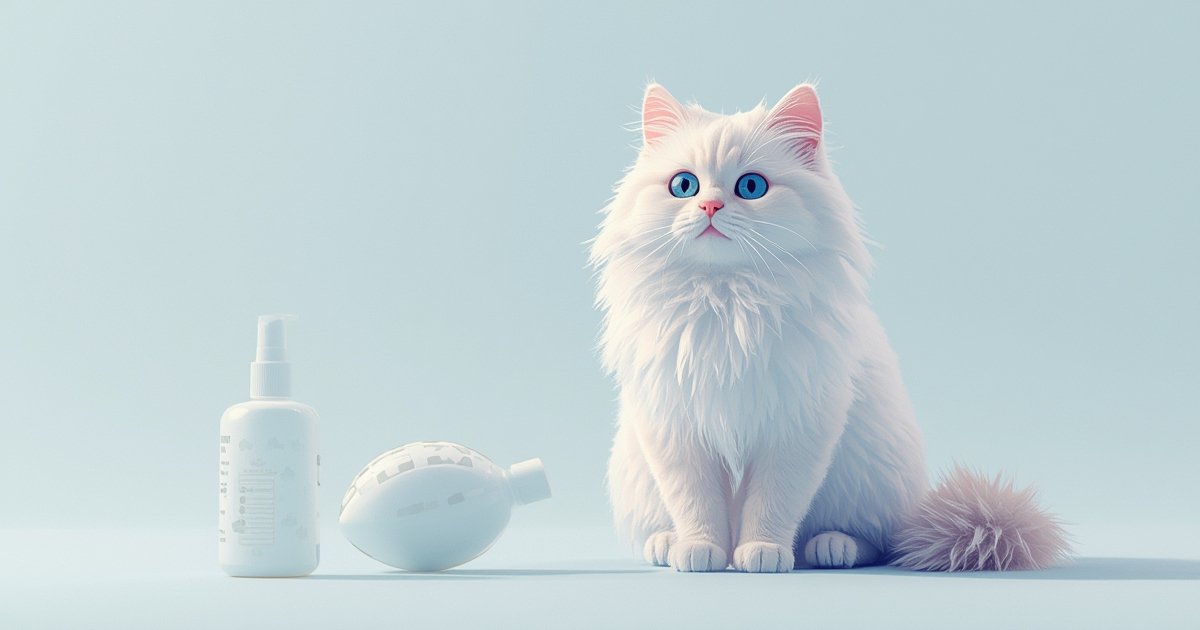
Unlock the top 5 health secrets for your Persian cat in 2026! Discover expert tips on nutrition, grooming, vet care, and more to ensure optimal Persian Health.
The Foundation of Feline Flourish: Understanding Persian Health Needs
Few breeds exude the elegance and charm of the Persian cat. Their luxurious long coats, distinctive flat faces, and serene demeanor make them beloved companions worldwide. However, their unique physical characteristics also come with specific health considerations. Ensuring optimal Persian Health requires a dedicated and informed approach from their devoted human companions.
It’s not enough to simply admire their beauty; understanding the intricacies of their well-being is paramount. As we approach 2026, advancements in feline care provide us with even better strategies to keep these majestic creatures thriving. This guide will delve into the top five health secrets that every Persian cat owner should know, focusing on proactive measures and preventative care to ensure a long, happy, and healthy life for your feline friend.
Secret 1: Tailored Nutrition for a Radiant Coat and Robust Body
Nutrition forms the cornerstone of every cat’s health, and for Persians, it’s particularly critical. Their long, dense fur and brachycephalic (flat) faces present unique challenges that standard cat food might not adequately address. Choosing the right diet is perhaps the most significant step you can take towards excellent Persian Health.
Specialized Diet Formulations
Persian cats often benefit from breed-specific food formulations. These diets are typically designed with larger kibble shapes that encourage slower eating and better digestion, accounting for their unique jaw structure. They also often contain higher levels of omega fatty acids to support their skin and coat health, reducing shedding and promoting shine.
Look for formulas rich in animal-based protein, as cats are obligate carnivores. Avoid foods with excessive fillers like corn, wheat, and soy, which can contribute to allergies or digestive issues. A high-quality diet provides the essential nutrients for energy, muscle maintenance, and overall vitality, contributing immensely to a cat’s Persian Health.
Combatting Hairballs Effectively
Hairballs are a common, albeit unpleasant, reality for long-haired breeds like Persians. Their meticulous grooming habits mean they ingest a significant amount of loose fur. While some hairballs are normal, frequent or large hairballs can indicate digestive trouble and even lead to dangerous blockages.
Incorporating hairball control formulas into their diet is highly beneficial. These foods usually contain a blend of fibers that help ingested hair pass through the digestive system more easily. Additionally, regular brushing significantly reduces the amount of hair your cat swallows, working in tandem with diet to manage this common Persian Health concern.
Hydration is Key
Many cats do not drink enough water, and this can lead to urinary tract issues. For Persians, especially those prone to kidney problems, adequate hydration is essential. While dry kibble is convenient, consider supplementing their diet with wet food, which has a higher moisture content.
Providing multiple water sources, such as ceramic or stainless steel bowls placed in different locations, can encourage drinking. Some cats are fascinated by running water, making pet water fountains an excellent investment. Ensuring consistent access to fresh, clean water is a simple yet powerful way to support their kidney function and overall Persian Health.
Secret 2: The Art of Daily Grooming for Optimal Persian Health
A Persian cat’s magnificent coat is undeniably their most striking feature, but it demands significant dedication to maintain. Proper grooming is not merely for aesthetics; it is a vital component of their health regimen. Neglected fur can quickly lead to painful mats, skin infections, and other serious Persian Health issues.
Daily Brushing Rituals
Daily brushing is non-negotiable for a Persian cat. Their long, fine hair is prone to tangling and matting, especially under the legs, behind the ears, and around the tail. A combination of a wide-toothed comb and a slicker brush is often recommended. Start by gently detangling with the comb, then follow with the slicker brush to remove loose hair and stimulate the skin.
This routine not only prevents mats but also distributes natural skin oils, keeping their coat healthy and shiny. It’s also an excellent bonding opportunity and allows you to check for any skin abnormalities, parasites, or lumps. Regular brushing drastically reduces shedding around the house and minimizes hairball formation, contributing directly to better Persian Health.
Eye and Facial Care
Persian cats’ distinctive flat faces mean they are often prone to excessive tearing, which can stain their fur and lead to skin irritation or infection if not cleaned regularly. Daily cleaning of the eyes and surrounding areas is crucial. Use a soft, damp cloth or veterinary-approved eye wipes to gently clean away discharge.
Be particularly attentive to the folds of skin around their nose and mouth, as these areas can harbor moisture and bacteria. Keeping these areas clean and dry is essential to prevent skin fold dermatitis, a common Persian Health challenge. Your vet can recommend specific cleaning solutions if needed.
Bathing and Nail Trimming
While daily brushing is paramount, periodic bathing is also necessary for Persians, typically every 4-6 weeks, or as needed to keep their coat clean and free of buildup. Use a shampoo specifically formulated for cats, ideally one that is moisturizing and helps detangle. Ensure thorough rinsing to prevent skin irritation.
Nail trimming should also be a regular part of your grooming routine, usually every 2-4 weeks. Overly long claws can get snagged, cause discomfort, or even grow into their paw pads. If you’re unsure how to trim your cat’s nails, your veterinarian or a professional groomer can demonstrate the correct technique.
Specialized Grooming Tools for Persian Health
Investing in the right grooming tools can make a significant difference in the effectiveness and ease of your routine. From specialized brushes to air purifiers that help manage dander, the market offers various products designed to enhance your Persian’s well-being.
Comparison of Essential Persian Grooming Aids
| Product | Price | Pros | Cons | Best For |
|---|---|---|---|---|
| Deshedding Brush (e.g., Furminator) | $30-$50 | Significantly reduces shedding; reaches undercoat efficiently. | Can be harsh if used improperly; not for daily use. | Deep coat maintenance and shedding reduction. |
| Pet Grooming Table with Arm | $80-$150 | Elevates cat for easier access; secure during grooming. | Requires dedicated space; initial investment. | Owners who regularly groom their cats at home. |
| Cat-Specific Waterless Shampoo | $10-$20 | Quick clean-ups between full baths; easy to use. | Less effective for heavy soiling; some cats dislike sprays. | Maintaining freshness and spot cleaning for minor messes. |
| High-Efficiency Pet Air Purifier | $150-$400 | Reduces pet dander, odors, and allergens in the home. | Ongoing filter replacement costs; can be noisy on high settings. | Homes with allergy sufferers or multiple pets; improving overall air quality. |
Secret 3: Proactive Veterinary Care and Preventative Measures
Regular veterinary check-ups are not just for when your cat is sick; they are crucial for maintaining long-term Persian Health. A proactive approach to vet care allows for early detection of potential issues, often before they become serious or difficult to treat.
Annual Wellness Exams
Even if your Persian appears perfectly healthy, an annual veterinary exam is essential. These visits allow your vet to perform a thorough physical assessment, including checking their heart, lungs, teeth, ears, and overall body condition. Blood work and urinalysis may also be recommended, especially as your cat ages, to screen for common feline diseases such as kidney disease, diabetes, and hyperthyroidism.
These routine examinations are invaluable for catching subtle changes that might indicate an underlying health issue specific to Persian cats, such as polycystic kidney disease (PKD), which is prevalent in the breed. Early diagnosis often leads to more effective treatment and better outcomes for your cat’s Persian Health.
Vaccinations and Parasite Control
Keeping your Persian up-to-date on vaccinations is critical for protecting them against common and often life-threatening infectious diseases. Your vet will recommend a vaccination schedule tailored to your cat’s lifestyle and local risk factors. Core vaccines typically include rabies and feline distemper (FVRCP).
Year-round parasite control is equally important. This includes protection against fleas, ticks, heartworms, and intestinal worms. Even indoor cats can be exposed to parasites, so don’t skip this crucial preventative measure. Discuss the best options for your Persian with your veterinarian.
Dental Health is Essential
Dental disease is one of the most common health problems in cats, often leading to pain, infection, and even affecting other organs if left untreated. Regular dental check-ups and professional cleanings under anesthesia are vital for Persian Health. Your vet can assess your cat’s oral health and recommend a cleaning schedule.
Between professional cleanings, you can help maintain their dental hygiene through various methods. Dental treats, water additives, and specially formulated dental diets can help reduce plaque and tartar buildup. Some dedicated owners even train their cats to accept tooth brushing with pet-specific toothpaste and brushes.
Secret 4: Mental Stimulation and Environmental Enrichment
While often perceived as serene and somewhat aloof, Persian cats are intelligent creatures who benefit greatly from mental stimulation and a rich environment. A lack of engagement can lead to boredom, stress, and behavioral problems, all of which can negatively impact their overall Persian Health.
Playtime and Interactive Toys
Dedicated playtime sessions with your Persian cat are crucial. Use interactive toys such as feather wands, laser pointers (with a physical target at the end), and puzzle feeders to engage their hunting instincts. Short, frequent play sessions (10-15 minutes, 2-3 times a day) are often more effective than one long session.
Rotating toys regularly can keep things interesting and prevent boredom. Ensure toys are safe and durable, free from small parts that could be swallowed. Play helps maintain a healthy weight, strengthens your bond, and provides an outlet for their natural energy, contributing to better physical and mental Persian Health.
Vertical Space and Scratching Opportunities
Cats naturally enjoy climbing and observing their surroundings from a high vantage point. Providing vertical space, such as cat trees, shelves, or window perches, can significantly enrich their environment. This allows them to feel secure and survey their “territory.”
Offer a variety of scratching posts and surfaces (sisal, cardboard, carpeted) to satisfy their natural urge to scratch. Scratching helps keep their claws healthy, stretches their muscles, and marks their territory. Placing these items in prominent areas your cat frequents will encourage their use and prevent unwanted scratching of furniture.
Social Interaction and Quiet Spaces
Persians generally enjoy calm environments and affection. While they might not be as boisterous as some other breeds, they appreciate gentle interaction and quiet companionship. Spend time petting, grooming, and talking to your cat. Their need for social interaction varies, so observe your cat’s cues and respect their boundaries.
It’s also important to provide safe, quiet retreats where your Persian can nap undisturbed or retreat when they feel overwhelmed. A comfortable bed in a secluded spot, a cozy cat cave, or a high perch away from household commotion can serve this purpose. Ensuring they have both stimulation and rest contributes significantly to their mental well-being and overall Persian Health.
Secret 5: Creating an Optimal Home Environment
The home environment plays a critical role in the well-being of any cat, but for the often sensitive Persian, it’s particularly vital. A peaceful, clean, and comfortable living space directly impacts their physical and mental Persian Health.
Temperature and Humidity Control
Due to their dense coats, Persian cats can be susceptible to overheating, especially in warmer climates or during summer months. Ensure your home maintains a comfortable, consistent temperature, ideally between 68-75°F (20-24°C). Provide access to cooler spots in the house and ensure they have plenty of fresh water.
While high humidity can contribute to matting and skin issues, extremely dry air can also irritate their skin and respiratory system. A balanced indoor environment is best for their respiratory health and coat condition, impacting their overall Persian Health.
Cleanliness and Hygiene
A clean home is a healthy home for your Persian. Regularly clean their litter boxes (scooping at least once daily) to prevent odors and discourage inappropriate urination. Use unscented litter to avoid irritating their sensitive respiratory systems.
Regular vacuuming helps manage shedding hair and dander, especially important if anyone in the household has allergies. Keep their food and water bowls clean, washing them daily to prevent bacterial growth. A hygienic environment reduces the risk of infections and parasites, promoting better Persian Health.
Reducing Stress and Anxiety
Cats are creatures of habit, and sudden changes or a chaotic environment can cause significant stress. Maintain a predictable routine for feeding, playtime, and grooming. Minimize loud noises and provide a calm atmosphere.
If you anticipate changes (like moving, new pets, or guests), introduce them gradually and provide extra reassurance to your Persian. Pheromone diffusers or calming supplements, as recommended by your vet, can also help manage anxiety in stressful situations, ensuring their mental and emotional well-being, which is integral to their overall Persian Health. A calm cat is generally a healthier cat.
By proactively addressing these five key areas—nutrition, grooming, vet care, mental stimulation, and environmental optimization—you are laying a strong foundation for your Persian cat’s health in 2026 and beyond. Each secret builds upon the others, creating a holistic approach to care that ensures your majestic companion lives a life full of comfort, joy, and vitality.
Ready to elevate your Persian’s well-being? Dive deeper into our resources, subscribe for more expert insights, and give your feline friend the best life possible. For personalized advice or specific concerns, don’t hesitate to contact a trusted veterinarian.
Frequently Asked Questions (FAQ)
How often should I brush my Persian cat?
Persian cats require daily brushing due to their long, dense coats. This prevents matting, reduces shedding, and helps manage hairballs. Focus on areas prone to tangles like behind the ears, under the legs, and around the tail.
What are common health issues for Persian cats?
Persian cats are predisposed to certain health conditions due to their breed-specific traits. These include Polycystic Kidney Disease (PKD), brachycephalic airway syndrome (breathing difficulties due to their flat faces), hypertrophic cardiomyopathy (a heart condition), progressive retinal atrophy (an eye disease), and dental problems.
Is wet food better for Persian cats than dry food?
A combination of high-quality wet and dry food is often recommended for Persian cats. Wet food provides essential hydration and can help with urinary tract health, while dry food can assist with dental hygiene (if specially formulated) and convenient feeding. Discuss the best balance with your veterinarian.
How can I tell if my Persian cat is in pain?
Cats are masters at hiding pain. Subtle signs include changes in behavior (lethargy, hiding, aggression), refusal to eat or drink, changes in litter box habits, difficulty jumping, excessive grooming of a specific area, or unusual vocalizations. If you notice any of these, consult your vet immediately.
Do Persian cats need special litter?
While not strictly “special” litter, Persians often benefit from unscented, low-dust litter to prevent irritation to their sensitive respiratory systems and eyes. Consider larger litter boxes to accommodate their size and encourage use.
Leave a Reply