

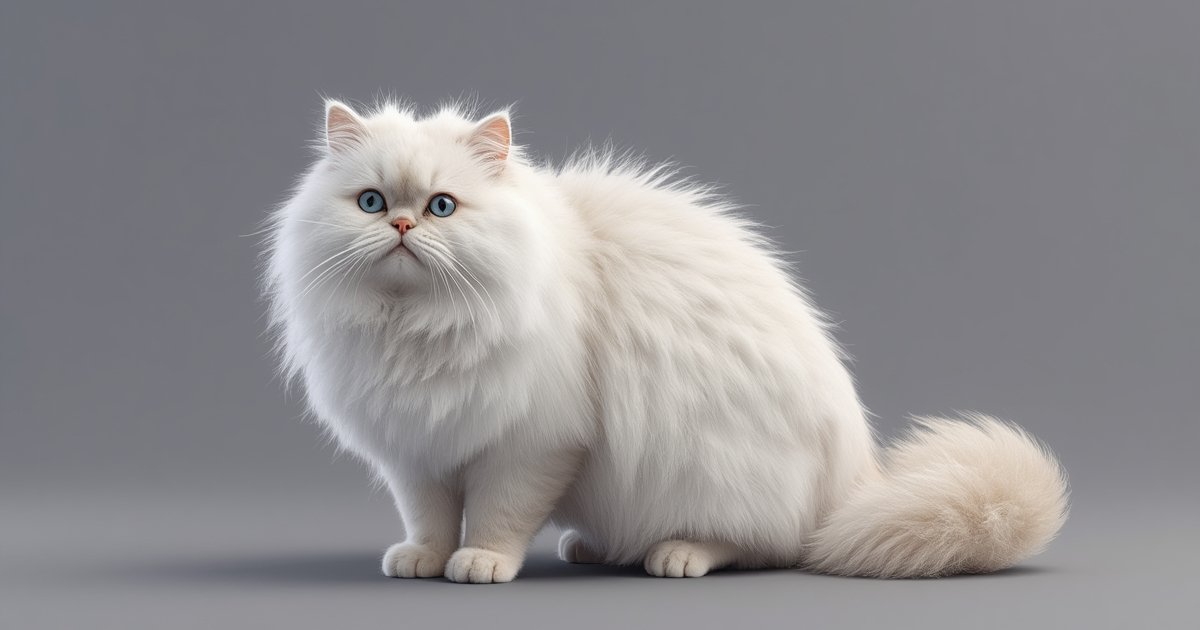
Meta Description: Untangle the mysteries of perfect Persian Grooming! Discover 2026’s secrets to a healthy, shiny coat, expert tips, and essential tools for silky perfection.
Unraveling the Mystique of Persian Grooming for Silky Perfection
Is your beloved Persian cat’s luxurious coat losing its luster, turning into a tangled nightmare instead of a flowing mane? You’re not alone. The breathtaking beauty of a Persian cat comes with the unique responsibility of dedicated care, and mastering Persian grooming is paramount to their health and happiness. With their long, dense fur and sweet, docile personalities, these majestic felines require a consistent and tailored grooming routine to prevent mats, maintain skin health, and keep them looking their regal best. It’s more than just aesthetics; proper grooming prevents discomfort, skin infections, and even behavioral issues.
The year 2026 brings with it refined approaches and a deeper understanding of feline wellness, emphasizing proactive care and specialized techniques for breeds like the Persian. Our guide delves into the essential daily, weekly, and monthly practices that will transform your cat’s fur from a challenge into a crowning glory. We’ll explore everything from the right tools to advanced bathing techniques and nutritional support, ensuring your Persian enjoys a life of silky perfection.
The Daily Ritual: Brushing Your Persian Cat for Health and Shine
Daily brushing is the cornerstone of effective Persian grooming. Neglecting this crucial step, even for a day or two, can lead to severe matting that can only be resolved by professional shaving, which is often a stressful experience for cats. Regular brushing not only keeps their coat tangle-free but also distributes natural skin oils, removes loose hair, and provides a wonderful opportunity for bonding with your feline friend.
The right tools are indispensable for this daily ritual. A good quality metal comb with both wide and fine teeth is essential for tackling different areas of the coat. A slicker brush helps remove loose undercoat and smooth the topcoat, while a natural bristle brush can add a final shine. Consistency is key; aim for at least 15-20 minutes of thorough brushing each day.
Mastering the Brushing Technique
Effective brushing involves more than just a quick run-through. Start by gently parting the fur and brushing in small sections, always working with the natural direction of the hair growth. Pay special attention to areas prone to matting, such as behind the ears, under the armpits, on the belly, and the “britches” (the long fur on their hind legs). These areas gather friction and shed fur quickly, creating stubborn knots.
When you encounter a small tangle, do not pull. Instead, use the wide-toothed comb to gently tease it apart from the ends, working your way up to the skin. For more stubborn mats, a mat splitter or de-matting tool can be used with extreme caution, always prioritizing your cat’s comfort and safety. If a mat is too tight or close to the skin, it’s best to consult a professional groomer rather than risk injuring your cat.
Key Areas for Daily Focus:
- Behind the ears and neck: Prone to small, tight mats.
- Under the armpits and between the legs: High friction areas.
- Belly and chest: Can accumulate food debris and knots.
- Tail and “britches”: Long, dense fur that easily tangles.
Make brushing a positive experience from a young age. Reward your Persian with treats and praise during and after each session. This positive reinforcement will make them associate Persian grooming with pleasant interactions, making future sessions much smoother. Even if your cat seems resistant at first, patience and persistence will pay off, turning grooming into a cherished daily routine.
Bathing Brilliance: Techniques for a Pristine Persian Coat
While daily brushing handles much of the coat maintenance, periodic bathing is crucial for Persians, especially those with lighter coats that can show dirt easily or those prone to greasy fur. A bath helps remove accumulated oils, dirt, and dander that brushing alone cannot tackle, ensuring the skin beneath the dense fur remains healthy. Generally, a Persian cat should be bathed every 4-6 weeks, or more frequently if necessary.
The prospect of bathing a cat can be daunting, but with the right approach and supplies, it can be a manageable, even calm, experience. Preparation is vital: gather all your supplies before bringing your cat into the bathing area. This includes cat-specific shampoo and conditioner, towels, a non-slip mat for the tub, and a small cup or spray nozzle for rinsing.
The Step-by-Step Persian Bathing Process
1. **Pre-Bath Brushing:** Before getting wet, give your Persian a thorough brushing to remove any loose hair and small tangles. Water will tighten mats, making them nearly impossible to remove post-bath.
2. **Water Temperature:** Fill the tub with lukewarm water (about 100°F or 38°C) to a depth of 3-4 inches. Test the temperature with your elbow to ensure it’s comfortable.
3. **Gentle Introduction:** Slowly and calmly introduce your cat to the water. Speak in a soothing voice. Use a non-slip mat to help them feel secure.
4. **Wetting the Coat:** Use a small cup or a gentle spray nozzle to thoroughly wet the coat, avoiding direct spray to the face. You can use a damp washcloth for their face.
5. **Shampoo Application:** Apply a dime-sized amount of cat-specific shampoo, working it into a lather from the neck down, paying attention to the belly and legs. Massage gently, being careful not to rub the fur vigorously, which can create tangles. Always use shampoos formulated for cats, as human shampoos can be too harsh and disrupt their skin’s pH balance.
6. **Thorough Rinsing:** This is the most critical step. Rinse the shampoo out completely until the water runs clear and the fur feels squeaky clean. Any leftover residue can irritate the skin and attract dirt.
7. **Conditioning:** Apply a cat-specific conditioner, allowing it to sit for the recommended time (usually a few minutes) before rinsing it out completely. Conditioner helps detangle and adds shine.
8. **Towel Drying:** Gently squeeze excess water from the fur. Wrap your cat in a large, absorbent towel and gently pat them dry. Do not rub vigorously. You may need several towels.
9. **Blow Drying (Optional):** If your cat tolerates it, a pet-specific force dryer on a low, cool setting can significantly speed up drying and prevent matting. Keep the dryer moving and never use a high or hot setting, which can burn their sensitive skin.
10. **Post-Bath Brushing:** Once mostly dry, give your Persian another gentle brushing to ensure no tangles formed during the bath. This final touch is crucial for maintaining the integrity of their coat.
Making bath time a positive experience requires patience and consistency. Always keep the experience as calm and quiet as possible. A calm environment will help your Persian feel more secure and less stressed.
Beyond the Brush: Comprehensive Persian Grooming Essentials
While brushing and bathing are foundational, a truly comprehensive Persian grooming routine extends to other vital areas of their well-being. These additional steps are essential for preventing common health issues and maintaining overall hygiene.
Nail Trimming: A Gentle Art
Regular nail trims are essential for all cats, but particularly for indoor Persians. Untrimmed nails can grow too long, curve back into the paw pads, causing pain and infection. They can also snag on carpets and furniture, leading to broken nails or injuries. Aim to trim your Persian’s nails every 2-4 weeks.
Use sharp, good-quality cat nail clippers. Gently press on your cat’s paw pad to extend the nail. Only snip the very tip of the nail, avoiding the “quick” – the pink part of the nail that contains blood vessels and nerves. Cutting the quick is painful and will cause bleeding. If you’re unsure, ask your vet or a professional groomer for a demonstration. Making this part of your routine Persian grooming will keep your cat comfortable.
Eye and Ear Care: Keeping Them Clear and Clean
Persian cats are known for their distinctive flat faces, which can lead to excessive tearing and staining around the eyes. Daily eye cleaning is a must. Use a soft, damp cloth or a specialized pet eye wipe to gently clean away any tear stains or discharge. Always use a fresh part of the cloth for each eye to prevent potential cross-contamination. Leaving tear stains uncleaned can lead to skin irritation and infections.
Similarly, inspect your Persian’s ears weekly. Their long ear fur can trap dirt and debris. Use a vet-approved ear cleaner and cotton balls (never Q-tips, which can push debris deeper or injure the ear canal) to gently wipe the outer folds of the ear. If you notice any redness, foul odor, or excessive discharge, consult your veterinarian, as these could be signs of an ear infection.
Oral Hygiene: Preventing Dental Disease
Dental health is often overlooked but is critical for your cat’s overall health. Just like humans, cats can develop plaque, tartar, and gum disease. Brushing your Persian’s teeth several times a week with a cat-specific toothbrush and toothpaste can significantly reduce the risk of dental problems. Start slowly and make it a positive experience with treats.
If daily brushing isn’t feasible, dental treats, water additives, and specialized dental diets can help, but they are not as effective as direct brushing. Regular veterinary check-ups should include a dental examination, and your vet may recommend professional cleanings under anesthesia when necessary.
Comparison of Essential Persian Grooming Tools
Investing in the right tools makes Persian grooming much easier and more effective. Here’s a look at some indispensable items:
Comparison of Essential Persian Grooming Tools
| Product | Price | Pros | Cons | Best For |
|---|---|---|---|---|
| Safari De-matting Comb | $12 – $18 | Effectively breaks down and removes mats without cutting large sections of fur. Ergonomic handle. | Requires careful use to avoid skin irritation; not for very tight mats. | Removing small to medium mats and tangles. |
| Chris Christensen Big G Slicker Brush | $50 – $70 | Large surface area, long pins reach deep into dense coats, prevents matting, creates volume. | Higher price point; some cats may find the pins too firm initially. | Daily brushing, de-shedding, preventing mats in full coats. |
| TropiClean Tear Stain Remover | $10 – $15 | Gentle, natural ingredients, effectively cleans and helps reduce tear stains around the eyes. | Requires consistent daily use for best results; not a cure for underlying medical issues. | Daily cleaning of tear stains and maintaining facial hygiene. |
| FURminator Deshedding Tool (Long Hair) | $30 – $45 | Significantly reduces shedding by removing loose undercoat; ergonomic grip. | Can be too harsh if used incorrectly or too frequently; not a primary detangling tool. | Seasonal de-shedding and managing heavy undercoats. |
The 2026 Perspective: Holistic Approaches to Persian Coat Health
Looking ahead to 2026, the secrets to silky perfection for Persian cats aren’t just about external treatments, but a holistic approach that integrates nutrition, environmental control, and regular veterinary care. A beautiful coat is often a reflection of internal health. Modern Persian grooming emphasizes wellness from the inside out, complementing traditional grooming techniques with advanced understanding of feline physiology.
Nutrition: Fueling a Fabulous Coat
A high-quality diet is fundamental to a healthy coat. Ensure your Persian cat’s food is rich in animal protein and contains essential fatty acids, particularly Omega-3 and Omega-6. These fatty acids are crucial for skin hydration, reducing inflammation, and promoting a shiny, soft coat. Many premium cat foods are formulated with “skin and coat” benefits, incorporating ingredients like fish oil, flaxseed, and biotin.
Consider supplements if your cat’s diet isn’t providing enough of these vital nutrients, but always consult your veterinarian first. Over-supplementation can be harmful. A balanced diet prevents dry, brittle fur, excessive shedding, and flaky skin, all of which contribute to a dull and tangled coat. Optimal nutrition is a key, yet often underestimated, component of successful Persian grooming.
Environmental Factors: Controlling the Elements
The environment plays a significant role in your Persian’s coat health. Dry indoor air, especially during winter months, can dehydrate skin and fur, making it more prone to static and matting. Using a humidifier can help maintain optimal moisture levels in your home, benefiting both your cat’s coat and their respiratory health.
Regular cleaning of your home, especially vacuuming, reduces the amount of loose fur and dander that can accumulate on surfaces and re-deposit into your cat’s coat. Providing a clean, dust-free environment minimizes allergens and keeps their beautiful fur cleaner for longer. Ensuring a comfortable temperature also prevents excessive shedding due to overheating or shivering.
Regular Vet Check-ups: Proactive Health Management
Routine veterinary visits are essential for addressing any underlying health issues that might manifest as coat problems. Skin conditions, allergies, parasites, hormonal imbalances, and nutritional deficiencies can all negatively impact the quality and condition of your Persian’s fur. Your vet can identify and treat these issues before they become severe, making your Persian grooming efforts more effective.
Discuss your grooming routine with your vet. They can offer personalized advice, recommend specific products, or even refer you to a professional groomer if your cat has unique needs or challenges. Proactive health management is an integral part of maintaining a healthy and beautiful Persian coat.
Professional Persian Grooming: When to Call in the Experts
While DIY Persian grooming is incredibly rewarding and often sufficient, there are times when professional help is invaluable. Professional groomers have specialized tools, techniques, and experience with long-haired breeds that can make a significant difference, especially for challenging coats or anxious cats. They can often handle tasks that might be too difficult or stressful for an owner, such as severe mat removal or hygienic trims.
Benefits of Professional Grooming Services
- **Mat Removal:** Professionals can safely and efficiently remove severe mats that are too close to the skin for home care, preventing pain and skin damage.
- **Specialized Tools:** They have access to high-velocity dryers, specialized clippers, and shampoos that can deep clean and condition the densest coats.
- **Hygienic Trims:** A “sanitary trim” around the rear can prevent fecal matter from sticking to the fur, and a “lion cut” can be a great option for cats prone to severe matting or during hot summer months, allowing the fur to grow back fresh.
- **Expert Handling:** Professional groomers are trained to handle stressed or difficult cats, ensuring a safer and less traumatic experience.
- **Skin and Coat Assessment:** They can spot potential skin issues, parasites, or other problems that might be hidden by dense fur, advising owners to seek veterinary care.
Consider scheduling professional Persian grooming every 8-12 weeks, even if you maintain a diligent home routine. This ensures a thorough deep clean and a professional trim that keeps the coat manageable and healthy. For kittens, early exposure to a professional groomer can help them become accustomed to the process, making future sessions less stressful.
When choosing a professional groomer, look for someone with experience specifically with Persian cats and positive reviews. Ask about their techniques for handling anxious cats and their safety protocols. A good groomer will prioritize your cat’s comfort and well-being above all else, ensuring that each visit contributes positively to their overall health and happiness.
Achieving silky perfection for your Persian cat is a journey of consistent effort, the right tools, and a holistic approach to their well-being. By integrating daily brushing, regular bathing, meticulous hygiene, a nutritious diet, and proactive vet care, you’ll ensure their magnificent coat remains a source of pride and comfort. Embrace these 2026 secrets to Persian grooming, and watch your feline companion thrive with a truly radiant and healthy coat. Your dedication will not only keep them looking regal but will also deepen the bond you share, making every grooming session a cherished moment of connection.
For personalized advice or to schedule a professional grooming consultation, don’t hesitate to reach out to our expert team.
Frequently Asked Questions (FAQ)
How often should I brush my Persian cat?
Persian cats should be brushed daily for at least 15-20 minutes. Their long, dense fur is highly prone to matting, and daily brushing is crucial to prevent tangles and remove loose hair, distributing natural oils and promoting skin health.
What are the best tools for Persian grooming?
Essential tools include a high-quality metal comb (wide and fine teeth), a slicker brush, and potentially a natural bristle brush for shine. For mats, a de-matting comb or mat splitter can be useful, but use with extreme caution.
How often do Persian cats need a bath?
Generally, Persian cats should be bathed every 4-6 weeks. However, this can vary based on their coat type, lifestyle, and how quickly their fur gets oily or dirty. Always use cat-specific shampoo and conditioner.
Can I use human shampoo on my Persian cat?
No, you should never use human shampoo on your Persian cat. Human shampoos are formulated for a different skin pH and can be too harsh, leading to dry skin, irritation, or allergic reactions in cats. Always use products specifically designed for felines.
What causes tear stains in Persian cats and how can I prevent them?
Persian cats’ brachycephalic (flat) faces often lead to epiphora (excessive tearing), causing tear stains. To prevent them, clean around their eyes daily with a soft, damp cloth or pet eye wipes. Ensure their diet supports tear duct health and consult your vet for persistent or excessive staining.
When should I seek professional grooming help?
Consider professional grooming for severe matting that you can’t safely remove, for a thorough deep clean, hygienic trims, or if your cat is particularly anxious about grooming. Professionals have specialized tools and expertise to handle challenging situations safely and efficiently.
Leave a Reply