

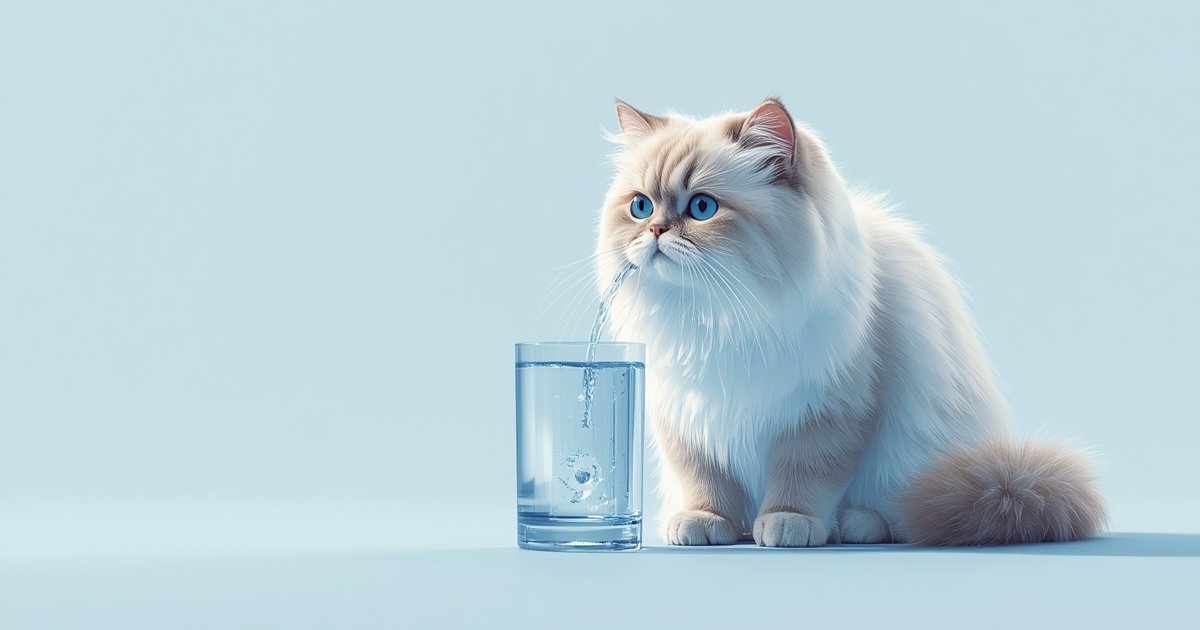
Ensure your Persian cat stays hydrated with essential tips for 2026! Discover signs of dehydration, effective strategies, and the best gadgets to boost their water intake.
Understanding Your Persian Cat’s Unique Hydration Needs
Persian cats, with their luxurious long coats and distinctive facial structures, are undeniably beautiful companions. However, their unique physiology often means they have specific health considerations, one of the most critical being hydration. Unlike some other breeds, Persians can be notoriously finicky about their water, making proper Persian Hydration a key concern for responsible owners.
Many Persian cats inherently have a lower thirst drive compared to their wild ancestors or more active breeds. This reduced inclination to drink, coupled with a diet that might be primarily dry kibble, puts them at a higher risk of chronic dehydration. Understanding these predispositions is the first step in ensuring your feline friend stays healthy and vibrant.
Why Persians Are Prone to Dehydration
Several factors contribute to a Persian cat’s susceptibility to dehydration. Their brachycephalic (flat-faced) skull structure can sometimes make it uncomfortable to drink from traditional bowls, as their sensitive whiskers might brush against the edges, or their flattened nose might make breathing difficult while submerged. This physical discomfort can deter them from drinking sufficient amounts of water.
Furthermore, their dense, long fur can sometimes lead to overheating, especially in warmer climates or during active play. While panting is a primary cooling mechanism, it also increases water loss. If not adequately replaced, this can quickly lead to a deficit in their hydration levels, impacting their overall well-being.
Diet also plays a significant role. Cats evolved to get much of their moisture from their prey. A dry kibble diet, which can contain as little as 5-10% water, provides significantly less hydration than a wet food diet, which typically boasts 70-80% moisture. Relying heavily on dry food without ensuring adequate supplemental water intake is a common oversight.
The Dangers of Inadequate Persian Hydration
Chronic or acute dehydration can have severe consequences for your Persian cat’s health. Water is essential for every bodily function, from regulating body temperature and lubricating joints to transporting nutrients and flushing out toxins. When a cat doesn’t drink enough, these vital processes begin to suffer.
One of the most common and serious issues linked to poor hydration in cats is urinary tract problems, including urinary crystals and kidney disease. Insufficient water intake leads to concentrated urine, which increases the likelihood of mineral build-up and inflammation in the urinary system. Kidney disease, a prevalent condition in older cats, can be exacerbated or even accelerated by persistent dehydration.
Beyond urinary issues, inadequate Persian Hydration can lead to lethargy, constipation, poor coat quality, and even more severe systemic problems impacting organs like the heart and liver. Ensuring your Persian has consistent access to fresh, appealing water is not just a recommendation; it’s a fundamental pillar of preventive health care.
Recognizing the Signs of Dehydration in Persian Cats
As pet owners, we strive to provide the best care for our beloved companions, but cats are masters at hiding discomfort and illness. This makes it especially challenging to detect dehydration in its early stages. Being vigilant and knowing what signs to look for is paramount for your Persian cat’s health.
Early detection can prevent more serious health complications and allow for timely intervention. Never underestimate the subtle cues your cat might be giving you, especially when it comes to their water intake. Prioritizing Persian Hydration starts with observation.
Early Indicators to Watch For
Several subtle signs can indicate that your Persian cat might not be drinking enough water. A simple check involves gently lifting the skin on the back of your cat’s neck (the scruff) and letting it go. In a well-hydrated cat, the skin should snap back into place almost immediately. If it slowly recedes, it’s a sign of reduced skin elasticity, pointing to dehydration.
Another indicator is the condition of their gums. Healthy gums should be moist and pink. If your cat’s gums feel tacky or dry to the touch, and perhaps appear paler than usual, it’s a strong sign they are dehydrated. You can also press gently on their gums; a healthy gum will return to its pink color within 1-2 seconds. A longer refill time suggests dehydration.
Changes in litter box habits can also be telling. Reduced urine output, or urine that appears darker and more concentrated, indicates that your cat is conserving water. While this is a natural response to dehydration, it also signals that they aren’t getting enough fluids. Keep an eye on the frequency and volume of their urination.
Advanced Symptoms Requiring Immediate Attention
If early signs of dehydration are missed, your Persian cat can develop more severe symptoms that necessitate immediate veterinary attention. Lethargy and weakness are prominent red flags; a dehydrated cat will often appear less active, sleep more, and generally seem listless. They may even struggle with basic movements.
Sunken eyes are a critical sign of moderate to severe dehydration. The eyes may appear dull and recede into their sockets due to fluid loss. Additionally, a visibly poor coat quality, becoming dull, dry, and less pliable, can indicate chronic dehydration or other underlying health issues.
Loss of appetite and vomiting can also accompany severe dehydration, creating a dangerous cycle where the cat loses more fluids while refusing to drink. If you observe any of these advanced symptoms, do not hesitate to contact your veterinarian immediately. Prompt medical intervention can be life-saving for a severely dehydrated cat, reinforcing the critical need for proper Persian Hydration.
Strategies to Boost Your Persian Cat’s Water Intake
Once you understand the importance of hydration and can recognize the signs of dehydration, the next crucial step is implementing strategies to encourage your Persian cat to drink more. This often requires a multi-faceted approach, tailored to your cat’s individual preferences and environment. Encouraging consistent Persian Hydration is an ongoing effort.
Small changes in their diet, water presentation, and the household environment can make a significant difference. Patience and experimentation are key, as what works for one Persian might not work for another.
Dietary Adjustments for Better Hydration
One of the most effective ways to increase your Persian cat’s overall fluid intake is by incorporating more wet food into their diet. Canned wet food typically contains 70-80% water, providing a substantial hydration boost with every meal. Even gradually transitioning from an all-dry kibble diet to one that includes wet food can have a profound impact on their health.
If a full transition to wet food isn’t feasible, consider adding a little warm water or low-sodium, plain chicken or beef broth (ensure no onions or garlic, which are toxic to cats) to their dry kibble. This can make the food more appealing while adding extra moisture. Just be sure to discard any uneaten moistened food after a short period to prevent bacterial growth.
Hydrating treats, such as small amounts of plain cooked chicken or fish, can also contribute to their fluid intake. Some cats enjoy licking the water off a few pieces of boiled chicken. Always introduce new foods slowly and in moderation to avoid upsetting their delicate digestive system.
The Power of Multiple Water Stations
Cats are instinctively wary of stagnant water, and they often prefer to drink from sources away from their food bowls, perceiving water near food as potentially contaminated. Therefore, providing multiple water stations throughout your home can significantly increase their interest in drinking. Place bowls in various quiet, accessible locations where your Persian feels safe and undisturbed.
Consider the type of bowls you’re using. Many Persians prefer wide, shallow ceramic or stainless steel bowls over plastic, which can sometimes impart an unpleasant taste or odor. The wide opening prevents their whiskers from touching the sides, which can be irritating. Ensure the bowls are cleaned daily to prevent bacterial film build-up, which can deter even the thirstiest cat.
Experiment with different heights and locations. Some cats prefer water bowls on elevated platforms, while others like them on the floor in a quiet corner. The goal is to make water as inviting and accessible as possible, making the effort towards better Persian Hydration more effective.
Making Water More Appealing
Many cats, including Persians, are drawn to moving water. This instinct likely stems from their wild ancestors, who associated moving water with freshness and safety. Investing in a pet water fountain can be a game-changer for encouraging increased water intake. The bubbling or flowing water provides stimulation and aeration, making it far more appealing than a still bowl.
Some cats are fascinated by running tap water. While letting your cat drink directly from a faucet can be charming, it’s not a sustainable or hygienic solution. A water fountain mimics this experience safely. Ensure the fountain is kept clean and filters are changed regularly to maintain water quality.
Additionally, consider adding a single ice cube to your cat’s water bowl on warmer days. The coolness can be refreshing, and the melting ice cube provides a slight movement that might pique their interest. For some cats, a few drops of tuna juice (from tuna packed in water, not oil) or clam juice in their water can make it irresistible, but use this sparingly to avoid adding too much sodium.
Leveraging Technology: Smart Gadgets for Optimal Persian Hydration
In today’s interconnected world, technology offers innovative solutions to many pet care challenges, and ensuring optimal Persian Hydration is no exception. Smart gadgets can provide continuous access to fresh water, monitor consumption, and even remind you to clean or refill, taking much of the guesswork out of hydration management.
These devices are designed to appeal to a cat’s natural instincts while providing convenience for busy owners. Exploring the options available can significantly enhance your Persian’s drinking habits and overall health.
Smart Water Fountains: A Game Changer
Smart water fountains are an evolution of traditional pet fountains, offering advanced features that actively promote increased water intake. Many models include filtration systems that constantly purify the water, removing impurities, odors, and tastes that might deter a sensitive Persian. The continuous circulation also prevents stagnation, keeping the water fresh and appealing.
Some smart fountains offer customizable flow settings, allowing you to adjust the stream to your cat’s preference, from gentle bubbling to a more vigorous flow. Advanced models may even connect to a smartphone app, providing insights into water levels, filter life, and even your cat’s drinking frequency. This data can be invaluable for tracking their Persian Hydration habits.
Materials like stainless steel or ceramic are often favored for their hygiene and durability, and they are less likely to harbor bacteria than plastic. Features like quiet pumps and energy-efficient designs also contribute to a pleasant user experience for both pet and owner.
Hydration Tracking Apps and Bowls
Beyond fountains, specialized hydration tracking bowls and apps can offer even deeper insights. Smart bowls equipped with scales can measure exactly how much water your cat drinks throughout the day, providing data that can be monitored via a companion app. This granular information allows you to identify patterns, notice declines in intake, and intervene promptly.
Some apps are designed to work with smart collars or microchips, linking a cat’s identity to their water consumption, especially useful in multi-cat households. These technologies can send alerts if your cat hasn’t drunk enough by a certain time or if the water level is low, empowering you to be proactive about their hydration.
While these tools add a layer of complexity, for owners of particularly finicky or health-compromised Persian cats, the data and insights they provide can be invaluable. They transform the act of monitoring hydration from a subjective guess to an objective, data-driven approach.
Comparison of Hydration-Boosting Gadgets for Persian Cats
| Product | Price | Pros | Cons | Best For |
|---|---|---|---|---|
| Catit Flower Fountain | $30-$40 | Multiple water flow settings, compact design, quiet operation. Easy to clean and assemble. | Plastic construction, filter changes needed every 2-4 weeks. Smaller water reservoir might require more frequent refills. | Owners seeking an affordable, visually appealing fountain with customizable flow for finicky drinkers. |
| Petlibro Automatic Cat Water Fountain (Stainless Steel) | $50-$70 | Durable, hygienic stainless steel design, app control for reminders and water level monitoring. Ultra-quiet pump. | Higher price point than basic models, app setup can be slightly complex for some users. Filters can be proprietary. | Tech-savvy owners prioritizing hygiene, durability, and remote monitoring of their Persian Hydration efforts. |
| Smart Pet Bowl (with Scale & App) | $80-$120 | Accurately measures water intake, tracks consumption patterns via app, useful for diet management. | No flowing water feature, requires batteries, higher initial cost. Doesn’t actively encourage drinking, only measures. | Owners who need precise data on water consumption, especially for cats with health conditions requiring strict monitoring. |
Maintaining Consistent Hydration Habits for Long-Term Health
Ensuring adequate Persian Hydration isn’t a one-time fix; it’s an ongoing commitment that requires consistent effort and attention. Establishing a routine and regularly checking your cat’s hydration status are vital for their long-term health and well-being. Proactive maintenance is always better than reactive treatment.
Incorporating hydration checks into your daily or weekly routine will help you quickly identify any potential issues before they escalate. This proactive approach ensures your Persian remains happy, healthy, and adequately hydrated for years to come.
Routine Checks and Veterinary Consultations
Regularly performing the simple hydration checks (skin turgor, gum moisture) at home can become a routine part of your cat care. Making it a weekly habit allows you to catch any subtle changes in your cat’s hydration status before they become significant. Keep a mental or written note of their typical water intake if you’re using smart devices or observing closely.
Routine veterinary check-ups are also crucial. Your vet can perform more thorough assessments of your cat’s hydration levels and overall kidney function through blood and urine tests. They can offer personalized advice based on your cat’s specific health profile, age, and lifestyle, adjusting your Persian Hydration strategy as needed.
Don’t hesitate to contact your veterinarian if you notice any persistent changes in your cat’s drinking habits, urine output, or general demeanor. Early intervention is key to managing any underlying health issues that might affect their hydration.
Environmental Factors Affecting Persian Hydration
The environment your Persian cat lives in can significantly impact their hydration needs. In warmer climates or during hot summer months, cats are more prone to dehydration due to increased water loss through panting and evaporation. Ensure your home is kept at a comfortable temperature, and provide shaded, cool resting spots.
Humidity levels also play a role. Lower humidity can lead to faster evaporation of water from your cat’s body. If you live in a particularly dry environment, increasing the number of water sources and considering a humidifier in their favorite resting areas might be beneficial, especially if they have respiratory sensitivities typical of brachycephalic breeds.
Stress and changes in routine can also affect a cat’s willingness to drink. A new pet, a move, or even a change in furniture arrangement can disrupt their habits. Try to maintain a stable, calm environment, and ensure water sources remain easily accessible and in familiar spots, even during periods of change.
Ensuring your Persian cat drinks enough water is a critical aspect of their care, foundational to their overall health and happiness. From understanding their unique predispositions to recognizing the subtle signs of dehydration, a proactive approach is key. By implementing dietary adjustments, providing appealing water sources, leveraging smart technology, and maintaining consistent habits, you can significantly enhance your beloved feline’s hydration.
Remember, your vigilance today paves the way for a healthier tomorrow for your furry friend. Don’t underestimate the power of fresh, clean water in preventing serious health issues. Take the time to observe your Persian, experiment with different strategies, and make hydration a top priority. Your cat will thank you with purrs and many more healthy years together.
For more personalized advice on your Persian cat’s hydration needs or any other health concerns, we encourage you to consult with your veterinarian. You can also reach out to us directly through our website at DaxAI.com/contact for general pet care inquiries and resources.
Frequently Asked Questions (FAQ)
How much water should a Persian cat drink daily?
On average, a cat should drink about 2-4 ounces of water per 5 pounds of body weight daily. For a Persian cat, this typically translates to about 8-16 ounces per day, depending on their diet (wet vs. dry food), activity level, and environmental temperature. Cats on an all-dry kibble diet will need to drink more water than those primarily on wet food.
Can I give my Persian cat tap water?
Most tap water is safe for cats, but it depends on the quality in your area. If you drink your tap water, it’s likely fine for your cat. However, some cats are sensitive to the taste of chlorine or other minerals in tap water. Filtered water or bottled spring water can be a good alternative if your cat seems to avoid tap water, or if you have concerns about local water quality.
Is it okay to add flavor to my cat’s water?
A few drops of low-sodium, plain chicken or tuna broth (ensure no onions or garlic) can entice some cats to drink more. However, this should be used sparingly as a special treat and not on a daily basis, to prevent excessive sodium intake. Always ensure the “flavored” water is changed frequently to maintain hygiene and prevent bacterial growth. Avoid any artificial flavorings or sugary drinks.
What are the best types of water bowls for Persian cats?
Persian cats often prefer wide, shallow bowls made of ceramic or stainless steel. These materials are hygienic and don’t retain odors or tastes like plastic bowls can. The wide opening prevents their sensitive whiskers from touching the sides, which many cats find irritating. Raised bowls can also be more comfortable for flat-faced breeds, reducing neck strain.
How often should I clean my cat’s water bowls or fountain?
Water bowls should be washed daily with soap and hot water to remove any slime or bacteria. Water fountains should be disassembled and thoroughly cleaned at least once a week, and filters should be changed according to the manufacturer’s recommendations, usually every 2-4 weeks. Regular cleaning is essential for maintaining water quality and encouraging your cat to drink.
Leave a Reply