

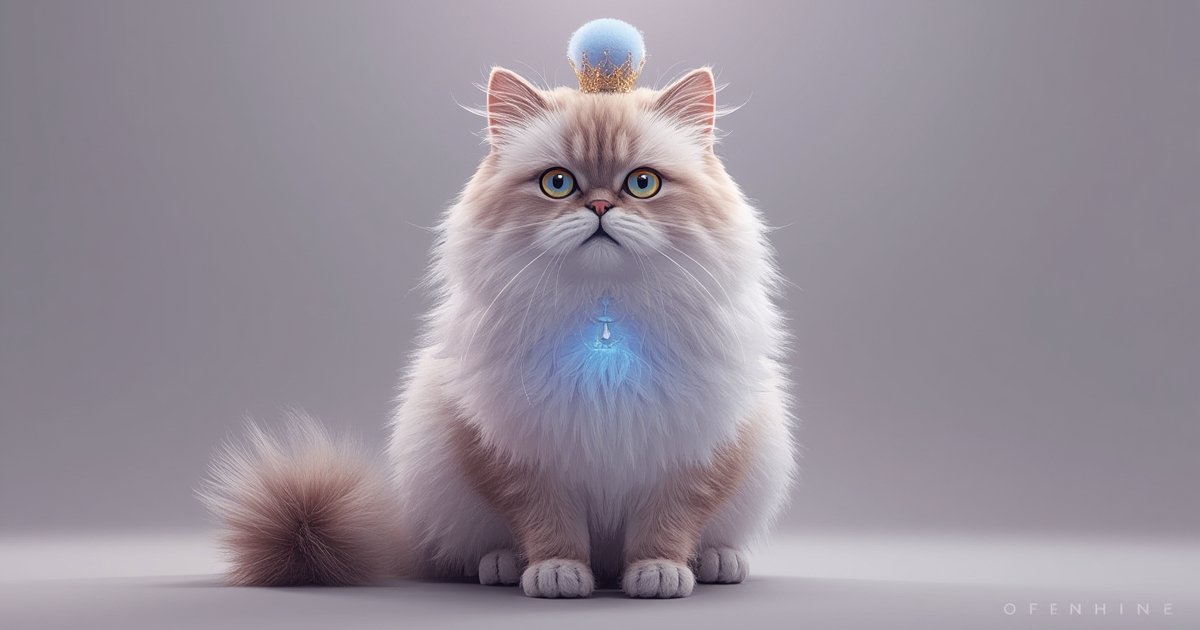
Discover the ultimate Persian grooming guide for 2026! Learn expert tips, essential tools, and step-by-step strategies to keep your royal feline’s coat pristine and healthy.
There’s an undeniable allure to the Persian cat, with its luxurious long coat, sweet expression, and dignified demeanor. They are living works of art, radiating an aura of calm elegance that captivates anyone fortunate enough to cross their path. However, maintaining that regal appearance requires dedication, and mastering effective Persian grooming techniques is paramount for their health and happiness. This comprehensive guide will equip you with the knowledge and tools to ensure your Persian’s coat remains as splendid as their personality, making them shine like the royalty they are.
Understanding the unique needs of their majestic fur is the first step towards a successful and enjoyable Persian grooming routine. With the right approach, grooming becomes a bonding experience, not a chore.
Understanding the Persian Coat: A Foundation for Pristine Persian Grooming
The Persian cat’s most striking feature is undoubtedly its magnificent coat. Unlike many other breeds, the Persian boasts a double layer of fur that demands consistent attention. This luxurious mantle is a hallmark of the breed, contributing to their iconic fluffy appearance, but it also presents specific challenges that every owner must understand.
Effective Persian grooming begins with appreciating the intricacies of this dense fur. It’s not just about aesthetics; a well-maintained coat is crucial for your cat’s comfort and overall health. Neglect can quickly lead to painful matting, skin irritation, and other health issues.
The Double-Layered Majesty: What Makes it Unique?
The Persian cat’s coat consists of two distinct layers. The outer guard hairs are long, silky, and flow beautifully, giving the cat its characteristic plush look. Beneath this lies a dense, soft undercoat, which provides insulation. While beautiful, this combination is particularly prone to tangling and matting, especially if not brushed daily.
The length and texture vary slightly between individuals, but the general principle of the double coat remains. This structure means shedding can be significant, especially during seasonal changes, making consistent Persian grooming even more critical to manage loose hair and prevent it from becoming ingested.
Common Coat Challenges: Matting, Hairballs, and Skin Issues
Without a consistent grooming regimen, Persian cats are highly susceptible to several common problems. Matting is perhaps the most prevalent. Mats form when loose fur intertwines and knots, pulling at the skin and causing discomfort or even pain. Severe mats can restrict movement, hide skin infections, and lead to poor circulation.
Hairballs are another significant concern. Persians ingest a considerable amount of loose fur during self-grooming. If this fur isn’t regularly removed through brushing, it can accumulate in their digestive system, forming hairballs that lead to vomiting, appetite loss, and in severe cases, intestinal blockages requiring veterinary intervention.
Furthermore, the dense coat can trap moisture and debris against the skin, creating an ideal environment for skin irritations, fungal infections, or parasites. Proper Persian grooming isn’t just about looking good; it’s a vital part of preventative health care, ensuring their skin can breathe and remains healthy underneath their opulent fur.
Essential Tools for Every Persian Grooming Kit
Having the right arsenal of tools is fundamental for effective Persian grooming. Investing in high-quality equipment will make the process easier for both you and your cat, transforming grooming from a struggle into a peaceful ritual. Avoid cheap, ineffective tools that can pull hair, irritate skin, or break easily.
Think of your grooming kit as an investment in your cat’s well-being. Each tool serves a specific purpose, designed to tackle the unique challenges presented by the Persian’s long, dense coat. Proper care of these tools is also important; keep them clean and sharp for optimal performance.
Brushes and Combs: Your Primary Weapons
These are the core components of any Persian grooming kit. You’ll need a variety to address different aspects of the coat:
- – **Pin Brush:** Ideal for daily brushing, it glides through the topcoat, removing loose hair and detangling minor snags without pulling. Look for one with rounded pins to protect your cat’s skin.
- – **Slicker Brush:** Best for removing shedding undercoat and working out small mats. Use with a light touch, as the fine wire bristles can scratch the skin if pressed too hard.
- – **Wide-Toothed Comb (Metal):** Essential for checking your work and for gently detangling more stubborn knots. Start with a wide-toothed side and gradually move to finer teeth as tangles are removed.
- – **Mat Splitter or Dematting Comb:** A specialized tool for safely breaking up severe mats. Use with extreme caution and never try to cut mats out with scissors, as it’s very easy to accidentally cut the skin.
Bathing Essentials: Shampoos and Conditioners
Bathing a Persian is an art, and the right products make all the difference. Their skin can be sensitive, so choose formulations specifically designed for cats, ideally pH-balanced and sulfate-free. Look for:
- – **Gentle Cat Shampoo:** A good quality shampoo designed for long-haired cats will clean thoroughly without stripping natural oils. Some specialized shampoos target deshedding or tear stains.
- – **Conditioner:** Absolutely essential for Persian coats. A good conditioner will help detangle, add moisture, reduce static, and leave the coat soft and manageable, making future brushing easier.
- – **Pet-Specific Drying Towels:** Highly absorbent towels designed for pets can significantly reduce drying time.
- – **Low-Heat Pet Dryer:** Never use a human hairdryer on full heat, as it can burn your cat’s skin. A pet-specific dryer with variable heat and speed settings is ideal for thoroughly drying the dense undercoat and preventing skin issues.
Nails, Eyes, and Ears: The Often Overlooked Details
A complete Persian grooming routine extends beyond just the coat:
- – **Nail Clippers:** Choose clippers designed for cats (scissor or guillotine style). Regular nail trims prevent painful ingrown nails and reduce the risk of scratching furniture or people.
- – **Tear Stain Remover and Cotton Pads:** Persians are prone to tear staining due to their brachycephalic (flat-faced) structure. Gentle, cat-safe tear stain removers and soft cotton pads help keep the eye area clean and prevent unsightly reddish-brown marks.
- – **Ear Cleaner:** A veterinarian-approved ear cleaning solution and soft cotton balls are needed for weekly ear checks and cleaning. Never use cotton swabs inside the ear canal.
Smart Grooming Gadgets for the Modern Persian Parent
The world of pet care is constantly evolving, and several innovative gadgets can make Persian grooming more efficient and effective. These tools can save time and reduce stress for both you and your feline companion.
Comparison of Top Grooming Gadgets for Persians
| Product | Price | Pros | Cons | Best For |
|---|---|---|---|---|
| Pet Grooming Vacuum Kit | $150-$300 | Captures loose hair directly, reducing shedding mess. Multiple attachments for various coat types. | Can be noisy, some cats may be scared. Initial investment is higher. | Efficiently managing shedding, reducing allergens in the home. |
| Ionic Pet Hair Dryer (Quiet) | $80-$180 | Dries coats quickly with minimal heat damage. Ionic function reduces static and frizz. Quieter operation than standard human dryers. | Still generates some noise. Requires cat to be tolerant of airflow. | Thorough post-bath drying, especially for dense undercoats. |
| Automatic Pet Nail Grinder | $30-$70 | Safer than clippers, reduces risk of cutting the quick. Gentle on paws. | Can be noisy/vibrating, requiring desensitization. Takes longer than clipping. | Owners hesitant about clipping, cats with sensitive paws. |
| Steam Pet Brush | $25-$50 | Loosens dander, refreshes coat, gentle detangling with steam. | Not for deep cleaning or mat removal. Requires water refills. | Quick daily refresh, dander reduction, improving coat shine. |
These gadgets, when used correctly and with patience, can significantly enhance your Persian grooming routine, making it a smoother and more pleasant experience for both you and your regal cat.
The Step-by-Step Persian Grooming Routine
Consistency is key to maintaining a Persian’s coat. A regular, structured routine not only keeps their fur pristine but also helps your cat get accustomed to the process, making it less stressful over time. Begin each session with a calm demeanor and plenty of positive reinforcement.
Daily Brushing: The Cornerstone of Coat Health
This is arguably the most critical part of Persian grooming. Daily brushing prevents mats from forming and removes loose hair, which in turn reduces hairballs. Aim for 10-15 minutes each day.
1. **Start Gentle:** Begin with a pin brush, gently working through the topcoat from head to tail. Always brush in the direction of hair growth.
2. **Section by Section:** For dense areas like the ruff, armpits, belly, and “britches” (hind legs), part the fur and brush in small sections. These areas are highly prone to matting.
3. **Undercoat Care:** Follow with a slicker brush, using light, short strokes to remove the undercoat. Be careful around bony areas and sensitive skin.
4. **Check with a Comb:** Finish by running a wide-toothed metal comb through the entire coat. If the comb snags, gently work out the tangle with the comb or a mat splitter, never pulling. This ensures no hidden mats remain.
Regular Bathing: More Than Just Cleanliness
Persians generally need bathing every 4-6 weeks, or more often if they are very active or prone to getting dirty. A good bath helps remove dead hair, dander, and prevents skin issues.
1. **Preparation is Key:** Before the bath, thoroughly brush your cat to remove any tangles or mats. Wet mats will tighten and become impossible to remove.
2. **Warm Water, Gentle Handling:** Use lukewarm water (test on your wrist). Gently wet your cat’s entire coat, avoiding their eyes and ears. A handheld shower sprayer can be very useful.
3. **Shampoo and Lather:** Apply a small amount of cat-specific shampoo, working it into a lather. Focus on areas that get dirtiest, like the belly and hindquarters. Rinse thoroughly until no suds remain.
4. **Condition and Rinse:** Apply a cat conditioner, letting it sit for a few minutes as per product instructions. Rinse meticulously. Residual shampoo or conditioner can irritate skin.
5. **Drying:** Gently squeeze excess water from the coat. Wrap your cat in a highly absorbent towel and pat dry. Follow with a low-heat pet dryer, brushing as you dry to prevent tangles and achieve a fluffy finish. Ensure the undercoat is completely dry to prevent skin issues.
Eye, Ear, and Dental Care: Holistic Health
These often-overlooked aspects are crucial for your Persian’s overall health and comfort.
- – **Eye Wiping:** Daily, or twice daily for some, gently wipe the area around your Persian’s eyes with a damp cloth or a dedicated tear stain remover pad. This prevents tear stains from setting in and keeps the area clean.
- – **Ear Checks:** Weekly, gently clean the outer folds of your cat’s ears with a cotton ball dampened with a vet-approved ear cleaner. Never insert anything into the ear canal. Look for redness, discharge, or foul odor, which could indicate an infection.
- – **Dental Hygiene:** Introduce dental care early. Brushing your cat’s teeth several times a week with pet-specific toothpaste and a soft brush can prevent plaque buildup and gum disease. Dental treats or water additives can also supplement this care.
Nail Trimming: Keeping Paws Healthy
Trim your Persian’s nails every 2-4 weeks. This prevents them from becoming overgrown, which can be painful, lead to ingrown nails, and snag on carpets or furniture.
1. **Positive Association:** Start young and make it a positive experience with treats and praise.
2. **Identify the Quick:** Hold your cat’s paw and gently press on the toe pad to extend the claw. You’ll see the “quick,” which is the pink part containing nerves and blood vessels. Only clip the clear, pointed tip, avoiding the quick.
3. **Small Snips:** If you’re unsure, just snip off tiny amounts. If you accidentally cut the quick, apply styptic powder to stop the bleeding.
4. **Front and Back:** Don’t forget the dewclaws (on the inner side of the front legs) and the nails on the back paws.
Tackling Common Persian Grooming Challenges
Even with a diligent routine, specific issues can arise. Knowing how to address them effectively is a key aspect of successful Persian grooming.
Dealing with Mats and Tangles
Mats are the bane of every Persian owner. Prevention through daily brushing is always best, but if they do occur:
- – **Gentle Approach:** Never try to rip or forcefully brush out a mat. This is painful and can damage the skin.
- – **Sprinkle with Cornstarch:** For small, surface mats, sprinkle a bit of cornstarch or detangling spray on the mat. Gently work it apart with your fingers, then use the wide-toothed end of your comb to slowly tease out the hair.
- – **Mat Splitter:** For more stubborn or larger mats, a mat splitter can be used carefully. Work from the outside of the mat towards the skin, splitting it into smaller, more manageable sections.
- – **Professional Help:** If mats are severe, close to the skin, or your cat is in pain, do not hesitate to consult a professional groomer or veterinarian. They have specialized tools and experience to safely remove them, often requiring sedation for the cat’s comfort and safety.
Minimizing Hairballs
While some hairballs are normal for long-haired cats, excessive hairballs indicate a need for more diligent Persian grooming and potentially dietary adjustments.
- – **Increased Brushing:** The most effective strategy is more frequent and thorough brushing to remove loose fur before it’s ingested.
- – **Hairball Control Diet:** Many reputable pet food brands offer “hairball control” formulas, which often contain higher fiber to help hair pass through the digestive tract.
- – **Hairball Remedies:** Over-the-counter hairball pastes or treats contain lubricants that help hairballs pass more easily. Consult your vet before using these regularly.
- – **Hydration:** Ensure your cat always has access to fresh water. Good hydration aids digestion.
Preventing and Managing Tear Stains
Tear stains are common in flat-faced breeds like Persians. While often cosmetic, they can sometimes indicate an underlying issue.
- – **Daily Cleaning:** The most effective method is consistent daily cleaning of the eye area with a damp cloth or a pet-specific tear stain wipe.
- – **Filtered Water:** Some owners find that giving their cat filtered water instead of tap water reduces mineral buildup that can contribute to staining.
- – **Dietary Considerations:** A high-quality diet can sometimes improve tear staining. Avoid foods with artificial colors or fillers.
- – **Veterinary Check-up:** If tear staining is excessive, sudden, or accompanied by eye redness or discharge, consult your vet to rule out medical conditions like blocked tear ducts, allergies, or infections.
The Fear Factor: Making Grooming a Positive Experience
Grooming doesn’t have to be a battle. By approaching it with patience and positive reinforcement, you can make it a bonding experience.
- – **Start Young:** Introduce grooming tools and routines when your Persian is a kitten. Short, positive sessions are key.
- – **Positive Reinforcement:** Always use treats, praise, and gentle petting during and after grooming sessions. Associate grooming with good things.
- – **Short Sessions:** Keep grooming sessions brief initially, gradually increasing the duration as your cat becomes more comfortable.
- – **Calm Environment:** Groom in a quiet, calm space free from distractions. Your relaxed demeanor will help your cat feel more at ease.
- – **Breaks are Okay:** If your cat becomes stressed or agitated, take a break and resume later. Pushing them too far can create negative associations.
Professional Persian Grooming vs. At-Home Care
While at-home Persian grooming is essential, there are times when professional help can be invaluable, offering specialized services and expertise that might be difficult to replicate at home.
When to Call in the Experts
Professional groomers are trained to handle challenging situations and offer services beyond basic at-home care. Consider professional Persian grooming if:
- – **Severe Matting:** If your cat has extensive, tight mats that you cannot safely remove, a professional groomer can often handle them without causing pain or injury. In extreme cases, a veterinarian may need to sedate the cat for removal.
- – **Sanitary Trims or “Lion Cuts”:** Many Persian owners opt for professional sanitary trims around the rear to prevent soiling, or a full “lion cut” in warmer months or for cats prone to matting. These require specialized clippers and techniques.
- – **Aggressive or Fearful Cats:** If your cat becomes overly aggressive or distressed during grooming, a professional groomer has the experience and techniques to handle them safely and reduce their stress.
- – **Medical Conditions:** Cats with certain skin conditions or mobility issues may benefit from a professional groomer who can adjust their techniques to accommodate specific needs.
- – **Regular Maintenance:** Even if you do most of the grooming at home, an occasional professional session can ensure a thorough deep clean, deshedding treatment, and coat assessment.
Finding a Reputable Groomer
Choosing the right groomer is crucial, especially for a breed like the Persian with specific grooming needs. Do your research:
- – **Experience with Persians:** Look for a groomer who specifically mentions experience with long-haired breeds or Persians. They understand the coat type and common issues.
- – **Certifications and Training:** Professional certifications (e.g., from the National Cat Groomers Institute of America) indicate formal training and adherence to industry standards.
- – **Facility Cleanliness:** Visit the salon in person. It should be clean, well-organized, and have a calm atmosphere.
- – **Safety Protocols:** Inquire about their safety procedures, especially regarding handling techniques and what they do in case of an emergency.
- – **References and Reviews:** Check online reviews and ask for references from other Persian owners. A good reputation speaks volumes.
- – **Trial Run:** Consider starting with a basic service like a nail trim or a sanitary trim to see how your cat responds and to assess the groomer’s approach before committing to a full groom.
Mastering Persian grooming is a rewarding journey that strengthens the bond with your feline companion and ensures their health and comfort. From daily brushing to regular baths and attention to detail, each step contributes to that unmistakable royal shine. By understanding their unique coat, equipping yourself with the right tools, and implementing a consistent routine, you can prevent common issues like mats and hairballs, keeping your Persian looking and feeling magnificent.
Remember, patience and positive reinforcement are your best allies. Every grooming session is an opportunity for connection and care. Don’t be afraid to seek professional help when needed; a combination of diligent home care and expert assistance is often the key to maintaining their luxurious coat for years to come. Continue your journey to optimal feline care by exploring more of our expert articles or by reaching out to us directly!
Frequently Asked Questions (FAQ)
How often should I brush my Persian cat?
Persian cats should be brushed daily for 10-15 minutes. This daily routine is crucial to prevent matting, remove loose hair, and reduce the likelihood of hairballs. Areas prone to matting, such as under the legs, behind the ears, and on the belly, require extra attention.
Is it really necessary to bathe a Persian cat?
Yes, regular bathing is necessary for Persian cats, typically every 4-6 weeks. Bathing helps to remove excess oil, dander, and dead hair that brushing alone cannot fully address. It also ensures their skin stays healthy and prevents the build-up that can lead to skin infections or matting.
What type of shampoo should I use for my Persian?
Always use a high-quality, pH-balanced shampoo specifically formulated for cats. Avoid human shampoos, as they can be too harsh and strip essential oils from your cat’s skin and coat. Many brands offer specialized shampoos for long-haired cats, deshedding, or tear stain control.
How can I prevent tear stains on my Persian cat?
Preventing tear stains involves daily cleaning around the eyes with a damp cloth or pet-specific tear stain wipes. Some owners find that providing filtered water, using ceramic or stainless steel bowls, and a high-quality diet can also help. If stains persist or worsen, consult your veterinarian to rule out underlying medical issues.
My Persian cat hates grooming. What can I do?
Start grooming sessions when your cat is calm and relaxed, offering plenty of treats and praise. Keep sessions short, gradually increasing the duration. Use gentle strokes and always handle them with care. If your cat is highly resistant, consider consulting a professional groomer or even a feline behaviorist for guidance. Never force grooming, as it can create a negative association.
Leave a Reply