

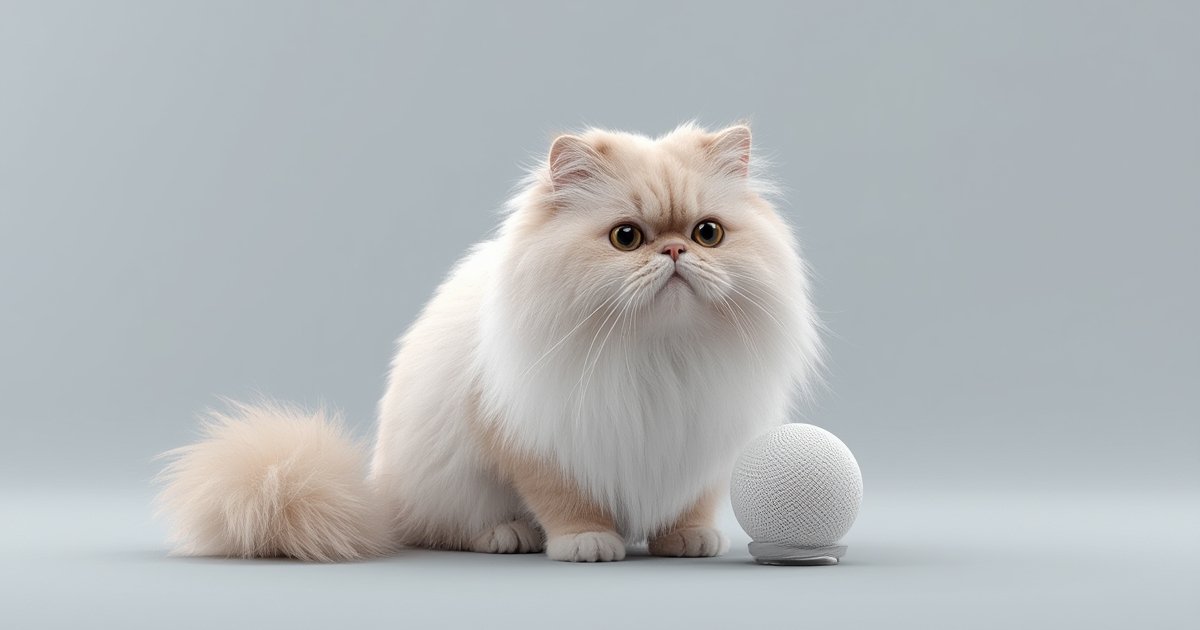
Combat mats on your Persian cat with our top grooming hacks for 2026. Discover essential tools, routines, and expert tips to keep their coat beautiful and mat-free.
Understanding the Persian Coat: A Foundation for Mat-Free Living
Persian cats are renowned for their stunning, luxurious coats, a hallmark of their elegance. This beauty, however, comes with a significant responsibility: dedicated grooming. Their long, fine, double coat is incredibly prone to tangles and mats, which can quickly become painful and lead to serious skin issues if neglected. Effective Persian grooming isn’t just about aesthetics; it’s vital for their health and comfort.
The unique structure of a Persian’s fur—a dense undercoat combined with a long, silky outer coat—creates the perfect environment for mats to form. Loose hairs easily intertwine with the healthy fur, especially in areas of friction or where movement is frequent. Understanding this predisposition is the first step in establishing a proactive grooming regimen that keeps their coat pristine.
The Anatomy of a Mat
A mat begins as a small tangle, often unnoticed in the voluminous fur. As the cat moves, sleeps, and grooms itself, these tangles tighten and gather more loose hair, growing into dense, felt-like clumps. Common areas for mats include behind the ears, under the armpits, on the belly, between the hind legs, and around the tail base. These are areas where the fur is constantly rubbing or where the cat cannot effectively groom itself.
When mats become severe, they pull on the skin, causing pain, discomfort, and restricted movement. They can also trap moisture, leading to skin infections, parasites, and even open wounds beneath the matted fur. In some cases, blood circulation can be compromised. Regular and thorough Persian grooming is the only way to prevent these painful and potentially dangerous conditions, ensuring your feline friend remains happy and healthy.
Essential Tools for Effective Persian Grooming
Investing in the right grooming tools is paramount for any Persian cat owner. Cheap or incorrect tools can damage your cat’s delicate coat, cause discomfort, and make the grooming process much harder. A well-equipped grooming kit is your first line of defense against mats and tangles, making the routine smoother for both you and your cat.
Brushes and Combs: Your First Line of Defense
The core of your Persian grooming arsenal should consist of high-quality brushes and combs. Each serves a specific purpose in detangling, removing loose fur, and smoothing the coat. Selecting the correct tools is crucial for preserving the integrity and beauty of your Persian’s fur.
– Slicker Brush: Ideal for removing loose hair from the undercoat and breaking up small tangles. Choose one with fine, bent wire bristles that are gentle on the skin.
– Metal Comb: A sturdy, wide-toothed metal comb is essential for deep detangling and checking for mats after brushing. A finer-toothed end can be used for facial fur and more delicate areas.
– Dematting Comb/Rake: Use with extreme caution. These tools have sharp blades designed to cut through mats. They are a last resort before professional help and should only be used on specific, stubborn mats, never on healthy fur.
– Pin Brush: Good for the outer coat, adding shine, and general daily brushing without pulling too much on the undercoat.
Shampoos and Conditioners for Long Coats
Bathing a Persian cat is a multi-step process that requires specific products. Regular baths (typically every 4-6 weeks) are vital for maintaining coat health, removing dirt and oil, and preventing mats. Using the right shampoo and conditioner can make all the difference in the manageability and appearance of their fur.
– Detangling/Conditioning Shampoo: Look for formulas specifically designed for long-haired cats. These often contain ingredients like oatmeal, aloe vera, or silk proteins to moisturize and prevent tangles. Always opt for sulfate-free options to avoid drying out the skin and coat.
– Leave-in Conditioner/Detangling Spray: Essential for post-bath care and for daily touch-ups. These products help to moisturize the fur, reduce static, and make brushing easier, significantly aiding in ongoing Persian grooming efforts.
– Hypoallergenic Options: If your cat has sensitive skin, choose products that are hypoallergenic and free from harsh chemicals or strong fragrances.
Comparison of Top Grooming Products for Persians
| Product | Price | Pros | Cons | Best For |
|---|---|---|---|---|
| Chris Christensen Big G Slicker Brush | $70-80 | Exceptional at detangling, gentle on skin, reduces shedding effectively. | High price point, may be too large for small kittens. | Daily thorough brushing and undercoat work on adult Persians. |
| Pettom Stainless Steel Dematting Comb | $15-20 | Two sides for different mat severities, ergonomic handle, durable. | Requires careful use to avoid cutting skin, not for novice groomers. | Targeting specific, small to medium-sized mats before they worsen. |
| Earthbath Oatmeal & Aloe Shampoo | $10-15 | Natural ingredients, soothing for sensitive skin, leaves coat soft and shiny. | Might require a separate conditioner for very dry coats. | Regular bathing, ideal for cats with mild skin sensitivities. |
| Cowboy Magic Detangler & Shine | $15-25 | Highly effective for stubborn knots, adds incredible shine, non-greasy. | Can be slippery if over-applied, strong scent for some sensitive cats. | Pre-brushing and untangling minor mats, finishing shine. |
Mastering the Daily Grooming Routine to Prevent Mats
Consistency is the secret weapon in preventing mats in your Persian cat. A few minutes of daily attention can save hours of difficult detangling and potential stress for both of you. Establishing a routine early in your cat’s life will make the process much smoother and more enjoyable for them.
The Daily Brush-Out: A Non-Negotiable Step
A daily brush-out is the cornerstone of effective Persian grooming. This isn’t just a superficial run-through; it requires a systematic approach to ensure every part of the coat is reached. Start with short, positive sessions to build your cat’s tolerance and cooperation. Reward good behavior with treats and praise.
– Line Brushing: This technique is crucial for long-haired breeds. Part the fur horizontally and brush one section at a time, starting from the skin outwards. Work in small sections, gradually moving up the body. This ensures you’re not just brushing the top layer but truly getting to the undercoat where mats often begin.
– Focus on Problem Areas: Pay extra attention to high-friction zones like the armpits, belly, inner thighs, behind the ears, and around the “ruff” on their neck. These are notorious spots for mats.
– Gentle Strokes: Always use gentle, short strokes. If you encounter a tangle, don’t pull. Instead, use your fingers to gently separate the strands, or apply a detangling spray before attempting to comb through it.
– Check for Debris: As you brush, check for any debris, litter particles, or foreign objects that might be caught in their fur, as these can quickly lead to matting.
Regular Bathing Protocols for Persians
While daily brushing is key, regular bathing is equally important. A bath every 4-6 weeks helps remove dead hair, dander, and oils that contribute to matting. A clean coat is less likely to tangle and easier to manage. Remember to always use cat-specific shampoos and conditioners.
1. Pre-Bath Brush: Thoroughly brush your cat before bathing to remove any loose fur and minor tangles. Trying to wash a matted cat will only make the mats worse and harder to remove.
2. Gather Supplies: Have everything ready: shampoo, conditioner, towels, a non-slip mat for the tub, and treats.
3. Warm Water: Use lukewarm water, ensuring it’s not too hot or too cold. Slowly wet your cat, starting from the back and moving forward, avoiding direct water in their ears and eyes.
4. Shampoo and Rinse: Apply shampoo, lather gently, and rinse thoroughly. Repeat with conditioner, ensuring all traces of product are rinsed out to prevent skin irritation and dullness.
5. Towel Dry: Gently blot your cat dry with soft towels. Avoid harsh rubbing, which can create tangles.
6. Blow Dry: This is perhaps the most critical step for Persians. Their dense coat must be 100% dry to prevent matting. Use a pet-specific forced-air dryer on a low, cool setting. Continuously brush the fur as you dry it, ensuring every layer is dry to the skin. Never let a Persian air dry naturally.
Dealing with Minor Tangles Before They Become Mats
Even with the best routine, minor tangles can pop up. Catching these early is vital for effective Persian grooming. Don’t wait for them to escalate into painful mats.
– Finger Teasing: For small, loose tangles, gently tease them apart with your fingers first.
– Cornstarch Powder: Sprinkle a small amount of cornstarch powder onto the tangle. It helps absorb oils and provides grip, making it easier to separate the hairs. Gently work it in and then try to comb.
– Detangling Spray: A good quality detangling spray can lubricate the fur, allowing knots to loosen. Spray lightly, let it sit for a minute, and then gently comb through with a wide-toothed comb. Always comb from the outside of the tangle, working your way inwards, holding the fur at the base to prevent pulling the skin.
Advanced Strategies for Stubborn Mats and Professional Help
Despite consistent home Persian grooming, some mats can become too severe to handle safely at home. Knowing when to seek professional help is a sign of responsible pet ownership, prioritizing your cat’s welfare above all else.
When to Use Dematting Tools (and When Not To)
Dematting tools, such as dematting combs or rakes, are designed to cut through mats. While they can be effective for *some* stubborn tangles, they come with significant risks and should be used with extreme caution.
– Safety Precautions: Always ensure you can see the skin beneath the mat before attempting to cut. The blades are sharp and can easily cut your cat’s skin, which is often paper-thin beneath a tightly matted area.
– Limited Use: Only use dematting tools on isolated, small to medium-sized mats. Never attempt to use them on large, tight, or widespread mats, as this will be incredibly painful and dangerous for your cat.
– Technique: Hold the fur at the base of the mat to minimize pulling on the skin. Use short, gentle strokes, working from the outer edge of the mat inwards. If you encounter resistance, stop. Do not force it.
The Role of Professional Groomers
Professional groomers are highly skilled and equipped to handle even the most challenging Persian coats. They have specialized tools, techniques, and experience to safely and effectively remove mats that are beyond home care.
– Expert Assessment: A professional groomer can assess the severity of the matting and determine the safest course of action, whether it’s careful dematting or a complete shave-down.
– Safe Dematting: For moderate mats, groomers can often work them out using specialized conditioners, high-velocity dryers, and expert brushing techniques, saving the coat.
– Therapeutic Shaves: For severe or widespread matting, a therapeutic shave (often called a “lion cut”) is the most humane option. While it might seem drastic, it relieves your cat from pain and discomfort, allowing their coat to grow back healthy and mat-free. This is often the best form of Persian grooming in extreme cases.
– Regular Maintenance: Even if your cat isn’t matted, regular visits to a professional groomer can complement your home routine. They can provide thorough baths, full brush-outs, and even hygiene clips (trimming fur around sanitary areas) to prevent future issues.
Veterinary Intervention for Extreme Cases
In very severe cases of matting, especially when mats are extensive, tight against the skin, or causing skin infections, a veterinarian’s involvement is crucial. These situations often require sedation.
– Pain Relief: Severe mats can be extremely painful to remove, and an uncooperative cat can make the process dangerous for both the cat and the groomer. Sedation administered by a vet ensures the cat remains calm and pain-free during the removal.
– Addressing Skin Issues: Mats often hide underlying skin conditions, infections, or parasites. Once the mats are removed, the vet can properly examine and treat any health issues that have developed beneath the fur.
– Holistic Health: A vet can also offer advice on nutrition and supplements that can improve coat health from the inside out, further supporting your long-term Persian grooming strategy.
Beyond the Brush: Holistic Approaches to Coat Health
While external grooming is crucial, a truly healthy, mat-resistant coat also stems from within. A holistic approach that considers diet, environment, and overall well-being can significantly contribute to keeping your Persian cat’s fur in top condition, making your Persian grooming efforts more effective.
Nutrition for a Healthy Coat
What your cat eats directly impacts the quality of their skin and fur. A high-quality diet provides the essential nutrients needed for healthy hair growth and skin integrity. This is often overlooked but plays a massive role in preventing mats.
– High-Quality Protein: Ensure their diet contains a high percentage of animal-based protein. Protein is the building block of hair, and sufficient intake supports strong, healthy strands that are less prone to breakage and matting.
– Omega Fatty Acids: Look for foods rich in Omega-3 and Omega-6 fatty acids (e.g., fish oil, flaxseed). These essential fats contribute to skin hydration, reduce inflammation, and promote a shiny, supple coat. A healthy, moisturized coat is inherently more resistant to tangles.
– Vitamins and Minerals: A balanced diet should include a full spectrum of vitamins and minerals, particularly B vitamins (like biotin), vitamin E, and zinc, all of which are vital for skin and coat health.
Environmental Factors
Your cat’s living environment also plays a role in their coat health. Simple changes can reduce the likelihood of matting and support your Persian grooming routine.
– Humidity Control: In very dry environments, static electricity can make fur more prone to tangling. A humidifier can help maintain optimal moisture levels in the air, benefiting both your cat’s coat and respiratory health.
– Cleanliness: A clean living space means less dust, dirt, and loose hair for your cat to pick up. Regularly vacuuming and cleaning bedding reduces the amount of foreign material that can get trapped in their fur and contribute to mats.
– Soft Bedding: Provide soft, comfortable bedding. Rough surfaces can cause friction that leads to matting, especially on the belly and hindquarters.
Hydration and Overall Well-being
Adequate hydration is fundamental for all bodily functions, including skin and coat health. A well-hydrated cat will have more elastic skin and healthier hair follicles.
– Fresh Water Access: Always ensure your Persian has access to fresh, clean water. Consider a drinking fountain, as many cats prefer running water and may drink more.
– Stress Reduction: Stress can manifest in various physical ways, including dull coat and excessive shedding, which can exacerbate matting. A calm, predictable environment and plenty of positive interaction can reduce stress levels, contributing to overall health and a more manageable coat. Remember that grooming sessions themselves should be a positive experience to reduce stress for your cat.
Embracing these top grooming hacks for your Persian cat in 2026 means committing to a proactive, holistic approach. Consistent daily care, the right tools, and a healthy lifestyle are your best defense against painful mats, ensuring your beloved feline remains comfortable, beautiful, and vibrant. Don’t hesitate to seek professional help for challenging situations; your cat’s comfort is paramount.
Ready to transform your Persian’s coat care? Start implementing these strategies today, and share your own success stories with us. For more pet care tips and advice, explore the Dax AI blog!
Frequently Asked Questions About Persian Grooming
How often should I brush my Persian cat?
Ideally, Persian cats should be brushed daily. Their long, dense double coats are highly prone to tangles and mats, which can form quickly. A quick daily brush-out helps remove loose hair, prevent knots, and keep their coat healthy and comfortable.
What is the best type of brush for a Persian cat?
A combination of a slicker brush and a wide-toothed metal comb is best for Persian grooming. The slicker brush effectively removes loose undercoat, while the metal comb is essential for detangling and ensuring you reach the skin without missing any mats. A pin brush can also be used for the topcoat.
How often should I bathe my Persian cat?
Most Persian cats benefit from a bath every 4 to 6 weeks. Regular bathing helps to remove dirt, oils, and dead hair, which can contribute to matting. Always use a cat-specific, moisturizing shampoo and conditioner, and ensure the coat is thoroughly dried afterwards to prevent tangles.
What should I do if my Persian cat has a severe mat?
For severe or extensive mats, it’s highly recommended to consult a professional groomer or a veterinarian. Attempting to cut out large, tight mats at home can be painful for your cat and risks accidentally cutting their skin. Professionals have the right tools and expertise to remove mats safely, often requiring sedation for severe cases to minimize stress and pain for the cat.
Can diet affect my Persian cat’s coat health?
Absolutely. A high-quality diet rich in animal protein and essential fatty acids (like Omega-3s and Omega-6s) is crucial for a healthy, strong, and shiny coat. Good nutrition helps maintain skin hydration and reduces excessive shedding and breakage, making the coat less prone to matting. Consider supplements like fish oil if recommended by your vet.
Leave a Reply