

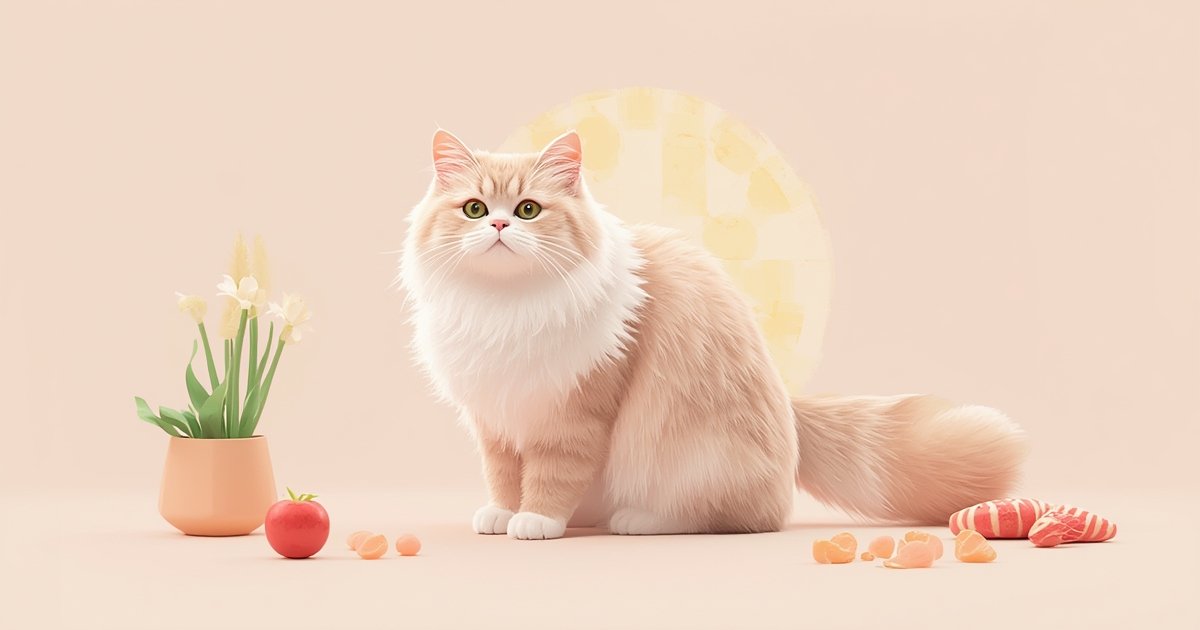
Unlock the secrets to a radiant Persian cat! Our 2026 diet guide covers nutrition, common mistakes, and tailored plans for optimal health and a vibrant coat.
Understanding the Unique Nutritional Needs of Persian Cats
The majestic Persian cat, with its flowing coat and serene demeanor, demands more than just beauty sleep to thrive. Their distinctive physiology, from their long, luxurious fur to their brachycephalic (flat) faces, dictates a specific nutritional approach. Providing an optimal Persian diet is paramount for their longevity, vibrant appearance, and overall well-being. This specialized care ensures they remain healthy and happy for years to come.
Unlike other breeds, Persians have particular dietary considerations that influence their food choices. Their lengthy coats require specific nutrients to maintain luster and reduce shedding. Furthermore, their facial structure can make eating certain kibble shapes challenging, necessitating careful selection of food types. Understanding these nuances is the first step in crafting the perfect meal plan.
The Impact of Coat and Facial Structure on Diet
Persian cats are renowned for their long, thick coats, which are prone to matting and hairball formation. A diet rich in essential fatty acids, such as Omega-3 and Omega-6, is crucial for skin health and coat quality. These nutrients help to keep their fur supple, reduce excessive shedding, and minimize the risk of dry, flaky skin. A healthy coat is not just aesthetic; it’s a strong indicator of internal health.
Their charming flat faces, while endearing, can pose practical challenges at mealtime. Many Persians struggle with standard-sized kibble, leading to messy eating or difficulty picking up food. Specialized kibble shapes, often flatter or smaller, are designed to accommodate their unique jawline and make eating easier and more efficient. This small detail can significantly improve their dining experience.
Age-Specific Dietary Requirements for Persian Cats
Just like humans, a Persian cat’s dietary needs evolve throughout their life. Kittens require a diet high in protein and fat to support rapid growth and development. Adult Persians need a balanced diet for maintenance, while senior cats may benefit from diets tailored for joint support, kidney health, or weight management. Each life stage presents different nutritional demands.
For pregnant or lactating queens, energy requirements increase substantially, demanding nutrient-dense food. Similarly, spayed or neutered cats may have a lower metabolic rate and be prone to weight gain, necessitating controlled portions and possibly a lower-calorie diet. Regularly assessing your cat’s life stage and adjusting their Persian diet accordingly is vital for their health.
The Core Components of an Optimal Persian Diet
A well-rounded Persian diet is built upon a foundation of high-quality ingredients designed to meet their specific needs. Understanding the essential macronutrients and micronutrients is key to making informed decisions about their food. This section delves into what truly makes a diet optimal for these magnificent felines.
Protein: The Cornerstone of Feline Health
Cats are obligate carnivores, meaning they require a diet rich in animal-based protein. For Persians, high-quality animal protein is crucial for maintaining muscle mass, supporting organ function, and promoting healthy skin and fur. Look for foods where meat, poultry, or fish are listed as the first ingredients.
– **Sources of Quality Protein:** Chicken, turkey, salmon, beef, lamb, and venison are excellent protein sources.
– **Importance for Coat:** Amino acids from protein contribute directly to keratin production, the main component of hair. This means a shiny, strong coat.
– **Muscle Maintenance:** Adequate protein intake ensures your Persian maintains strong muscles, essential for their playful nature and overall mobility.
Fats: Energy and Essential Nutrients
Fats are a concentrated source of energy for cats and are vital for the absorption of fat-soluble vitamins (A, D, E, K). More importantly, essential fatty acids, particularly Omega-3 and Omega-6, play a critical role in maintaining skin and coat health, reducing inflammation, and supporting cognitive function. These are non-negotiable in any good Persian diet.
– **Omega-3 Fatty Acids:** Found in fish oils (salmon, sardine), flaxseed oil. Beneficial for reducing inflammation and promoting a glossy coat.
– **Omega-6 Fatty Acids:** Found in chicken fat, sunflower oil. Important for skin barrier function and cell growth.
– **Energy Source:** Fats provide sustained energy, keeping your Persian active and playful throughout the day.
Carbohydrates, Vitamins, and Minerals: The Supporting Cast
While proteins and fats are primary, carbohydrates, vitamins, and minerals round out a complete diet. Whole grains, vegetables, and fruits in moderation can provide fiber for digestive health and additional essential nutrients. However, carbohydrates should not form the bulk of a Persian’s diet.
– **Fiber:** Helps regulate digestion, prevent constipation, and can aid in hairball management. Sources include pumpkin, sweet potato, and oats.
– **Vitamins:** Vitamin A for vision, Vitamin E for immune health, B vitamins for metabolism. A balanced commercial diet usually provides these.
– **Minerals:** Calcium and phosphorus for bone health, zinc for skin and immune function, taurine (an essential amino acid) for heart and eye health. Taurine deficiency can be life-threatening for cats.
Choosing the Best Food for Your Persian: Wet vs. Dry vs. Raw
Deciding on the best food type for your Persian can be overwhelming with the myriad of options available. Each type – dry, wet, and raw/fresh – offers distinct advantages and disadvantages. The best choice often depends on your cat’s individual preferences, health needs, and your lifestyle. This section will help you navigate these choices.
Dry Kibble: Convenience and Dental Health
Dry kibble is a popular choice for its convenience, longer shelf life, and often lower cost. Many formulations are available, including those specifically designed for long-haired breeds or sensitive stomachs. Some larger kibble pieces can even help scrape plaque off teeth, promoting dental health.
– **Pros:** Convenient to store and serve, can be left out, potential dental benefits, often more affordable.
– **Cons:** Lower moisture content (requires diligent hydration), some Persians struggle with kibble shape/size, can be higher in carbohydrates.
– **Tips for Persians:** Look for specialized kibble designed for brachycephalic breeds, which often have flatter or unique shapes. Ensure fresh water is always available.
Wet Food: Hydration and Palatability
Wet food, typically canned or pouched, has a high moisture content, which is incredibly beneficial for a cat’s urinary tract health. Persians, like all cats, often don’t drink enough water, making wet food an excellent way to boost their hydration. Its strong aroma and soft texture also make it highly palatable for many cats, especially picky eaters.
– **Pros:** High moisture content (excellent for hydration), highly palatable, often lower in carbohydrates, easier to eat for cats with dental issues.
– **Cons:** Shorter shelf life once opened, can be more expensive, some cats may prefer kibble texture, can contribute to tartar buildup if not supplemented with dental care.
– **Tips for Persians:** Consider a mix of wet and dry food to combine benefits. Pate-style wet food is often easier for Persians to consume.
Raw and Fresh Diets: Mimicking Nature
Raw and fresh diets aim to replicate a cat’s ancestral diet, often consisting of raw muscle meat, organs, and bones, sometimes with added supplements. Proponents claim benefits such as shinier coats, increased energy, and improved digestion. This approach to the Persian diet requires careful preparation and adherence to safety protocols.
– **Pros:** Highly digestible nutrients, high moisture content, absence of artificial additives.
– **Cons:** Risk of bacterial contamination if not prepared correctly, can be nutritionally unbalanced without expert guidance, more expensive and time-consuming, not suitable for all cats.
– **Tips for Persians:** Consult with a veterinary nutritionist before embarking on a raw diet. If feeding commercially prepared raw food, choose reputable brands that follow AAFCO guidelines.
Comparison of High-Quality Cat Food Types for Persians
Choosing the right food is a critical decision for your Persian’s health. Below is a comparison of different high-quality cat food types, highlighting their unique features to help you decide.
| Product Type | Price Range (Monthly) | Pros | Cons | Best For |
|---|---|---|---|---|
| Premium Dry Kibble (Brachycephalic formula) | $30-$60 | Convenient, specialized kibble shapes, can help dental health, long shelf life. | Lower moisture content, can be higher in carbohydrates than wet food. | Owners seeking convenience, dental support, and portion control. |
| High-Moisture Wet Food (Grain-free pate) | $50-$90 | Excellent hydration, highly palatable, often lower in carbs, easy to eat for flat-faced cats. | Shorter shelf life once opened, can be more expensive, requires refrigeration. | Cats needing extra hydration, picky eaters, or those with dental sensitivities. |
| Freeze-Dried Raw Diet (Complete & Balanced) | $70-$120 | Nutrient-dense, high digestibility, often mimics natural diet, good for sensitive stomachs. | Higher cost, requires rehydration, needs careful handling and storage to maintain safety. | Owners prioritizing a natural diet, cats with allergies or digestive issues. |
Navigating Dietary Challenges and Common Mistakes
Even with the best intentions, feeding a Persian cat can come with its unique set of challenges. From hairball management to preventing obesity, proactive strategies are essential. Avoiding common dietary mistakes can significantly contribute to your Persian’s long-term health and vitality.
Hairball Management Through Diet
Persians are notorious for hairballs due to their extensive grooming and long coats. While regular brushing is crucial, diet plays a significant role in minimizing their occurrence. Look for foods formulated with specific ingredients to aid in hairball control.
– **Increased Fiber:** Diets rich in digestible fiber help hair pass through the digestive tract more easily. Psyllium husk or beet pulp are common additives.
– **Omega Fatty Acids:** Healthy skin and coat can reduce excessive shedding, thereby reducing the amount of hair ingested. Ensure the Persian diet is rich in these.
– **Hydration:** Adequate water intake helps to lubricate the digestive system, facilitating the passage of hair.
Preventing Obesity in Persian Cats
Persians tend to be less active than some other breeds, making them prone to weight gain. Obesity in cats can lead to serious health issues, including diabetes, arthritis, and heart disease. Preventing obesity is a key aspect of responsible Persian cat ownership.
– **Portion Control:** Follow feeding guidelines based on your cat’s ideal weight, not their current weight. Use a measuring cup or scale for accuracy.
– **Scheduled Meals:** Instead of free-feeding, offer 2-3 measured meals per day. This helps regulate intake and monitor appetite.
– **High-Quality Food:** Diets rich in protein and moderate in fat can help maintain satiety without excessive calories. Avoid fillers and unnecessary carbohydrates.
– **Engage in Play:** Encourage activity through interactive toys and play sessions to burn calories and build muscle.
Common Dietary Mistakes to Avoid
Many owners inadvertently make mistakes that can impact their Persian’s health. Being aware of these pitfalls can help you provide the best care.
– **Overfeeding Treats:** Treats should make up no more than 10% of your cat’s daily caloric intake. They are supplements, not meal replacements.
– **Changing Food Abruptly:** Sudden diet changes can cause digestive upset. Always transition gradually over 7-10 days, mixing increasing amounts of the new food with decreasing amounts of the old.
– **Ignoring Water Intake:** Always provide fresh, clean water in multiple locations. Consider a pet water fountain to encourage drinking.
– **Feeding Human Food:** Many human foods are toxic to cats (e.g., onions, garlic, chocolate, grapes). Others, while not toxic, lack appropriate nutrients or contain too much salt/fat. Stick to cat-specific foods.
– **Purchasing Low-Quality Food:** Cheap food often contains fillers, artificial colors, and insufficient nutrients. Investing in a high-quality Persian diet pays off in health benefits.
Supplements and Hydration: Enhancing Your Persian’s Health
Beyond a balanced diet, certain supplements and a strong focus on hydration can significantly enhance your Persian cat’s health, particularly for their coat and digestive system. These elements are often overlooked but are crucial for a truly radiant Persian.
Beneficial Supplements for Persian Cats
While a complete and balanced commercial diet should provide most necessary nutrients, some supplements can offer targeted support, especially for issues common in Persians. Always consult your veterinarian before adding supplements to your cat’s routine.
– **Omega-3 Fatty Acids (Fish Oil):** Excellent for skin and coat health, reducing inflammation, and supporting joint and cognitive function. Can lead to a noticeably shinier coat and reduced shedding.
– **Probiotics:** Help maintain a healthy gut microbiome, which is vital for digestion, nutrient absorption, and immune function. Especially useful after antibiotic treatment or for cats with sensitive stomachs.
– **Hairball Remedies:** Often contain gentle lubricants or fiber to help hair pass through the digestive tract. Some come in palatable pastes or treats.
– **Joint Supplements (Glucosamine/Chondroitin):** As Persians age, they can be prone to joint issues. These supplements can support cartilage health and reduce discomfort.
The Critical Role of Hydration
Cats naturally have a low thirst drive, primarily designed to get most of their moisture from their prey. Domestic cats often don’t drink enough, especially when on a dry kibble diet. Chronic dehydration can lead to serious urinary tract and kidney issues.
– **Multiple Water Stations:** Place water bowls in various locations around your home.
– **Ceramic or Stainless Steel Bowls:** Some cats dislike plastic bowls. These materials are also easier to keep clean.
– **Water Fountains:** Many cats are attracted to moving water, making a pet fountain an excellent investment to encourage drinking.
– **Wet Food Inclusion:** Incorporating wet food into their Persian diet is one of the most effective ways to increase their daily fluid intake.
– **Add Flavor:** A splash of low-sodium chicken or beef broth (check ingredients carefully) can entice some cats to drink more.
Crafting a Personalized Persian Diet Plan for 2026 and Beyond
There’s no one-size-fits-all solution when it comes to the perfect Persian diet. Every cat is an individual, with unique preferences, activity levels, and potential health concerns. Creating a personalized plan ensures your Persian receives optimal nutrition tailored to their specific needs, setting them up for a radiant 2026 and a healthy future.
Assessing Your Persian’s Individual Needs
Before finalizing a diet plan, take into account several factors specific to your cat. These include their age, current weight, activity level, and any underlying health conditions. Your veterinarian is your best resource for this assessment.
– **Age:** Kittens, adults, and seniors have different caloric and nutrient requirements.
– **Weight:** Is your Persian at an ideal weight? Overweight or underweight cats need specific dietary adjustments.
– **Activity Level:** A highly playful Persian may need more calories than a sedentary lap cat.
– **Health Conditions:** Allergies, sensitive stomach, kidney issues, or diabetes all necessitate specialized diets.
– **Coat Condition:** A dull coat might indicate a need for more essential fatty acids.
Developing a Feeding Schedule and Portion Control
Consistency is key in a feeding routine. Establishing a regular schedule helps regulate your cat’s metabolism and can prevent digestive upset. Accurate portion control is also vital for preventing obesity and ensuring they get the right amount of nutrients.
1. **Consult Your Vet:** Discuss your Persian’s ideal weight and caloric needs with your veterinarian.
2. **Read Food Labels:** Use the feeding guidelines on your chosen food as a starting point, but adjust based on your cat’s individual needs.
3. **Use Measuring Tools:** A kitchen scale for dry food or a standard measuring cup ensures accurate portions.
4. **Scheduled Meals:** Offer 2-3 small meals per day rather than leaving food out continuously. This allows you to monitor intake and ensures freshness.
5. **Monitor Body Condition:** Regularly assess your cat’s body condition score. You should be able to feel their ribs easily without seeing them, and they should have a discernible waist.
Regular Veterinary Check-ups and Dietary Adjustments
Even the best-laid plans need periodic review. Regular veterinary check-ups are crucial for monitoring your Persian’s health and making necessary dietary adjustments. Your vet can identify subtle changes that might require a tweak in their diet.
– **Annual Wellness Exams:** These are essential for detecting any emerging health issues that could be managed or alleviated through diet.
– **Blood Work:** Especially for older Persians, blood tests can reveal kidney, liver, or thyroid issues that require specific therapeutic diets.
– **Discuss Concerns:** Don’t hesitate to discuss any changes in appetite, weight, coat quality, or bathroom habits with your vet. These can be indicators of dietary issues.
– **Stay Informed:** The field of pet nutrition is constantly evolving. Staying updated on the latest research and product developments can help you make the best choices for your Persian diet.
By meticulously planning and consistently monitoring your Persian’s diet, you’re investing in their long-term health and happiness. A radiant coat, bright eyes, and a lively disposition are the natural rewards of a well-nourished Persian cat.
Caring for a Persian cat, with its luxurious coat and distinctive features, requires a comprehensive approach to nutrition. From understanding their unique physiological needs to carefully selecting the right balance of proteins, fats, and carbohydrates, every decision contributes to their overall health. We’ve explored the benefits of different food types, strategies for managing common challenges like hairballs and obesity, and the crucial role of hydration and targeted supplements. Ultimately, crafting a personalized Persian diet plan, ideally in consultation with your veterinarian, is the most effective way to ensure your feline companion thrives now and into a radiant 2026. Prioritizing their dietary needs lays the groundwork for a life of vitality and happiness.
We encourage you to delve deeper into specialized feline nutrition and consider how these insights can be applied to your Persian’s daily routine. If you have specific concerns or questions regarding your cat’s health, do not hesitate to reach out to a professional.
Please contact us if you need more in-depth information or wish to schedule a consultation regarding your pet’s dietary needs.
Frequently Asked Questions (FAQ)
How often should I feed my Persian cat?
Most adult Persian cats do well with two to three small meals per day. This helps regulate their metabolism and prevents overeating. Kittens may require more frequent meals.
Is grain-free food better for my Persian cat?
While grain-free diets can be beneficial for some cats with specific sensitivities, grains are not inherently bad. The quality and digestibility of ingredients are more important than the presence or absence of grains. Consult your vet for personalized advice.
How can I tell if my Persian cat is overweight?
You should be able to easily feel your cat’s ribs without seeing them. They should also have a discernible waist when viewed from above. If you can’t feel their ribs or they have a rounded belly, they may be overweight. Your vet can provide an accurate assessment.
Can my Persian cat eat human food?
It’s generally best to avoid feeding human food to your Persian cat. Many human foods lack the proper nutrients for cats, and some are toxic (e.g., onions, garlic, chocolate, grapes). Stick to high-quality cat food specifically formulated for their needs.
What should I do if my Persian cat is a picky eater?
Picky eating can be frustrating. Try offering a variety of high-quality wet foods, perhaps warming them slightly to enhance the aroma. Ensure their bowl is clean, and avoid sudden changes in food. If pickiness persists, consult your vet to rule out underlying health issues.
References and Further Reading
– American Association of Feline Practitioners (AAFP): https://catvets.com/
– Cornell Feline Health Center: https://www.vet.cornell.edu/departments-centers-and-institutes/cornell-feline-health-center
– PetMD: https://www.petmd.com/cat/nutrition
Leave a Reply