

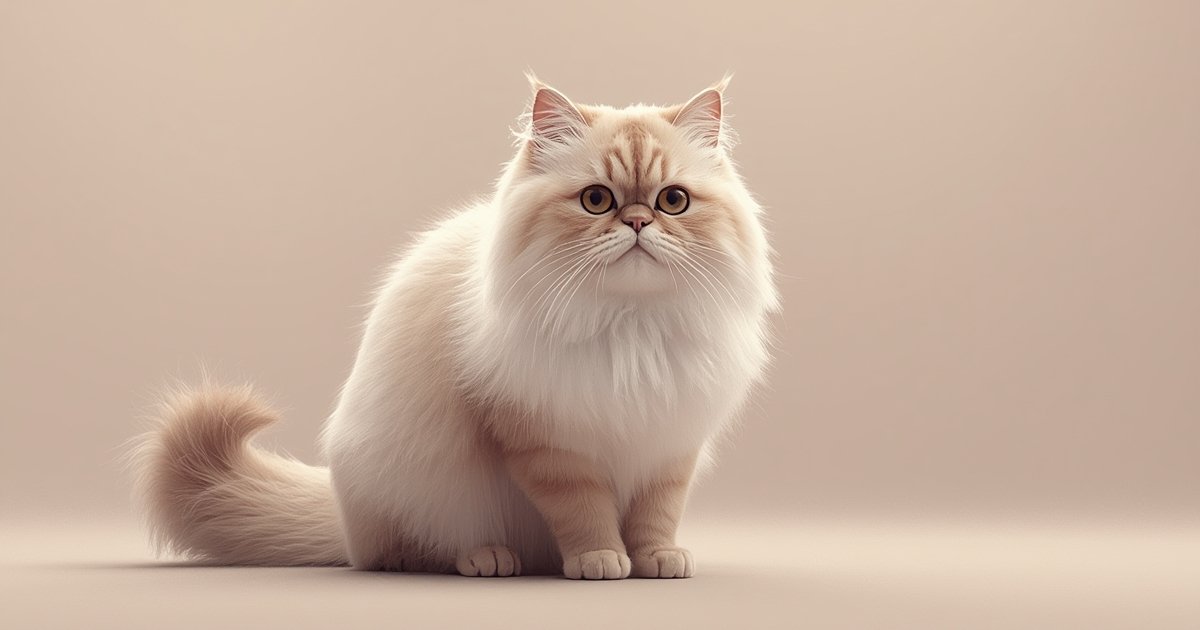
Meta Description: Discover 7 essential Persian grooming hacks for 2026! Keep your royal cat’s coat pristine, prevent matting, and ensure their comfort with expert tips.
The Majestic Mane: Embracing Comprehensive Persian Grooming
Persian cats, with their flowing coats and regal demeanor, are undoubtedly one of the most beautiful breeds. Their luxurious fur is a hallmark of their charm, but it’s also a commitment. Mastering Persian grooming is not just about aesthetics; it’s crucial for their health, comfort, and overall well-being. Neglecting their distinctive long hair can quickly lead to painful mats, skin issues, and discomfort for your feline companion.
This comprehensive guide dives into seven essential grooming hacks, ensuring your royal secret keeper maintains its majestic appearance and stays happy and healthy in 2026 and beyond. From daily brushing routines to specialized bathing techniques, we’ll cover everything you need to know to provide top-tier care.
Understanding the Unique Needs of Persian Grooming
The Persian cat’s coat is unique, characterized by a dense undercoat and a long, silky topcoat. This combination, while beautiful, is highly prone to tangles, knots, and mats if not managed diligently. Their brachycephalic (flat) faces also present specific challenges, particularly concerning eye and nasal discharge.
Effective Persian grooming goes beyond a simple brush. It requires a holistic approach that addresses their fur, eyes, ears, nails, and even their dental health. Regular, consistent care is paramount, not just for preventing problems but also for strengthening the bond between you and your cherished pet.
Understanding these particular needs is the first step towards developing a successful grooming regimen. It helps you anticipate potential issues and equips you with the knowledge to tackle them proactively, ensuring your Persian cat lives a comfortable and healthy life.
The Importance of a Consistent Routine
Consistency is the golden rule for Persian grooming. A daily or every-other-day brushing routine can prevent the vast majority of matting issues. Establishing this habit early in your cat’s life makes the process less stressful for both of you.
Beyond brushing, regular checks of their eyes, ears, and teeth should be integrated into your weekly schedule. These small, frequent efforts accumulate to significant benefits, preventing severe problems that might require veterinary intervention.
Think of grooming as a preventative health measure, not just a cosmetic one. It allows you to monitor your cat’s skin for any abnormalities, detect parasites early, and keep an eye on their general physical condition.
Hack 1: The Daily Brush-Up – Essential Tools and Techniques
Daily brushing is the cornerstone of effective Persian grooming. It removes loose hair, prevents mats, distributes natural oils, and provides a gentle massage that most cats enjoy. Investing in the right tools is critical for success.
Start with a wide-toothed comb to gently untangle any surface knots, working slowly from the ends of the hair towards the skin. Follow this with a slicker brush, using light, short strokes, especially in areas prone to matting like the armpits, belly, and behind the ears. Finish with a metal greyhound comb to ensure no tangles were missed and to provide a smooth finish.
Always be gentle and patient. If you encounter a mat, do not pull. Instead, use a mat splitter or a dematting comb carefully, working small sections at a time. This process should be a positive experience, often accompanied by treats and praise.
Choosing the Right Brushes and Combs for Persian Grooming
The market offers a bewildering array of grooming tools. For Persian grooming, a combination of specific tools is most effective. Each serves a distinct purpose in maintaining their magnificent coat.
A good quality metal comb with both wide and narrow teeth is indispensable for detangling and checking for hidden knots. Slicker brushes are excellent for removing loose undercoat and smoothing the topcoat, while a pin brush can be used for general fluffing and finishing.
For tougher mats, a specialized mat splitter or dematting rake can be a lifesaver, but always use these with extreme caution to avoid irritating or cutting the skin. It’s better to prevent mats than to have to deal with them.
Comparison of Essential Grooming Tools
Comparison of Top Persian Grooming Tools
| Product | Price | Pros | Cons | Best For |
|---|---|---|---|---|
| Safari De-Matting Comb | $12 – $18 | Effectively breaks up mats without cutting skin. Ergonomic handle. | Can be sharp if not used carefully. Not for general brushing. | Tackling severe mats and tangles. |
| Hertzko Self-Cleaning Slicker Brush | $15 – $25 | Retractable bristles for easy cleaning. Excellent for removing loose fur and undercoat. | Bristles can be too harsh for very sensitive skin. | Daily general brushing and undercoat removal. |
| Chris Christensen 000 Fine/Coarse Comb | $30 – $45 | High-quality steel, rounded teeth. Glides through fur, perfect for fine detangling and finishing. | Higher price point. Not ideal for deep, dense mats. | Detail work, checking for missed tangles, and overall finishing. |
| Paw Brothers Curved Slicker Brush | $20 – $35 | Curved head contours to the cat’s body. Great for fluffing and working through dense areas. | Requires regular manual cleaning. | Shaping, fluffing, and gentle brushing on sensitive areas. |
Hack 2: Bathing Your Royal Highness: A Step-by-Step Guide
While daily brushing is vital, regular bathing is also a crucial part of Persian grooming, typically every 4-6 weeks, or as needed if your cat gets particularly dirty. Bathing helps remove excess oils, dander, and any remaining loose hair that brushing might miss.
Prepare everything beforehand: two towels, a non-slip mat for the tub, a cat-specific shampoo and conditioner, and a cup for rinsing. Use lukewarm water and speak in a calm, soothing voice throughout the process. Ensure the water level is low, just enough to wet their paws and belly.
Start by thoroughly wetting your cat, avoiding their eyes and ears. Apply a small amount of shampoo, working it gently into their coat. Rinse thoroughly, as any residue can irritate their skin. Follow with a conditioner to help detangle and moisturize. Pat dry with a towel, then gently blow-dry on a low, cool setting while brushing.
Choosing the Right Shampoos and Conditioners
Selecting the correct products is paramount for successful Persian grooming baths. Always use shampoos and conditioners specifically formulated for cats, ideally those designed for long-haired breeds or sensitive skin. Human products can be too harsh and disrupt your cat’s skin pH.
Look for ingredients like oatmeal for sensitive skin, or de-shedding formulas if your cat is prone to heavy shedding. Hypoallergenic options are excellent for cats with known allergies. A good conditioner will help prevent tangles and keep the coat silky, making subsequent brushing much easier.
Consult with your veterinarian or a professional groomer if you’re unsure which products are best for your cat’s specific coat and skin type. Their advice can be invaluable in maintaining coat health.
Hack 3: Eye Care and Ear Hygiene: Small Details, Big Impact
Persian cats’ distinctive flat faces often lead to tear staining and discharge around their eyes. Regular eye cleaning is an indispensable part of Persian grooming to prevent irritation, infection, and unsightly staining. Use a soft, damp cloth or a specialized eye wipe to gently clean the area around their eyes daily.
Wipe away from the corner of the eye, being careful not to touch the eyeball itself. For persistent staining, there are veterinarian-approved tear stain removers, but always consult your vet before using any new product near your cat’s eyes. Early and consistent cleaning is key to managing this common Persian trait.
Ear cleaning is equally important, though less frequent. Check your cat’s ears weekly for redness, odor, or excessive wax buildup. If you notice any of these, use a cat-specific ear cleaner applied to a cotton ball (never a cotton swab) to gently wipe the visible parts of the ear canal. Avoid probing deep into the ear, as this can cause damage. If there’s heavy discharge or a strong odor, it could indicate an infection, requiring a vet visit.
Hack 4: Nail Trimming and Dental Health: Beyond the Fur
While much of Persian grooming focuses on their glorious coat, neglecting their nails and teeth can lead to significant health issues. Regular nail trims prevent overgrowth, which can cause discomfort, pain, and even infections as nails curl into paw pads.
Aim to trim your Persian’s nails every 2-4 weeks. Use sharp, cat-specific nail clippers. Gently press on their paw pad to extend the nail, and snip only the very tip, avoiding the quick (the pink part containing nerves and blood vessels). If you’re unsure, ask your vet or groomer for a demonstration. Having styptic powder on hand can help if you accidentally cut too close.
Dental health is often overlooked but is critical for a cat’s overall well-being. Periodontal disease is rampant in cats and can lead to pain, tooth loss, and systemic health problems. Brushing your cat’s teeth daily or a few times a week with a cat-specific toothbrush and toothpaste is the gold standard.
Introduce tooth brushing slowly and positively. Start by letting them taste the toothpaste, then gradually introduce the brush. Dental treats, water additives, and specialized diets can help, but they are not a substitute for regular brushing and professional dental cleanings as recommended by your veterinarian.
Hack 5: Tackling Mats and Preventing Skin Issues with Advanced Persian Grooming
Despite your best efforts, mats can still form, especially in denser areas or if a grooming session is missed. When addressing mats, patience and the right tools are crucial. Never try to pull or cut out a mat with scissors unless you are absolutely sure of what you are doing, as you can easily injure your cat’s skin.
For small, surface mats, use a dematting spray or a sprinkle of cornstarch to help loosen the fur. Then, use a wide-toothed comb or a mat splitter to gently work through the mat, separating small sections at a time. Always work from the outside of the mat inwards, never pulling directly on the skin.
For larger, tightly packed mats, it may be best to seek professional help. A professional groomer or veterinarian can safely shave out severe mats without causing stress or injury to your cat. Prevention is always better than cure, so consistent daily brushing remains the most effective strategy against matting in Persian grooming.
Recognizing and Preventing Skin Problems
Regular Persian grooming allows you to closely monitor your cat’s skin and coat health. Look for any signs of redness, flakiness, bumps, or sores. These could indicate allergies, parasites, fungal infections (like ringworm), or other dermatological issues.
Good nutrition plays a vital role in skin and coat health. A high-quality diet rich in essential fatty acids (like Omega-3 and Omega-6) can significantly improve coat luster and skin condition. Consider supplements if recommended by your vet.
Environmental factors also contribute. Keep your home free of excessive dust and allergens. Regular cleaning of bedding and grooming tools can help minimize skin irritants. If you notice any persistent skin issues, a prompt visit to the veterinarian is essential for proper diagnosis and treatment.
Hack 6: The Benefits of Professional Grooming Sessions
Even with diligent at-home care, professional grooming sessions can be incredibly beneficial for Persian cats. Professional groomers have specialized tools, training, and experience in handling long-haired breeds, especially those with complex coats like Persians.
A professional groomer can safely address severe matting, provide thorough de-shedding treatments, give precise sanitary clips, and ensure an all-over even trim if desired. They can also offer expert advice on at-home Persian grooming techniques and product recommendations tailored to your cat’s specific needs.
Regular visits to a professional groomer (e.g., every 2-3 months) can significantly lighten your at-home grooming burden and ensure your cat’s coat remains in peak condition. This is especially helpful for busy owners or those who find certain grooming tasks challenging.
When to Consider a “Lion Cut”
For some Persian cats, particularly those prone to severe matting or who struggle with the heat, a “lion cut” can be a practical solution. This involves shaving the body short while leaving the mane, tail tip, and ‘boots’ on the legs intact. This dramatic style offers several benefits:
– **Mat Prevention:** Completely eliminates matting for a period.
– **Cooling:** Helps cats regulate body temperature in warmer climates or during summer months.
– **Hygiene:** Easier to keep clean, especially for cats with mobility issues or those prone to sanitary problems.
– **Comfort:** Reduces the heavy weight of the coat, making the cat feel lighter and more comfortable.
A lion cut should always be performed by a professional groomer or veterinarian under sedation if necessary. Discuss this option with your vet to determine if it’s suitable for your cat’s health and lifestyle. While it reduces daily Persian grooming efforts, the regrowing coat still requires attention to prevent new mats from forming.
Hack 7: Positive Reinforcement and Making Grooming Enjoyable
The final, and perhaps most crucial, hack for successful Persian grooming is to make it a positive experience for your cat. Cats are creatures of habit and routine, and a fearful or stressed cat will resist grooming efforts, making the entire process difficult for both of you.
Start grooming sessions when your cat is relaxed, perhaps after a meal or a play session. Keep sessions short and frequent initially, gradually increasing their duration as your cat becomes more comfortable. Use positive reinforcement liberally: gentle praise, petting, and irresistible treats during and immediately after grooming.
Never punish or scold your cat for resisting. If they become agitated, calmly end the session and try again later. Patience and a gentle approach will go a long way in building trust and helping your Persian cat associate grooming with pleasant sensations and rewards. This positive association is key to a lifetime of stress-free Persian grooming.
Consistency in positive reinforcement ensures your cat learns that grooming is not something to fear, but rather a time for connection and comfort. This investment in their emotional well-being will pay dividends in managing their beautiful, high-maintenance coat.
Mastering the art of Persian grooming is an ongoing journey, but with these seven hacks, you’re well-equipped to keep your majestic feline looking and feeling their best. From selecting the right tools for daily brushing to understanding the nuances of eye care and dental hygiene, each step contributes to your cat’s overall health and happiness.
Remember, consistency, patience, and positive reinforcement are your greatest allies. By prioritizing your Persian cat’s grooming needs, you’re not just maintaining their beauty; you’re actively contributing to their comfort, preventing health issues, and strengthening the special bond you share. Embrace these routines, and enjoy the rewards of a pristine, purring companion.
For more expert advice on pet care or to explore our other grooming insights, don’t hesitate to contact us or subscribe to our newsletter.
Frequently Asked Questions About Persian Grooming
How often should I brush my Persian cat?
Ideally, Persian cats should be brushed daily to prevent mats and tangles. If daily isn’t possible, aim for at least every other day, focusing on areas prone to matting like the belly, armpits, and behind the ears.
What’s the best way to deal with tear stains on my Persian cat’s face?
Regular daily cleaning with a soft, damp cloth or cat-specific eye wipes is crucial. Wipe gently away from the eye. For persistent staining, consult your veterinarian about safe tear stain removers or underlying medical causes.
How often should I bathe my Persian cat?
Most Persian cats benefit from a bath every 4-6 weeks. This helps remove excess oils, dander, and loose hair. Always use cat-specific shampoo and conditioner, and ensure thorough rinsing to prevent skin irritation.
Is it true that Persian cats are prone to dental problems?
Yes, like many breeds, Persian cats can be prone to periodontal disease. Daily or frequent tooth brushing with cat-specific toothpaste and a toothbrush is the most effective preventative measure. Regular veterinary dental check-ups are also vital.
When should I take my Persian cat to a professional groomer?
Professional grooming is recommended every 2-3 months, even with diligent home care. They can handle severe mats, provide sanitary clips, and offer specialized de-shedding treatments. If your cat develops extensive matting or you struggle with certain grooming tasks, a professional can be invaluable.
Leave a Reply