

Meta Description: Master Persian grooming! Discover expert tips, essential tools, and a step-by-step routine to keep your feline’s luxurious coat healthy and tangle-free.
The Allure of the Persian Coat: Why Grooming is Key
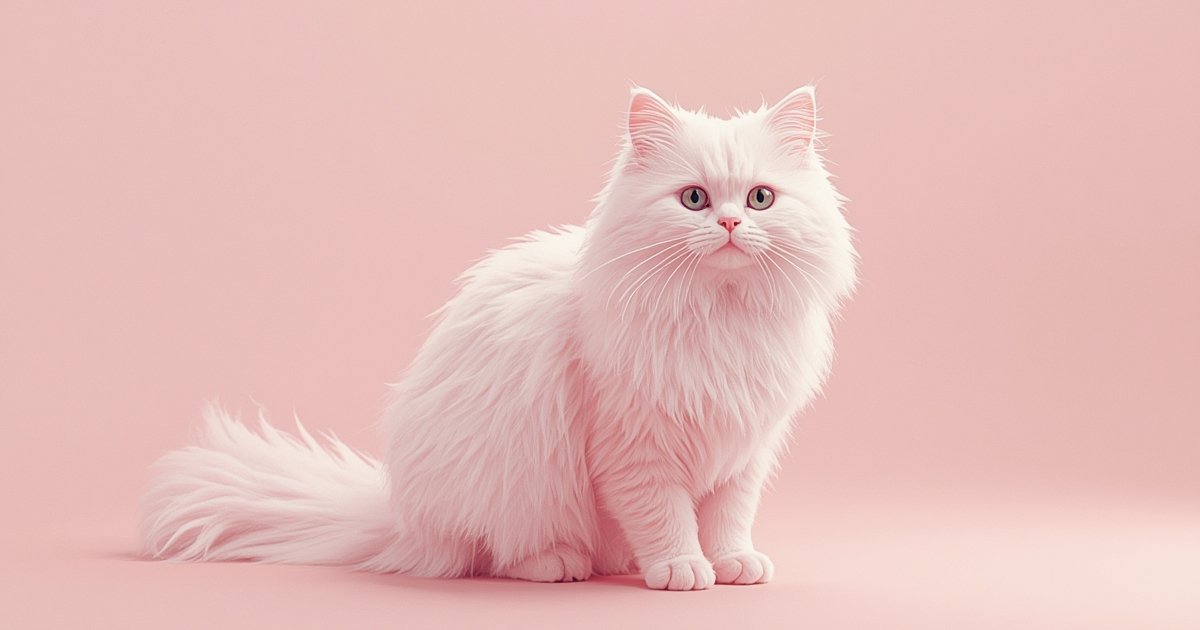
The Persian cat, with its distinctive flat face and captivating eyes, is renowned for its magnificent, long, flowing coat. This luxurious fur is undeniably beautiful, a true hallmark of the breed, yet it comes with a unique set of care requirements. Effective Persian grooming is not just about aesthetics; it’s a critical component of their overall health and well-being. Without diligent attention, this stunning coat can quickly become matted, leading to discomfort, skin issues, and even serious health problems for your beloved feline companion.
Understanding the specific needs of a Persian’s long, dense double coat is the first step towards a happy and healthy cat. This coat type is prone to tangles and mats that can pull at their skin, restrict movement, and harbor parasites or dirt. A consistent grooming routine ensures their comfort, prevents painful knots, and keeps their skin breathing properly. Moreover, regular grooming sessions strengthen the bond between you and your pet, making the process a positive experience for both.
Demystifying the Daily Rituals of Persian Grooming
Maintaining a Persian’s iconic coat requires dedication, but it doesn’t have to be daunting. Establishing a daily routine is paramount to preventing problems before they start. Think of it as a small investment of your time that yields immense rewards in your cat’s health and happiness. The secret lies in consistency and using the right techniques to keep their fur in top condition.
Daily Brushing: Your First Line of Defense
Daily brushing is the cornerstone of effective Persian grooming. This isn’t just a quick run-through; it’s a thorough session designed to remove loose hair, prevent tangles, and distribute natural skin oils. Aim for at least 10-15 minutes each day, ideally when your cat is relaxed and amenable to being handled.
– Start by gently using a wide-toothed comb to tackle any superficial tangles. Always work from the tips of the fur towards the skin, never pulling or tugging.
– Follow up with a slicker brush, moving in small sections, always brushing in the direction of hair growth. Pay special attention to areas prone to matting, such as under the “armpits,” behind the ears, and around the hindquarters.
– Use a metal comb to check your work. If the comb glides smoothly through the fur, you’ve done a good job. If it snags, go back with the slicker brush to work out any remaining knots.
Eye Care: Keeping Those Bright Eyes Clear
Persian cats are known for their brachycephalic (flat-faced) structure, which often leads to tear staining and discharge around their eyes. This requires daily attention to prevent irritation and infection.
– Gently wipe the area around their eyes with a soft, damp cloth or a specialized feline eye wipe.
– Be careful not to touch the eyeball itself. If you notice excessive discharge or redness, consult your veterinarian.
– Regular cleaning helps prevent the accumulation of crusty buildup that can irritate the skin and fur.
Oral Hygiene: More Than Just a Pretty Smile
While not directly related to coat care, dental hygiene is an integral part of your Persian’s overall grooming and health. Neglecting their teeth can lead to serious health issues down the line.
– Aim for daily or at least several times a week brushing with a feline-specific toothbrush and toothpaste. Never use human toothpaste, as it can be toxic to cats.
– Introduce tooth brushing gradually, making it a positive experience with treats and praise.
– Regular dental check-ups with your vet are also essential to monitor for any signs of dental disease.
Essential Tools for Superior Persian Grooming
Having the right arsenal of grooming tools is just as important as the routine itself. Investing in high-quality tools designed for long-haired cats will make the process easier, more effective, and more comfortable for your Persian. Trying to make do with substandard tools can cause pain, frustration, and damage to their delicate coat.
Brushes and Combs: The Core of Your Kit
– Slicker Brush: Excellent for removing loose hair and small tangles from the topcoat. Look for one with fine, bent wire bristles.
– Pin Brush: Good for daily general brushing and distributing natural oils, especially on longer fur.
– Metal Comb: Essential for detailed work, checking for mats, and working through stubborn tangles. A comb with both wide and narrow teeth is ideal.
– Dematting Comb/Tool: Specifically designed to cut through or gently separate mats without causing pain. Use with extreme caution.
Shampoos and Conditioners: Bath Time Essentials
Regular bathing is a crucial part of Persian grooming, helping to keep their coat clean, free of grease, and preventing mats. Plan for a bath every 4-6 weeks, or more frequently if your cat gets particularly dirty.
– Use only cat-specific, pH-balanced shampoos and conditioners. Human products can irritate their skin and strip essential oils.
– Look for formulas designed for long-haired cats or those that aid in de-shedding.
– Rinse thoroughly to ensure no residue is left behind, which can cause skin irritation or attract dirt.
Other Grooming Aids: Nails, Ears, and More
– Nail Clippers: Choose scissor-style clippers for a clean cut. Introduce them early to make nail trimming a routine part of your Persian’s life.
– Ear Cleaner: A vet-approved feline ear cleaner to gently remove wax and debris. Use cotton balls, never cotton swabs, which can push debris deeper.
– Grooming Powder: Some owners use cornstarch-based grooming powders to absorb excess oil and make brushing easier, especially on white coats. Apply sparingly.
– Hair Dryer: If your cat tolerates it, a low-heat, pet-specific hair dryer can speed up drying and help fluff the coat. Always use on the coolest setting to avoid burns.
Comparison of Essential Persian Grooming Tools
When it comes to selecting the right tools, quality and suitability for a long, dense coat are paramount. Here’s a comparison of some top-rated tools that can elevate your Persian grooming routine.
| Product | Price | Pros | Cons | Best For |
|---|---|---|---|---|
| FURminator Long Hair Deshedding Tool | $35-50 | Significantly reduces shedding; reaches through topcoat to remove loose undercoat. | Can be harsh if used incorrectly; not ideal for detangling mats. | Reducing shedding and preventing hairballs. |
| Chris Christensen Original Series Pin Brush | $40-60 | High-quality, durable pins that don’t scratch skin; excellent for fluffing and general brushing. | Higher price point; not effective on severe mats. | Daily brushing, fluffing the coat, distributing oils. |
| Safari De-matting Comb | $10-15 | Sharp, serrated blades safely cut through stubborn mats; ergonomic handle. | Requires careful technique to avoid cutting skin; only for mats, not general brushing. | Targeted mat removal in specific areas. |
| Andis Pet Grooming Slicker Brush (Large) | $15-25 | Gently removes loose hair and tangles; comfortable grip; works well on thick coats. | Bristles can bend if too much pressure is applied; may not get deepest undercoat. | Everyday detangling and removing superficial loose hair. |
The Step-by-Step Guide to Bathing Your Persian
Bathing a Persian can seem like a daunting task, but with patience and the right approach, it can become a calm and even enjoyable experience for your cat. The key is to make it as stress-free as possible, focusing on a thorough yet gentle process. A properly bathed Persian will have a truly magnificent, soft, and healthy coat.
Preparation is Key
Before you even think about water, prepare your bathing area. This might be a sink with a spray nozzle or a dedicated pet bathing tub. Gather all your supplies: shampoo, conditioner, towels, a non-slip mat, and cotton balls for ears. Most importantly, give your cat a thorough brush-out before the bath. Any mats present will only tighten and become harder to remove once wet.
The Bathing Process
1. Wet the Coat Gradually: Use lukewarm water, gently wetting your cat’s entire coat, avoiding the eyes and ears. Start from the neck and work your way down.
2. Apply Shampoo: Dilute the shampoo slightly with water in your hand for easier application. Gently massage it into the fur, ensuring it reaches the skin. Be thorough, especially in oily areas.
3. Rinse Thoroughly: This is crucial. Rinse, rinse, and rinse again until the water runs clear and you can feel no residue on the fur. Leftover shampoo can irritate the skin and dull the coat.
4. Apply Conditioner: If using a conditioner, apply it next, following the product instructions. This helps to moisturize the skin and fur, making it softer and easier to comb. Rinse thoroughly once more.
5. Final Rinse and Squeeze: Give a final rinse, ensuring all product is gone. Gently squeeze excess water from the coat.
Drying Your Persian
Drying is just as important as washing. An improperly dried Persian can develop skin issues or feel chilled.
– Towel Dry: Wrap your cat in a soft, absorbent towel and gently blot and squeeze the water out. Do not rub vigorously, as this can cause tangles.
– Air Dry (if comfortable): If your cat is in a warm environment, you can let them air dry, but you’ll need to brush them frequently as they dry to prevent mats.
– Blow Dry: For best results and to prevent matting, use a pet-specific hair dryer on a low, cool setting. Keep the dryer moving constantly to avoid overheating any one spot. Brush continuously as you dry to separate the fur and ensure even drying.
– Post-Bath Brush: Once completely dry, give your Persian a final, thorough brushing to ensure no tangles formed during the drying process and to fluff up their glorious coat.
Addressing Common Challenges in Persian Grooming
Even with a meticulous routine, challenges can arise. Knowing how to tackle issues like matting, tear stains, and even a reluctant cat can make your Persian grooming journey smoother and more effective. It’s about proactive measures and gentle, consistent problem-solving.
Dealing with Mats and Tangles
Mats are the bane of any long-haired cat owner’s existence. They can be painful and, if left untreated, can lead to skin infections.
– Prevention is Key: The best way to deal with mats is to prevent them through daily brushing.
– Gentle Detangling: For small, loose mats, try to gently work them apart with your fingers or the wide teeth of a metal comb. A dematting spray can also help.
– Dematting Tools: For more stubborn mats, a dematting comb or tool can be used with extreme caution. Always aim to separate the mat rather than pulling it out.
– Professional Help: For severe or large mats that are close to the skin, it’s always best to consult a professional groomer or veterinarian. They can safely shave the mat out without injuring your cat. Never attempt to cut out a mat with scissors yourself, as it’s very easy to accidentally cut the skin.
Tackling Tear Stains
Persian tear stains are a persistent cosmetic issue due to their facial structure. While daily cleaning is crucial, sometimes more is needed.
– Regular Cleaning: As mentioned, daily wiping with a damp cloth or specialized wipe is essential.
– Stain Removers: There are feline-safe tear stain removers available that can help lighten existing stains. Always choose products specifically formulated for cats and follow instructions carefully.
– Diet and Water: Sometimes, diet or even the mineral content in tap water can exacerbate tear staining. Consider filtered water or discussing diet changes with your vet.
When Your Persian Resists Grooming
Not all cats are naturally fond of grooming. Patience and positive reinforcement are your greatest tools.
– Start Young: Introduce grooming habits when your Persian is a kitten, making it a regular, positive experience.
– Short Sessions: If your cat is resistant, start with very short grooming sessions (a few minutes) and gradually increase the duration as they become more comfortable.
– Rewards: Always follow grooming sessions with treats, praise, and play. Make it something they look forward to.
– Gentle Handling: Be gentle and calm. Any rough handling or force will only make them more resistant.
– Professional Assistance: If your cat is severely aggressive or resistant, a professional groomer might be able to help acclimate them or provide necessary grooming services.
Maintaining a Silky Coat Year-Round: Beyond the Basics
Achieving and maintaining that characteristic silky coat requires more than just brushing and bathing; it involves a holistic approach to your Persian’s health. From diet to environment, every factor plays a role in the luster and health of their fur. Consistent, long-term Persian grooming pays dividends in their comfort and majestic appearance.
Nutrition for a Healthy Coat
What goes into your cat’s body directly impacts the quality of their coat. A high-quality diet is fundamental.
– Protein-Rich Diet: Ensure your cat’s food is rich in animal-based protein, which is essential for healthy skin and hair growth.
– Omega Fatty Acids: Look for cat foods that contain Omega-3 and Omega-6 fatty acids (like fish oil). These are crucial for skin health, reducing dryness, and promoting a shiny coat.
– Supplements: Your veterinarian may recommend supplements like fish oil or biotin if your cat has specific coat issues, but always consult them before adding supplements.
Environmental Factors and Coat Health
Your cat’s living environment can also impact their coat.
– Humidity Control: Extremely dry indoor air can lead to dry skin and a dull coat. A humidifier in their living space can sometimes help.
– Clean Living Space: A clean environment reduces the amount of dirt and debris that can get trapped in your Persian’s long fur. Regularly vacuuming and cleaning their bedding is important.
– Temperature: Ensure your cat is comfortable. Overheating can lead to excessive shedding and discomfort.
The Long-Term Benefits of Consistent Persian Grooming
The effort you put into your Persian’s grooming routine provides numerous long-term benefits for both of you.
– Enhanced Bond: Regular grooming sessions create a special bonding time, fostering trust and affection.
– Early Detection of Health Issues: Grooming allows you to regularly inspect your cat’s skin for bumps, lesions, parasites, or changes that might indicate underlying health problems, enabling early veterinary intervention.
– Reduced Hairballs: Consistent brushing removes loose hair before your cat can ingest it, significantly reducing the incidence of hairballs.
– Increased Comfort and Mobility: A mat-free coat is a comfortable coat. Your Persian will be happier and more mobile without painful tangles pulling at their skin.
– A Truly Magnificent Appearance: Ultimately, consistent Persian grooming ensures your feline companion always looks their best, embodying the regal beauty they are known for.
By embracing these comprehensive grooming strategies, you’re not just maintaining a beautiful coat; you’re investing in your Persian cat’s overall health, happiness, and comfort. The silky secret your Persian deserves in 2026 and beyond is simply consistent, loving care.
Persian grooming is a journey, not a destination. Embrace the daily rituals, equip yourself with the right tools, and approach each session with patience and love. Your Persian will thank you with a purr, a rub, and a truly magnificent, healthy coat.
Ready to dive deeper into feline care or have specific questions about your Persian’s unique needs? Explore our other articles on pet health or reach out to us directly. We’re here to help you give your beloved companion the best life possible.
Contact us at support@daxai.com for personalized advice.
Frequently Asked Questions (FAQ)
How often should I brush my Persian cat?
Persian cats should be brushed daily for at least 10-15 minutes. Their long, dense coats are highly prone to matting, and daily brushing helps remove loose hair, prevent tangles, and keep their fur in optimal condition.
Is it necessary to bathe a Persian cat?
Yes, regular bathing is necessary for Persian cats, typically every 4-6 weeks. Bathing helps keep their coat clean, free of grease, and can prevent the formation of mats, contributing significantly to overall Persian grooming.
What kind of shampoo should I use for my Persian?
Always use a cat-specific, pH-balanced shampoo and conditioner. Products designed for long-haired cats or those with de-shedding properties are often beneficial. Avoid human shampoos as they can irritate your cat’s skin.
How do I prevent tear stains on my Persian cat?
Daily cleaning around the eyes with a damp cloth or specialized feline eye wipes is essential. Ensure you’re gentle and avoid touching the eyeball. For persistent stains, your vet might recommend specific feline-safe tear stain removers or advise on dietary changes.
When should I seek professional grooming help for my Persian?
Consider professional grooming if you struggle with severe matting, if your cat is highly resistant to grooming, or if you simply prefer expert care. Professional groomers have specialized tools and techniques to ensure safe and thorough grooming.
Leave a Reply