

Meta Description: Discover the top health concerns for Persian cats in 2026, from breed-specific conditions to preventative care. Ensure your feline friend thrives with our expert Persian health guide!
Understanding the Unique Physiology of Persian Cats
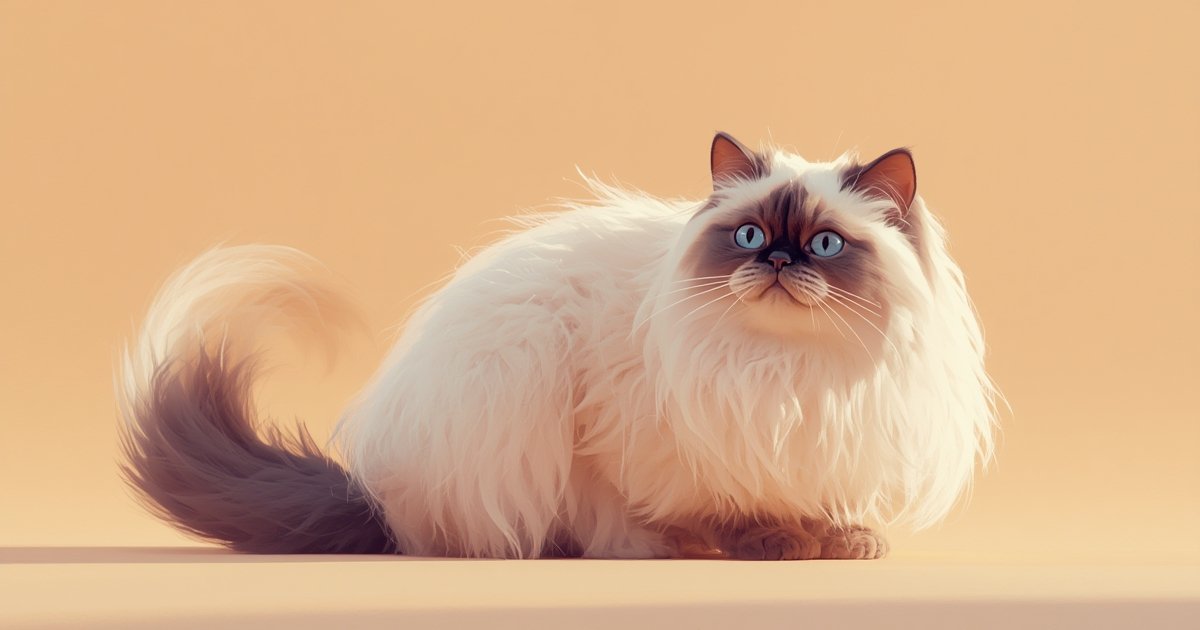
The regal Persian cat, renowned for its luxurious long coat and distinctive flat face, holds a special place in the hearts of many pet owners. However, beneath their calm and affectionate demeanor lies a unique physiology that predisposes them to specific health challenges. Understanding these breed-specific traits is fundamental to ensuring optimal Persian health. It allows owners to be proactive in preventing and managing potential issues before they escalate.
These majestic felines require dedicated care, often more intensive than other breeds, due to their unique anatomical features. Their brachycephalic (flat-faced) structure, dense fur, and specific genetic predispositions mean that standard cat care routines might not always be sufficient. By delving into these unique aspects, we can better equip ourselves to provide the best possible life for our cherished Persians.
Brachycephalic Syndrome: Breathing and Beyond
The defining flat face of a Persian cat, while adorable, is a result of selective breeding that has shortened their skull. This brachycephalic structure can lead to a condition known as Brachycephalic Airway Obstruction Syndrome (BAOS). BAOS encompasses several anatomical abnormalities that restrict airflow, making breathing difficult.
Symptoms often include noisy breathing, snoring, exercise intolerance, and even heat sensitivity. In severe cases, it can lead to respiratory distress and impact overall Persian health significantly. Regular veterinary check-ups are crucial to monitor their breathing and assess the severity of any obstruction.
Common Brachycephalic Issues
– Stenotic Nares: Narrow nostrils that restrict the amount of air that can pass through.
– Elongated Soft Palate: The soft tissue at the back of the roof of the mouth is too long, partially blocking the airway.
– Hypoplastic Trachea: An abnormally narrow windpipe, which can exacerbate breathing difficulties.
– Everted Laryngeal Saccules: Small sacs within the larynx that turn outwards and obstruct the airway.
Luxurious Coat, Complex Care: Skin and Grooming Challenges
The Persian’s magnificent double coat is undeniably beautiful but demands rigorous grooming. This dense, long fur is prone to matting and tangling, which can lead to various skin problems if not properly managed. Mats can pull on the skin, causing pain, irritation, and even infections.
Beyond matting, the skin underneath a thick coat can become a breeding ground for parasites or develop fungal infections if moisture is trapped. Regular grooming is not just about aesthetics; it’s a critical component of preventative Persian health. Daily brushing is often recommended to prevent serious coat issues and ensure skin integrity.
Epiphora and Eye Health
Persian cats are known for their large, expressive eyes, but their flat facial structure often leads to chronic tearing, a condition called epiphora. The tear ducts can become blocked or malformed, causing tears to overflow onto the face. This constant moisture can stain the fur and irritate the skin around the eyes, potentially leading to dermatitis or secondary infections.
Regular cleaning of the tear stains is essential, using veterinarian-approved wipes or solutions. Neglecting this can lead to discomfort for the cat and more severe skin issues. Monitoring for any signs of conjunctivitis, corneal ulcers, or other eye infections is also a key part of maintaining their eye health.
Dental Challenges in Persian Cats
The compact jaw structure of Persian cats can result in overcrowded teeth, which increases the risk of dental disease. Food particles and bacteria are more likely to get trapped, leading to plaque, tartar buildup, gingivitis, and ultimately, periodontal disease. Dental problems can be incredibly painful and, if left untreated, can lead to more serious systemic health issues.
Routine dental care, including professional cleanings and at-home brushing, is paramount. Many owners overlook this aspect, but it is a critical pillar of comprehensive Persian health. Early intervention can prevent tooth loss and alleviate discomfort.
Genetic Predispositions and Hereditary Diseases Affecting Persian Health
Beyond their physical traits, Persian cats are susceptible to several hereditary diseases that can significantly impact their longevity and quality of life. Responsible breeding practices aim to reduce the incidence of these conditions, but awareness among owners is crucial for early detection and management. Understanding these genetic risks is vital for ensuring the best possible Persian health outcomes.
Polycystic Kidney Disease (PKD)
Polycystic Kidney Disease (PKD) is perhaps the most well-known hereditary condition affecting Persian cats, often considered the most significant threat to their long-term health. It is an inherited disorder characterized by the development of multiple fluid-filled cysts in the kidneys. These cysts gradually enlarge, eventually compromising kidney function and leading to kidney failure.
PKD is an autosomal dominant trait, meaning only one copy of the defective gene is needed for a cat to develop the disease. Early detection through genetic testing or ultrasound screening is crucial. Cats with PKD may show no symptoms for years, making regular check-ups vital for monitoring kidney health. Management typically involves dietary changes, fluid therapy, and medication to support kidney function once symptoms appear.
Hypertrophic Cardiomyopathy (HCM)
Hypertrophic Cardiomyopathy (HCM) is the most common heart disease in cats, and Persian cats are among the breeds with a higher predisposition. HCM causes the muscular walls of the heart to thicken, particularly the left ventricle. This thickening makes the heart less efficient at pumping blood, leading to potential complications like congestive heart failure, blood clots, and sudden death.
Symptoms can be subtle and might include lethargy, difficulty breathing, or a heart murmur detected during a routine exam. Echocardiography (an ultrasound of the heart) is the definitive diagnostic tool. While there is no cure, medications can help manage symptoms and slow the progression of the disease. Regular cardiac screening is recommended for breeding cats and early detection in pets.
Progressive Retinal Atrophy (PRA)
Progressive Retinal Atrophy (PRA) is another inherited eye disorder that can affect Persian cats. It involves the degeneration of the photoreceptor cells in the retina, leading to progressive vision loss and eventual blindness. Initially, affected cats may experience night blindness, which gradually worsens over time.
A genetic test is available to identify carriers and affected cats, which is invaluable for responsible breeding. While there is no treatment to reverse PRA, affected cats can often adapt well to their diminishing vision, especially if their environment remains consistent. Owners should be aware of changes in their cat’s vision and provide a safe, predictable home environment.
Hip Dysplasia
While more commonly associated with larger dog breeds, hip dysplasia can also occur in Persian cats, though less frequently than other conditions. This developmental condition results from an abnormal formation of the hip joint, leading to looseness and subsequent degeneration of cartilage and bone. It can cause pain, lameness, and reduced mobility.
Symptoms may include reluctance to jump, difficulty climbing, or a noticeable limp. Diagnosis is made through physical examination and X-rays. Treatment can range from pain management and weight control to surgical intervention in severe cases. Maintaining a healthy weight is particularly important to reduce stress on the joints and support overall Persian health.
Common Health Issues Beyond Genetics
While genetic predispositions form a significant part of Persian cat health concerns, these felines are also susceptible to a range of common ailments that can affect any cat breed, albeit sometimes with greater impact due to their unique anatomy or lifestyle. Addressing these issues proactively is just as important as managing genetic conditions.
Hairballs and Digestive Problems
Persian cats, with their long, dense coats, are particularly prone to hairballs. As they groom themselves, they ingest loose fur, which can accumulate in the digestive tract. While occasional hairballs are normal, excessive or frequent hairballs can lead to blockages, vomiting, appetite loss, and severe discomfort. In some cases, surgical removal might be necessary.
To mitigate this, regular grooming, specialized diets designed to reduce hairball formation, and hairball remedies (such as pastes or supplements) are highly recommended. Monitoring their litter box habits and appetite is essential for detecting early signs of digestive distress, a critical part of maintaining good Persian health.
Obesity and Related Metabolic Issues
Given their typically less active lifestyle and often pampered indoor existence, Persian cats can be prone to obesity. Excess weight places undue strain on their joints, exacerbates breathing difficulties in brachycephalic cats, and increases the risk of serious metabolic diseases such as diabetes mellitus. It can also worsen heart conditions like HCM.
A balanced diet, appropriate portion control, and encouraging playtime are vital for weight management. Regular weigh-ins and consultation with a veterinarian to establish a healthy weight goal are crucial. Preventing obesity is far easier than managing its consequences for Persian health.
Urinary Tract Infections (UTIs) and Crystals
Like all cats, Persians can suffer from urinary tract infections (UTIs) or develop urinary crystals and stones. Factors such as diet, hydration levels, and stress can contribute to these issues. Symptoms often include frequent attempts to urinate, straining, crying in the litter box, or urinating outside the litter box.
Ensuring adequate water intake is paramount. Providing fresh, clean water in multiple locations, using water fountains, and incorporating wet food into their diet can help. Any change in urination habits warrants immediate veterinary attention to prevent blockages, which can be life-threatening, especially for male cats.
Stress and Behavioral Changes Affecting Health
Persian cats are generally calm and adaptable, but they can still experience stress due to changes in their environment, routine, or social structure. Stress can manifest in various ways, including changes in appetite, excessive grooming (leading to skin lesions), litter box issues, or withdrawal. Chronic stress can also suppress the immune system, making them more susceptible to illness.
Creating a stable, enriched environment with plenty of hiding spots, vertical spaces, and interactive toys can help reduce stress. Pheromone diffusers can also be beneficial. Observing their behavior for subtle changes and addressing potential stressors is an important, often overlooked, aspect of comprehensive Persian health.
Proactive Preventative Care Strategies for Optimal Persian Health
Preventative care is the cornerstone of a long, healthy life for any pet, but it holds even greater significance for Persian cats due to their specific vulnerabilities. Adopting a proactive approach can mitigate risks, detect issues early, and significantly enhance their overall well-being. Focusing on preventative strategies is the best investment in your Persian health journey.
Regular Veterinary Check-ups and Screenings
Consistent veterinary care is non-negotiable. Persian cats should have at least annual check-ups, and more frequent visits may be necessary for seniors or those with pre-existing conditions. These visits allow veterinarians to perform thorough physical examinations, assess dental health, and discuss any concerns.
Early detection of conditions like PKD, HCM, and dental disease is often possible through routine screenings. Your vet can recommend specific tests, such as blood work, urinalysis, genetic testing, or imaging, based on your cat’s age, history, and breed-specific risks.
Tailored Nutrition for Persian Cats
A high-quality, balanced diet specifically formulated for long-haired or brachycephalic breeds can make a significant difference. Such diets often contain ingredients that support skin and coat health, promote digestive transit to reduce hairballs, and are designed in kibble shapes that are easier for flat-faced cats to pick up and chew.
Discuss your cat’s dietary needs with your veterinarian, considering their age, activity level, and any specific health conditions. Hydration is also crucial; incorporating wet food can help increase water intake, supporting kidney and urinary tract health.
Diligent Grooming Routines
Daily grooming is not optional for a Persian cat; it’s a necessity.
– Brushing: Use a metal comb and slicker brush daily to prevent mats, remove loose fur, and stimulate circulation. Pay special attention to areas behind the ears, under the legs, and on the belly.
– Eye Cleaning: Gently wipe the tear stains around their eyes daily with a damp cloth or vet-approved eye cleaner to prevent irritation and infection.
– Nail Trimming: Trim nails every 2-4 weeks to prevent overgrowth and discomfort.
– Baths: Regular bathing, typically every 4-6 weeks, with a suitable cat shampoo can help maintain coat health and hygiene.
Environmental Enrichment and Exercise
While Persians are not typically high-energy cats, mental and moderate physical stimulation are important. Provide engaging toys, scratching posts, and safe climbing opportunities. Interactive play sessions can help maintain a healthy weight and reduce stress.
A stimulating environment contributes to mental well-being, which indirectly supports physical Persian health. Consider puzzle feeders to make meal times more engaging and encourage natural foraging behaviors.
Maintaining Optimal Hydration
Adequate hydration is critical for preventing urinary issues and supporting overall organ function.
– Water Bowls: Place multiple fresh water bowls around the house.
– Water Fountains: Many cats prefer flowing water, so a pet water fountain can encourage drinking.
– Wet Food: Incorporating wet food into their diet significantly boosts their water intake.
Monitoring Tools and Advanced Diagnostics for Persian Cats in 2026
As technology advances, so do the tools available for monitoring and diagnosing pet health. For Persian cats, these innovations offer unprecedented opportunities for proactive care, early detection, and personalized management of their unique health concerns. Leveraging these technologies can provide invaluable insights into their Persian health status.
Advanced Diagnostic Imaging
Beyond standard X-rays, advanced imaging techniques provide detailed views of internal organs, crucial for diagnosing complex conditions.
– **Ultrasound:** Essential for early detection of PKD, assessing heart conditions (echocardiography for HCM), and evaluating abdominal organ health. It’s non-invasive and provides real-time images.
– **MRI and CT Scans:** Used for detailed evaluation of neurological issues, complex brachycephalic airway problems, and musculoskeletal conditions like hip dysplasia, offering precise diagnostic information.
Genetic Screening and Testing
Genetic testing has become a powerful tool for identifying hereditary diseases.
– **DNA Tests:** Available for conditions like PKD, PRA, and specific markers for HCM. These tests can identify affected cats or carriers, allowing breeders to make informed decisions and owners to prepare for potential future health challenges.
– **Early Detection:** Genetic screening before breeding can significantly reduce the prevalence of these inherited diseases, improving the health of future generations of Persian cats.
Comparison of Smart Health Monitoring Devices for Persian Cats
In 2026, a range of smart devices helps owners monitor their Persian cat’s health from home. These tools provide valuable data, allowing for early intervention and better communication with veterinarians.
| Product | Price | Pros | Cons | Best For |
|---|---|---|---|---|
| Wagz Pet Monitor Collar | $199 | Tracks activity, sleep, location; alerts for unusual behavior patterns. Offers real-time insights into activity levels and potential stress indicators. | Requires subscription for full features; battery life can vary with usage. May be bulky for smaller cats. | Owners wanting comprehensive activity and location tracking, plus behavioral insights. |
| Litter-Robot Health Monitor | $50 (add-on) | Integrates with smart litter boxes to track weight, litter box usage frequency, and waste volume. Data helps detect early signs of UTIs or digestive issues. | Requires owning a compatible Litter-Robot; limited to litter box data only. Does not track activity directly. | Monitoring urinary and bowel health, early detection of changes in elimination habits. |
| Petcube Care Camera | $179 | HD camera with 2-way audio, laser pointer for play, and AI-powered vet chat. Monitors activity and allows remote interaction and observation. | Requires subscription for advanced features like cloud recording and vet chat; primarily observational. | Owners who want to monitor their cat remotely, interact, and access quick vet advice. |
| Tractive GPS Tracker for Cats | $49 (device) + sub | Real-time GPS tracking, activity monitoring (sleep, active minutes). Helps track outdoor cats or adventurous indoor cats, ensuring their safety and activity levels are met. | Primarily focused on location and basic activity; requires monthly subscription. | Outdoor cats or those prone to wandering; owners concerned about activity levels and location. |
Telemedicine and AI-Powered Consultations
The rise of telemedicine and AI platforms offers convenient access to veterinary advice.
– **Virtual Consultations:** For non-emergency issues, owners can connect with veterinarians remotely, reducing stress for both cat and owner.
– **AI Symptom Checkers:** While not a replacement for a vet, these tools can help owners understand potential symptoms and decide when a vet visit is necessary. They can also provide initial guidance on common Persian health concerns.
The landscape of Persian health care is continually evolving. By embracing these advanced tools and maintaining a proactive approach, owners can empower themselves to provide the highest standard of care for their beloved feline companions. The future of veterinary medicine promises even more sophisticated ways to keep our Persians happy and healthy.
The commitment to understanding and addressing the unique needs of Persian cats is a testament to the strong bond we share with them. From their distinct physical traits to their genetic predispositions, every aspect requires thoughtful consideration and consistent care. Proactive measures, including regular veterinary check-ups, tailored nutrition, diligent grooming, and a stimulating environment, form the bedrock of excellent Persian health. Leveraging modern diagnostic tools and smart monitoring devices can further enhance our ability to detect issues early and provide timely intervention. As responsible pet parents, our continuous learning and dedication to their well-being will ensure our beautiful Persian companions thrive for years to come.
For more insights and personalized advice on Persian health, contact Dax AI today.
Frequently Asked Questions (FAQ)
What is the average lifespan of a Persian cat?
The average lifespan of a Persian cat is typically 12 to 17 years. With excellent care, including proper nutrition, regular veterinary check-ups, and proactive management of breed-specific health concerns like PKD and HCM, many Persians can live into their late teens.
How often should I groom my Persian cat?
Persian cats require daily grooming to prevent mats and tangles in their long, dense coats. This includes thorough brushing with a metal comb and slicker brush. Additionally, their eyes should be cleaned daily to manage tear stains, and they may need regular professional grooming or occasional bathing.
Are Persian cats prone to breathing problems?
Yes, due to their brachycephalic (flat-faced) skull structure, Persian cats are prone to breathing problems, collectively known as Brachycephalic Airway Obstruction Syndrome (BAOS). This can include narrow nostrils, an elongated soft palate, and other airway abnormalities that restrict airflow, leading to noisy breathing, snoring, and heat sensitivity.
What is Polycystic Kidney Disease (PKD) and how is it detected?
Polycystic Kidney Disease (PKD) is a hereditary condition in Persian cats characterized by the formation of fluid-filled cysts in the kidneys, which eventually impair kidney function. It is primarily detected through genetic testing (DNA test) or ultrasound screening, often before clinical signs become apparent. Regular veterinary check-ups are important for ongoing monitoring.
What kind of diet is best for a Persian cat?
A high-quality, balanced diet is essential. Many commercial cat foods are specifically formulated for long-haired or brachycephalic breeds, featuring kibble shapes that are easier for them to eat and ingredients that support coat health and reduce hairballs. Incorporating wet food can also aid in hydration and overall urinary health. Consult your veterinarian for personalized dietary recommendations.
Leave a Reply