

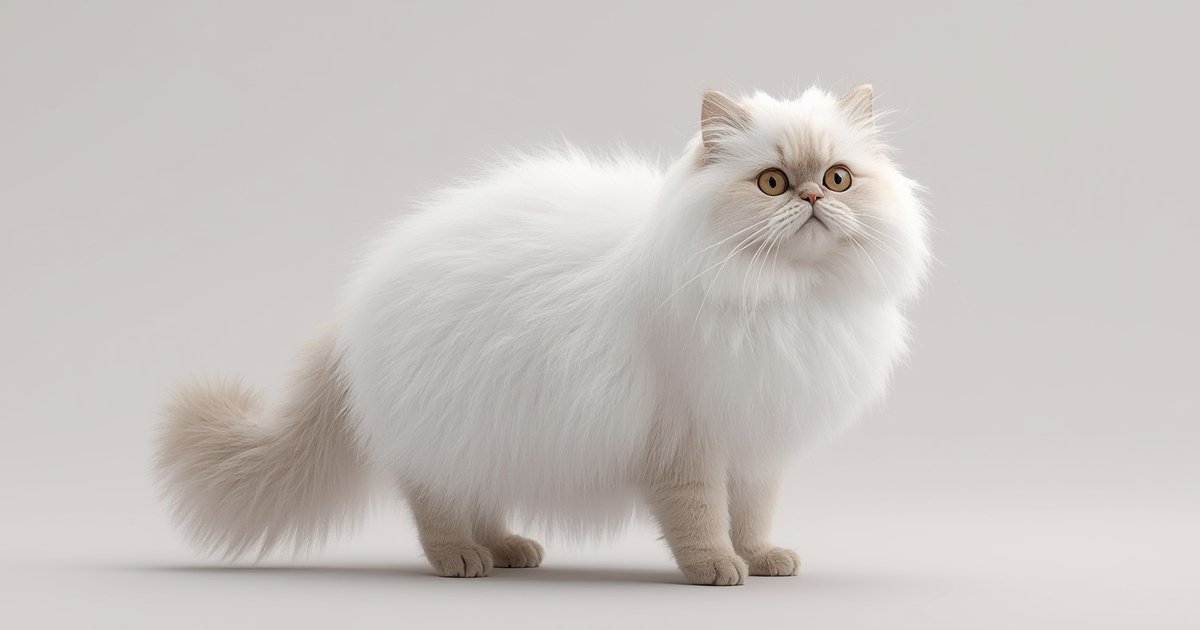
Unlock the secrets to pristine Persian grooming! Learn expert tips, essential tools, and a step-by-step routine for a silky, tangle-free coat in 2026. Your cat deserves the best.
Understanding the Persian Coat: The Foundation of Grooming
Before diving into specific techniques, it’s vital to understand the unique characteristics of your Persian’s coat. This breed boasts a long, flowing double coat, consisting of a soft, dense undercoat and a longer, coarser guard coat. This combination, while beautiful, is highly susceptible to matting, especially in areas like the armpits, behind the ears, and on the belly.
The primary goal of any Persian grooming routine is to prevent mats and tangles from forming. Mats are not just unsightly; they can be painful for your cat, pulling on their skin and even leading to skin infections if left untreated. Regular grooming also helps distribute natural skin oils, promoting a healthy sheen and reducing shedding around your home.
Why Regular Grooming is Non-Negotiable
Many first-time Persian owners underestimate the commitment required for their cat’s coat. Daily attention is often necessary, even if it’s just a quick brush-through. Skipping days can quickly lead to problems that are much harder to resolve later.
Beyond aesthetics, proper grooming is a cornerstone of your cat’s overall well-being. It provides an opportunity for you to bond with your pet, check for any skin issues, parasites, or lumps, and ensure they are comfortable and happy. Think of it as preventative healthcare for their skin and fur.
Essential Tools for Professional Persian Grooming
Having the right arsenal of tools is paramount for effective Persian grooming. Investing in quality equipment will not only make the process easier for you but also more comfortable for your feline friend. Cheap or inappropriate tools can pull fur, irritate skin, and turn grooming into a dreaded chore.
Here’s a breakdown of the must-have items for your grooming kit:
- Slicker Brush: Ideal for detangling the outer coat and removing loose hair. Choose one with fine, bent wires.
- Metal Comb: Essential for working through mats and checking for tangles after brushing. A comb with both wide and fine teeth is versatile.
- De-matting Comb/Rake: For stubborn mats, this tool can carefully cut through the tangle without damaging too much surrounding fur. Use with extreme caution.
- Nail Clippers: Specific cat nail clippers (scissor or guillotine style) are crucial for regular claw maintenance.
- Pet-Specific Shampoo and Conditioner: Hypoallergenic and tearless formulas designed for long-haired cats.
- Blunt-Nosed Scissors: For carefully trimming around eyes, paws, or sanitary areas.
- Eye Wipes/Solution: To keep the delicate eye area clean and stain-free.
- Hair Dryer (Pet-Friendly): A quiet, low-heat dryer is helpful after baths.
Comparison of Top Grooming Tools for Persians
Choosing between the myriad of grooming tools available can be overwhelming. Here’s a comparison of some popular options that cater specifically to the needs of Persian grooming, helping you make informed decisions for your cat’s luxurious coat.
| Product | Price | Pros | Cons | Best For |
|---|---|---|---|---|
| Chris Christensen Big G Slicker Brush | $55-$65 | Superior detangling, reaches undercoat, reduces shedding. Durable construction. | High price point, may be too large for small kittens. | Professional-grade daily brushing and mat prevention. |
| Andis Steel Pet Comb (7.5-inch) | $10-$15 | Versatile dual-tooth design (fine and coarse), excellent for detail work and checking for tangles. | Can be sharp if not used carefully, requires a gentle hand. | Finishing touches, detangling smaller knots, and checking coat thoroughly. |
| Safari De-matting Comb | $15-$20 | Effectively breaks up stubborn mats with minimal stress to the cat. Ergonomic handle. | Blades are very sharp, must be used with extreme care to avoid skin injury. | Carefully addressing existing mats and preventing severe tangles. |
| Master Grooming Tools Professional Nail Clippers | $12-$18 | Sharp blades ensure a clean cut, safety guard prevents over-cutting. Ergonomic design. | Requires practice for new users, some cats dislike the sensation. | Regular, safe nail trimming for all cat sizes. |
The Step-by-Step Daily Grooming Routine for Persian Grooming
Consistency is key when it comes to maintaining a Persian cat’s coat. A daily routine, even a short one, will save you a lot of time and trouble in the long run. Aim for at least 15-20 minutes of dedicated grooming each day.
Here’s how to establish an effective daily Persian grooming regimen:
1. Start with Gentle Brushing
Begin by gently brushing your cat’s entire body with a slicker brush. Always brush in the direction of hair growth. Pay special attention to areas prone to matting: under the legs, around the ruff, behind the ears, and the “pantaloons” on their back legs. The goal here is to remove loose hair and begin to untangle any minor knots.
Technique for Undercoat
When brushing, try to part the fur and brush from the skin outwards. This ensures you’re reaching the dense undercoat, which is where most mats originate. Use short, soft strokes to avoid irritating their skin. Your Persian will appreciate a gentle touch.
2. Follow with a Metal Comb
After using the slicker brush, go over the same areas with a metal comb. Start with the wide-toothed side, then switch to the fine-toothed side. The comb acts as a “mat detector.” If the comb snags, you’ve found a tangle that the brush missed. Work through these tangles very carefully, using your fingers to gently pull apart the mat before combing through it.
Addressing Small Knots
For small knots, hold the hair close to the skin to minimize pulling, and gently tease the knot apart with the comb or your fingers. Never pull directly on a knot, as this will cause pain and make your cat averse to future grooming sessions.
3. Check Sensitive Areas
The face, particularly around the eyes, requires daily attention. Persians are known for their tear staining. Use a damp cloth or a pet-specific eye wipe to gently clean away any discharge. Regular cleaning can prevent unsightly stains and potential irritation.
Also, check their ears for any dirt or wax buildup. A quick wipe with a soft cloth can keep them clean. Do not insert anything into the ear canal.
Beyond the Brush: Bathing, Nails, and Eyes
While daily brushing forms the core of Persian grooming, other tasks are equally important, albeit less frequent. These are crucial for overall hygiene and health.
The Art of Bathing Your Persian
Bathing a Persian cat is a serious undertaking but essential for maintaining their coat’s cleanliness and health. Aim for a bath every 4-6 weeks, or more frequently if your cat gets particularly dirty. Start young to get your cat accustomed to the process.
- Preparation: Brush thoroughly before the bath to remove as many tangles as possible. Gather all your supplies: two towels, cat shampoo and conditioner, a non-slip mat for the tub, and a small cup or sprayer.
- Wetting the Coat: Use lukewarm water and slowly wet your cat, starting from the neck down, avoiding the face.
- Shampooing: Lather a small amount of cat-specific shampoo, working it gently into the coat. Do not rub vigorously, which can create tangles. Rinse thoroughly, ensuring no residue is left behind.
- Conditioning: Apply a cat conditioner, let it sit for a few minutes as per instructions, then rinse again thoroughly. This helps keep the fur soft and manageable.
- Drying: Wrap your cat in a towel and gently blot the excess water. Never rub. Use a low-heat pet dryer or let them air dry in a warm, draft-free room, continuing to brush as they dry to prevent tangles.
Nail Trimming: A Crucial Detail
Regular nail trims (every 2-4 weeks) prevent nails from becoming overgrown, which can be painful and lead to snags. Use sharp, clean cat nail clippers. Only snip the very tip of the nail, avoiding the quick (the pink part containing blood vessels and nerves). If you’re unsure, ask your vet or a professional groomer for a demonstration.
Eye and Ear Care: Preventing Stains and Infections
Persians are prone to tear staining due to their brachycephalic (flat) faces. Daily cleaning with a specialized eye solution or warm, damp cloth is crucial. For ears, check weekly for redness, odor, or excessive wax. Gently wipe the outer ear with a vet-approved cleaner on a cotton ball. Never use cotton swabs inside the ear canal.
Addressing Common Persian Grooming Challenges
Even with the best intentions, Persian grooming can present its fair share of hurdles. Being prepared for these challenges can make the process less stressful for both you and your beloved feline.
Dealing with Stubborn Mats
Mats are perhaps the most common and frustrating challenge. If you encounter a mat that won’t comb out, resist the urge to pull or cut it with regular scissors, which can easily cut skin. Instead:
- Use a de-matting comb or razor carefully: Always hold the mat at the base, close to the skin, to prevent pulling. Gently work the de-matting tool from the outer edge of the mat, separating small sections.
- Apply a detangling spray: A good quality detangling spray can make stubborn knots easier to loosen.
- Professional help: For severe or large mats, especially those close to the skin, it’s always best to consult a professional groomer or veterinarian. They have specialized tools and expertise to remove mats safely, often requiring sedation for extensive cases.
Managing Excessive Shedding
Persians do shed, especially seasonally. While daily brushing is the primary defense, consider a deshedding tool like a “furminator” type brush for occasional use. However, use these sparingly and gently, as overuse can irritate the skin. Ensure your cat has a high-quality diet rich in omega fatty acids, which promotes healthy skin and coat, potentially reducing excessive shedding.
Overcoming Resistance to Grooming
Some cats naturally dislike grooming. Patience and positive reinforcement are key. Start grooming sessions when your cat is relaxed. Keep sessions short initially, gradually increasing the duration. Reward good behavior with treats, praise, and play. If your cat becomes agitated, stop and try again later. For extremely resistant cats, professional groomers can sometimes help acclimate them, or your vet might recommend calming aids.
Preventing Skin Issues
Because of their dense coat, Persians can be prone to skin issues if their fur isn’t properly aerated or if moisture gets trapped. Ensure thorough drying after baths. Be vigilant for any signs of redness, flakes, bumps, or excessive scratching. These could indicate allergies, fungal infections, or parasites, and warrant a vet visit. Regular grooming helps you spot these issues early.
Mastering Persian grooming is a commitment, but one that is incredibly rewarding. By understanding their unique coat, equipping yourself with the right tools, and diligently following a consistent routine, you can ensure your beloved Persian cat maintains their magnificent, silky coat and enjoys a comfortable, healthy life. Remember, regular grooming is not just about aesthetics; it’s a vital part of their overall care and an excellent opportunity to strengthen your bond. Embrace the process, be patient, and celebrate the beauty of your well-groomed companion.
Want to delve deeper into specific grooming techniques or have questions about advanced coat care? Explore our other articles on feline health and well-being. For personalized advice or to schedule a professional grooming consultation, don’t hesitate to reach out to a certified feline groomer or your veterinarian.
Frequently Asked Questions About Persian Grooming
How often should I groom my Persian cat?
Persian cats require daily grooming to prevent mats and tangles from forming in their long, dense coats. A quick daily brush-through (15-20 minutes) is essential, supplemented by baths every 4-6 weeks, and regular nail trims.
What’s the best brush for a Persian cat?
A high-quality slicker brush is best for daily detangling and removing loose hair, reaching the undercoat. A metal comb with both wide and fine teeth is crucial for finishing and detecting smaller knots.
My Persian hates being groomed. What can I do?
Start grooming sessions when your cat is relaxed and keep them short. Use positive reinforcement with treats and praise. Gradually increase duration. For very resistant cats, consider professional help or consult your vet for advice on calming techniques or aids.
How do I prevent tear stains on my Persian?
Daily cleaning around the eyes with a warm, damp cloth or a pet-specific eye wipe/solution is crucial. Consistent cleaning helps prevent the accumulation of discharge that causes staining. Consult your vet if staining is severe or accompanied by irritation.
Can I shave my Persian cat’s coat?
While some owners opt for a “lion cut” in warmer months or for severe matting, it’s generally not recommended for regular practice. Shaving can alter coat texture, affect temperature regulation, and lead to uneven regrowth. It should only be done by a professional groomer and for specific reasons, like extensive matting that cannot be combed out.
Leave a Reply