

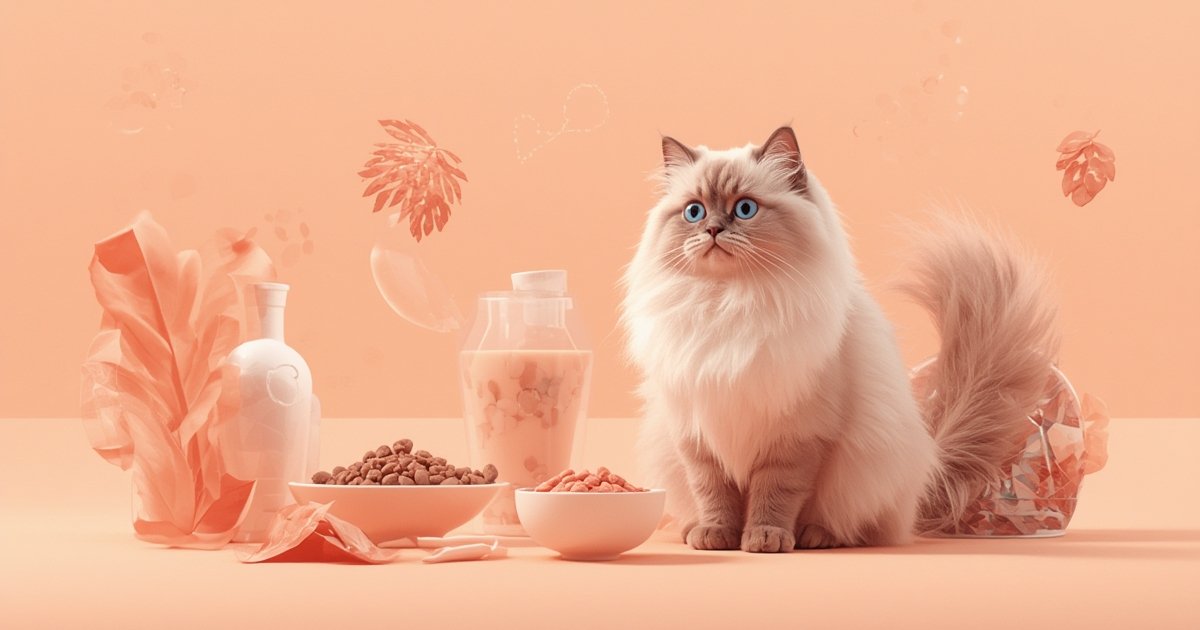
Meta Description: Unlock secrets to a long, happy life for your Persian cat! Discover 2026 nutrition tips, essential dietary needs, and expert advice for optimal Persian health.
Every Persian cat owner dreams of seeing their beloved feline companion thrive with a long, happy, and healthy life. The cornerstone of achieving this dream lies in understanding and implementing superior Persian Nutrition. As we look towards 2026, advancements in feline dietary science continue to refine our approach, emphasizing tailored diets that meet the unique needs of these magnificent creatures. Proper Persian nutrition isn’t just about filling a bowl; it’s about providing the right balance of nutrients to support their luxurious coat, delicate digestive system, and overall well-being. This article will guide you through the latest insights and practical strategies to ensure your Persian receives the very best, helping them live their fullest, most comfortable lives.
Understanding the Unique Nutritional Landscape of Persian Cats
Persian cats are renowned for their stunning appearance, characterized by a long, flowing coat, a distinctive brachycephalic (flat) face, and a generally docile temperament. These very traits, however, give rise to specific dietary considerations that differ from other cat breeds. Their physiology requires a meticulous approach to Persian nutrition to prevent common health issues.
Distinctive Physiological Needs
The flat facial structure of a Persian cat impacts how they eat. Their short jaws and small mouths can make it challenging to pick up and chew certain kibble shapes and sizes. This often leads to messy eating and potentially ingesting air, which can contribute to digestive upset. Therefore, kibble design plays a surprisingly significant role in their dietary comfort and efficiency.
Beyond their unique facial structure, Persians can be prone to certain genetic conditions, such as Polycystic Kidney Disease (PKD) and Hypertrophic Cardiomyopathy (HCM), which can influence dietary choices. While diet cannot cure these conditions, appropriate nutrition can support overall health and potentially mitigate symptoms or progression. Focusing on high-quality ingredients and specific nutrient profiles is paramount for proactive care.
The Impact of Their Iconic Features
A Persian’s luxurious, long coat isn’t just beautiful; it’s a major nutritional demand. Maintaining this dense fur requires a steady supply of high-quality proteins, essential fatty acids, and specific vitamins and minerals. Without proper Persian nutrition, their coat can become dull, brittle, or prone to excessive shedding and matting. Owners often observe a direct link between the quality of their cat’s diet and the luster and health of their fur.
Furthermore, Persians are often less active than some other breeds, which can predispose them to weight gain if their caloric intake isn’t carefully managed. Obesity can exacerbate existing health issues and lead to new ones, such as diabetes and joint problems. A balanced diet tailored to their activity level is crucial for maintaining a healthy weight.
The Pillars of Premium Persian Nutrition: Essential Nutrients
Optimal Persian nutrition hinges on providing a diet rich in essential nutrients, carefully balanced to meet their specific physiological demands. Understanding these core components allows owners to make informed choices that directly impact their cat’s health and longevity.
High-Quality Protein: The Foundation
Cats are obligate carnivores, meaning their bodies are designed to derive nutrients primarily from animal sources. High-quality animal protein is the most critical component of their diet. It provides essential amino acids, the building blocks for muscles, organs, skin, and that magnificent coat. Look for named meat sources like chicken, turkey, salmon, or beef as the first ingredients.
– Animal-based proteins are superior to plant-based proteins for cats because they contain the full spectrum of essential amino acids that felines cannot synthesize on their own.
– Adequate protein intake supports muscle maintenance, enzyme production, and a strong immune system, all vital for a healthy Persian.
– Kittens, pregnant cats, and highly active cats (though less common for Persians) require even higher protein levels to support growth and energy demands.
Healthy Fats: Energy and Coat Health
Fats are a concentrated source of energy for cats and play a crucial role in nutrient absorption, hormone production, and maintaining skin and coat health. Essential fatty acids, particularly Omega-3 and Omega-6, are vital. Omega-3s, found in fish oils (like salmon oil), are renowned for their anti-inflammatory properties and benefits to skin, coat, and cognitive function.
– A diet rich in beneficial fats helps maintain the softness and sheen of a Persian’s long coat, reducing dryness and flakiness of the skin.
– Healthy fats contribute to the palatability of cat food, making it more appealing to even the pickiest eaters.
– Aim for a balance of Omega-3 and Omega-6 fatty acids to support overall cellular health and reduce inflammation.
Carbohydrates, Vitamins, and Minerals: The Supporting Cast
While proteins and fats are primary, carbohydrates, vitamins, and minerals complete the nutritional profile. Cats have a limited need for carbohydrates, but moderate amounts from digestible sources can provide energy and fiber. Complex carbohydrates like sweet potatoes or peas are preferable to simple sugars.
– Vitamins and minerals act as co-factors for countless bodily processes, from bone health and vision to immune function and metabolism.
– Key vitamins include A, D, E, and B-complex vitamins, while essential minerals include calcium, phosphorus, potassium, and zinc.
– These micronutrients ensure that every system in the Persian’s body functions optimally, from nerve impulses to blood clotting.
Fiber: Digestive Harmony
Fiber, though not directly digestible by cats, is crucial for digestive health. It aids in moving food through the digestive tract, preventing constipation, and supporting a healthy gut microbiome. For Persians, fiber is particularly important in managing hairballs, a common issue due to their extensive grooming.
– Soluble and insoluble fibers work together to maintain regularity and stool quality.
– Ingredients like beet pulp, psyllium husk, and certain vegetables can provide beneficial fiber.
– Adequate fiber helps carry ingested hair through the digestive system, reducing the formation and expulsion of hairballs.
Decoding Cat Food Labels for Optimal Persian Nutrition
Navigating the myriad of cat food options can be overwhelming. Understanding how to read and interpret cat food labels is key to making informed decisions for your Persian’s health. Not all foods are created equal, and some are far better suited for the specific requirements of Persian nutrition.
What to Look For: Ingredient Quality
The first five ingredients on a cat food label provide the most insight into its quality. Prioritize foods where named meat sources (e.g., “chicken meal,” “deboned salmon”) appear at the top. Meat meals, while sounding less appealing, are often more concentrated sources of protein than whole meats because the water content has been removed.
– Avoid foods where the first ingredients are generic “meat by-products,” “animal digest,” or primarily plant-based proteins like corn gluten meal.
– Look for ingredients that contribute beneficial fatty acids, such as salmon oil, flaxseed, or chicken fat.
– Ensure the food contains a balanced blend of vitamins and chelated minerals, which are more easily absorbed by the body.
What to Avoid: Fillers and By-Products
Many commercial cat foods contain fillers like corn, wheat, and soy. While not inherently toxic, these offer little nutritional value to an obligate carnivore and can be common allergens. Artificial colors, flavors, and preservatives should also be avoided, as they offer no health benefits and can sometimes trigger sensitivities.
– Generic “meat by-products” can include any part of an animal, including beaks, feet, and feathers, which have low digestibility and nutritional value.
– Chemical preservatives like BHA, BHT, and ethoxyquin have been linked to health concerns and should be avoided in favor of natural preservatives like mixed tocopherols (Vitamin E).
– High sugar content can lead to dental issues and weight gain, so avoid foods with added sugars or molasses.
Comparative Glance at Top Persian Cat Foods
Choosing the right food for your Persian requires careful consideration of its unique needs. Here’s a comparison of specialized cat foods designed with breeds like the Persian in mind. These brands often tailor kibble shape, nutrient ratios, and ingredient profiles to support their specific health challenges and luxurious features.
| Product | Price Range | Pros | Cons | Best For |
|---|---|---|---|---|
| Royal Feline Persian Adult Dry Cat Food | $40-$60 (5lb) | Almond-shaped kibble designed for brachycephalic jaws, supports long coat health with Omega fatty acids and biotin. | Contains grains and some by-products which may not suit all sensitive cats. | Adult Persians needing coat and jaw support, generally healthy cats. |
| Whiskers & Wonders Gentle Persian Care | $35-$55 (4lb) | Limited ingredient formula with single animal protein source (e.g., duck or salmon), good for sensitive stomachs, free from common allergens. | Slightly higher price point per pound, may require supplementary fiber for hairball control. | Persians with food sensitivities, allergies, or digestive issues. |
| Posh Paws Senior Persian Formula | $45-$65 (5lb) | Formulated for aging Persians with joint support (glucosamine/chondroitin), controlled phosphorus for kidney health, and easy-to-digest proteins. | Specific to senior cats, not suitable for younger life stages, might be less palatable for some picky seniors. | Aging Persians requiring tailored support for mobility, kidney, and digestive health. |
| NutriCoat Blend for Long-Haired Cats | $38-$58 (5lb) | High levels of Omega-3 & 6 fatty acids, biotin, and zinc for exceptional coat luster and skin health, contains natural hairball control. | Moderate protein content compared to some ultra-premium brands. | Persians with dull coats, skin issues, or frequent hairball problems. |
Tailoring Diet to Life Stage and Health Conditions
Persian nutrition is not a static concept; it evolves with your cat’s age and health status. What’s ideal for a playful kitten will differ significantly from what a senior Persian needs. Adapting their diet as they age or face specific health challenges is crucial for their well-being.
Kittens: Growth and Development
Persian kittens grow rapidly and have high energy demands. They require a diet dense in calories, high in protein, and rich in essential fatty acids like DHA for brain and eye development. Look for foods specifically labeled for “kitten” or “all life stages.” The kibble should be small enough for their tiny mouths to manage.
– Kitten formulas typically have a higher fat content to support their rapid growth and provide sustained energy.
– Ensure the food contains appropriate calcium and phosphorus levels for strong bone development.
– Feed multiple small meals throughout the day to meet their metabolic needs and support steady growth without overfeeding.
Adults: Maintenance and Energy
Once your Persian reaches adulthood (around 1 year of age), their nutritional needs stabilize. The focus shifts to maintaining a healthy weight, supporting coat health, and preventing common adult feline ailments. A balanced adult formula with moderate protein and fat is usually appropriate.
– Adult Persian nutrition should prioritize high-quality protein to maintain muscle mass and healthy fats for coat health.
– Caloric intake should be carefully monitored to prevent obesity, especially for less active indoor cats.
– Consider portion control and interactive feeders to keep them engaged and manage their weight effectively.
Seniors: Graceful Aging
As Persians enter their senior years (typically around 7-10 years), their metabolism slows, and they may experience joint stiffness, dental issues, or declining organ function. Senior formulas often feature lower calorie content, increased fiber, joint-supporting ingredients (like glucosamine), and sometimes controlled phosphorus levels for kidney health.
– Easily digestible proteins are important for aging digestive systems.
– Softened kibble or wet food might be necessary if dental problems make chewing difficult.
– Regular veterinary check-ups are vital to assess any specific health needs that might necessitate a therapeutic diet.
Special Considerations: Hairballs, Sensitivities, and Weight Management
Persian cats are notorious for hairballs due to their long coats and diligent grooming habits. Diets rich in fiber, particularly specific types of insoluble fiber, can help ingested hair pass through the digestive system more easily. Many brands offer “hairball control” formulas with added fiber.
– Food sensitivities or allergies can manifest as digestive upset, skin issues, or excessive itching. A limited ingredient diet (LID) or novel protein diet may be recommended by your vet.
– Weight management is a common concern. Low-calorie, high-fiber diets, combined with portion control and encouraging play, are crucial for overweight Persians.
– Always consult your veterinarian before making significant dietary changes, especially if your cat has a pre-existing health condition.
Hydration and Supplements: Completing the Persian Nutrition Puzzle
While a high-quality diet forms the bedrock of Persian nutrition, proper hydration and judicious use of supplements are equally important elements that contribute to overall health and longevity. Overlooking these aspects can undermine even the best food choices.
The Critical Role of Water
Cats, by nature, have a low thirst drive, a remnant from their desert-dwelling ancestors who derived much of their moisture from prey. However, adequate hydration is essential for kidney function, nutrient transport, and overall cellular health. This is particularly important for breeds like Persians who may be prone to kidney issues.
– Encourage water intake by providing multiple fresh water sources, including ceramic or stainless steel bowls, away from their food.
– Cat water fountains can be highly effective as many cats prefer flowing water.
– Incorporating wet food into their diet significantly increases their daily water intake and is often recommended for Persians.
When to Consider Supplements
A well-balanced, high-quality commercial cat food should, in theory, provide all the nutrients your Persian needs. However, in certain circumstances, supplements can offer targeted support. Always consult your veterinarian before introducing any supplements to avoid imbalances or adverse interactions.
– **Omega-3 Fatty Acids:** Fish oil supplements can boost coat health, reduce inflammation, and support joint and cognitive function, especially beneficial for seniors or those with skin issues.
– **Probiotics:** If your Persian experiences digestive upset, stress-related diarrhea, or is on antibiotics, probiotics can help restore a healthy gut microbiome.
– **Hairball Remedies:** While fiber in food helps, some Persians may benefit from specific hairball gels or pastes that aid in lubrication and passage.
– **Joint Supplements:** For older Persians or those with a predisposition to arthritis, glucosamine and chondroitin supplements can help maintain joint health and mobility.
Implementing a Personalized Persian Nutrition Plan
Developing a comprehensive and personalized Persian nutrition plan requires a thoughtful approach, combining expert advice with careful observation of your cat’s individual responses. This ensures their diet evolves with their needs and supports their health at every stage of life.
Consulting Your Veterinarian
Your veterinarian is your best resource for tailored dietary advice. They can assess your Persian’s specific health status, age, activity level, and any underlying conditions to recommend the most appropriate diet. They can also provide guidance on portion sizes and help you navigate the vast array of food options.
– Regular check-ups allow your vet to identify subtle changes in weight, coat condition, or energy levels that might indicate a need for dietary adjustment.
– Discuss any concerns about food allergies, sensitivities, or specific health conditions your Persian may have.
– Your vet can recommend therapeutic diets for conditions like kidney disease, diabetes, or severe allergies, which are precisely formulated to manage these issues.
Transitioning Foods Smoothly
Cats can be sensitive to sudden dietary changes, which can lead to digestive upset. When switching foods, always do so gradually over 7-10 days. Start by mixing a small amount of the new food with their old food, slowly increasing the proportion of the new food each day while decreasing the old.
– Observe your cat for any signs of digestive distress, such as vomiting, diarrhea, or constipation, during the transition.
– If your Persian is particularly finicky, a slower transition over two weeks might be necessary.
– Consistency is key; once you find a food that works well, try to stick with it unless there’s a medical reason to change.
Feeding Schedules and Portion Control
Establishing a consistent feeding schedule can help regulate your Persian’s digestive system and manage their weight. Most adult Persians thrive on two meals a day, but kittens may require more frequent, smaller meals. Portion control is paramount, especially for less active indoor cats.
– Measure food accurately according to the manufacturer’s guidelines and your vet’s recommendations.
– Avoid free-feeding, as it can lead to overeating and obesity.
– Consider using puzzle feeders or interactive toys to slow down eating and provide mental stimulation, especially for Persians who eat too quickly.
Ensuring your Persian cat enjoys a long, vibrant, and happy life is a journey deeply intertwined with their nutrition. By understanding their unique needs, selecting high-quality foods, staying vigilant about their hydration, and working closely with your veterinarian, you can provide the superior Persian nutrition they deserve. The insights into 2026 nutrition secrets emphasize tailored care, proactive health management, and a holistic approach that truly nurtures these magnificent felines. Your commitment to their dietary well-being is the greatest gift you can offer, paving the way for countless purrs and cherished moments.
Frequently Asked Questions (FAQ)
How often should I feed my Persian cat?
Most adult Persian cats benefit from being fed two meals a day. Kittens, however, require more frequent, smaller meals (3-4 times daily) due to their rapid growth and higher metabolic rate. Always follow your veterinarian’s recommendations and the guidelines on your cat food packaging, adjusting for your cat’s activity level and weight.
Can I feed my Persian cat a raw food diet?
While some owners opt for raw food diets, they come with significant risks, including bacterial contamination (e.g., Salmonella, E. coli) for both the cat and household members, and the potential for nutritional deficiencies if not perfectly balanced. If considering a raw diet, it is absolutely essential to consult with a veterinary nutritionist to ensure it is complete and balanced and to understand the risks involved.
What are the signs of a food allergy in Persian cats?
Signs of food allergies in Persian cats can include chronic vomiting or diarrhea, excessive itching, skin inflammation, recurrent ear infections, or hair loss. These symptoms often mimic other conditions, so a veterinary diagnosis is crucial. Your vet may recommend a food elimination trial using a novel protein or hydrolyzed protein diet to identify the allergen.
Is wet food or dry food better for Persian cats?
Both wet and dry foods have their pros and cons. Wet food provides significantly more moisture, which is beneficial for hydration and kidney health, and can be more palatable. Dry food is convenient, can help with dental hygiene, and is often more calorie-dense. A mixed diet, incorporating both, can offer the benefits of each, but always ensure the kibble size and shape are suitable for your Persian’s brachycephalic jaw.
How can I encourage my Persian cat to drink more water?
To increase water intake, provide multiple fresh water bowls in different locations, use ceramic or stainless steel bowls (some cats dislike plastic), and consider a cat water fountain, as many cats prefer flowing water. Incorporating wet food into their diet is also an excellent way to boost their daily hydration.
Leave a Reply