

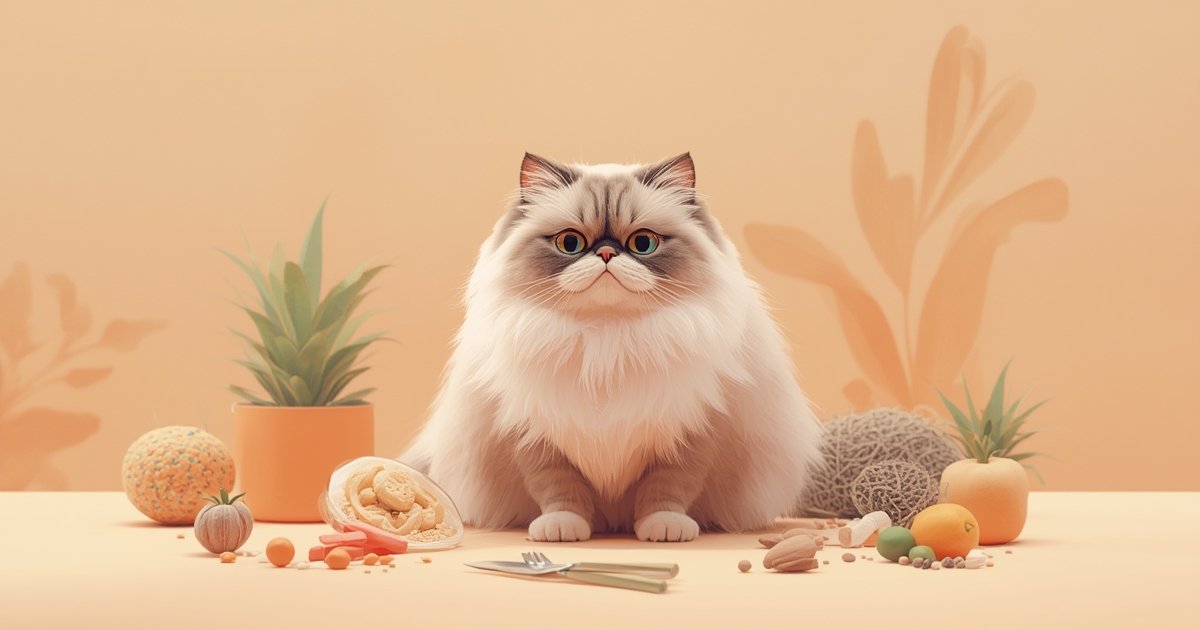
Uncover the secrets to optimal Persian nutrition! Learn practical tips, essential ingredients, and common pitfalls to ensure your Persian cat thrives with a healthy diet.
Understanding the Unique Dietary Needs of Persian Cats
Persian cats are renowned for their majestic coats, distinctive flat faces, and serene personalities. However, these very characteristics that make them so beloved also dictate a unique set of dietary requirements. Understanding these specific needs is the first step towards ensuring optimal Persian nutrition.
Their brachycephalic (flat-faced) skull structure can make eating challenging, often leading to specific food preferences and potential health issues. Moreover, their luxurious long fur demands a diet rich in particular nutrients to maintain its luster and minimize hairball formation.
The Persian Physiology: What Makes Them Different?
Unlike many other breeds, Persians have a unique jaw alignment and a tendency for sensitive digestive systems. These physiological traits mean that the size, shape, and texture of their food are just as important as its nutritional content. Kibble that is too large or too small can be difficult for them to pick up and chew properly.
Their low activity levels compared to more agile breeds also mean they have different caloric needs. Overfeeding can quickly lead to obesity, which exacerbates other health concerns common in the breed. A tailored approach to Persian nutrition is truly paramount.
Common Health Issues Influenced by Diet
Persians are prone to several breed-specific health issues that can be significantly managed or even prevented through a proper diet. These include:
- Hairball formation: Their long coats mean they ingest a lot of fur during grooming.
- Dental problems: Crowded teeth in their small mouths can lead to plaque buildup and gum disease.
- Obesity: A sedentary lifestyle combined with incorrect feeding often results in excess weight.
- Digestive sensitivities: Some Persians have delicate stomachs and require easily digestible food.
- Urinary tract issues: Adequate hydration, often linked to diet, is crucial for kidney and bladder health.
Addressing these concerns through carefully selected Persian nutrition is key to a long, healthy life for your feline companion.
Essential Building Blocks of Optimal Persian Nutrition
Just like any cat, Persians are obligate carnivores, meaning their diet must primarily consist of animal-based protein. However, the quality and balance of these nutrients are critical, especially for a breed with specific needs.
Focusing on whole, high-quality ingredients will provide the best foundation for their health. Every component, from protein to vitamins, plays a vital role in their overall well-being, coat health, and energy levels.
High-Quality Protein: The Foundation
Protein is the cornerstone of any cat’s diet, and for Persians, it’s non-negotiable. Look for animal-based protein sources like chicken, turkey, salmon, or beef as the first ingredient on any food label. These provide the essential amino acids that cats cannot synthesize themselves.
These proteins are crucial for muscle maintenance, tissue repair, and the production of enzymes and hormones. For Persians, ample protein also supports the growth and health of their magnificent coats, contributing to strength and reducing breakage.
Healthy Fats: Shine and Energy
Fats are not just for energy; they are vital for nutrient absorption, cell function, and maintaining skin and coat health. Essential fatty acids, particularly Omega-3 and Omega-6, are incredibly important for Persians.
Sources like fish oil, flaxseed, and chicken fat provide these beneficial fats. Omega-3s, found in fish oil, are particularly renowned for promoting a glossy coat, reducing skin dryness, and even having anti-inflammatory properties, which can benefit their joints and overall health.
Carbohydrates, Vitamins, and Minerals: The Supporting Cast
While protein and fat are primary, carbohydrates provide readily available energy, though in smaller amounts for carnivores. Look for digestible sources like sweet potatoes or peas, avoiding excessive fillers.
Vitamins and minerals are micronutrients that facilitate countless bodily functions, from immune support to bone health. A balanced commercial cat food formulated for Persians should provide all necessary vitamins (A, D, E, B vitamins) and minerals (calcium, phosphorus, zinc).
Water: The Often-Overlooked Essential
Hydration is paramount for all cats, especially Persians. Their predisposition to urinary tract issues makes constant access to fresh, clean water non-negotiable. While wet food contributes significantly to water intake, always provide multiple water bowls or a pet fountain to encourage drinking.
Dehydration can lead to serious health problems, including kidney disease and bladder stones. Regularly cleaning water bowls and ensuring fresh water is always available is a simple yet critical aspect of their daily care and overall Persian nutrition.
Choosing the Right Food: Wet, Dry, or Raw?
The market offers a bewildering array of cat food options, and deciding between wet, dry, or even raw can be challenging. Each type has its own set of advantages and disadvantages, especially when considering the unique needs of Persian cats.
The best approach often involves a combination or careful selection based on your individual cat’s preferences, health status, and your veterinarian’s recommendations. Factors like palatability, ease of eating, and dental health all play a role in this decision.
Wet Food Benefits for Persians
Wet food, with its high moisture content (typically 70-80%), is excellent for ensuring adequate hydration, which is vital for kidney and urinary tract health. Its softer texture is also easier for brachycephalic cats to consume, as they may struggle with crunchy kibble.
Many Persians find wet food more palatable, which can be a huge benefit for picky eaters. Look for wet foods that list meat as the primary ingredient and are free from excessive fillers, artificial colors, and preservatives. The high moisture content also helps dilute urine, potentially reducing the risk of crystal formation.
Dry Kibble Considerations
Dry kibble is convenient, cost-effective, and can help scrape plaque off teeth, promoting dental health. For Persians, specifically designed kibble shapes (often flatter or more elongated) can make it easier for them to pick up and chew.
When choosing dry kibble, prioritize formulas specifically tailored for long-haired or brachycephalic breeds. Ensure it’s a high-quality product with animal protein as the main ingredient. Always supplement dry food with ample fresh water to compensate for its low moisture content.
Raw Feeding: A Niche Approach
A raw food diet (BARF – Biologically Appropriate Raw Food) aims to mimic a cat’s ancestral diet. Proponents claim benefits such as improved coat, better digestion, and increased energy. It typically consists of raw muscle meat, organs, and bones.
However, raw feeding requires meticulous preparation and careful balancing of nutrients to avoid deficiencies or bacterial contamination. It’s not suitable for all cats or owners, and consulting a veterinarian or a certified pet nutritionist is essential before embarking on a raw diet for your Persian.
Comparison of Specialized Persian Cat Foods
Choosing the right specialized food is critical for optimal Persian nutrition. Here’s a comparison of common types formulated with their unique needs in mind:
| Product Type | Average Price (per lb) | Pros | Cons | Best For |
|---|---|---|---|---|
| Specialized Dry Kibble (Brachycephalic) | $3-$5 | Designed for easy pickup, dental health, convenient. | Lower moisture, some brands contain fillers. | Owners seeking convenience and dental support. |
| High-Moisture Canned Food | $4-$7 | Excellent hydration, highly palatable, easier to eat. | Can be expensive, limited dental benefits. | Cats needing extra hydration or with dental issues. |
| Hairball Control Formula (Dry/Wet) | $4-$6 | Enriched with fibers to reduce hairballs. | May not address all dietary needs, some added carbs. | Persians prone to frequent hairball issues. |
| Sensitive Stomach Formula | $5-$8 | Easily digestible ingredients, fewer common allergens. | Can be more expensive, specific ingredient list. | Cats with digestive sensitivities or allergies. |
Portion Control, Feeding Schedules, and Addressing Picky Eaters
Beyond selecting the right food, how and when you feed your Persian cat significantly impacts their health and well-being. Portion control prevents obesity, while a consistent feeding schedule provides routine and reduces anxiety.
Persians can also be notoriously picky eaters, which requires patience and strategic approaches. Establishing healthy habits from a young age can prevent many feeding challenges down the line.
Calculating the Right Amount
Overfeeding is a common mistake that leads to obesity. Always refer to the feeding guidelines on your chosen cat food package, but treat them as a starting point. Factors like your cat’s age, activity level, and metabolism will influence their actual caloric needs.
Consult your veterinarian to determine an ideal weight for your Persian and how much food they should truly be consuming. Using a kitchen scale to measure food accurately is far more precise than scooping, ensuring precise Persian nutrition.
Establishing a Feeding Routine
Cats thrive on routine. Feeding your Persian at consistent times each day can help regulate their digestive system and minimize stress. Most adult cats do well with two meals a day, but kittens or senior cats might benefit from smaller, more frequent meals.
Avoid free-feeding, especially with dry kibble, as it can lead to overeating and make it harder to monitor your cat’s appetite. A structured feeding schedule also allows you to notice changes in appetite, which can be an early indicator of health issues.
Strategies for Fussy Felines
Persians can be incredibly particular about their food. If your cat is a picky eater, try these strategies:
- Vary textures: Offer a mix of wet and dry food to see what they prefer.
- Warm up wet food: Gently warming canned food can enhance its aroma and palatability.
- Ensure freshness: Always serve fresh food; cats are sensitive to stale or spoiled food.
- Minimize distractions: Feed in a quiet, calm environment away from household commotion.
- Gradual changes: Introduce new foods slowly by mixing small amounts with their current food.
- Rotate flavors: Offer a variety of protein sources to prevent boredom, while still ensuring balanced Persian nutrition.
If pickiness persists and leads to significant weight loss or lack of appetite, consult your vet to rule out underlying health problems.
Common Dietary Mistakes to Avoid and Solutions
Even with the best intentions, owners can inadvertently make dietary choices that negatively impact their Persian cat’s health. Recognizing these common pitfalls and understanding how to rectify them is crucial for maintaining their peak health.
From overfeeding to ignoring specific health needs, small oversights can accumulate into larger problems. Proactive awareness and adjustments are key to successful Persian nutrition management.
Overfeeding and Obesity Risks
Obesity is a widespread problem among indoor cats, and Persians are particularly susceptible due to their often sedentary lifestyle. Excess weight puts strain on joints, exacerbates respiratory issues, and increases the risk of diabetes, heart disease, and liver problems.
To combat obesity, strictly adhere to portion control as discussed. Encourage play and gentle exercise to burn calories. If your Persian is already overweight, work with your vet to create a safe weight loss plan, which often involves a specially formulated diet and controlled portions.
Ignoring Dental Health
Persian cats are prone to dental issues due to their brachycephalic jaw structure, which can lead to crowded and misaligned teeth. Neglecting dental hygiene can result in painful gum disease, tooth decay, and even systemic health problems as bacteria spread from the mouth.
While some dry kibbles can offer minor abrasive action, regular dental care is essential. Consider dental treats, water additives, and, ideally, regular tooth brushing with veterinary toothpaste. Schedule routine veterinary dental check-ups and cleanings as recommended by your vet.
Abrupt Diet Changes
Cats, especially Persians with their sensitive digestive systems, do not handle sudden changes to their diet well. An abrupt switch can lead to gastrointestinal upset, including vomiting, diarrhea, and a loss of appetite.
When transitioning to a new food, always do so gradually over 7-10 days. Start by mixing a small amount of the new food with their old food, slowly increasing the proportion of the new food each day until the transition is complete. This allows their digestive system to adapt smoothly.
Understanding Food Allergies and Sensitivities
Like humans, cats can develop allergies or sensitivities to certain ingredients. Common culprits include beef, dairy, fish, and wheat. Symptoms can range from skin issues (itching, excessive grooming) to digestive problems (vomiting, diarrhea, irritable bowel).
If you suspect a food allergy, consult your veterinarian. They may recommend an elimination diet, where your cat is fed a novel protein source or a hydrolyzed protein diet for a period to identify the offending ingredient. Choosing limited-ingredient diets can also be helpful for managing sensitivities.
Supplements and Special Dietary Considerations
While a complete and balanced diet is the cornerstone of Persian nutrition, certain circumstances or life stages may warrant the addition of supplements or specific dietary adjustments. These are not a substitute for a good diet but can complement it effectively.
Always consult your veterinarian before introducing any new supplements to your cat’s diet to ensure they are appropriate and safe. Self-diagnosing and supplementing can sometimes do more harm than good.
When Are Supplements Necessary?
For most healthy cats on a high-quality, balanced commercial diet, supplements are generally not necessary. However, they can be beneficial in specific situations:
- Aging cats: May benefit from joint supplements (glucosamine, chondroitin) or Omega-3s.
- Cats with specific deficiencies: Identified by a vet, these might require targeted vitamin or mineral supplements.
- Cats recovering from illness or surgery: Certain supplements can aid in recovery and boost the immune system.
- To address specific breed issues: Such as those targeting hairball reduction.
Never give human supplements to your cat without veterinary approval, as dosages and ingredients can be toxic.
Addressing Hairball Issues Through Diet
Hairballs are a common nuisance for long-haired breeds like Persians. While regular grooming is essential, diet plays a significant role in managing them. Look for cat foods specifically formulated for “hairball control.”
These foods typically contain increased levels of fiber (e.g., beet pulp, psyllium) which help hair pass more easily through the digestive tract. Omega fatty acids can also improve skin and coat health, leading to less shedding and therefore fewer ingested hairs. Certain hairball pastes, containing lubricants, can also be used under veterinary guidance.
Dietary Adjustments for Senior or Kittens
Life stage dramatically influences nutritional needs:
- Kittens: Require higher protein, fat, and calorie counts to support rapid growth and development. Kitten-specific formulas are vital.
- Senior Cats: Often have reduced energy needs but may require more easily digestible proteins, increased fiber for gut health, and specific nutrients for joint and cognitive support. Formulas for senior cats are designed to address these changes.
Always transition life-stage specific foods gradually to avoid digestive upset. Regular veterinary check-ups for both kittens and seniors are essential to fine-tune their Persian nutrition plan.
Ensuring your Persian cat receives optimal nutrition is a journey that involves understanding their unique physiology, making informed food choices, implementing proper feeding practices, and being vigilant about potential health challenges. A well-fed Persian is not just a beautiful cat, but a vibrant, happy companion.
By prioritizing high-quality ingredients, addressing their specific needs related to their flat faces and long coats, and maintaining consistent care, you are setting the stage for a lifetime of health and happiness for your beloved feline friend. Remember that every cat is an individual, and continuous observation, combined with regular veterinary consultations, will help you fine-tune their diet to perfection.
Curious to learn more about specific cat health topics or have a unique question about your cat’s diet? Visit our blog for more insights, or connect with us directly for personalized advice!
Frequently Asked Questions (FAQ)
Is dry food bad for Persian cats?
Dry food isn’t inherently bad, but Persians need specific considerations. Look for dry kibble with a unique shape designed for brachycephalic breeds to help them pick it up and chew more easily. Always ensure they have plenty of fresh water, as dry food has low moisture content. Some wet food in their diet is often beneficial for hydration.
How often should I feed my Persian cat?
Most adult Persian cats do well with two meals a day, ideally at consistent times. Kittens and senior cats may benefit from smaller, more frequent meals. Avoid free-feeding dry kibble, as it can lead to overeating and obesity.
What human foods are safe for Persian cats?
Generally, it’s best to avoid feeding human foods, as many can be toxic or cause digestive upset. Small amounts of plain cooked chicken, turkey, or fish (without seasoning) are usually safe as occasional treats. Always avoid onions, garlic, chocolate, grapes, raisins, and avocado.
How can I prevent hairballs in my Persian cat?
Regular grooming (daily brushing) is crucial to remove loose fur. Additionally, feeding a diet specifically formulated for hairball control, which contains increased fiber, can help hair pass through the digestive tract. Omega fatty acids can also improve coat health, reducing shedding.
My Persian is a picky eater, what should I do?
Picky eating is common in Persians. Try offering a variety of textures (wet, dry, mixed), warming up wet food to enhance its aroma, ensuring food freshness, and feeding in a quiet environment. If pickiness leads to weight loss or lack of appetite, consult your veterinarian to rule out underlying health issues.
Leave a Reply