

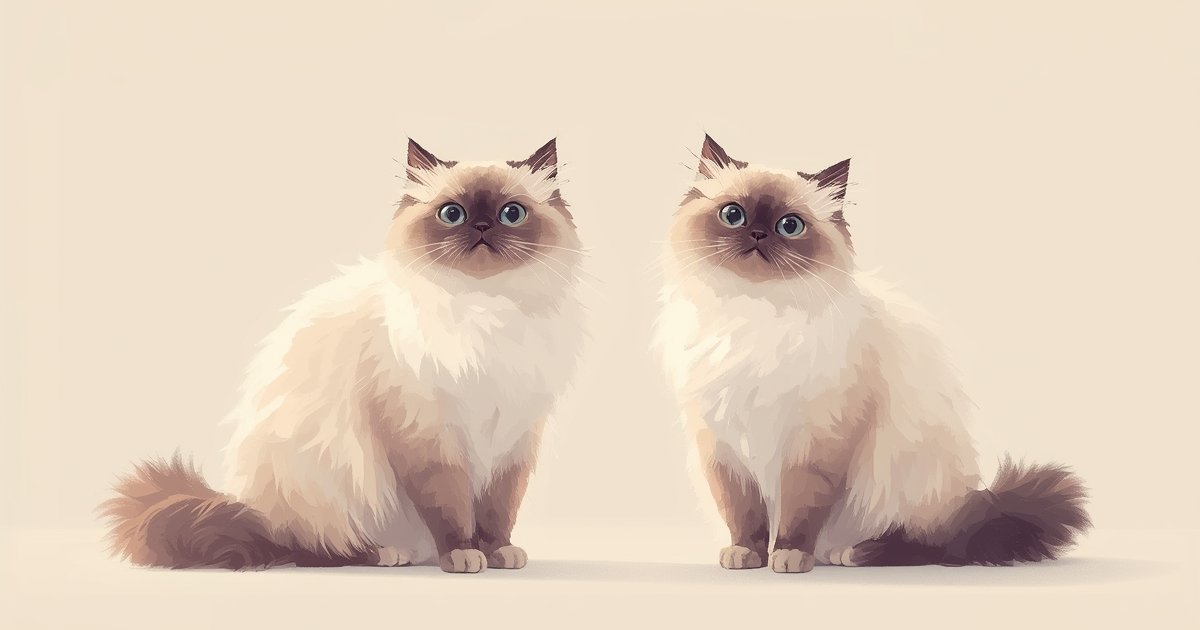
Understanding your Persian cat’s meows unlocks a deeper bond. This guide decodes their unique vocalizations, body language, and offers tips to respond effectively to your feline companion.
The Unique Voice of Your Persian Cat: More Than Just a Meow
The quiet demeanor often associated with Persian cats belies a rich, nuanced language. Truly understanding Persian meows is key to connecting with your feline companion on a deeper level. While they are often considered less vocal than some other breeds, when a Persian cat does vocalize, it’s usually with purpose and specific intent. Learning to interpret these sounds can transform your relationship, turning confusion into clear communication.
Many cat owners mistakenly believe that all meows are the same. However, just like human speech, the pitch, duration, and intensity of Persian meows carry distinct messages. From a soft chirp to a demanding yowl, each sound is a piece of a larger puzzle, revealing your cat’s needs, mood, and desires. This article will guide you through the intricacies of their vocalizations, helping you become a fluent interpreter of your cat’s language.
The Spectrum of Persian Meows: What Each Sound Means
Persian cats employ a diverse vocabulary of sounds, each with its own significance. Paying close attention to the context and consistency of these Persian meows will greatly enhance your ability to understand them. These aren’t just random noises; they are intentional communications.
The Gentle Chirp or Trill
A soft chirp or trill is often a greeting or an invitation. This sound is made with a purring-like rumble that rises into a vocalization. It’s a very positive signal.
– **Meaning:** Your cat is happy to see you, wants you to follow them, or is generally content.
– **Context:** Often heard when you return home, when they want you to come play, or when they’re leading you to their food bowl.
– **Response:** Acknowledge their greeting with a gentle pet or a soft word. Follow them if they seem to be leading you somewhere.
The Standard Meow
This is the most common vocalization, and its meaning varies widely based on tone, frequency, and accompanying body language. A standard Persian meow can be short and sharp or long and drawn out.
– **Meaning:** “Hello,” “feed me,” “pet me,” “let me in,” “I’m bored.”
– **Context:** A short meow might be a simple greeting. Repeated meows often indicate a demand, such as for food or attention. A longer, drawn-out meow can signal impatience.
– **Response:** Try to determine the underlying need. Is their food bowl empty? Do they want to play? Are they seeking affection?
The Demanding Yowl or Howl
A yowl is a prolonged, often louder vocalization that can sound quite distressed or urgent. It’s not to be confused with typical Persian meows and usually signals something significant.
– **Meaning:** Pain, fear, territorial dispute, distress, or seeking a mate (for unspayed/unneutered cats).
– **Context:** If your cat is yowling while trying to use the litter box, it could indicate a urinary issue. If they’re yowling at another cat outside, it’s territorial. If they seem disoriented, it could be a sign of illness.
– **Response:** Investigate immediately. Check for injuries, assess their environment for perceived threats, or consider a vet visit if it’s accompanied by behavioral changes or signs of discomfort.
The Purr
While not strictly a meow, purring is a vital part of a Persian cat’s vocal repertoire and often accompanies contented Persian meows. It’s a low, rumbling vibration.
– **Meaning:** Contentment, relaxation, affection, or self-soothing (sometimes cats purr when stressed or injured).
– **Context:** Typically heard during petting, cuddling, or while eating. However, a cat might purr to comfort itself when in pain, so always observe other cues.
– **Response:** Continue the interaction if they seem happy. If purring accompanies signs of discomfort, monitor closely and consider a vet check-up.
Hissing and Growling
These are clear warning signs that your Persian cat feels threatened, scared, or aggressive. They are defensive vocalizations.
– **Meaning:** “Stay away,” “I’m scared,” “I’m angry,” “I’m in pain and don’t want to be touched.”
– **Context:** Often directed at other animals, unfamiliar people, or during stressful situations like vet visits.
– **Response:** Give your cat space. Do not provoke them further. Remove the perceived threat if possible and allow them to calm down in a safe environment.
Beyond the Meow: Body Language Cues
Understanding Persian meows is only half the battle; their body language is equally, if not more, expressive. A cat’s posture, tail position, ear movements, and eye contact provide crucial context to their vocalizations. When interpreting your cat’s communication, always consider these non-verbal cues in conjunction with the sounds they make.
The Tail: A Feline Mood Ring
Your Persian cat’s tail is a sophisticated indicator of their emotional state. A high, upright tail with a slight curl at the tip signifies happiness and confidence. If the tail is tucked between their legs, it points to fear or submission. A rapidly twitching tail can indicate agitation or irritation, especially if accompanied by flattened ears. A gently swishing tail often means they are relaxed and observing, while a puffed-up tail is a clear sign of extreme fear or aggression.
Ears and Eyes: Windows to Their Soul
A cat’s ears are incredibly mobile and expressive. Forward-facing ears indicate alertness and interest. Ears slightly turned sideways or flattened against the head signal fear, irritation, or aggression. When your Persian’s eyes are wide open with dilated pupils, it can mean fear, excitement, or aggression. Slow blinking, on the other hand, is often referred to as a “cat kiss,” signifying trust and relaxation. Half-closed eyes usually mean they are content and sleepy.
Posture and Fur: Overall Message
A relaxed cat will have a loose, elongated body posture. An arched back with bristling fur, however, is a classic defensive stance, often accompanied by hissing or growling. Rolling onto their back can indicate trust and a desire for affection, but be cautious—it can also be a defensive posture in a high-stress situation, allowing them to use all four paws for defense. Observing their overall body tension, movement, and the state of their fur provides a holistic view of their emotional state, helping you better interpret their specific Persian meows.
Factors Influencing Persian Meows and Vocalizations
Several elements can impact how and why your Persian cat vocalizes. Recognizing these factors can provide invaluable insights into their behavior and needs. Understanding these variables helps you decode their unique Persian meows even more accurately.
Breed Tendencies and Genetics
While Persian cats are generally known for being less vocal than breeds like Siamese, individual differences exist. Some Persians might simply be naturally more talkative due to their specific genetics or personality. It’s important to understand your individual cat’s baseline level of vocalization. A sudden change in volume or frequency of their Persian meows is more significant than a consistent pattern.
Age and Health Status
A cat’s vocalizations can change significantly with age. Kittens often use chirps and insistent meows to get attention from their mother and human caregivers. As cats age, they might become more vocal due to hearing loss, cognitive decline (feline dementia), or underlying medical conditions causing discomfort or confusion. For instance, increased meowing, especially at night, can be a sign of hyperthyroidism or kidney disease in older cats. Any drastic or sudden change in your Persian cat’s meows should prompt a vet visit.
Environment and Stress Levels
A cat’s environment plays a huge role in their comfort and security. Changes in routine, new pets, a new home, or even rearranged furniture can cause stress, leading to increased or altered vocalizations. Cats might meow more if they feel insecure, bored, or anxious. A stimulating environment with toys, scratching posts, and safe perching spots can reduce stress-induced vocalizations. Conversely, a quiet cat in a new, unfamiliar environment might be too stressed to vocalize much at all, making their rare Persian meows even more important to interpret.
Attention-Seeking and Learned Behavior
Cats are intelligent and quick learners. If they discover that a particular meow gets them food, attention, or a desired outcome, they will repeat it. This is especially true for Persian cats, who, despite their calm demeanor, can be quite adept at training their humans. For example, if you always respond to a specific demanding meow by giving treats, your cat will continue to use that meow when they want treats. It’s crucial to distinguish genuine needs from learned attention-seeking behavior.
Tools to Aid in Decoding Your Cat’s Communication
While human observation is paramount, certain technological advancements can offer supplementary insights into your Persian cat’s behavior and vocal patterns. These tools don’t directly translate Persian meows, but they provide valuable context and monitoring capabilities. They can help you observe patterns, track activities, and even interact with your cat when you’re not home, making it easier to understand their overall well-being and communication attempts.
Smart Cat Monitoring Gadgets
These devices allow you to keep an eye on your cat when you’re away, providing peace of mind and data that can help you understand their routine and any unusual Persian meows or behaviors.
| Product | Price | Pros | Cons | Best For |
|---|---|---|---|---|
| Furbo 360° Cat Camera | $169 – $210 | 360° rotating view, two-way audio, treat tossing, barking/meow alerts, night vision. | Requires subscription for some advanced features, primarily marketed for dogs. | Engaging with your cat remotely, monitoring for specific vocalizations or distress. |
| Petcube Play 2 Interactive Pet Camera | $179 – $230 | 1080p HD video, two-way audio, built-in laser toy, sound/motion alerts, sleek design. | Laser can be distracting if overused, some features require a subscription. | Interactive play and monitoring for active cats, observing responses to play. |
| Wyze Cam V3 Pet Monitor | $35 – $50 | Very affordable, good basic HD video, color night vision, motion/sound detection. | No specific pet features (e.g., treat tossing), two-way audio can be delayed. | Budget-friendly general pet monitoring, checking in on your cat’s routine and basic behaviors. |
Other Helpful Technologies
– **Activity Trackers:** Wearable devices for cats (collars) can monitor activity levels, sleep patterns, and even heart rate. While they don’t directly interpret Persian meows, a sudden drop in activity could explain increased vocalizations due to discomfort or illness.
– **Automatic Feeders:** These ensure your cat is fed on a consistent schedule, which can reduce demanding meows related to hunger. Some even have cameras to observe your cat’s eating habits.
– **Interactive Puzzle Toys:** These can help alleviate boredom, a common cause for attention-seeking vocalizations. A stimulated cat is often a happier, quieter cat.
By combining careful observation of your cat’s specific Persian meows and body language with the insights provided by these modern tools, you can gain a much more comprehensive understanding of your feline friend.
Responding Effectively to Your Persian Cat’s Calls
Once you’ve started to decode your Persian cat’s mysterious meows, the next crucial step is to respond appropriately. Your reaction shapes your cat’s communication habits, reinforcing desired behaviors and discouraging unwanted ones. Thoughtful responses can strengthen your bond and ensure your cat feels heard and understood.
Identify the Cause Before Responding
Before you do anything, take a moment to assess the situation. Is it a gentle chirp or an insistent meow? What is their body language telling you? Are they near their food bowl, the door, or simply looking for attention? A quick check of their environment can often provide the answer. For example, a cat meowing at an empty food bowl is clearly signaling hunger. If they’re near the front door, they might want to explore or come inside.
Address Basic Needs Promptly
If your Persian cat’s meows indicate a basic need like hunger, thirst, or a dirty litter box, address it immediately.
– **Food/Water:** Ensure fresh food and water are always available.
– **Litter Box:** Scoop the litter box at least once daily. A clean litter box is crucial for a happy cat.
– **Comfort:** Check if their favorite sleeping spot is accessible and comfortable.
Fulfilling these fundamental needs promptly prevents frustration and reduces the likelihood of excessive demanding meows.
Provide Attention and Play
Many Persian meows are simply requests for attention or interaction. Cats, even calm Persians, need mental and physical stimulation.
– **Interactive Play:** Dedicate at least 15-30 minutes daily to interactive play using toys like wand teasers or laser pointers. This satisfies their hunting instincts and strengthens your bond.
– **Affection:** Offer gentle pets, brushes, or cuddles when your cat seeks it. Learn their preferred spots for affection (e.g., chin scratches, behind the ears).
– **Vocal Acknowledgment:** Sometimes, a simple “Hello, kitty!” or a soft spoken word is enough to acknowledge their presence and satisfy their need for connection.
Manage Attention-Seeking Meows
If you suspect your cat’s persistent Persian meows are purely for attention and all basic needs are met, it’s important to avoid inadvertently rewarding the behavior.
– **Don’t Reward Demands:** If your cat is meowing incessantly for attention, avoid looking at them, talking to them, or touching them until they are quiet. Even a brief pause in meowing can be a moment to reward with a calm pet or treat.
– **Proactive Engagement:** Instead of waiting for them to demand attention, initiate play or cuddle sessions at regular intervals throughout the day. This teaches them that they will get attention on your terms, not solely through demanding meows.
– **Ignore When Appropriate:** For truly incessant or disruptive meowing that isn’t indicative of a problem, ignoring it can be effective. Be consistent, as giving in even once can reinforce the behavior.
Consult a Veterinarian for Changes
Any sudden or significant change in your Persian cat’s meows – increased vocalization, new types of sounds, or silence from a normally vocal cat – warrants a visit to the veterinarian.
– **Rule Out Medical Issues:** Changes in vocalization can be a primary symptom of pain, illness, or age-related conditions. Early diagnosis can prevent suffering and allow for timely treatment.
– **Behavioral Consultation:** If medical issues are ruled out, your vet might recommend a cat behaviorist. These experts can help identify underlying stress, anxiety, or learned behaviors and suggest strategies to manage them.
By consistently and thoughtfully responding to your Persian cat’s communication, you foster a trusting relationship where both of you feel understood and respected. It’s an ongoing dialogue that enriches the lives of both pet and owner.
Decoding your Persian cat’s mysterious meows is an enriching journey that deepens your connection. By understanding their unique vocalizations, observing their body language, considering influencing factors, and utilizing helpful tools, you gain invaluable insight into their needs and emotions. Responding thoughtfully and consistently reinforces positive communication patterns, ensuring your feline friend feels truly understood. This ongoing dialogue between you and your Persian builds a stronger, more harmonious relationship.
Ready to further enhance your understanding of your pet? Explore our other articles on feline behavior and training, or consider subscribing to our newsletter for more expert tips delivered straight to your inbox. For specific concerns about your cat’s health or behavior, always consult with your veterinarian.
Frequently Asked Questions (FAQ)
Do Persian cats meow a lot?
Persian cats are generally known for being quieter and less vocal compared to many other cat breeds. They tend to communicate more through body language and subtle vocalizations like chirps and soft meows rather than loud, insistent demands. However, individual personalities vary, and some Persians can be more talkative than others.
What does a short meow from a Persian cat mean?
A short, quick meow from a Persian cat is often a greeting, a simple “hello,” or a way to get your attention for a moment. It can also indicate a mild request, such as wanting you to open a door or acknowledge their presence.
Why is my Persian cat suddenly meowing more?
A sudden increase in vocalizations from a Persian cat can be a sign of various issues. It could indicate pain, discomfort, illness (such as hyperthyroidism or dental problems), stress, anxiety, boredom, or a change in their environment. Older cats might meow more due to hearing loss or cognitive dysfunction. It’s crucial to consult a veterinarian to rule out any underlying medical conditions.
How can I tell if my Persian cat is in pain from their meow?
Meows indicating pain are often more intense, prolonged, or frequent than usual. They might sound like yowls, howls, or an unusually mournful cry. These vocalizations are typically accompanied by other signs of discomfort, such as hiding, lethargy, changes in eating habits, or difficulty moving. Always seek veterinary attention if you suspect your cat is in pain.
Should I respond to every one of my Persian cat’s meows?
While it’s good to acknowledge your cat, you don’t need to respond to every single meow, especially if it’s purely for attention-seeking and all their basic needs are met. Responding only when they are quiet or calm can help manage attention-seeking behaviors. However, always pay close attention to the context and intensity of the meow to ensure you’re not ignoring a genuine need or distress signal.
Leave a Reply