

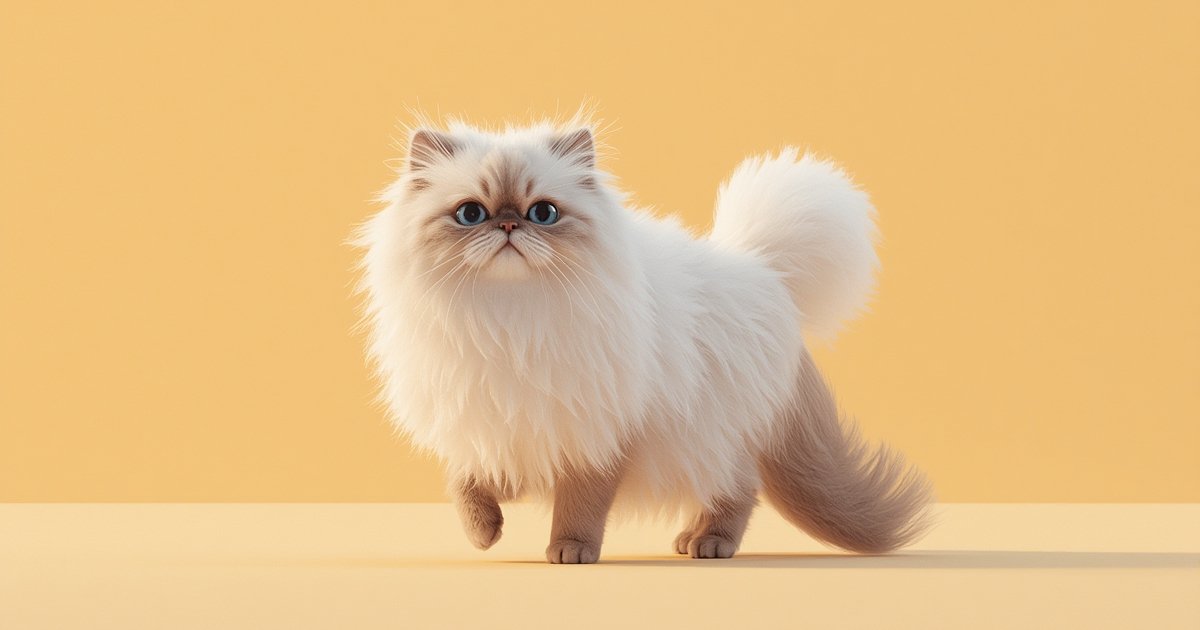
Ensure peak Persian Health in 2026 with expert tips on grooming, nutrition, and common issues. Discover how to keep your fluffy companion thriving.
Understanding the Unique Needs of Persian Cats
Persian cats are renowned for their luxurious long coats, sweet dispositions, and distinctive flat faces. While undeniably beautiful, these traits come with specific care requirements that differentiate them from other breeds. Maintaining optimal Persian Health goes beyond just affection; it demands a dedicated routine focused on their unique physical characteristics and predispositions. Ignoring these needs can lead to a variety of health issues, diminishing their quality of life.
Our goal is to equip you with actionable strategies to ensure your Persian cat not only survives but truly thrives in the years to come. From preventing common ailments to understanding their dietary nuances, we’ll delve deep into what it takes to provide comprehensive care. This guide will help you stay ahead of potential problems, ensuring your beloved feline companion remains a picture of health and happiness.
Mastering the Art of Persian Grooming
The magnificent coat of a Persian cat is perhaps its most defining feature, but it’s also a significant responsibility. Without consistent, proper grooming, their long, fine fur can quickly become matted, leading to skin irritation, infections, and discomfort. Regular grooming is a cornerstone of good Persian Health, preventing many issues before they even begin.
Daily Brushing for a Flawless Coat
Daily brushing is non-negotiable for Persian cats. Their double coat, consisting of a dense undercoat and long guard hairs, is prone to tangling and matting. A few minutes each day can save hours of painful detangling later.
– Use a wide-toothed metal comb to gently work through the fur, starting from the head and working towards the tail. Pay special attention to areas behind the ears, under the legs, and around the tail, which are prone to matting.
– Follow with a slicker brush to remove loose hair and stimulate blood circulation, distributing natural oils. This helps keep the coat shiny and healthy.
– Be extremely gentle, especially if you encounter a tangle. Never pull or yank the fur, as this can be painful for your cat and make future grooming sessions difficult.
– Consider using a detangling spray specifically designed for cats to help loosen knots.
Bathing Your Persian: A Necessary Routine
While some cats are self-sufficient groomers, Persians often require regular bathing due to their long coats and the accumulation of oils and dirt. A bath every 4-6 weeks is generally recommended to maintain coat cleanliness and skin health.
– Use a high-quality, cat-specific shampoo that is gentle and moisturizing. Avoid human shampoos, as they can irritate a cat’s skin.
– Ensure the water is lukewarm and use a non-slip mat in the tub.
– Thoroughly wet your cat’s coat, apply shampoo, and gently massage it in. Rinse thoroughly until no suds remain. Residual shampoo can irritate the skin.
– Towel dry your cat as much as possible, then use a low-heat hairdryer specifically for pets, keeping it at a safe distance. Ensure the coat is completely dry to prevent matting and skin issues.
Eye and Facial Care: Addressing Tear Stains
Persian cats’ brachycephalic (flat) faces often lead to epiphora, or excessive tearing, which can cause tear stains and potential skin irritation around the eyes. This is a crucial aspect of maintaining their overall Persian Health.
– Gently wipe your cat’s eyes daily with a soft, damp cloth or a specialized pet eye wipe. This helps remove discharge and prevent staining.
– For stubborn tear stains, consult your vet about safe, cat-specific stain removers. Never use human products around their eyes.
– Check for any signs of irritation, redness, or excessive discharge, which could indicate an eye infection or other problem requiring veterinary attention.
Nail Trimming and Ear Cleaning
Don’t overlook these essential grooming steps. Regular nail trimming prevents overgrown claws from snagging, breaking, or growing into paw pads. Ear cleaning, when necessary, prevents wax buildup and infections.
– Trim your cat’s nails every 2-4 weeks using appropriate cat nail clippers. Only clip the clear tip, avoiding the pink quick, which contains blood vessels and nerves.
– Check your cat’s ears weekly. If you notice dirt or wax buildup, gently clean the outer ear flap with a cotton ball dampened with a vet-approved ear cleaner. Never insert anything into the ear canal.
– Any foul odor, redness, or excessive scratching of the ears warrants a vet visit.
Optimal Nutrition for Longevity and Vitality
Diet plays a pivotal role in maintaining your Persian cat’s health, energy levels, and coat quality. Choosing the right food and managing feeding practices are crucial components of their long-term Persian Health strategy. A well-balanced diet supports everything from their immune system to their digestive health.
Selecting the Right Food for Persians
Persian cats have unique dietary considerations due to their breed-specific characteristics. Their flat faces can make eating certain kibble shapes difficult, and their long coats benefit from specific nutrients.
– **Kibble Shape:** Look for kibble specifically designed for brachycephalic breeds. These often have a shape that is easier for Persians to pick up and chew, reducing mess and frustration at meal times.
– **High-Quality Protein:** Cats are obligate carnivores, meaning their diet should be rich in animal-based protein. Look for real meat (chicken, fish, turkey) as the first ingredient.
– **Omega Fatty Acids:** Essential for a healthy skin and coat, omega-3 and omega-6 fatty acids can reduce shedding and promote a glossy, beautiful mane. Ingredients like fish oil or flaxseed are good sources.
– **Controlled Calorie Intake:** Persians can be prone to obesity if overfed, which can exacerbate other health issues. Monitor portion sizes carefully based on your cat’s age, weight, and activity level.
– **Wet Food Consideration:** Incorporating wet food can provide additional moisture, which is beneficial for kidney health, especially for cats that don’t drink much water.
Hydration: A Key Component of Persian Health
Adequate water intake is critical for preventing urinary tract issues and maintaining overall organ function. Many cats don’t drink enough water from a bowl, leading to chronic dehydration.
– **Multiple Water Sources:** Place several water bowls around your home in quiet, accessible locations.
– **Water Fountains:** Cats are often attracted to moving water. A pet fountain can encourage them to drink more.
– **Fresh Water Daily:** Always provide fresh, clean water. Change it at least once a day, and clean the bowls regularly to prevent bacterial growth.
Considering Smart Feeding Solutions
In today’s connected world, technology offers several solutions to ensure your Persian cat’s dietary needs are met consistently and conveniently. Smart feeders and water fountains can help automate meal times and monitor water intake, contributing positively to their Persian Health.
Comparison of Smart Pet Feeding & Hydration Gadgets
| Product | Price | Pros | Cons | Best For |
|---|---|---|---|---|
| PetSafe Smart Feed Automatic Pet Feeder | $150 | App-controlled feeding schedules, precise portions, slow-feed mode. | Can be complex to set up initially, requires Wi-Fi. | Owners wanting complete control over meal times and portioning. |
| Petkit Eversweet 3 Pro Smart Pet Water Fountain | $80 | Triple filtration system, app alerts for water level/filter, quiet operation. | Requires specific replacement filters, needs regular cleaning. | Ensuring continuous access to fresh, filtered water. |
| SureFeed Microchip Pet Feeder | $200 | Only opens for your cat’s microchip/RFID tag, perfect for multi-pet homes. | Higher price point, not Wi-Fi enabled for remote feeding. | Households with multiple pets (preventing food stealing) or prescription diets. |
Preventing Common Health Issues in Persians
Despite their robust appearance, Persian cats are predisposed to certain genetic and breed-specific health conditions. Being aware of these and taking proactive steps is vital for managing their Persian Health effectively. Early detection and prevention are your best tools.
Respiratory Problems
Due to their brachycephalic (flat) faces, Persians often suffer from brachycephalic airway syndrome. This can lead to breathing difficulties, snoring, and heat intolerance.
– **Keep Them Cool:** Persians are very sensitive to heat. Ensure they have access to cool, shaded areas, especially in warmer climates. Use air conditioning or fans as needed.
– **Monitor Breathing:** Listen for unusual breathing sounds. Excessive panting, wheezing, or difficulty breathing warrants immediate veterinary attention.
– **Weight Management:** Maintaining a healthy weight can significantly alleviate pressure on their respiratory system.
Polycystic Kidney Disease (PKD)
PKD is a hereditary condition common in Persians, where cysts form in the kidneys and can eventually lead to kidney failure. It’s crucial to be proactive about this.
– **Genetic Testing:** Reputable breeders should screen their cats for PKD. If you’re acquiring a kitten, ask for proof of genetic testing.
– **Regular Vet Check-ups:** Your veterinarian can monitor kidney function through blood and urine tests, especially as your cat ages. Early detection can help manage the condition.
– **Hydration and Diet:** A kidney-friendly diet, often prescribed by a vet, combined with excellent hydration, can support kidney health.
Hypertrophic Cardiomyopathy (HCM)
HCM is a common heart disease in cats, including Persians, where the heart muscle thickens, making it harder for the heart to pump blood.
– **Annual Cardiac Screenings:** For at-risk breeds, annual cardiac ultrasounds (echocardiograms) can help detect HCM early, allowing for timely management.
– **Monitor for Symptoms:** Watch for signs like lethargy, difficulty breathing, coughing, or sudden weakness, which could indicate heart issues.
Eye Conditions
Beyond tear staining, Persians are prone to other eye problems like entropion (eyelids rolling inward, irritating the cornea) and cherry eye.
– **Daily Eye Checks:** Beyond cleaning, inspect your cat’s eyes for redness, swelling, discharge, or squinting.
– **Veterinary Ophthalmologist:** If you notice persistent eye issues, a referral to a veterinary ophthalmologist might be necessary.
Creating an Enriching and Stress-Free Environment
A healthy Persian cat isn’t just about physical well-being; it also encompasses their mental and emotional state. Creating a stimulating, safe, and stress-free home environment is just as important for their overall Persian Health.
The Importance of Mental Stimulation
Persians might seem laid-back, but they still need mental engagement to prevent boredom and behavioral issues.
– **Interactive Toys:** Provide a variety of toys that encourage play, such as puzzle feeders, feather wands, and balls. Rotate toys regularly to keep things interesting.
– **Scratching Posts:** Offer multiple scratching posts or boards to satisfy their natural urge to scratch, saving your furniture.
– **Cat Trees and Perches:** Persians enjoy elevated spaces where they can observe their surroundings. A sturdy cat tree provides both entertainment and a sense of security.
Safe Indoor Environment
Keeping your Persian indoors is generally recommended to protect them from outdoor hazards like traffic, predators, and infectious diseases.
– **Cat-Proofing:** Ensure your home is safe, removing toxic plants, securing cabinets with harmful substances, and covering electrical cords.
– **Litter Box Etiquette:** Provide enough litter boxes (rule of thumb: number of cats + 1) and keep them meticulously clean. Persians are fastidious and may refuse to use a dirty box, leading to inappropriate urination.
Reducing Stress and Anxiety
Cats are creatures of habit and can be sensitive to changes in their environment. Stress can weaken their immune system and lead to various health problems.
– **Consistent Routine:** Try to maintain a consistent feeding, play, and sleep schedule.
– **Quiet Spaces:** Ensure your cat has safe, quiet retreats where they can relax and feel secure, away from household hustle and bustle.
– **Gentle Introductions:** If introducing new pets or people, do so slowly and carefully to minimize stress.
– **Pheromone Diffusers:** Consider using feline pheromone diffusers (e.g., Feliway) to create a calming atmosphere, especially during periods of change or stress.
Routine Veterinary Care and Preventative Measures
Regular visits to the veterinarian are indispensable for maintaining peak Persian Health. Preventative care, rather than reactive treatment, is the most effective approach to ensuring a long and healthy life for your feline friend. These appointments allow for early detection of issues and personalized health plans.
Annual Check-ups and Vaccinations
Even if your Persian cat appears perfectly healthy, annual veterinary check-ups are crucial. These visits allow your vet to:
– **Perform a thorough physical examination:** Checking teeth, eyes, ears, coat, heart, and lungs.
– **Administer necessary vaccinations:** Protecting against common feline diseases like rabies, feline distemper, calicivirus, and rhinotracheitis.
– **Discuss diet and weight management:** Ensuring your cat maintains an ideal body condition.
– **Address any behavioral concerns:** Providing insights into potential issues.
Parasite Prevention
Internal and external parasites can significantly impact your cat’s health. Regular preventative measures are key.
– **Flea and Tick Control:** Even indoor cats can get fleas. Discuss appropriate year-round flea and tick prevention with your vet, such as topical treatments or oral medications.
– **Deworming:** Regular deworming, especially for kittens, is essential to protect against intestinal parasites like roundworms and tapeworms. Your vet will recommend a schedule based on your cat’s lifestyle.
– **Heartworm Prevention:** While less common in cats than dogs, heartworm disease can be severe. Discuss with your vet if heartworm prevention is recommended for your area.
Dental Health: More Than Just Fresh Breath
Dental disease is one of the most common health issues in cats, often going unnoticed until it’s severe. Poor dental health can lead to pain, infection, and even impact organ health.
– **Professional Dental Cleanings:** Your vet may recommend periodic professional dental cleanings under anesthesia to remove plaque and tartar.
– **At-Home Dental Care:** Introduce dental chews, special dental diets, or even gentle tooth brushing with cat-specific toothpaste (never human toothpaste).
– **Regular Oral Examinations:** During annual check-ups, your vet will examine your cat’s teeth and gums for signs of disease.
Investing in consistent veterinary care is an investment in your Persian cat’s overall quality of life. By partnering with your vet, you can create a comprehensive health plan tailored to their specific needs. This proactive approach is the best way to ensure optimal Persian Health for years to come.
Navigating the Golden Years: Senior Persian Care
As your beloved Persian cat enters their senior years (typically around 7-10 years old), their health needs will subtly shift. Understanding and adapting to these changes is paramount for maintaining their comfort and quality of life. The focus on Persian Health becomes even more critical during this stage.
Adjusting Diet and Exercise
Senior cats often have slower metabolisms and may become less active. Their diet needs to reflect these changes to prevent obesity and support aging organs.
– **Senior-Specific Diets:** Transition to a high-quality senior cat food formulated with fewer calories, appropriate protein levels for muscle maintenance, and added supplements for joint health (e.g., glucosamine).
– **Gentle Exercise:** Encourage gentle play sessions to keep them moving, but avoid overexertion. Interactive toys that don’t require much running or jumping are ideal.
– **Accessibility:** Ensure their favorite resting spots and litter boxes are easily accessible, perhaps by adding ramps or steps if mobility becomes an issue.
Monitoring for Age-Related Conditions
Older Persians are more susceptible to certain conditions that require diligent monitoring and veterinary intervention.
– **Arthritis:** Watch for signs of joint pain, such as stiffness, reluctance to jump, or difficulty climbing stairs. Your vet can recommend pain management strategies, including supplements or medications.
– **Kidney Disease and Hyperthyroidism:** These are common in senior cats. Regular blood and urine tests during senior check-ups (often twice a year) are crucial for early detection and management.
– **Cognitive Dysfunction:** Some senior cats may experience signs of feline cognitive dysfunction, such as disorientation, changes in sleep patterns, or increased vocalization. Discuss any such changes with your vet.
– **Dental Health:** Dental issues can worsen with age. Continue regular dental care and professional cleanings as recommended by your veterinarian.
Comfort and Environment
Ensure your senior Persian’s environment caters to their comfort and changing physical abilities.
– **Warm, Soft Beds:** Provide plenty of comfortable, orthopedic beds in warm, quiet spots.
– **Grooming Assistance:** As flexibility decreases, your senior cat may struggle with self-grooming. Increase your grooming efforts, paying extra attention to mats and keeping their coat clean.
– **Increased Veterinary Visits:** Your vet may recommend more frequent check-ups for senior cats to closely monitor their health and manage any emerging conditions proactively.
Embracing the special needs of your senior Persian cat allows you to provide them with the best possible care, ensuring their golden years are as comfortable and joyful as possible. This commitment to their evolving Persian Health needs truly demonstrates the depth of your bond.
Caring for a Persian cat is a rewarding endeavor that requires dedication to their specific needs. From meticulous grooming to tailored nutrition and proactive health management, every aspect contributes to their overall well-being. By understanding their unique traits and staying vigilant for potential health concerns, you can ensure your fluffy companion leads a long, happy, and vibrant life. The commitment to their Persian Health journey is an ongoing one, filled with love and attentive care.
For more expert tips and personalized advice on Persian cat care, don’t hesitate to reach out to our team of feline specialists.
Frequently Asked Questions (FAQ)
How often should I brush my Persian cat?
Persian cats should be brushed daily with a wide-toothed comb and a slicker brush. Their long, dense coats are prone to matting, and daily brushing prevents tangles, removes loose fur, and distributes natural skin oils.
What kind of food is best for a Persian cat?
Look for high-quality cat food specifically formulated for brachycephalic breeds, with kibble shapes that are easier for them to pick up. The food should be rich in animal-based protein and contain omega fatty acids for coat health. Both dry and wet food can be beneficial.
Do Persian cats need special eye care?
Yes, due to their flat faces, Persian cats are prone to excessive tearing and tear stains. Their eyes should be gently wiped daily with a soft, damp cloth or pet-specific eye wipes to remove discharge and prevent staining and skin irritation.
Are Persian cats prone to any specific health problems?
Persian cats are predisposed to several conditions, including brachycephalic airway syndrome (breathing difficulties), Polycystic Kidney Disease (PKD), Hypertrophic Cardiomyopathy (HCM), and certain eye conditions. Regular veterinary check-ups and genetic screening are vital for early detection and management.
How can I keep my Persian cat cool in warm weather?
Persians are sensitive to heat due to their flat faces and dense coats. Provide access to cool, shaded areas, use air conditioning or fans, and ensure constant access to fresh water. Avoid strenuous activity during hot parts of the day.
How often should a Persian cat be bathed?
Most Persian cats benefit from a bath every 4-6 weeks to keep their long coats clean and prevent oil buildup and matting. Always use a cat-specific shampoo and ensure their coat is thoroughly dried afterward.
Leave a Reply