

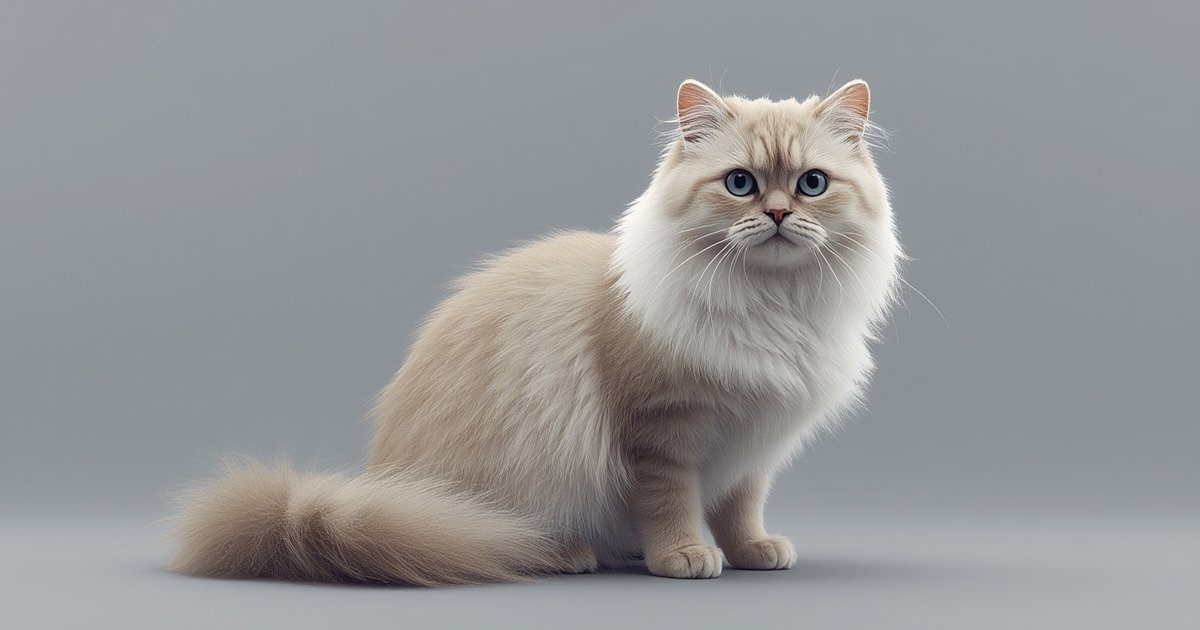
Discover expert Persian grooming tips for a healthy, luscious coat in 2026! Learn essential techniques, tools, and routines for your feline friend.
The Majestic Persian Coat: A Foundation for Pristine Persian Grooming
The Persian cat, renowned for its luxurious, flowing coat, embodies elegance and grace. This distinctive feature, while beautiful, demands consistent and dedicated care to maintain its health and splendor. Understanding the unique characteristics of your Persian’s fur is the first step in effective Persian grooming.
Their coat is typically long, dense, and comprised of two layers: a soft, woolly undercoat and a longer, silken outer coat. This combination, while stunning, is prone to tangles, mats, and dander accumulation if not properly managed. Regular grooming isn’t just about aesthetics; it’s vital for their skin health, comfort, and overall well-being. Neglecting this crucial aspect can lead to painful mats, skin infections, and even behavioral issues due to discomfort.
Understanding Your Persian’s Unique Hair Type
Not all Persian coats are exactly alike, though they share common traits. Factors like age, diet, genetics, and even the climate can influence the texture and volume of their fur. Younger cats often have softer, less dense coats, which mature and thicken over time. Senior cats might experience thinning or changes in coat texture, requiring adjusted grooming strategies.
The primary goal of Persian grooming is to prevent matting, distribute natural oils, and remove loose hair and debris. A well-groomed cat is a happy cat, and a well-informed owner is the key to achieving this. Establishing a routine early in your cat’s life helps them become accustomed to the process, making grooming a positive bonding experience rather than a stressful chore.
Essential Tools for Your Persian Grooming Arsenal
Equipping yourself with the right tools is paramount for successful Persian grooming. Investing in high-quality grooming instruments will not only make the task easier but also more comfortable for your cat, preventing snags and skin irritation. Avoid cheap, ineffective tools that can cause static, pull hair, or fail to penetrate the dense undercoat.
Must-Have Brushes and Combs
Different types of brushes and combs serve specific purposes in maintaining your Persian’s coat. Using them in the correct sequence ensures thorough grooming without damaging the delicate fur. A complete set of tools is indispensable for any dedicated Persian owner.
- Metal Comb (Wide-toothed and Fine-toothed): This is your primary tool. The wide-toothed side helps gently detangle larger knots, while the fine-toothed side works through smaller tangles and removes loose hair and dander. Always use a metal comb with rounded teeth to protect your cat’s skin.
- Slicker Brush: Excellent for removing loose undercoat and surface debris. Choose one with soft, flexible pins to avoid scratching the skin. Use it gently, in short strokes, paying attention to areas prone to matting.
- Pin Brush: Ideal for daily general brushing, especially for longer coats. It helps to smooth the fur and stimulate circulation without pulling excessively.
- De-matting Comb/Rake: A specialized tool for carefully breaking up mats. Use with extreme caution and only as a last resort before considering professional help for severe matting.
Specialized Shampoos and Conditioners
Bathing is an integral part of Persian grooming, albeit one that many cats (and owners) might dread. The right products can make a world of difference. Choose shampoos and conditioners specifically formulated for long-haired cats, preferably those that are tearless, pH-balanced, and anti-tangle.
Look for ingredients like oatmeal, aloe vera, or natural oils that soothe the skin and condition the coat. Avoid human shampoos, which can irritate a cat’s skin and strip natural oils. A good quality conditioner helps prevent tangles and adds shine, making the fur easier to comb through after the bath.
Other Crucial Grooming Supplies
Beyond brushes and bathing products, several other items will prove invaluable in your grooming routine.
- Nail Clippers: Regular nail trims prevent overgrown claws from snagging on carpets or causing discomfort. Use cat-specific clippers and only trim the tip, avoiding the quick.
- Ear Cleaner: Persians are prone to ear wax buildup due to their facial structure. Use a veterinarian-approved ear cleaning solution and cotton balls to gently wipe the outer ear canal. Never insert anything into the ear canal.
- Eye Wipes/Stain Remover: Persians often have tear staining due to their brachycephalic (flat) faces. Daily wiping with a damp cloth or specialized eye wipes helps prevent stains and keeps the area clean.
- Grooming Table with Arm (Optional but Recommended): A stable, elevated surface makes grooming much easier on your back and helps keep your cat secure during the process.
Comparison of Top Grooming Brushes for Persian Cats
Choosing the right brush can significantly impact the effectiveness and comfort of your Persian grooming routine. Here’s a look at some popular options:
| Product | Price | Pros | Cons | Best For |
|---|---|---|---|---|
| Chris Christensen Big G Slicker Brush | $70-$90 | Exceptional at dematting, comfortable for cat, penetrates thick coats effectively. | High price point, may be too large for small cats. | Thick, matted coats and professional-level grooming. |
| Andis Pet Steel Grooming Comb | $10-$15 | Durable, two-sided (fine and coarse teeth), excellent for detangling and finishing. | Can be uncomfortable if used improperly, no ergonomic handle. | Daily maintenance, detangling, and checking for mats. |
| Hertzko Self-Cleaning Slicker Brush | $15-$25 | Affordable, easy to clean with retractable bristles, good for removing loose fur. | Bristles can be slightly stiff, may not penetrate extremely dense undercoats as deeply. | Regular de-shedding and preventing light mats. |
The Daily and Weekly Grooming Regimen: Mastering Persian Grooming
Consistency is key to maintaining a Persian cat’s beautiful coat. A regular schedule prevents small issues from becoming major problems and keeps your cat comfortable and happy. This section outlines a comprehensive Persian grooming routine, breaking it down into daily and weekly tasks.
Daily Grooming Essentials
Even if your cat seems pristine, daily attention is crucial. Short, consistent efforts will save you from longer, more arduous sessions later. This is the bedrock of effective Persian grooming.
1. Brief Brushing/Combing: Spend 5-10 minutes each day gently combing through their fur. Focus on areas prone to matting: under the legs, behind the ears, on the belly, and under the tail. Use a wide-toothed metal comb first to check for any new tangles, then follow with a slicker or pin brush to smooth and remove loose hairs.
2. Eye and Face Cleaning: Persians are prone to tear stains. Use a soft, damp cloth or a specialized feline eye wipe to gently clean around their eyes daily. This prevents tear buildup, which can lead to unsightly stains and potential skin irritation. Wipe downwards from the inner corner of the eye.
3. Spot Checks: Quickly inspect their coat for any debris, burrs, or small tangles that might have accumulated. Prompt removal prevents these from escalating into larger mats.
Weekly Deep Grooming Routine
Once a week, dedicate a more thorough session to ensure every aspect of your Persian’s coat and hygiene is addressed. This is where the true art of Persian grooming shines.
1. Thorough Combing and Brushing: This session should be more extensive, lasting 20-30 minutes. Systematically work through the entire coat, section by section, ensuring the comb reaches the skin. Start with the wide-toothed comb, then the fine-toothed comb, and finish with a slicker brush. This deep dive ensures no mats are missed.
2. Nail Trimming: Use cat-specific nail clippers to trim just the tips of your Persian’s claws. Be careful to avoid the quick, which is a pinkish area containing blood vessels and nerves. If you’re unsure, ask your vet or a professional groomer for a demonstration.
3. Ear Cleaning: Using a veterinarian-approved ear cleaner and a cotton ball, gently wipe the visible parts of your cat’s ears. Never use cotton swabs inside the ear canal. If you notice any redness, discharge, or foul odor, consult your vet immediately.
4. Dental Care: While not strictly coat grooming, dental hygiene is a vital part of overall health. Aim to brush your cat’s teeth a few times a week with cat-specific toothpaste and a soft brush. This helps prevent plaque buildup and gum disease.
Bathing Schedule: The Art of Washing Your Persian
Bathing a Persian cat is typically recommended every 4-6 weeks, or more frequently if they get particularly dirty or have skin conditions requiring medicated baths.
1. Preparation: Before the bath, thoroughly comb out any mats or tangles. Wet fur will only tighten existing mats, making them impossible to remove without cutting. Have all your supplies ready: shampoo, conditioner, towels, and a non-slip mat for the tub.
2. Washing: Use lukewarm water. Gently wet your cat from the neck down, avoiding the face. Apply a small amount of cat-specific shampoo, lathering gently, working it into the coat. Rinse thoroughly, ensuring no shampoo residue remains, as this can irritate the skin and dull the coat.
3. Conditioning: Apply a cat-specific conditioner, leave it on for the recommended time, and rinse thoroughly.
4. Drying: Wrap your cat in a towel to absorb excess water. You can then use a pet-specific blow dryer on a low, cool setting, keeping it at a distance to prevent burns. Continue combing while drying to prevent tangles from forming as the fur dries. Ensure they are completely dry to prevent skin issues.
Tackling Common Grooming Challenges
Even with the most diligent Persian grooming routine, challenges can arise. Knowing how to address them effectively can save you stress and keep your cat comfortable. Prevention is always better than cure, especially when it comes to a Persian’s coat.
Dealing with Mats and Tangles
Mats are the bane of every Persian owner’s existence. They are painful, restrict movement, and can lead to skin problems.
* Prevention is Key: Regular, thorough combing is the best defense. Focus on high-friction areas like armpits, behind the ears, and the belly.
* Gentle Detangling: For small, superficial tangles, use your fingers to gently tease them apart. Then, use the wide-toothed metal comb, holding the hair at the base near the skin to minimize pulling. A dab of cornstarch or a specialized detangling spray can help lubricate the hair.
* When to Use a De-matting Tool: For slightly larger mats that won’t comb out, a de-matting comb or mat splitter can be used with extreme care. Always ensure the blade faces away from the skin. If you’re unsure, or the mat is close to the skin, it’s safer to consult a professional groomer or your veterinarian.
* Shaving Severe Mats: For severe, tight mats close to the skin, do not attempt to cut them out with scissors yourself, as it’s very easy to accidentally cut the skin. This job is best left to a professional groomer or vet who can safely shave the mat away.
Managing Tear Stains and Eye Discharge
Persian cats’ unique facial structure often leads to excessive tearing and tear stains.
* Daily Wiping: As mentioned, daily cleaning with a soft, damp cloth or specialized eye wipe is essential. Consistency will prevent stains from setting in.
* Specialized Products: There are various over-the-counter tear stain removers for cats. Always read reviews and consult your vet before using any new product, especially near the eyes.
* Underlying Issues: If tear staining is excessive, persistent, or accompanied by redness, swelling, or unusual discharge, it could indicate an infection, blocked tear ducts, or another medical issue. A vet visit is crucial in such cases.
Addressing Shedding and Hairballs
Persians are heavyulers, and this can lead to hairballs if the loose fur is ingested during self-grooming.
* Increased Brushing: During shedding seasons (typically spring and fall), increase your brushing frequency. Daily brushing, sometimes twice a day, can significantly reduce the amount of loose fur your cat ingests.
* Dietary Supplements: Some cat foods are formulated for hairball control, and supplements like malto-paste or specific fibers can help hair pass through the digestive system more easily. Consult your vet before adding any supplements to your cat’s diet.
* Hydration: Ensuring your cat has access to fresh water at all times can also aid digestion and hairball prevention. Consider a pet water fountain to encourage drinking.
Advanced Tips for a Show-Stopping Coat and Optimal Health
Beyond the basics, there are several advanced Persian grooming techniques and considerations that can elevate your cat’s coat to truly show-stopping levels and support their overall health. These insights go beyond simple brushing and into a holistic approach.
Nutrition’s Role in Coat Health
A truly magnificent coat starts from within. What your Persian cat eats directly impacts the luster, strength, and health of their fur. A high-quality diet rich in essential nutrients is non-negotiable for optimal Persian grooming results.
* Protein Power: Hair is primarily protein, so a diet with high-quality animal protein sources is crucial. Look for real meat (chicken, fish, turkey) as the first ingredient.
* Omega Fatty Acids: Omega-3 and Omega-6 fatty acids are vital for skin hydration and coat shine. Fish oil supplements, salmon oil, or foods fortified with these omegas can make a noticeable difference.
* Vitamins and Minerals: Ensure their food is balanced with essential vitamins and minerals, particularly Biotin, Zinc, and Vitamin E, which are known to support skin and coat health.
* Hydration: Adequate water intake is critical for overall health, including skin and coat. Consider wet food options and always provide fresh, clean water.
Professional Grooming Sessions
While DIY Persian grooming is essential, professional groomers offer expertise that can be invaluable, especially for maintaining a pristine coat or handling difficult situations.
* Initial Assessment: A professional can assess your cat’s coat condition, identify problem areas, and recommend a tailored grooming plan.
* Safe Mat Removal: For severe matting, a professional groomer is equipped with the right tools and techniques to safely and painlessly remove mats without injuring your cat.
* Sanitary Trims: Groomers can perform sanitary clips around the hindquarters to prevent fecal matter from sticking to the fur, which is a common issue for long-haired breeds.
* Lion Cuts: In some cases, especially for cats prone to severe matting or during hot summer months, a “lion cut” (shaving the body while leaving the mane, tail tip, and ‘boots’) might be recommended by a professional. This allows the coat to grow back fresh and mat-free.
* Frequency: Even if you groom at home, a professional session every 3-6 months can provide a deep clean, a fresh start for the coat, and address any issues you might miss.
Creating a Positive Grooming Experience
Making grooming enjoyable for your cat is key to long-term success. A stressed cat will resist, making Persian grooming a battle for both of you.
* Start Young: Introduce grooming tools and practices to kittens early on, making it a routine part of their life.
* Short, Positive Sessions: Keep sessions brief, especially when starting. Reward good behavior with treats, praise, and gentle petting.
* Gentle Touch: Always be gentle. Avoid pulling or yanking on tangles. If your cat shows signs of discomfort, stop and try again later.
* Quiet Environment: Groom in a calm, quiet area where your cat feels secure and there are no distractions.
* Familiar Scent: Having your cat’s blanket or a familiar toy nearby can help them feel more at ease.
Health Benefits Beyond the Shine: Why Persian Grooming Matters
The diligent practice of Persian grooming extends far beyond merely maintaining a beautiful coat. It serves as a vital tool for monitoring your cat’s overall health and strengthens the bond you share. Many health issues can be detected early during a routine grooming session, potentially preventing more serious complications.
Early Detection of Health Issues
Regular hands-on grooming provides an intimate opportunity to perform a full-body check on your Persian. This tactile inspection can reveal subtle changes that might otherwise go unnoticed.
* Skin Conditions: As you comb through the fur, you can check for unusual lumps, bumps, redness, dry patches, fleas, ticks, or other parasites. Early detection of skin irritations or infections allows for prompt veterinary intervention.
* Weight Changes: Feeling your cat’s body structure can help you notice if they are gaining or losing weight, which can be an indicator of underlying health problems like thyroid issues or dietary imbalances.
* Pain or Sensitivity: If your cat reacts with discomfort or pain when you touch a specific area, it could signal an injury, arthritis, or another painful condition that requires veterinary attention.
* Dental Problems: While not direct coat care, weekly grooming is a good time to check your cat’s teeth and gums for signs of dental disease, such as redness, swelling, or foul breath.
Enhanced Bonding and Trust
Grooming, when done gently and positively, is a powerful way to deepen the connection with your Persian cat. It’s a shared experience that builds trust and affection.
* Positive Association: When grooming is consistently associated with gentle touch, comfort, and positive reinforcement (treats, praise), your cat learns to enjoy and even look forward to these sessions.
* Stress Reduction: The rhythmic strokes of brushing can be very soothing for cats, acting as a form of massage that reduces stress and promotes relaxation.
* Communication: Grooming offers a unique window into your cat’s mood and physical state. You learn their preferences, their comfort zones, and subtle cues of their well-being.
Improved Hygiene and Comfort
A clean, well-groomed coat contributes significantly to your cat’s comfort and prevents numerous hygiene-related problems.
* Prevention of Hairballs: By regularly removing loose fur, you drastically reduce the amount of hair your cat ingests during self-grooming, thereby minimizing hairball formation and associated digestive distress.
* Reduced Odor: Clean fur and skin naturally have less odor. Regular bathing and cleaning of areas prone to smell (like around the sanitary area) contribute to a fresher-smelling cat and home.
* Freedom of Movement: Mats and tangles can be incredibly restrictive and painful, pulling on the skin. A mat-free coat allows your Persian to move, stretch, and play freely without discomfort.
* Temperature Regulation: A healthy, untangled coat allows for proper air circulation close to the skin, which is crucial for regulating body temperature, keeping them warm in winter and helping dissipate heat in summer.
Embracing a comprehensive Persian grooming routine isn’t just about superficial beauty; it’s a profound commitment to your cat’s health, happiness, and longevity. By understanding their needs, using the right tools, and dedicating consistent effort, you provide an invaluable gift of care and companionship.
The journey of unlocking the silky secret your Persian cat’s coat deserves in 2026 is an ongoing one, filled with learning and loving. Regular, attentive Persian grooming ensures not only a magnificent appearance but also a lifetime of comfort and good health for your cherished feline friend. Start implementing these strategies today and witness the transformative power of dedicated care.
For more expert advice and tailored recommendations, don’t hesitate to contact our team at Dax AI. We’re here to help you unlock the best for your beloved feline companion.
Frequently Asked Questions (FAQ)
How often should I brush my Persian cat?
Ideally, Persian cats should be brushed daily for 5-10 minutes to prevent mats and remove loose hair. A more thorough session is recommended once a week.
Is it really necessary to bathe a Persian cat?
Yes, due to their long, dense coats, Persians benefit from regular bathing every 4-6 weeks to keep their fur clean, prevent oil buildup, and manage shedding. Always use cat-specific shampoo and conditioner.
What if my Persian cat hates grooming?
Start with short, positive sessions. Use gentle strokes, provide treats and praise, and gradually increase the duration. If your cat is severely stressed, consult a professional groomer or your veterinarian for advice on desensitization techniques or calming aids.
Can I use human shampoo on my Persian cat?
No, human shampoos are not suitable for cats. Their pH levels are different and can strip natural oils from your cat’s skin, leading to dryness, irritation, and other skin issues. Always use products specifically formulated for cats.
How do I safely remove a mat from my Persian’s fur?
For small, superficial tangles, use your fingers to gently tease them apart, then a wide-toothed metal comb. For larger mats, a de-matting tool can be used with extreme caution. Never cut mats with scissors, as it’s very easy to accidentally cut the skin. For severe mats, it’s safest to consult a professional groomer or vet.
What are tear stains, and how can I prevent them on my Persian?
Tear stains are reddish-brown discoloration on the fur around a Persian’s eyes, caused by excessive tearing and certain compounds in tears. Daily wiping of the eye area with a damp cloth or specialized feline eye wipes can help prevent their formation. Persistent or severe staining should be checked by a vet.
Leave a Reply