

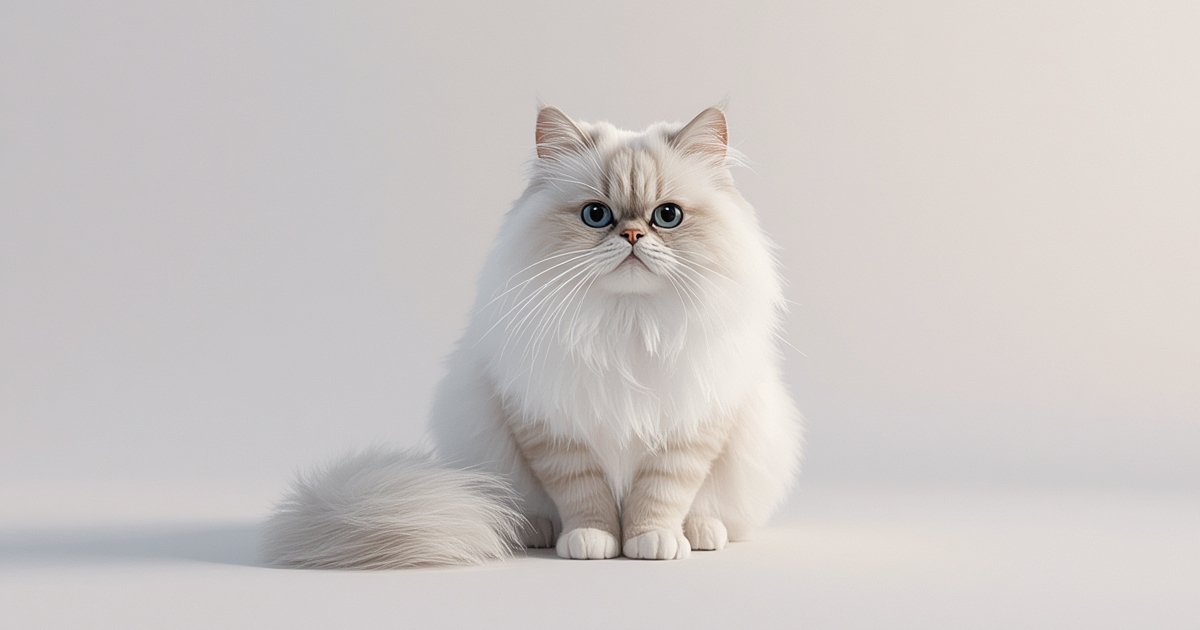
Is your Persian cat subtly unwell? Learn key signs of hidden illness in 2026 for proactive Persian health. Spot behavioral and physical changes early to ensure your beloved feline’s well-being.
The Silent Language of Persian Health: Why Early Detection Matters
Persian cats, with their majestic coats and sweet, docile personalities, are beloved companions in homes around the world. However, their stoic nature often means they are masters at masking discomfort or illness, a survival instinct rooted deep in their feline DNA. Understanding the nuances of Persian health is paramount for any owner, as early detection can significantly impact their quality of life and treatment outcomes. Ignoring subtle changes can lead to advanced stages of conditions that might have been easily manageable if caught sooner.
In 2026, with advancements in veterinary medicine and home monitoring, owners have more tools than ever to keep a vigilant eye on their furry friends. The challenge remains deciphering the quiet signals your Persian might be sending. This article will guide you through recognizing the often-overlooked signs that indicate your cat might be hiding sickness, empowering you to act quickly and effectively for their well-being.
Subtle Behavioral Shifts: Your Persian’s Hidden Clues
Cats, especially Persians, are creatures of habit. Any deviation from their normal routine or personality can be a red flag. These behavioral changes are often the first, and sometimes only, indicators of underlying Persian health issues. Owners must be keen observers, paying close attention to daily interactions and habits.
Changes in Appetite and Thirst
A sudden increase or decrease in food or water intake is a critical sign. A Persian cat that suddenly becomes ravenous might be experiencing conditions like hyperthyroidism or diabetes. Conversely, a loss of appetite, even for their favorite treats, can signal pain, dental issues, kidney disease, or gastrointestinal problems.
Similarly, changes in water consumption are vital. Increased thirst (polydipsia) often accompanies kidney disease, diabetes, or hyperthyroidism. Decreased thirst could indicate nausea, oral pain, or a general feeling of unwellness. Always monitor the water bowl and food dish carefully.
Alterations in Litter Box Habits
The litter box is a window into your Persian’s internal health. Pay close attention to the frequency, volume, and consistency of urine and feces. Any changes here are serious indicators of potential Persian health concerns.
– Frequent urination, straining, or urinating outside the box can point to urinary tract infections, bladder stones, or kidney issues.
– Diarrhea or constipation are both concerning. Diarrhea can signify diet intolerance, parasites, or inflammatory bowel disease. Constipation might suggest dehydration, kidney disease, or blockages.
– Blood in urine or feces is an immediate cause for concern and requires urgent veterinary attention.
Decreased Activity Levels and Hiding
Persian cats are not typically as overtly playful as some other breeds, but they do have their routines. A noticeable decrease in their usual play, exploration, or interaction can be a significant sign of discomfort. If your cat stops jumping on their favorite perch or no longer greets you at the door, investigate further.
Hiding more than usual is a classic feline response to pain or illness. Cats instinctively seek secluded spots when they feel vulnerable. If your social Persian suddenly becomes reclusive, spends more time under the bed, or avoids interaction, it’s a strong indicator that something is amiss with their Persian health.
Changes in Grooming Habits
Persians are known for their meticulous grooming, essential for maintaining their long, luxurious coats. Any change in this behavior is noteworthy. Over-grooming in a specific area could indicate pain, allergies, or skin irritation. Conversely, a sudden lack of grooming can point to joint pain that makes it difficult to reach certain spots, dental pain, or simply a general malaise due to illness.
A matted, greasy, or dirty coat is a clear sign that your Persian is not feeling well enough to groom themselves properly. This can be a sign of anything from arthritis to diabetes. Similarly, persistent licking or chewing at a particular body part warrants investigation.
Physical Indicators Not to Ignore: Beyond the Fluff
While behavioral cues are often subtle, physical signs can be more direct indicators of a struggling Persian. These require a careful, hands-on approach during your regular interactions with your cat. The thick fur of a Persian can easily conceal weight loss, lumps, or skin issues, making thorough checks even more crucial for maintaining excellent Persian health.
Coat and Skin Condition
Beyond grooming habits, the actual condition of the coat and skin can reveal a lot. A dull, dry, or excessively shedding coat can indicate nutritional deficiencies, hormonal imbalances, or systemic illness. Dandruff or flaky skin might point to allergies or parasites.
Check for any redness, bumps, scabs, or lesions on the skin, especially underneath the dense fur. These could be signs of infections, allergic reactions, ringworm, or even tumors. Regular gentle petting and brushing sessions are excellent opportunities for these checks.
Eye and Nose Discharge
Persian cats are predisposed to various eye issues due to their brachycephalic (flat) faces. Tear staining is common, but excessive tearing, thick or colored discharge, redness, squinting, or cloudiness in the eyes are not normal. These can indicate infections, allergies, corneal ulcers, or even glaucoma.
A clear, watery discharge from the nose might be benign, but thick, colored, or persistent nasal discharge, especially if accompanied by sneezing or breathing difficulties, suggests respiratory infections or other serious conditions.
Breathing and Oral Health
Observe your Persian’s breathing pattern. Rapid, shallow breathing, open-mouth breathing, or wheezing are all signs of respiratory distress and warrant immediate veterinary attention. These can indicate asthma, fluid in the lungs, or heart conditions.
Oral health is often overlooked but incredibly important. Bad breath (halitosis) is not normal in cats and usually indicates dental disease, which can lead to pain, difficulty eating, and even systemic infections. Check for red or swollen gums, broken or missing teeth, or excessive drooling. Dental issues can drastically impact a cat’s overall Persian health and comfort.
Weight Fluctuations and Lumps
Weight changes, both gain and loss, can signify underlying problems. Rapid weight loss without a change in diet can indicate hyperthyroidism, diabetes, kidney disease, or cancer. Obesity, while seemingly harmless, puts stress on joints and organs, increasing the risk of diabetes and heart disease. Gently feel your cat’s ribs and spine – you should be able to feel them easily but not see them protruding.
During your petting routine, feel for any new lumps, bumps, or swellings anywhere on their body. While many lumps are benign fatty deposits, some can be cancerous. Early detection and biopsy are crucial for effective treatment.
Leveraging Technology for Proactive Persian Health Monitoring
In an increasingly connected world, technology offers valuable assistance in keeping an eye on your Persian’s health, even when you’re not physically present. These tools can help owners spot subtle changes earlier, providing data that can be shared with your veterinarian.
Smart feeders can track precise food intake, showing subtle drops or increases. Pet cameras allow you to monitor activity levels and watch for behavioral shifts. Smart litter boxes can track frequency, weight, and even consistency of eliminations, flagging potential urinary or digestive issues. While not a substitute for veterinary care, these gadgets offer an extra layer of vigilance, aiding in proactive Persian health management.
Comparison of Smart Pet Health Monitors
| Product | Price | Pros | Cons | Best For |
|---|---|---|---|---|
| Smart Pet Feeder X | $120 – $180 | Automated feeding schedules, portion control, tracks food intake, app notifications. | Requires Wi-Fi, battery life can vary, some models are difficult to clean. | Owners needing precise feeding schedules and consumption tracking. |
| AI Pet Camera with Health Alerts | $150 – $250 | 24/7 monitoring, two-way audio, motion detection, behavior anomaly alerts, temperature/humidity sensor. | Privacy concerns, subscription required for advanced features, can miss subtle signs without AI analysis. | Monitoring activity, vocalizations, and home environment for behavioral changes. |
| Smart Litter Box Pro | $400 – $700 | Automatic cleaning, tracks weight, frequency, and elimination patterns, odor control, health reports. | High initial cost, requires specific litter, larger footprint than standard boxes, requires regular maintenance. | Owners wanting detailed insights into urinary and bowel health trends. |
| Wearable Pet Activity Tracker Z | $80 – $150 | Monitors activity levels, sleep patterns, estimates calorie burn, waterproof, long battery life. | Can be uncomfortable for some cats, data interpretation requires owner insight, potential for loss. | Tracking overall activity, sleep quality, and detecting significant changes in energy levels. |
Common Persian Ailments: What to Watch Out For
Due to their unique genetics and distinctive physical features, Persian cats are predisposed to several specific health conditions. Being aware of these breed-specific challenges is vital for maintaining optimal Persian health throughout their lives. Knowledge empowers owners to recognize symptoms promptly and seek appropriate veterinary care.
Brachycephalic Airway Syndrome (BAS)
Persians’ characteristic flat faces, while charming, can lead to respiratory difficulties. BAS is a collective term for several anatomical abnormalities that obstruct the upper airway.
– **Symptoms to watch for:** Snoring, noisy breathing, labored breathing (especially after exercise or in heat), open-mouth breathing, coughing, gagging, or collapsing.
– **Impact on Persian Health:** This condition can lead to chronic oxygen deprivation, heatstroke, and secondary heart problems. Surgical correction can often improve their quality of life significantly.
Polycystic Kidney Disease (PKD)
PKD is a hereditary disease common in Persian cats, characterized by the development of multiple cysts in the kidneys. These cysts grow over time, eventually compromising kidney function.
– **Symptoms to watch for:** Increased thirst, increased urination, weight loss, poor appetite, lethargy, vomiting. These signs typically appear in middle to later life (around 7 years old).
– **Impact on Persian Health:** Early diagnosis through ultrasound allows for management strategies (dietary changes, fluid therapy) to slow the progression of the disease and improve comfort, though there is no cure. Genetic testing can identify carriers.
Hypertrophic Cardiomyopathy (HCM)
HCM is the most common heart disease in cats, leading to the thickening of the heart muscle. While it can affect any cat, Persians are among the breeds with a higher predisposition.
– **Symptoms to watch for:** Often asymptomatic in early stages. Later signs may include lethargy, decreased appetite, difficulty breathing, open-mouth breathing, hind leg weakness or paralysis (due to blood clots).
– **Impact on Persian Health:** Regular veterinary check-ups that include listening to the heart for murmurs are crucial. An echocardiogram is the definitive diagnostic tool. Management focuses on slowing disease progression and preventing complications.
Dental Disease
While not exclusive to Persians, their facial structure can sometimes contribute to dental crowding, making them more susceptible to periodontal disease.
– **Symptoms to watch for:** Bad breath, red or swollen gums, difficulty eating, drooling, pawing at the mouth, visible tartar on teeth, missing teeth.
– **Impact on Persian Health:** Untreated dental disease is painful and can lead to systemic infections affecting the heart, kidneys, and liver. Regular dental care, including professional cleanings and at-home brushing, is key.
Eye Conditions
Persians’ prominent eyes are prone to several issues.
– **Symptoms to watch for:** Excessive tearing (epiphora), conjunctivitis (inflammation of the pink membranes around the eye), corneal ulcers (due to irritation from hair or foreign bodies), entropion (inward-rolling eyelids).
– **Impact on Persian Health:** These conditions can cause discomfort, pain, and if left untreated, vision impairment or loss. Regular cleaning of tear stains and prompt veterinary attention for any eye irritation are essential.
The Role of Regular Vet Checks and Proactive Care
While astute observation at home is invaluable, it is not a substitute for professional veterinary care. Regular check-ups are the cornerstone of proactive Persian health management, enabling early detection and prevention of serious conditions. Your veterinarian can identify subtle changes you might miss and conduct diagnostic tests that provide a complete picture of your cat’s well-being.
Importance of Routine Veterinary Examinations
Schedule annual wellness exams for your adult Persian cat, and more frequent visits for kittens and senior cats (typically every 6 months after age 7-8). These visits allow your vet to perform a thorough physical examination, including listening to the heart and lungs, palpating the abdomen, checking teeth and gums, and assessing overall body condition.
During these visits, discuss any changes you’ve observed, no matter how minor they seem. Your observations, combined with the vet’s expertise, create the most comprehensive approach to your cat’s Persian health journey. Diagnostic tests like blood work, urinalysis, and sometimes imaging (X-rays or ultrasound) may be recommended, especially as your cat ages, to screen for common age-related diseases.
Preventive Measures and Lifestyle Adjustments
Many Persian health issues can be mitigated or managed with proactive care at home.
– **Nutrition:** Feed a high-quality, balanced diet appropriate for your cat’s age and activity level. Consult your vet for dietary recommendations, especially if your cat has specific health concerns or is prone to obesity.
– **Grooming:** Daily grooming is essential for Persians to prevent matting, which can be painful and lead to skin infections. Regular brushing also helps reduce hairballs and provides an opportunity for you to check their skin and body for any abnormalities.
– **Dental Care:** Implement an at-home dental care routine, such as brushing with feline-specific toothpaste, using dental treats, or water additives, to complement professional dental cleanings.
– **Weight Management:** Maintain a healthy weight for your Persian to reduce the risk of diabetes, arthritis, and heart disease. Use portion control and encourage gentle play.
– **Enrichment:** Provide a stimulating environment with toys, scratching posts, and safe climbing opportunities. Mental and physical exercise contributes significantly to overall well-being.
– **Parasite Control:** Follow your veterinarian’s recommendations for year-round flea, tick, and heartworm prevention.
Taking a proactive stance on your Persian’s health involves a partnership between you and your veterinary team. By combining diligent home observation with regular professional care, you can ensure your beloved companion lives the longest, happiest, and healthiest life possible.
Understanding the subtle cues your Persian cat gives you is crucial for their well-being. From changes in appetite and litter box habits to alterations in their magnificent coat or breathing patterns, every detail matters. Persian cats are adept at concealing pain, making your role as a vigilant observer indispensable. Leveraging modern tools like smart pet monitors can offer an added layer of surveillance, helping you gather data that might indicate a developing issue. Remember the breed-specific conditions, such as Brachycephalic Airway Syndrome, PKD, and HCM, and understand their symptoms. Ultimately, consistent home care, including grooming, nutrition, and dental hygiene, coupled with routine veterinary check-ups, forms the bedrock of excellent Persian health. Do not hesitate to contact your veterinarian if you notice any concerning changes in your cat’s behavior or physical condition. Early intervention can make all the difference in ensuring your cherished feline companion thrives for years to come.
For more personalized advice regarding your Persian’s health, contact your local veterinary clinic. They can provide guidance tailored to your cat’s specific needs and conditions.
Frequently Asked Questions (FAQ)
How often should a Persian cat visit the vet?
Adult Persian cats should have annual wellness check-ups. Kittens require more frequent visits for vaccinations, and senior Persians (typically over 7-8 years old) benefit from semi-annual check-ups to monitor for age-related conditions.
Are Persian cats prone to specific eye problems?
Yes, due to their brachycephalic facial structure, Persians are prone to excessive tearing (epiphora), conjunctivitis, corneal ulcers, and entropion (inward-rolling eyelids). Regular cleaning and veterinary attention for any irritation are important.
What are the first signs of a Persian cat hiding pain?
Subtle behavioral changes are often the first signs. These can include decreased activity, hiding more than usual, changes in appetite or thirst, alterations in litter box habits, a reduction in grooming, or becoming less interactive.
Can a Persian cat’s breathing problems be serious?
Yes, Persian cats are prone to Brachycephalic Airway Syndrome, which can cause significant breathing difficulties, including snoring, noisy breathing, and open-mouth breathing. Severe cases require veterinary intervention and potentially surgery.
How can I tell if my Persian cat is losing weight under their thick fur?
Regularly feel your cat’s ribs and spine during petting or grooming. You should be able to feel their ribs easily but not see them protruding. Any noticeable decrease in muscle mass or a bony feel can indicate weight loss. Consistent weight checks at home or during vet visits are also helpful.
Leave a Reply