

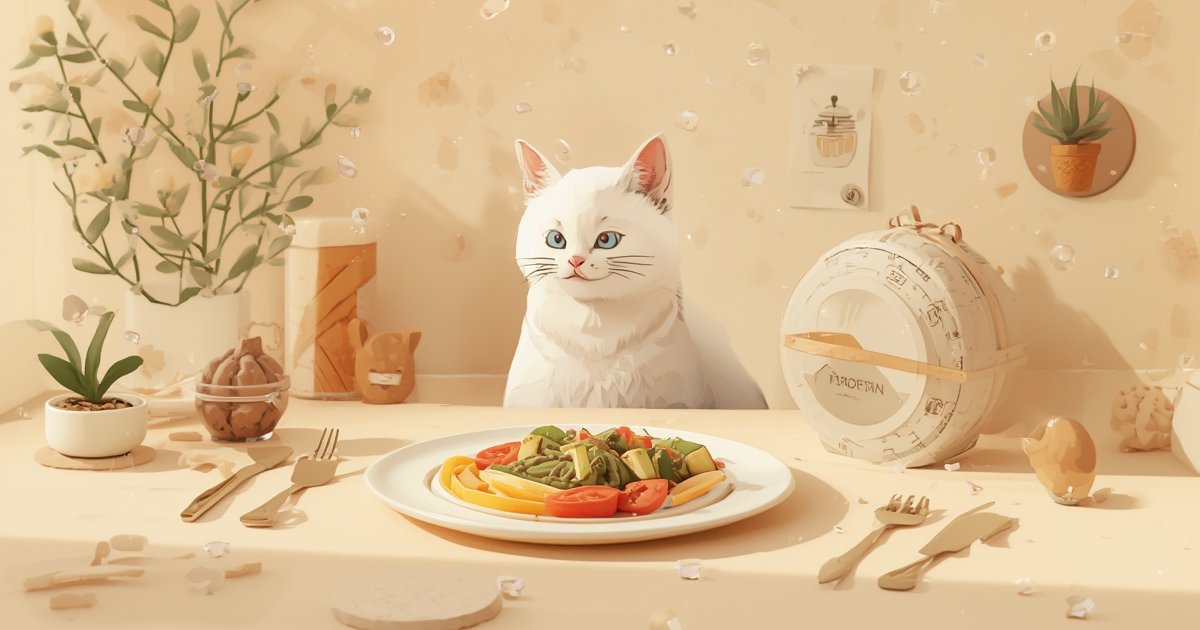
Unlock secrets to optimal Persian nutrition for a long, healthy life. Discover ideal diets, essential nutrients, and common feeding mistakes to keep your feline purring.
Understanding the Unique Nutritional Needs of Persian Cats
The regal Persian cat, renowned for its luxurious long coat and sweet disposition, possesses unique physiological characteristics that demand a specialized approach to their diet. Proper Persian nutrition is not merely about feeding; it’s about providing the specific building blocks for their health, supporting their distinctive features, and preventing common breed-specific issues. Their brachycephalic (flat) facial structure, for instance, affects how they eat, while their long hair requires extra dietary support to prevent hairballs.
Unlike other breeds, a Persian’s slower metabolism and propensity for certain health conditions, such as polycystic kidney disease and hypertrophic cardiomyopathy, mean their diet plays an even more critical role. Tailoring their food intake to these specific needs ensures they thrive, maintaining their iconic beauty and robust health throughout their lives. Recognizing these fundamental requirements is the first step toward a purr-fect plate for your cherished companion.
The Cornerstones of a Balanced Persian Nutrition Plan
Building an optimal diet for your Persian involves balancing several key nutritional components. These cornerstones ensure your cat receives all necessary nutrients for energy, growth, maintenance, and disease prevention. Without these, even the most expensive food might fall short of providing complete Persian nutrition.
High-Quality Animal Protein
Cats are obligate carnivores, meaning their bodies are designed to derive nutrients primarily from animal sources. For Persians, high-quality animal protein is paramount. This should come from easily digestible sources like chicken, turkey, fish, or lamb. Look for foods where meat is listed as the first ingredient, not meat by-products or plant-based proteins.
Protein provides essential amino acids, such as taurine, which is critical for heart health and vision. A deficiency in taurine can lead to serious health problems, making its presence in their diet non-negotiable. Aim for diets with at least 30-40% protein content from animal sources.
Healthy Fats for Coat and Skin Health
Fats are not just an energy source; they are vital for nutrient absorption, hormone production, and maintaining your Persian’s signature luxurious coat. Essential fatty acids, particularly Omega-3 and Omega-6, are crucial for healthy skin, a shiny coat, and reducing inflammation. Sources like fish oil, flaxseed oil, and chicken fat are beneficial.
A lack of these healthy fats can lead to dry, flaky skin, a dull coat, and excessive shedding, detracting from their magnificent appearance. Omega fatty acids also play a role in cognitive function and joint health, important for older Persians.
Limited Carbohydrates and Fillers
While cats can process some carbohydrates, their digestive systems are not optimized for large amounts. Excessive carbohydrates, especially from grains like corn, wheat, or soy, can contribute to weight gain, digestive upset, and potentially diabetes. Opt for foods with minimal carbohydrate content, preferably from easily digestible sources like peas or sweet potatoes, if present at all.
Avoid foods with numerous fillers, artificial colors, flavors, or preservatives. These additives offer no nutritional value and can sometimes trigger allergies or sensitivities in susceptible cats.
Vitamins, Minerals, and Water
A complete and balanced diet should provide all necessary vitamins and minerals in appropriate ratios. These micronutrients support everything from bone health to immune function. Ensuring your Persian has constant access to fresh, clean water is equally critical. Cats often have a low thirst drive, so incorporating wet food into their diet can help increase their fluid intake, crucial for kidney health.
Consider using ceramic or stainless steel water bowls, which are easier to keep clean and don’t leach chemicals like some plastics. Some Persians prefer moving water, so a pet drinking fountain can be an excellent investment.
Navigating Food Choices: Wet vs. Dry vs. Raw for Persian Nutrition
The market offers a bewildering array of cat food options, making it challenging to decide what’s best for your Persian. Each type—wet, dry, and raw—has its pros and cons, and understanding them is key to making an informed decision for optimal Persian nutrition.
Dry Kibble: Convenience with Caveats
Dry kibble is popular for its convenience, longer shelf life, and affordability. It can also help keep teeth clean to some extent by scraping off plaque. However, many dry foods are high in carbohydrates and low in moisture, which can be problematic for cats prone to dehydration and urinary tract issues.
If feeding kibble, choose a high-quality, grain-free formula with animal protein as the primary ingredient. Ensure your Persian has ample fresh water available at all times. Some vets suggest adding water to kibble to increase moisture intake, though this might not appeal to all cats.
Wet Food: Hydration and Palatability
Wet food (canned or pouches) is an excellent choice for Persians due to its high moisture content (around 70-80%). This significantly contributes to their daily hydration, supporting kidney and urinary tract health. It’s often more palatable, which is beneficial for picky eaters. Wet food also tends to be lower in carbohydrates and higher in protein, aligning better with a cat’s carnivorous needs.
The downside can be cost and a shorter shelf life once opened. Always refrigerate unused portions and discard them if left out for too long. Variety in protein sources within wet food can prevent nutritional imbalances and keep meal times interesting.
Raw Food (BARF Diet): Mimicking Nature
The Biologically Appropriate Raw Food (BARF) diet aims to replicate what a cat would eat in the wild: raw meat, bones, and organs. Proponents argue it offers superior nutrition, leading to improved coat health, energy levels, and digestion. However, raw feeding requires meticulous preparation to ensure nutritional completeness and to mitigate the risks of bacterial contamination (like Salmonella or E. coli).
If considering a raw diet, consult with a veterinarian or a certified feline nutritionist. It’s crucial to ensure the diet is balanced with the correct ratios of nutrients and handled safely to prevent illness in both your cat and your household. Commercial raw food options are available, often frozen, which can simplify preparation while still requiring careful handling.
Comparing Popular Cat Food Types for Persians
When selecting food, it’s not just about type but also quality. Here’s a brief comparison to help guide your choice:
Comparison of Cat Food Types
| Product Type | Pros | Cons | Best For |
|---|---|---|---|
| High-Quality Dry Kibble | Convenient, cost-effective, aids dental health. | Lower moisture, can be high in carbs, less palatable for some. | Owners seeking convenience, cats with good hydration habits. |
| Premium Wet Food | High moisture content, highly palatable, low carbs, high protein. | More expensive, shorter shelf life once opened, can be messy. | Cats needing extra hydration, picky eaters, promoting kidney health. |
| Balanced Raw Food (BARF) | Mimics natural diet, potentially superior nutrient absorption, excellent coat health. | High cost, requires careful handling to prevent contamination, time-consuming preparation. | Owners committed to natural feeding, cats with sensitivities to processed foods. |
Addressing Specific Dietary Concerns for Persian Cats
Beyond general nutrition, several specific considerations can significantly impact the long-term health of your Persian. Proactive dietary management can mitigate these risks.
Hairball Management Through Diet
Persians are notorious for hairballs due to their long, dense coats. While regular grooming is essential, diet plays a crucial role. Look for foods formulated with natural fibers (like psyllium husk or beet pulp) that help ingested hair pass through the digestive system. Omega fatty acids also improve skin and coat health, reducing excessive shedding.
Weight Management and Obesity Prevention
Persians can be prone to obesity, especially if they lead sedentary lifestyles. Obesity increases the risk of diabetes, joint problems, and heart disease. Monitor your cat’s weight and adjust portion sizes accordingly. Your veterinarian can help you determine an ideal weight range and feeding plan.
Measuring food portions accurately is vital, rather than free-feeding. Consider interactive feeders to slow down eating and provide mental stimulation. A diet rich in protein and fiber, with controlled fat, can help maintain a healthy weight.
Dental Health Considerations
Despite the myth, dry kibble doesn’t always prevent dental disease effectively. The best approach combines daily dental hygiene (brushing), regular vet check-ups, and dental-specific treats or foods. Some dental-formulated kibbles have a unique texture that helps clean teeth more effectively. However, a diet high in moisture (wet food) is generally beneficial for overall oral health by flushing the mouth.
Brachycephalic Feeding Challenges
The flat face of a Persian can make eating from traditional bowls difficult, leading to food spillage and frustration. Invest in shallow, wide bowls, or angled dishes designed for brachycephalic breeds. This allows them to eat more comfortably without irritating their whiskers or pushing food around excessively. This thoughtful approach to their eating experience is a vital part of good Persian nutrition.
Supplements and Hydration: Boosting Your Persian’s Health
While a complete and balanced diet is the foundation, sometimes supplements can offer targeted support, and consistent hydration is always crucial for robust Persian nutrition.
When to Consider Supplements
Supplements should never replace a balanced diet but can complement it under veterinary guidance.
– **Omega-3 Fatty Acids:** Often recommended for coat health, reducing inflammation, and supporting joint and cognitive function. Fish oil is a common source.
– **Probiotics:** Can aid digestion, especially during times of stress, antibiotic use, or digestive upset. They promote a healthy gut microbiome.
– **Hairball Control Supplements:** If dietary fiber alone isn’t enough, specific hairball gels or treats can help.
– **Joint Support:** For older Persians or those with a predisposition to joint issues, supplements containing glucosamine and chondroitin might be beneficial.
Always consult your veterinarian before introducing any new supplements to ensure they are safe, appropriate, and dosed correctly for your individual cat’s needs.
The Critical Role of Hydration
Cats, by nature, often don’t drink enough water, a trait inherited from their desert-dwelling ancestors who got most of their moisture from prey. For Persians, who are prone to kidney and urinary tract issues, adequate hydration is paramount.
– **Fresh Water Access:** Always provide multiple bowls of fresh, clean water in different locations.
– **Water Fountains:** Many cats are attracted to moving water, making a pet fountain an excellent way to encourage drinking.
– **Wet Food:** Incorporating wet food into their daily diet is the most effective way to increase moisture intake.
– **Flavoring Water (Carefully):** A tiny splash of tuna juice (in water, not oil), or low-sodium chicken broth can sometimes entice a reluctant drinker, but do so sparingly to avoid creating a picky preference.
Proper hydration helps flush toxins from the body, supports organ function, and can significantly reduce the risk of urinary crystals and kidney disease. It’s an often-overlooked but critical component of holistic Persian nutrition.
Common Feeding Mistakes to Avoid
Even with the best intentions, owners can inadvertently make feeding mistakes that impact their Persian’s health. Being aware of these pitfalls can help you maintain optimal Persian nutrition.
– **Overfeeding:** Free-feeding (leaving food out all day) or misjudging portion sizes often leads to obesity. Measure food carefully according to your cat’s age, weight, and activity level.
– **Underfeeding:** While less common, underfeeding can lead to nutrient deficiencies and weight loss. Ensure your cat is consuming appropriate calories and nutrients.
– **Ignoring Dental Health:** Relying solely on kibble for dental health is insufficient. A lack of dental care can lead to painful dental disease, impacting overall health.
– **Frequent Diet Changes:** Cats thrive on consistency. Frequent changes can upset their digestive system. If a diet change is necessary, do so gradually over 7-10 days.
– **Feeding Human Food:** Many human foods are toxic to cats (e.g., chocolate, onions, garlic) or simply unhealthy due to high fat, sugar, or sodium content. Stick to cat-specific foods and treats.
– **Neglecting Water Intake:** As discussed, assuming your cat drinks enough from a bowl is a common error. Actively encourage and monitor their hydration.
– **Buying Cheap, Low-Quality Food:** While budget is a factor, very inexpensive foods often contain fillers and low-quality protein sources that do not provide adequate Persian nutrition. Investing in higher quality food can save on vet bills in the long run.
By avoiding these common mistakes, you can ensure your Persian receives the consistent, high-quality care their unique needs demand.
Providing optimal Persian nutrition is one of the most significant ways you can contribute to your beloved cat’s long-term health and happiness. From understanding their unique physiological needs to carefully selecting the right food type, managing specific health concerns, and ensuring proper hydration, every decision you make regarding their diet is crucial. A well-nourished Persian will exhibit a magnificent coat, sparkling eyes, energetic playfulness, and a contented purr. Take the time to research, consult with your veterinarian, and observe your cat’s response to their diet to fine-tune their nutritional plan. Investing in their diet now will pay dividends in a lifetime of health and companionship. For further questions or to discuss your Persian’s dietary needs, contact us today!
Frequently Asked Questions About Persian Cat Nutrition
What is the best type of food for a Persian cat?
The “best” food often depends on individual preference and health needs, but generally, a high-quality wet food is highly recommended due to its high moisture content, which supports kidney and urinary health. Look for options with animal protein as the primary ingredient and minimal fillers.
How often should I feed my Persian cat?
Most adult Persian cats benefit from being fed two to three times a day. Kittens require more frequent meals. It’s best to establish a consistent feeding schedule rather than free-feeding to help manage weight and monitor food intake.
Are grain-free diets necessary for Persian cats?
While not all cats require a grain-free diet, many Persians thrive on them as they tend to be lower in carbohydrates and higher in animal protein, which aligns better with their carnivorous needs. If your Persian has sensitivities or allergies, a grain-free diet might be particularly beneficial.
How can I prevent hairballs in my Persian through diet?
Dietary strategies for hairball prevention include feeding foods formulated with natural fibers (like psyllium) to help hair pass through the digestive system. Adequate healthy fats (Omega-3s) can also improve coat health and reduce excessive shedding. Regular grooming remains essential.
Can I give my Persian cat human food?
It’s generally best to avoid feeding human food as many items are harmful or lack the balanced nutrition cats need. Stick to cat-specific foods and treats. If you want to offer a treat, small amounts of plain cooked chicken or fish (without seasoning) can be given sparingly.
References and Further Reading
– PetMD: Nutrition for Cats (https://www.petmd.com/cat/nutrition)
– Cornell Feline Health Center: Nutritional Needs of Cats (https://www.vet.cornell.edu/departments-centers-and-institutes/cornell-feline-health-center/health-information/periodical-articles/feline-health-topics/nutritional-needs-cats)
– American Veterinary Medical Association: Raw or Undercooked Animal-Source Protein in Cat and Dog Diets (https://www.avma.org/resources-tools/animal-health-welfare/raw-or-undercooked-animal-source-protein-cat-and-dog-diets)
Leave a Reply