

Meta Description: Unlock the secrets to a perfect Persian coat! Discover essential grooming tips, diet hacks, and tools to maintain your cat’s luxurious, tangle-free fur. Keep your Persian looking regal!
Understanding the Unique Needs of the Persian Coat
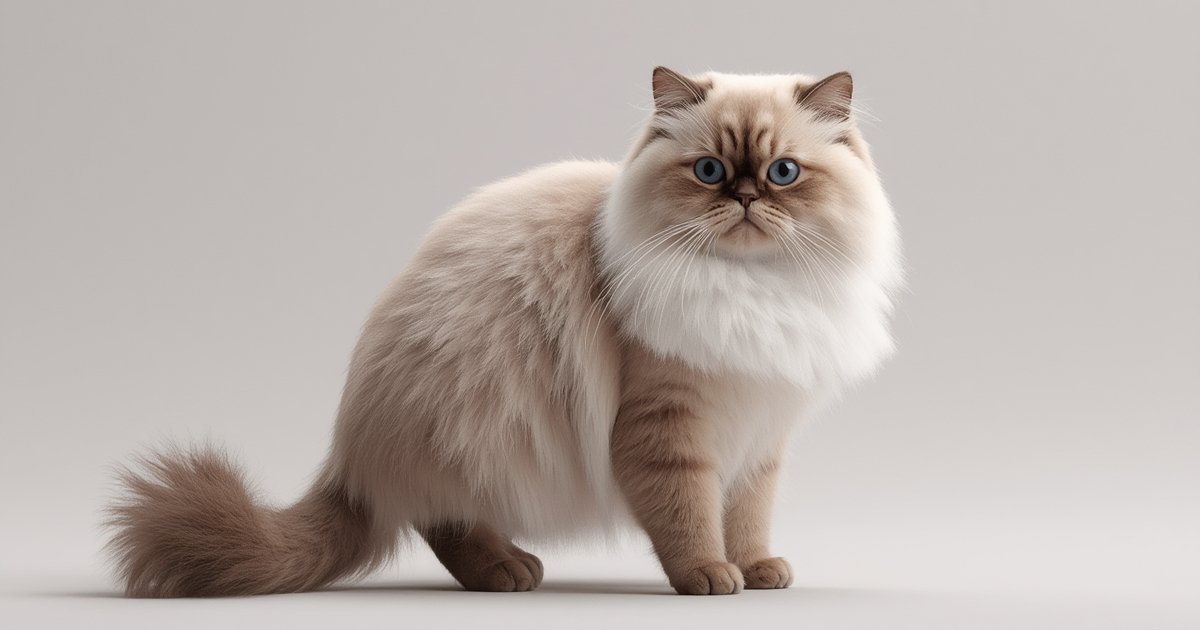
The Persian cat, with its distinctive flat face and captivating eyes, is renowned globally for its opulent, long, flowing fur. This luxurious Persian coat is a hallmark of the breed, a dense double layer that is incredibly soft to the touch but equally demanding to maintain. Unlike many short-haired breeds, the Persian’s coat requires dedicated attention to prevent matting and ensure its health and beauty.
Understanding the unique structure of this magnificent fur is the first step toward flawless grooming. Its long guard hairs and thick undercoat are prone to tangles and knots, especially in areas like the armpits, behind the ears, and around the ruff. Without consistent care, these small tangles can quickly escalate into painful mats that pull on the skin and can lead to skin infections.
Furthermore, the Persian coat is a reflection of your cat’s overall health. A dull, greasy, or shedding coat can often be an indicator of underlying dietary deficiencies, stress, or even medical issues. Therefore, maintaining a pristine coat goes beyond aesthetics; it’s a vital part of your Persian’s well-being.
The Daily Grooming Ritual: Brushing for Brilliance
Consistent brushing is the cornerstone of keeping a Persian cat’s coat flawless. It’s not merely about aesthetics; it’s a preventative measure against mats, a bonding experience, and an opportunity to check your cat for any skin issues or parasites. A daily brushing routine is non-negotiable for these magnificent felines.
Start your grooming sessions when your Persian is calm and relaxed, perhaps after a nap or a meal. Make it a positive experience with gentle strokes and plenty of praise. Short, frequent sessions are often more effective than long, infrequent ones, especially for kittens or cats new to grooming.
Essential Brushing Techniques for the Persian Coat
The goal is to gently remove loose hair and prevent tangles from forming. Different areas of the body require specific approaches due to varying hair lengths and sensitivity.
- Start with a Wide-Toothed Comb: Begin by gently combing through the entire coat, working section by section. This helps to detangle any larger knots without pulling on the skin. Always hold the hair close to the skin when working on a tangle to minimize discomfort.
- Follow with a Slicker Brush: Once the coat is free of major tangles, use a slicker brush to remove loose undercoat hair. Brush in the direction of hair growth, using light, even strokes. Pay extra attention to high-friction areas such as the belly, legs, and behind the ears, where mats are most common.
- Line Brushing Method: For a truly thorough brush, use the “line brushing” technique. Part the hair horizontally, starting from the bottom of the cat’s body (e.g., the belly or legs). Brush down through the exposed section of hair, making sure to reach the skin. Work your way up the cat’s body, parting new sections of hair as you go. This ensures every strand of the Persian coat is brushed.
- Focus on the Face and Tail: Use a smaller comb, like a flea comb, around the delicate facial areas and for the distinctive ruff. The tail, while beautiful, can be sensitive, so be extra gentle here, using the wide-toothed comb first.
Comparison of Essential Grooming Tools for a Persian Coat
Investing in the right tools makes a significant difference in the effectiveness and ease of your grooming routine. Here’s a comparison of key tools every Persian owner should consider.
| Product | Price | Pros | Cons | Best For |
|---|---|---|---|---|
| Slicker Brush (e.g., Chris Christensen Big G) | $40-$70 | Excellent for removing undercoat and preventing mats. Gentle wire pins with protective tips. Durable construction. | Higher price point. Can be too harsh if used improperly or with too much pressure. | Daily general detangling and undercoat removal for a luxurious Persian coat. |
| Wide-Toothed Metal Comb (e.g., Andis Pet Grooming Comb) | $10-$25 | Ideal for initial detangling, working through knots, and checking for mats. Gentle on sensitive skin. | Less effective for removing fine, loose undercoat. May not catch all small tangles. | Initial pass for large tangles, delicate areas, and fluffing the Persian coat. |
| Mat Rake/Dematter Tool (e.g., Safari Dematting Comb) | $15-$30 | Specifically designed blades to safely cut through severe mats without pulling healthy fur. Essential for emergency mat removal. | Requires careful technique to avoid nicking the skin. Not for regular use; only for existing mats. | Addressing stubborn, severe mats that cannot be combed out safely. |
Bathing Your Persian: A Spa Day, Not a Chore
While daily brushing keeps most tangles at bay, regular bathing is essential for maintaining the pristine cleanliness and silkiness of the Persian coat. Persians should be bathed approximately every 4-6 weeks, or more frequently if they get particularly dirty or have specific skin conditions. Regular bathing helps to remove dirt, excess oils, and loose hair, which contributes to a healthier and more manageable coat.
Preparing for a Successful Bath
Preparation is key to a stress-free bathing experience for both you and your cat. Gather all your supplies beforehand, including towels, shampoo, conditioner, and a non-slip mat for the tub.
- Pre-Brush Thoroughly: NEVER bathe a matted cat. Water will tighten mats, making them impossible to remove without shaving. Always brush out all tangles and mats *before* the bath.
- Use Cat-Specific Products: Invest in high-quality cat shampoo and conditioner. Human products can dry out their skin and coat. Look for formulas designed for long-haired cats or those with moisturizing properties.
- Ensure a Comfortable Environment: Close doors to prevent escapes. Use warm (not hot) water. A non-slip mat in the tub or sink will help your cat feel more secure.
- Protect Eyes and Ears: Gently place cotton balls in your cat’s ears to prevent water from entering. Apply a small amount of ophthalmic ointment around their eyes to shield them from shampoo.
The Bathing Process
Approach the bath with a calm, reassuring demeanor. Your cat will pick up on your anxiety.
- Wet the Coat Gradually: Use a handheld shower sprayer on a low setting or a cup to gradually wet your cat, starting from the neck down, avoiding the face. Speak softly and reassuringly.
- Apply Shampoo: Dilute the shampoo slightly with water in a separate container, then apply it evenly to the coat. Work it gently into the fur, making sure to reach the skin. Avoid harsh scrubbing, which can create tangles.
- Rinse Thoroughly: This is critical. Residual shampoo can irritate the skin and dull the coat. Rinse until the water runs clear, paying extra attention to the belly and armpits.
- Apply Conditioner: Follow with a cat-specific conditioner. Leave it on for the recommended time (usually a few minutes), then rinse thoroughly. Conditioner helps to detangle, soften, and protect the Persian coat.
- Towel Dry: Gently squeeze excess water from the coat. Wrap your cat in a clean, absorbent towel and pat dry. Avoid vigorous rubbing, which can tangle the fur.
- Blow Dry (Optional but Recommended): For a truly fluffy Persian coat, blow-drying is often necessary. Use a pet-specific dryer or a human dryer on a low, cool setting. Keep the dryer moving constantly to avoid overheating any one spot. Brush through the fur with a slicker brush as you dry, section by section, to prevent tangles and achieve that signature volume.
Nutrition and Supplements for a Healthy Persian Coat from Within
A flawless Persian coat isn’t just about external grooming; it’s a direct reflection of your cat’s internal health and nutrition. What you feed your Persian plays a monumental role in the luster, strength, and overall condition of their fur. A high-quality diet provides the building blocks necessary for healthy skin and hair growth.
The Importance of a Balanced Diet
Ensure your Persian’s diet is rich in high-quality animal protein, essential fatty acids, vitamins, and minerals. Avoid foods with excessive fillers, artificial colors, or by-products, as these can lead to deficiencies that manifest in a dull or unhealthy coat.
- High-Quality Protein: Protein is crucial for hair growth, as hair is primarily composed of protein (keratin). Look for cat foods where animal protein (chicken, fish, turkey) is the first ingredient.
- Essential Fatty Acids: Omega-3 and Omega-6 fatty acids are vital for skin and coat health. They help to maintain skin hydration, reduce inflammation, and promote a shiny, soft coat. Fish oil (salmon, sardine) is an excellent source of Omega-3s.
- Vitamins and Minerals: Biotin, zinc, vitamin A, and vitamin E are particularly important for skin and coat health. Ensure your cat’s food is fortified with these nutrients.
Supplements for an Optimal Persian Coat
Even with a good diet, some Persians can benefit from targeted supplements, especially those with specific coat issues or during periods of heavy shedding. Always consult your veterinarian before introducing any new supplements to your cat’s diet.
- Omega Fatty Acid Supplements: Fish oil, krill oil, or flaxseed oil can be added to their food. These supplements significantly improve coat shine, reduce dryness, and can help alleviate skin irritation. Look for reputable brands that provide clear dosage instructions.
- Biotin Supplements: Biotin is a B vitamin known for its role in hair and skin health. It can help strengthen hair strands and reduce brittleness, contributing to a thicker, more resilient Persian coat.
- Digestive Enzymes/Probiotics: A healthy gut can lead to a healthy coat. If your cat has digestive issues, improving gut health with probiotics can indirectly benefit their skin and fur by enhancing nutrient absorption.
- Hairball Control Formulas: Persians are prone to hairballs due to their extensive self-grooming. Hairball control diets or supplements, often rich in fiber, help to move ingested hair through the digestive tract, preventing blockages and reducing strain on their system, which can indirectly impact overall coat health.
Tackling Common Coat Challenges: Mats, Tangles, and Shedding
Even with the most diligent routine, Persian cats can occasionally face common coat challenges. Understanding how to address these issues effectively can prevent them from escalating and ensure your cat remains comfortable and beautiful. The key is early detection and gentle intervention.
Dealing with Mats and Tangles
Mats are dense clumps of fur that become tightly intertwined, pulling on the skin and causing pain. They can range from small knots to large, hardened felt-like patches.
- Prevention is Best: As mentioned, daily brushing is your primary defense. Pay close attention to high-friction areas like the armpits, belly, and behind the ears.
- Work on Small Tangles Gently: For minor tangles, use a wide-toothed comb and a mat-splitting spray or cornstarch. Sprinkle a small amount of cornstarch on the tangle, gently work it in, and then use the comb to tease the strands apart, working from the outside of the tangle inwards.
- Use a Mat Dematter/Rake for Tougher Mats: If a tangle is too tight for a comb, a mat dematter tool with sharp, inwardly curved blades can help. Use extreme caution and always hold the mat at the base, close to the skin, to prevent pulling. Work slowly and in small sections.
- When to Seek Professional Help: For severe, large, or numerous mats, it’s always best to consult a professional groomer or veterinarian. Attempting to remove extensive mats at home can be painful for your cat and may result in accidental cuts to the skin. Professional groomers have specialized tools and expertise for safe mat removal, often requiring a full or partial shave-down.
Managing Excessive Shedding
Persians shed year-round, with heavier shedding periods in spring and fall as they adjust their undercoat for seasonal temperature changes. While some shedding is normal, excessive shedding can be a concern.
- Regular Deshedding: Implement regular deshedding sessions with a slicker brush and a deshedding tool (like a Furminator, used sparingly and gently) to remove loose undercoat. This reduces the amount of hair shed around your home and ingested by your cat.
- Dietary Support: Ensure your cat is on a high-quality diet rich in Omega fatty acids. These nutrients promote strong hair follicles and can reduce excessive shedding.
- Hydration: Adequate water intake is important for overall health, including skin and coat condition. Ensure fresh water is always available.
- Monitor for Health Issues: Sudden or excessive shedding, especially accompanied by dull fur, bald patches, or skin irritation, could indicate an underlying health problem (e.g., parasites, allergies, thyroid issues, stress). Consult your veterinarian if you notice any unusual changes in your Persian coat or shedding patterns.
Professional Grooming: When to Call in the Experts
While DIY grooming is essential, professional grooming is invaluable for Persian cats. A professional groomer can offer services such as full lion clips (shaving the body while leaving the head, paws, and tail fluffy), sanitary clips (trimming hair around the hindquarters to prevent soiling), and thorough deep conditioning treatments. These can be particularly beneficial if your cat struggles with mats, or if you simply want to maintain a consistently tidy Persian coat with expert care.
Maintaining the Regal Aura: Tips for a Lifelong Flawless Persian Coat
Beyond the daily routines and occasional challenges, there are broader practices that contribute to the long-term health and regal appearance of your Persian cat’s coat. A holistic approach encompassing environment, regular health checks, and a consistent, gentle touch will ensure your Persian’s fur remains a source of pride.
Environmental Factors
Your cat’s living environment plays a subtle but significant role in coat health.
- Indoor Environment: Keeping Persians indoors protects their delicate coats from dirt, debris, burrs, and parasites encountered outdoors. This significantly reduces the frequency of intensive cleaning and mat prevention.
- Humidity Control: In very dry climates, static electricity can be an issue, leading to tangled fur. A humidifier can help maintain a comfortable level of moisture in the air, which can benefit skin and coat health.
- Cleanliness: A clean home environment means less dirt and dust transferring onto your cat’s coat, thus helping to keep that beautiful Persian coat cleaner for longer. Regularly vacuuming and dusting can make a difference.
Regular Veterinary Check-ups
Many coat issues are symptoms of underlying health problems. Regular veterinary check-ups are crucial for catching these issues early.
- Parasite Control: Fleas, ticks, and mites can cause intense itching, leading to scratching and chewing that damages the coat and creates mats. Your vet can recommend effective parasite prevention.
- Allergy Management: Food or environmental allergies can manifest as skin irritation, excessive scratching, and poor coat quality. Your vet can help diagnose and manage allergies.
- Thyroid and Hormonal Issues: Imbalances in hormones can significantly impact hair growth and coat texture. A vet can test for and treat these conditions if necessary.
- Dental Health: Surprisingly, poor dental health can affect overall well-being, including the coat. Painful teeth can make grooming difficult for your cat, leading to neglected areas and matting.
The Art of Patience and Positivity
Grooming a Persian cat is an ongoing commitment, not a one-time task. Approach each session with patience, calmness, and positive reinforcement. Over time, your cat will associate grooming with comfort and attention, making the process smoother for both of you.
- Start Early: Introduce grooming tools and routines to kittens as early as possible. Positive early experiences set the stage for a lifetime of cooperative grooming.
- Short, Frequent Sessions: If your cat is resistant, break grooming into very short sessions (a few minutes at a time) and gradually increase the duration as they become more comfortable.
- Treats and Praise: Always reward good behavior with treats, praise, or affection. This positive association reinforces that grooming is a pleasant experience.
By integrating these practices into your Persian cat’s care regimen, you’re not just maintaining a coat; you’re nurturing their health, comfort, and the undeniable regal aura that makes the Persian breed so special. The reward is a happy, healthy cat with a truly flawless Persian coat.
Frequently Asked Questions About Persian Coat Care
Got more questions about keeping your Persian’s coat in tip-top shape? Here are some common queries answered.
How often should I brush my Persian cat’s coat?
Ideally, a Persian cat’s coat should be brushed daily. Their long, dense double coat is highly prone to matting and tangling. Daily brushing helps remove loose hair, prevent knots, and distribute natural oils, keeping the Persian coat healthy and shiny. Even short, 5-10 minute sessions can make a significant difference.
What type of shampoo is best for a Persian cat?
Always use a high-quality cat-specific shampoo and conditioner. Look for formulas designed for long-haired breeds or those that are moisturizing and detangling. Avoid human shampoos, as their pH balance is different and can dry out your cat’s skin and coat. Products with natural ingredients like oatmeal or aloe vera can be soothing for sensitive skin.
Can I use a regular human hairdryer on my Persian cat?
While you can use a human hairdryer, it’s crucial to use it on the lowest heat setting and to keep it moving constantly to avoid burning your cat’s delicate skin. Pet-specific dryers often have cooler temperature settings and less noise, making them more comfortable for cats. Always ensure the air is cool to lukewarm, never hot, and brush as you dry to prevent tangles.
How can I prevent mats from forming in my Persian’s coat?
The best way to prevent mats is through consistent daily brushing, focusing on areas prone to tangles like armpits, behind ears, the ruff, and the belly. Regular bathing with conditioner also helps, as does a high-quality diet rich in Omega fatty acids. Regular sanitary clips around the hindquarters can also prevent mats from forming in soiled areas.
Is it okay to shave my Persian cat’s coat?
Shaving a Persian cat, often called a “lion cut,” is sometimes necessary for severe matting that cannot be safely brushed out, or for medical reasons. It can also be a choice for owners in hot climates to keep their cat cooler or for easier maintenance. If you choose to shave, it’s best done by a professional groomer or veterinarian to ensure safety and a proper cut. Note that it can take several months for the full Persian coat to grow back, and its texture might change slightly.
Leave a Reply