

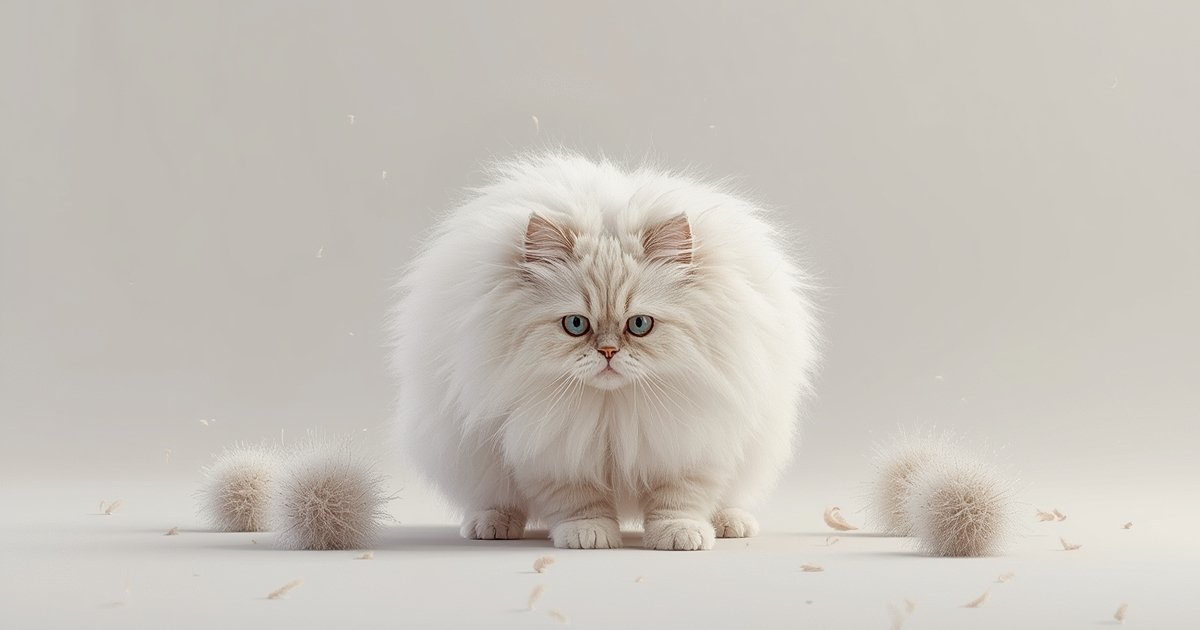
Prevent Persian cat hairballs effectively in 2026 with our expert guide. Discover essential grooming, diet, supplements, and vet care tips to keep your long-haired friend healthy.
Understanding Persian Hairballs: Why They’re a Problem
Persian cats are renowned for their luxurious, long coats, which are undeniably beautiful and a hallmark of the breed. However, this magnificent fur comes with a specific challenge: Persian hairballs. Unlike many shorter-haired breeds, Persians ingest a significant amount of loose fur during their self-grooming rituals, leading to the formation of hairballs in their digestive tracts.
While occasional hairballs are a normal occurrence for any cat, the sheer volume of fur swallowed by a Persian can make them a frequent and sometimes serious issue. These ingested hairs typically pass through the digestive system without a problem, but sometimes they accumulate in the stomach, forming a matted mass that the cat then vomits up. This can be unpleasant for both the cat and the owner.
The problem deepens when these hairballs grow too large or too dense to be passed naturally or regurgitated. Such situations can lead to dangerous intestinal blockages, requiring immediate veterinary intervention. Symptoms like persistent vomiting, lethargy, loss of appetite, and constipation can indicate a severe blockage, highlighting the critical importance of effective Persian hairball prevention strategies.
Understanding the root cause – the unique grooming habits and coat type of Persian cats – is the first step towards implementing a comprehensive prevention plan. By proactively addressing this common issue, you can ensure your beloved Persian enjoys a healthier, more comfortable life, free from the discomfort and potential dangers of problematic hairballs.
Grooming Strategies: Your First Line of Defense Against Persian Hairballs
Effective grooming is the cornerstone of preventing Persian hairballs. Given their dense, long coats, daily attention is not just beneficial but essential. Regular grooming removes loose and dead fur before your cat can ingest it, significantly reducing the material available to form hairballs.
Daily Brushing Techniques
Establish a consistent daily brushing routine from a young age. Use a combination of tools to ensure thorough removal of shedding fur and to prevent mats. A wide-toothed comb is excellent for detangling, especially around the mane, legs, and tail, while a slicker brush can gently remove loose hairs from the topcoat and undercoat. Finish with a metal comb to check for any missed tangles.
When brushing, always work in small sections, starting from the head and moving towards the tail. Be gentle, especially around sensitive areas like the belly and hind legs. For cats sensitive to brushing, short, frequent sessions are more effective than long, strenuous ones.
– Use a wide-toothed comb for initial detangling and to separate the fur.
– Employ a slicker brush for removing loose undercoat and surface fur.
– Finish with a fine-toothed metal comb to catch any remaining shed hair and check for mats.
– Pay special attention to areas prone to matting, such as armpits, behind the ears, and the “britches” (fur on the hind legs).
The Role of Professional Grooming
Even with diligent at-home grooming, professional grooming can offer an added layer of protection. A professional groomer has specialized tools and expertise to handle stubborn mats and perform sanitary trims. They can also provide a thorough bath, which helps loosen dead hair and maintain coat health.
Consider a professional grooming session every 4-6 weeks, particularly during shedding seasons. This can significantly reduce the burden of at-home grooming and ensure your Persian’s coat remains in optimal condition, further minimizing the risk of severe Persian hairballs.
Innovative Grooming Tools for 2026
The pet care industry continuously evolves, offering new solutions to common problems. In 2026, we see advanced grooming tools designed to make the process more efficient and comfortable for your Persian.
Comparison of Top Grooming Tools for Hairball Prevention
| Product | Price | Pros | Cons | Best For |
|---|---|---|---|---|
| FURminator deShedding Tool | $35-$50 | Effectively removes loose undercoat, reduces shedding by up to 90%, comfortable grip. | Can be harsh if used incorrectly, not ideal for severe mats, regular blade replacement. | Cats with dense undercoats and heavy shedding to prevent Persian hairballs. |
| Hertzko Self-Cleaning Slicker Brush | $15-$25 | Retracts bristles for easy hair removal, gentle on sensitive skin, good for daily use. | Less effective on extremely dense undercoats, can bend if not stored properly. | Daily maintenance grooming and gentle detangling. |
| Pet Grooming Vacuum Kit | $100-$200 | Collects loose hair directly into a canister, reduces airborne fur and mess, often includes multiple attachments. | Can be noisy and scare some cats, higher initial investment, requires power source. | Owners looking for a mess-free grooming experience, cats tolerant of vacuum noise. |
These tools, when used correctly, can dramatically reduce the amount of loose hair your Persian ingests, directly addressing the core problem of Persian hairballs. Investing in quality grooming tools and establishing a routine is paramount for your cat’s health and comfort.
Dietary Solutions: Nutrition for Hairball Prevention
Beyond grooming, diet plays a pivotal role in managing Persian hairballs. Specialized cat foods and supplements can help hair pass through the digestive system more smoothly, preventing it from forming troublesome masses.
High-Fiber Diets
One of the most effective dietary strategies is feeding a high-fiber diet. Fiber, particularly insoluble fiber, acts as a natural laxative, helping to bulk up stool and move ingested hair through the intestines efficiently. Many premium cat food brands now offer formulas specifically designed for hairball control, which are typically richer in fiber sources.
Look for ingredients like cellulose, psyllium husk, or beet pulp listed in the first few ingredients. These fibers help encapsulate hair within the digestive tract, facilitating its excretion in feces rather than accumulation in the stomach. Always transition your cat to a new food gradually over 7-10 days to avoid digestive upset.
Omega Fatty Acids for Coat Health
A healthy coat sheds less. Diets rich in Omega-3 and Omega-6 fatty acids can significantly improve your Persian’s skin and coat health, leading to less shedding and, consequently, fewer ingested hairs. These essential fatty acids are found in ingredients like fish oil, flaxseed, and certain animal fats.
A shiny, strong coat is less prone to breakage and excessive shedding. Incorporating high-quality fatty acid supplements or choosing foods formulated with optimal levels can reduce the overall amount of loose hair your cat needs to groom away, making Persian hairballs less likely to form.
The Importance of Hydration
Adequate water intake is crucial for digestive health. Well-hydrated cats have a more lubricated digestive tract, which helps hairballs pass more easily. Many cats, especially those on dry kibble diets, do not drink enough water.
Encourage your Persian to drink more by offering multiple water bowls around the house, using ceramic or stainless steel bowls (some cats dislike plastic), or investing in a cat drinking fountain. Wet food (canned food) also contributes significant moisture to their diet and is an excellent way to boost hydration.
– Provide fresh, clean water at all times.
– Consider a pet water fountain to encourage drinking.
– Incorporate wet food into your cat’s diet to increase moisture intake.
– Ensure water bowls are placed away from litter boxes and food bowls, as some cats prefer separation.
By optimizing your Persian’s diet and ensuring proper hydration, you create an internal environment that is less conducive to the formation of Persian hairballs, supporting their digestive system naturally.
Supplements and Remedies: Boosting Your Cat’s Gut Health
When grooming and diet alone aren’t enough, various supplements and specific remedies can provide additional support in preventing Persian hairballs. These products are designed to aid digestion, lubricate the digestive tract, or promote healthy shedding.
Hairball Lubricants and Gels
One of the oldest and most common remedies is a hairball lubricant or gel. These products, often flavored to be palatable, typically contain petrolatum or mineral oil, which coats the ingested hair and helps it slide through the digestive system. They don’t prevent the formation of hairballs but assist in their passage.
Administering these gels once or twice a week, or as directed by your vet, can be effective, particularly during periods of heavy shedding. Ensure you choose a product specifically formulated for cats and follow dosage instructions carefully to avoid any digestive upset.
Probiotics and Prebiotics
A healthy gut microbiome is fundamental for overall digestive efficiency. Probiotics introduce beneficial bacteria to the gut, while prebiotics provide food for these bacteria. A balanced gut can better handle the processing of ingested materials, including hair.
While not a direct hairball preventative, improving gut health can indirectly support smoother digestion and potentially reduce the incidence of discomfort associated with Persian hairballs. Consult your vet before adding any new supplements to your cat’s routine.
Digestive Enzymes
Some supplements include digestive enzymes that help break down food and other materials in the gut. While their primary role is in nutrient absorption, a more efficient digestive process can theoretically help manage hair as well. These are often found in multi-purpose digestive health supplements.
Natural Remedies and Plant-Based Fibers
Beyond commercial products, certain natural ingredients can also support hairball prevention. For example, a small amount of pureed pumpkin (not pie filling) or a sprinkle of wheatgrass can provide additional fiber. These natural sources of fiber can help move hair through the digestive tract.
Similarly, some cat owners report success with a small amount of butter or olive oil, which can act as a mild lubricant. However, these should be used sparingly due to their calorie content and potential for digestive upset if given in large quantities. Always prioritize vet-approved solutions and be cautious with human foods.
– **Psyllium Husk:** A natural fiber often found in hairball formulas, aiding in fecal bulk.
– **Malt-based pastes:** Palatable and act as a gentle lubricant.
– **Herbal solutions:** Some contain slippery elm or marshmallow root to soothe the digestive tract, though scientific evidence for hairball prevention is limited.
The key is to integrate these supplements thoughtfully, always in consultation with your veterinarian, to ensure they complement your existing grooming and dietary strategies for maximum effectiveness against Persian hairballs.
When to Seek Veterinary Help: Recognizing Serious Hairball Issues
While hairballs are a common nuisance for Persian cats, sometimes they can indicate a more serious underlying issue or lead to dangerous complications. Recognizing when to transition from home care to professional veterinary attention is critical for your cat’s well-being.
Warning Signs of a Hairball Blockage
A hairball obstruction, known as trichobezoar, can be life-threatening. If you observe any of the following symptoms, contact your veterinarian immediately:
– **Persistent, unproductive retching or vomiting:** Your cat tries to vomit but brings up little to no material, or vomits frequently over a short period.
– **Loss of appetite or refusal to eat:** A sudden and sustained disinterest in food, even their favorite treats.
– **Lethargy and weakness:** Your cat seems unusually tired, less active, and generally unwell.
– **Constipation or difficulty defecating:** Straining in the litter box, producing very small or hard stools, or no stools at all.
– **Abdominal pain or discomfort:** Your cat may resent being touched on the belly, hide, or show signs of distress.
– **Bloating or a distended abdomen:** Visible swelling of the belly area.
These symptoms can also indicate other serious health problems, so prompt veterinary examination is essential for an accurate diagnosis and timely treatment. Delaying care for a blockage can lead to severe dehydration, organ damage, or even rupture of the intestines.
Underlying Health Conditions
Sometimes, what appears to be a severe hairball problem might be exacerbated or caused by an underlying medical condition. Cats with certain gastrointestinal diseases, allergies, or even excessive stress may groom more frequently or have compromised digestive systems that struggle to pass hair effectively.
For example, inflammatory bowel disease (IBD) can affect gut motility, making hair passage more difficult. Skin conditions that cause itching can lead to over-grooming and increased hair ingestion. If your Persian continues to have frequent or severe hairballs despite your best efforts, your vet may recommend diagnostics like blood tests, X-rays, or ultrasound to rule out other health issues.
Veterinary Interventions
If a severe hairball blockage is confirmed, treatment options vary depending on the severity. In mild cases, your vet might prescribe a strong laxative or a specialized diet to encourage passage. For more serious obstructions, endoscopic removal or even surgery may be necessary to extract the hairball and save your cat’s life.
Regular veterinary check-ups, even when your cat seems healthy, are crucial. Your vet can assess your Persian’s overall health, discuss your hairball prevention strategies for 2026, and offer personalized advice. They are your best resource for ensuring your Persian’s long-term health and preventing the worst outcomes of problematic Persian hairballs.
For personalized advice on managing Persian hairballs or other health concerns, reach out to your veterinarian. For more expert guides and tips on cat care, subscribe to the Dax AI newsletter today!
Frequently Asked Questions (FAQ)
How often should I groom my Persian to prevent hairballs?
Persian cats should ideally be brushed daily. Their long, dense coats shed continuously, and daily grooming helps remove loose fur before your cat can ingest it during self-grooming, significantly reducing the risk of hairballs. A professional groomer every 4-6 weeks can also be beneficial.
Can all cat foods help with Persian hairballs?
No, not all cat foods are formulated for hairball prevention. Look for cat foods specifically labeled as “hairball control” or “hairball prevention.” These diets typically contain higher levels of fiber (such as cellulose or psyllium husk) which aid in moving ingested hair through the digestive tract more efficiently.
Are hairball remedies safe long-term?
Many over-the-counter hairball remedies, especially lubricant gels, are generally considered safe for long-term use when given as directed. However, it’s always best to consult your veterinarian before starting any long-term supplement regimen. They can advise on the most appropriate and safest products for your individual cat’s health needs.
What are the signs of a severe hairball blockage?
Signs of a severe hairball blockage include persistent, unproductive vomiting or retching, complete loss of appetite, lethargy, constipation or straining to defecate, and abdominal pain or swelling. If you observe any of these symptoms, seek immediate veterinary attention as a blockage can be life-threatening.
Is excessive grooming always a sign of hairball problems?
Excessive grooming can lead to hairball problems due to increased ingestion of fur. However, excessive grooming itself can also be a sign of other issues, such as allergies, skin irritations, pain, stress, or even underlying medical conditions. If your Persian is grooming excessively, it’s important to consult your veterinarian to determine the root cause.
Leave a Reply