

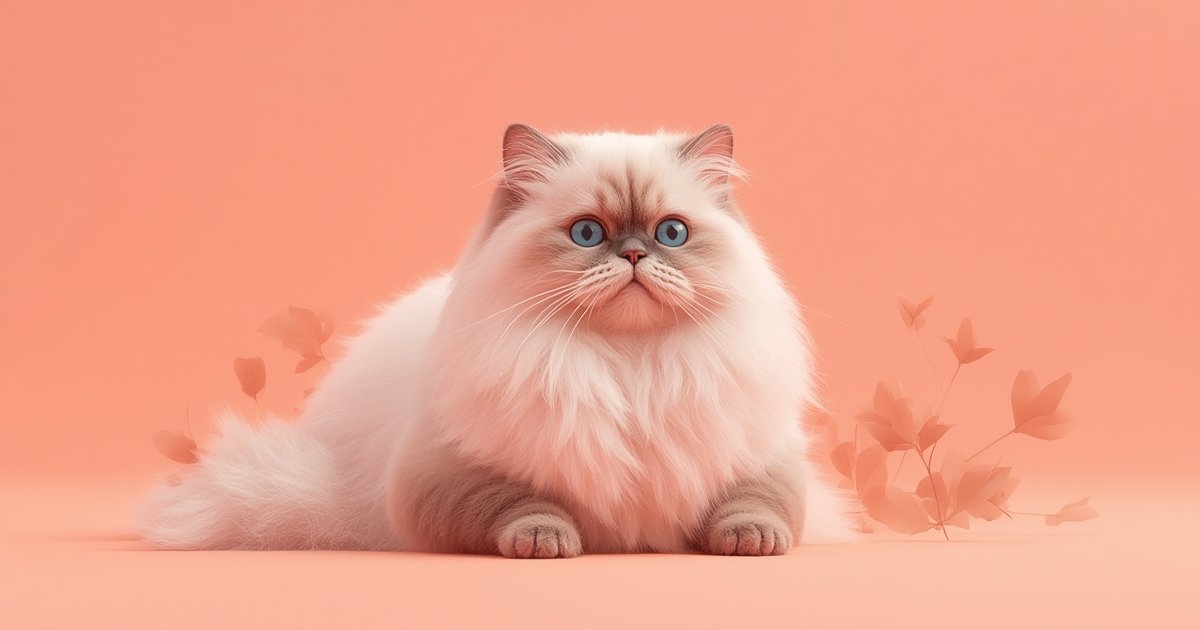
Meta Description: Uncover the secrets to a long, healthy life for your Persian cat in 2026. This guide details essential care, nutrition, and proactive steps for optimal Persian Health.
Understanding the Unique Needs of Persian Cats
Persian cats, with their luxurious coats and distinctive flat faces, are undeniably one of the most beloved feline breeds. Their charming personalities and calm demeanor make them wonderful companions, but their unique physical traits also come with specific health considerations. Ensuring optimal Persian Health requires a dedicated approach that goes beyond standard cat care, focusing on preventive measures and attentive daily routines.
In 2026, understanding these specific needs is more crucial than ever, as advancements in veterinary science and nutritional research continue to offer new insights into maintaining their well-being. This comprehensive guide will delve into every aspect of caring for your Persian, from diet and grooming to environmental enrichment, ensuring they live their happiest, healthiest lives.
The distinctive brachycephalic (flat-faced) structure, for instance, affects breathing and tear duct function, necessitating careful monitoring. Their long, dense fur is prone to matting and requires daily attention. Recognizing these inherent predispositions allows owners to be proactive, addressing potential issues before they escalate and significantly improving their Persian’s quality of life.
Essential Dietary Strategies for Optimal Persian Health
Nutrition is the cornerstone of good health for any animal, and Persian cats are no exception. Given their luxurious coats and propensity for certain health issues, their diet plays a vital role in maintaining their vitality and preventing common ailments. A tailored dietary approach is essential for robust Persian Health, supporting everything from a shiny coat to a strong immune system.
Choosing the right food for your Persian cat means considering ingredients, nutrient balance, and suitability for their specific needs. High-quality protein sources should be at the top of the list, as cats are obligate carnivores. Look for real meat, like chicken, fish, or turkey, as the primary ingredient.
Navigating Food Choices and Supplements
Many commercial cat foods are formulated specifically for Persians, often featuring kibble shapes that are easier for flat-faced breeds to pick up. These formulations also frequently include supplements targeted at coat health and digestion. However, always read labels carefully to ensure you’re providing a balanced diet free from excessive fillers or artificial additives.
Omega-3 fatty acids, often found in fish oil, are highly beneficial for skin and coat health, reducing shedding and promoting a lustrous sheen. Probiotics can aid digestion and boost gut health, which is particularly important for breeds prone to hairballs. Consult your veterinarian before introducing any new supplements to ensure they are appropriate for your cat’s individual Persian Health profile.
Consider a mix of wet and dry food to ensure adequate hydration, as cats often do not drink enough water on their own. Wet food can also be beneficial for weight management, as it tends to be less calorie-dense than dry kibble. Portion control is paramount, as Persians can be prone to obesity, which exacerbates joint problems and increases the risk of diabetes.
Hydration and Weight Management
Fresh, clean water must always be available. Many Persians prefer running water, so a pet water fountain can encourage them to drink more throughout the day. Dehydration can lead to serious kidney issues and impact overall Persian Health, so monitoring their water intake is a key responsibility for any owner.
Regularly monitor your cat’s weight. A healthy Persian should have a discernible waist and you should be able to feel their ribs without seeing them. If your cat is overweight, work with your vet to establish a safe and effective weight loss plan. This might involve switching to a prescription diet or carefully reducing portion sizes.
According to a 2023 study published in the Journal of Feline Medicine and Surgery, maintaining an ideal body weight can extend a cat’s lifespan by up to two years. For Persian cats, whose robust bone structure can hide excess weight, this attention to their physique is vital.
Grooming, Dental, and Eye Care: Beyond the Basics
The magnificent appearance of a Persian cat is largely due to its glorious long coat, but this beauty comes with significant maintenance requirements. Proper grooming is not just about aesthetics; it’s a critical component of preventing skin issues, matting, and even digestive problems related to hairball ingestion. Likewise, their distinctive facial structure demands specialized eye and dental care for optimal Persian Health.
Daily Grooming Rituals
A Persian’s long, dense coat requires daily brushing to prevent mats and tangles, which can become painful and lead to skin infections if left untended. Use a slicker brush to work through the fur gently, followed by a metal comb to ensure all knots are removed. Pay special attention to areas like the armpits, behind the ears, and the “britches” around their hind legs.
Regular bathing, perhaps once a month or every few weeks, is also necessary to keep their coat clean and free of oils that can attract dirt and cause matting. Use a shampoo specifically formulated for cats, and ensure thorough rinsing to prevent skin irritation. Starting grooming routines early in a kitten’s life can help them become accustomed to the process, making it a more pleasant experience for both cat and owner.
Addressing Dental Health for Persians
Dental hygiene is often overlooked in cats, but it is just as important as it is for humans. Periodontal disease is rampant in felines, and Persians are no exception. Daily tooth brushing with a vet-approved cat toothpaste is the gold standard for preventing plaque and tartar buildup. If daily brushing isn’t feasible, aim for at least a few times a week.
In addition to brushing, consider dental treats or water additives recommended by your veterinarian. Regular professional dental cleanings under anesthesia are often necessary to remove existing tartar and address any underlying issues, significantly contributing to their overall Persian Health. Bad breath is often the first sign of dental problems, so pay attention to your cat’s mouth odor.
Specialized Eye Care
The brachycephalic nature of Persian cats means they often have prominent, sometimes watery, eyes. Their short nasal passages can lead to tear duct blockages, causing excessive tearing (epiphora) and tear staining. Daily cleaning of the delicate area around their eyes is essential to prevent irritation and infection.
Use a soft, damp cloth or a specialized eye wipe to gently clean away any discharge or tear stains. Be sure to use a separate part of the cloth for each eye to avoid spreading potential infections. If you notice excessive redness, swelling, or thick, discolored discharge, consult your vet immediately, as these could be signs of conjunctivitis or other eye conditions.
Comparison of Essential Grooming Tools for Persian Cats
Investing in the right tools makes a significant difference in the effectiveness and ease of your grooming routine. Here’s a comparison of some top-rated grooming tools crucial for maintaining a Persian’s luxurious coat and overall well-being.
| Product | Price | Pros | Cons | Best For |
|---|---|---|---|---|
| Hertzko Self-Cleaning Slicker Brush | $15-$20 | Excellent for removing loose fur, tangles, and mats. Self-cleaning button retracts bristles for easy hair removal. Comfortable grip. | Bristles can be sharp if not used gently. May not reach very deep mats without proper technique. | Daily brushing, detangling, and preventing mats. Suitable for sensitive skin when used correctly. |
| Safari Grooming Comb with Rotating Teeth | $10-$15 | Rotating teeth glide through tangles, minimizing pulling and discomfort. Effective for finishing and checking for missed knots. | Not ideal for initial shedding removal. Teeth can sometimes bend with extreme force. | Final grooming, detangling small knots, and stimulating the skin. |
| Bio-Groom Silky Cat Shampoo | $12-$18 | Gentle, pH-balanced formula specifically for cats. Conditions the coat, reduces static, and leaves a silky finish. Tearless formula. | May require multiple rinses for very dense coats. Scent might be too strong for some sensitive cats. | Regular bathing, promoting coat health and shine, and reducing static electricity. |
| Vet’s Best Dental Gel Toothpaste | $8-$12 | Natural ingredients (aloe, neem oil, grapefruit seed extract). No brushing required (apply to paw), but better with a brush. Helps reduce plaque and tartar. | Some cats may resist direct application. Takes time to show significant results without brushing. | Maintaining daily oral hygiene and preventing tartar buildup, especially if brushing is challenging. |
Proactive Veterinary Care and Early Detection for Persian Health
Regular veterinary check-ups are paramount for the long-term well-being of your Persian cat. Even if your cat appears healthy, routine visits allow veterinarians to perform thorough examinations, administer necessary vaccinations, and conduct diagnostic tests that can detect potential health issues early. Early detection is often the key to successful treatment and management of conditions that might affect Persian Health.
Scheduled Check-ups and Vaccinations
Adult Persians should have at least one annual veterinary visit, while kittens and senior cats may require more frequent appointments. These visits typically include a physical examination, weight check, and discussions about diet and behavior. Your vet will ensure your Persian is up-to-date on essential vaccinations, protecting them from common feline diseases like rabies, feline distemper, calicivirus, and rhinotracheitis.
Parasite control, including flea, tick, and heartworm prevention, is also a critical part of these routine visits. Your veterinarian can recommend the best products and schedule for your cat’s specific lifestyle and geographical location. This proactive approach helps prevent many common health problems that can otherwise escalate.
Common Health Concerns in Persian Cats
Persians are predisposed to several breed-specific health conditions due to their genetics and conformation. Awareness of these can help owners look for early warning signs and seek timely veterinary intervention. These include:
– Polycystic Kidney Disease (PKD): A genetic condition causing cysts to form in the kidneys. Early screening through ultrasound can detect PKD, allowing for dietary management and supportive care.
– Hypertrophic Cardiomyopathy (HCM): A common heart disease in cats where the heart muscle thickens. Regular cardiac screenings, especially in breeding cats, are crucial for early diagnosis.
– Brachycephalic Airway Syndrome: Due to their flattened faces, Persians can suffer from narrowed nostrils, elongated soft palates, and other respiratory issues. Watch for noisy breathing, snoring, or exercise intolerance.
– Progressive Retinal Atrophy (PRA): A genetic eye disease that can lead to blindness. Genetic testing can identify carriers and affected individuals.
– Patellar Luxation: A condition where the kneecap slips out of place, causing lameness. Regular physical exams can help detect this.
Your veterinarian can provide guidance on genetic testing and specific monitoring protocols for these conditions, ensuring you’re doing everything possible to safeguard your Persian Health.
Advanced Diagnostic Tools
Modern veterinary medicine offers advanced diagnostic tools that are invaluable for the early detection and management of diseases in Persian cats. These include:
– X-rays and Ultrasound: Non-invasive imaging techniques to assess internal organs, bones, and soft tissues. Crucial for diagnosing conditions like PKD or heart issues.
– Blood Work: Routine blood tests (complete blood count and chemistry panel) can detect anemia, infection, kidney disease, liver disease, and diabetes.
– Urinalysis: Evaluates kidney function and can detect urinary tract infections or bladder stones.
– Genetic Testing: Available for several breed-specific conditions like PKD and PRA, allowing owners to make informed decisions about breeding and care.
Discuss with your vet which diagnostic tests are recommended for your Persian based on their age, medical history, and specific breed predispositions. Regular screening is a powerful tool in maintaining excellent Persian Health.
Enriching Their Environment: Mental and Physical Well-being
Beyond physical health, a Persian cat’s mental and emotional well-being is equally important for their overall quality of life. An enriched environment that stimulates their minds and allows for appropriate physical activity is crucial. While Persians are known for their calm and sedentary nature, they still benefit immensely from opportunities for play, exploration, and interaction, contributing significantly to their holistic Persian Health.
Creating a Stimulating Home Environment
Even indoor cats need variety and stimulation to prevent boredom and behavioral problems. Provide vertical space with cat trees, shelves, or window perches where your Persian can observe their surroundings from a safe vantage point. These elevated spots cater to their natural instincts to climb and survey their territory.
Offer a variety of toys that engage different senses and hunting instincts. Puzzle feeders can make mealtime more engaging and slow down fast eaters, which is particularly beneficial for weight management. Rotating toys regularly can keep things fresh and exciting, preventing your cat from becoming jaded with their playthings.
Scratching posts and pads are essential for maintaining claw health and providing an appropriate outlet for natural scratching behaviors. Ensure they are sturdy and tall enough for your Persian to stretch fully. Providing multiple scratching options can help save your furniture.
The Importance of Play and Interaction
Despite their somewhat laid-back reputation, Persians enjoy interactive play. Short, regular play sessions with wand toys, laser pointers (used carefully to avoid frustration), or feathered teasers can provide necessary exercise and mental stimulation. Aim for 10-15 minutes of interactive play a couple of times a day.
These play sessions not only burn calories but also strengthen the bond between you and your cat. They mimic hunting behaviors, allowing your Persian to express their natural instincts in a safe and appropriate manner. Lack of play can lead to lethargy, weight gain, and even behavioral issues like destructive scratching or aggression, impacting their overall Persian Health.
Consider clicker training or teaching simple tricks. Persians, like many intelligent breeds, can enjoy learning and the mental engagement that comes with it. This positive reinforcement training can also be useful for making grooming or vet visits less stressful.
Managing Stress and Anxiety
Cats are creatures of habit and can be sensitive to changes in their environment. Major life changes, such as moving house, introducing a new pet, or even rearranging furniture, can cause stress and anxiety. Observe your Persian for signs of stress, such as excessive grooming, hiding, changes in appetite, or inappropriate urination.
Creating a predictable routine and providing safe, quiet spaces where your cat can retreat can help minimize stress. Feliway diffusers, which release synthetic feline pheromones, can also be helpful in calming anxious cats. Addressing stress is vital for their mental well-being and, consequently, their physical Persian Health.
Socialization from a young age can help Persians adapt to different people and situations. While they are often described as solitary, positive interactions with family members and respectful visitors are beneficial for their emotional development.
The journey to ensuring your Persian cat lives their healthiest life in 2026 is a rewarding one, built on attentiveness, education, and love. From tailored nutrition and meticulous grooming to proactive veterinary care and a stimulating home environment, every aspect plays a crucial role. Understanding their unique breed-specific needs empowers you to be the best possible guardian, anticipating challenges and celebrating every purr-filled moment.
By implementing the strategies outlined in this guide, you’re not just providing care; you’re investing in a vibrant, joyful future for your beloved feline companion. A healthy Persian is a happy Persian, and their well-being is a testament to your dedication.
For personalized advice on your Persian’s health, consult your veterinarian. For more expert guides and tips on feline well-being, visit Dax AI.
Frequently Asked Questions About Persian Health
What are the most common health problems in Persian cats?
Persian cats are prone to several breed-specific issues due to their genetics and distinctive features. These commonly include Polycystic Kidney Disease (PKD), Hypertrophic Cardiomyopathy (HCM), Brachycephalic Airway Syndrome (respiratory issues), Progressive Retinal Atrophy (PRA), and Patellar Luxation. Regular veterinary check-ups and genetic screening can help in early detection and management.
How often should I groom my Persian cat?
Persian cats require daily grooming to prevent their long, dense coats from matting and tangling. This includes daily brushing with a slicker brush and comb, with regular bathing every few weeks. Consistent grooming prevents skin issues, reduces hairballs, and keeps their coat healthy and beautiful.
What kind of diet is best for a Persian cat?
An optimal diet for a Persian cat should be high in quality animal protein, with balanced nutrients. Many owners find success with a combination of high-quality wet and dry food specifically formulated for cats, or even for Persians, which often have kibble shapes easier for their flat faces. Omega-3 fatty acids and probiotics can be beneficial for coat health and digestion. Always ensure fresh water is available and manage portion sizes to prevent obesity.
Do Persian cats need special eye care?
Yes, due to their brachycephalic (flat-faced) structure, Persian cats often experience excessive tearing and tear staining. Daily cleaning around their eyes with a soft, damp cloth or specialized eye wipe is essential to prevent irritation and infection. If you notice any redness, swelling, or unusual discharge, consult your veterinarian.
How often should a Persian cat visit the vet?
Adult Persian cats should have at least one annual veterinary check-up. Kittens and senior cats may require more frequent visits. These routine visits are crucial for vaccinations, parasite control, physical examinations, and early detection of any potential health concerns specific to the breed, ensuring continued Persian Health.
References and Further Reading
- Cornell Feline Health Center: Caring for Your Senior Cat
- AAHA: Understanding Your Cat’s Health
- Veterinary Information Network: Brachycephalic Airway Syndrome in Cats
- Journal of Feline Medicine and Surgery: Impact of body weight on feline longevity (2023 study)
- The International Cat Association (TICA): Persian Breed Information
Leave a Reply