

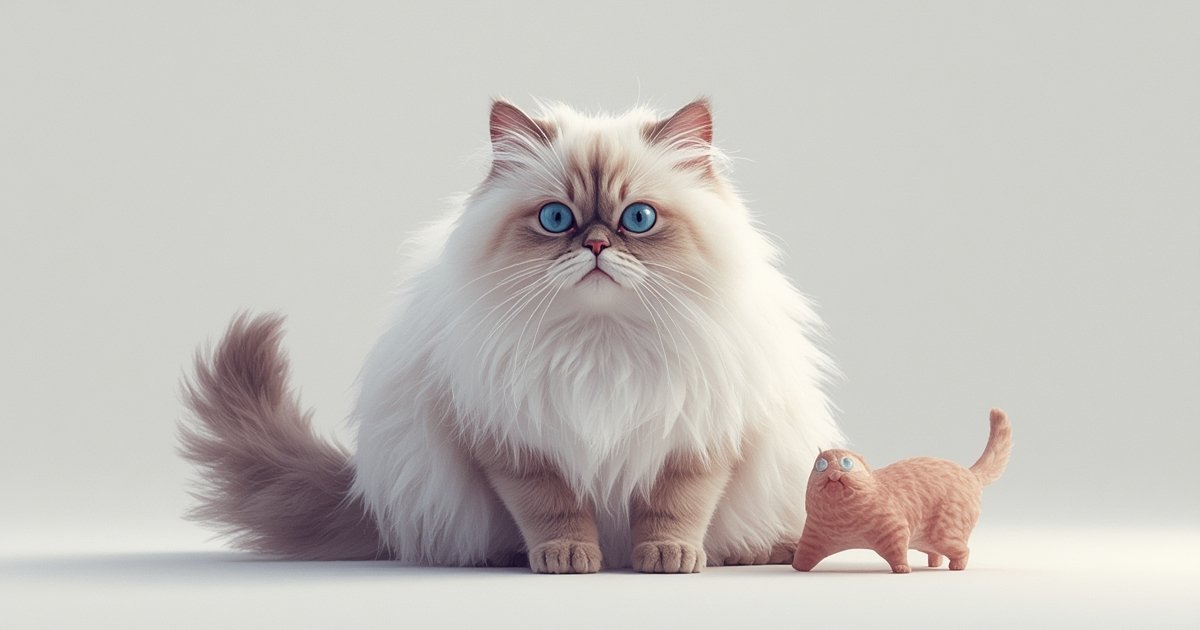
Discover 7 crucial silent Persian symptoms your cat might be hiding in 2026. Learn to recognize subtle health cues to ensure your beloved Persian lives a long, happy life.
Understanding Your Persian’s Unique Needs
Persian cats are renowned for their majestic coats, sweet dispositions, and distinctive flat faces. While their beauty is undeniable, these very features can predispose them to specific health challenges. Being a proactive owner means knowing what to look for, especially when your feline friend excels at masking discomfort. Recognizing subtle Persian symptoms is key to early intervention and ensuring a long, healthy life for your beloved companion.
Many health issues in cats, particularly Persians, develop silently. They are masters at hiding pain or illness, an instinctual behavior from their wild ancestors to avoid appearing vulnerable. This makes it crucial for owners to be vigilant observers, attuned to even the slightest shifts in their cat’s routine, appearance, or behavior. Proactive monitoring can make all the difference, transforming a potentially serious condition into a manageable one.
Silent Symptom 1: Subtle Changes in Coat Condition and Grooming Habits
A Persian’s luxurious long coat is its crowning glory, but it also serves as a primary indicator of overall health. Any deviation from its usual pristine condition can signal an underlying problem. These silent Persian symptoms related to grooming often go unnoticed until they become significant.
Dullness, Matting, or Greasiness
A healthy Persian cat will have a soft, shiny coat that is well-maintained. If you notice your cat’s fur becoming dull, greasy, matted, or excessively shedding beyond normal seasonal changes, it warrants attention. These changes can be subtle at first, appearing as small mats behind the ears or under the legs.
Reduced self-grooming is a common reason for a deteriorating coat. If your cat is in pain, feeling unwell, or experiencing joint discomfort, the effort required to groom its extensive fur might be too much. This could be due to dental issues, arthritis, or even a systemic illness making them feel lethargic. Conversely, excessive grooming, leading to bald spots or skin irritation, could indicate stress, allergies, or parasites.
What to Look For and Why it Matters
– Dull or brittle fur: Often a sign of nutritional deficiencies, internal parasites, or underlying metabolic diseases such as kidney disease or hyperthyroidism.
– Mats and tangles: While common in Persians, a sudden increase or reluctance to allow brushing can indicate pain, particularly in areas like the hips, spine, or joints.
– Greasy or oily coat: Can be a symptom of seborrhea, a skin condition, or an imbalance in their skin’s oil production, sometimes linked to hormonal issues.
– Reduced grooming: A significant indicator of pain, discomfort, or general malaise. A cat that stops grooming itself is usually a sick cat.
Regular grooming sessions are not just for beauty; they are vital health checks. Take note if your cat begins to resist grooming in specific areas, as this could pinpoint a localized source of pain. Early detection of these Persian symptoms related to their coat can prompt further investigation and timely treatment.
Silent Symptom 2: Altered Thirst or Urination Patterns
Monitoring water intake and litter box habits can be challenging, especially in multi-cat households. However, even slight changes in these areas can be critical indicators of developing health issues. These silent Persian symptoms are often dismissed until they become quite pronounced.
Increased or Decreased Water Consumption
Cats are naturally not big drinkers, so any noticeable increase in thirst (polydipsia) or decrease can be a red flag. If you find yourself refilling the water bowl more frequently, or if your cat is spending unusual amounts of time at the water dish, it’s worth investigating. Conversely, a significant drop in water intake could lead to dehydration and indicate a problem.
Changes in Litter Box Habits
This is one of the most important silent Persian symptoms. Observe the frequency of urination, the volume of urine, and whether your cat is straining or showing discomfort in the litter box. Pay attention to any accidents outside the litter box, as this is rarely a behavioral issue and almost always a medical one.
– Increased urination (polyuria): Often accompanies increased thirst and can be a sign of kidney disease, diabetes, or hyperthyroidism.
– Decreased urination or straining: Could indicate a urinary tract infection (UTI), bladder stones, or, most critically, a urinary blockage. This is a life-threatening emergency, particularly for male cats.
– Blood in urine: Even microscopic amounts can be a sign of infection, inflammation, or stones.
– Urinating outside the box: A clear indicator of discomfort, pain, or an inability to reach the litter box in time, often due to a UTI or arthritis.
Keeping track of your cat’s daily routine, including how much they drink and how often they use the litter box, can help you catch these subtle shifts. Consider a dedicated water bowl or smart water fountain that tracks consumption if you are concerned.
Silent Symptom 3: Changes in Appetite and Weight Fluctuation
Many cat owners assume a finicky appetite is just part of being a cat, but significant shifts in eating habits or weight can be critical silent Persian symptoms. These changes often point to underlying health conditions that require veterinary attention.
Loss of Appetite or Pickiness
While Persians can be particular eaters, a sudden or sustained decrease in appetite (anorexia) is a serious concern. If your cat is consistently leaving food untouched, eating only small amounts, or showing no interest in treats they usually adore, it’s a strong indicator that something is wrong. Even a slight reduction over several days can lead to nutrient deficiencies and weakened immunity.
Sudden Weight Loss or Gain
Weight changes, especially when not intentional, are crucial silent Persian symptoms. Weight loss can be masked by a dense coat, making it harder to notice. Feel along your cat’s spine and ribs; if they feel more prominent than usual, your cat is likely losing weight. Conversely, unexplained weight gain can also be problematic.
– Weight loss with increased appetite: Can be a sign of hyperthyroidism or diabetes.
– Weight loss with decreased appetite: Often indicates kidney disease, dental pain, gastrointestinal issues, or cancer.
– Weight gain: While sometimes due to overfeeding, it can also be linked to hormonal imbalances, heart conditions, or fluid retention.
Dental pain is a very common reason for a reduced appetite. Cats with painful teeth or gums will often try to eat but drop food or show reluctance. Observe how your cat eats: are they chewing only on one side? Do they seem uncomfortable? Regular dental checks are essential to prevent these issues from escalating.
Silent Symptom 4: Behavioral Shifts or Uncharacteristic Lethargy
Persian cats are known for their calm and affectionate nature, so any noticeable change in their personality or energy levels can be a significant sign of distress. These behavioral Persian symptoms are often subtle, requiring keen observation.
Increased Hiding, Reduced Play, or Aggression
A previously playful cat suddenly becoming withdrawn, hiding more than usual, or showing a reluctance to engage in their favorite activities is a clear warning sign. Similarly, an otherwise gentle cat becoming irritable, hissing, or scratching when touched could be indicating pain.
Unusual Vocalizations or Lethargy
Pay attention to any changes in your cat’s meows—are they more frequent, louder, softer, or different in tone? Excessive vocalization, especially at night, can be a sign of discomfort, disorientation, or even cognitive decline in older cats. Lethargy, a general lack of energy or enthusiasm, is one of the most common but easily overlooked silent Persian symptoms.
– Hiding: A cat in pain or feeling unwell will often seek quiet, secluded spots.
– Reduced interaction: Not greeting you at the door, less purring, or avoiding your lap.
– Aggression when touched: Directly points to a painful area on their body.
– Restlessness or difficulty settling: Can indicate discomfort, anxiety, or hyperthyroidism.
– Excessive sleeping: While cats sleep a lot, an unusual increase in sleep duration or depth, especially if coupled with a lack of interest in food or play, is concerning.
Trust your instincts as an owner. If your cat’s behavior just “feels off,” it often is. A vet visit is warranted to rule out underlying medical conditions, as these behavioral shifts are rarely purely behavioral without a physical cause.
Silent Symptom 5: Eye and Nasal Discharge (Beyond the Usual)
Persians are prone to ocular and respiratory issues due to their distinctive flat faces, or brachiocephalic features. While some tear staining is normal, distinguishing it from problematic discharge is crucial. These specific Persian symptoms related to the eyes and nose can escalate quickly if ignored.
Excessive Tear Staining or Colored Discharge
Due to their facial structure, many Persians experience epiphora, which is excessive tearing that can lead to reddish-brown staining around their eyes. This is often considered normal for the breed. However, any sudden increase in tearing, or if the discharge changes in color (to yellow, green, or cloudy) or consistency (thick, pus-like), it’s a sign of infection or inflammation.
Nasal Discharge and Sneezing
Occasional sneezing is normal, but frequent or persistent sneezing, especially with nasal discharge, should not be ignored. Clear, watery discharge can indicate allergies or a mild viral infection. However, thick, discolored, or bloody nasal discharge is a more serious concern.
– Conjunctivitis: Inflammation of the membranes around the eye, often causing red, swollen eyes with clear or pus-like discharge.
– Corneal ulcers: Painful abrasions on the eye’s surface, often seen with excessive tearing and squinting.
– Entropion: A condition where the eyelid rolls inward, causing eyelashes to rub against the cornea. Common in Persians and requires surgical correction.
– Upper Respiratory Infection (URI): Caused by viruses (like feline herpesvirus) or bacteria, leading to sneezing, nasal discharge, and sometimes conjunctivitis.
– Nasolacrimal duct obstruction: Blockage of the tear drainage system, exacerbating tear staining and potentially leading to infections.
Regularly clean your Persian’s face with a damp, soft cloth to prevent bacterial growth in damp areas. If you notice any significant changes in eye or nasal discharge, or if your cat is squinting, rubbing its eyes, or showing signs of discomfort, contact your vet immediately. Early intervention is key to preventing long-term damage to their delicate eyes and respiratory system.
Silent Symptom 6: Difficulty Breathing or Snoring Changes
The unique brachycephalic (flat-faced) structure of Persian cats can lead to a range of respiratory challenges, collectively known as Brachycephalic Airway Syndrome (BAS). While some snorting or heavy breathing might seem normal for the breed, it’s vital to recognize when these become silent Persian symptoms of a more serious issue.
Increased Snoring or Noisy Breathing
Many flat-faced cats snore, but a sudden increase in the loudness or frequency of snoring, or the development of new, harsh breathing sounds (like stridor or stertor), should be noted. These can indicate increased airway obstruction.
Open-Mouth Breathing or Labored Breathing
Cats should ideally breathe through their noses. Open-mouth breathing, especially when not panting after vigorous play or stress, is a clear sign of respiratory distress and a medical emergency. Other signs of labored breathing include:
– Increased respiratory rate: Counting breaths per minute while your cat is resting can be helpful (normal is typically 15-30 breaths per minute).
– Exaggerated chest or abdominal movements: If you see their chest or belly heaving significantly with each breath.
– Neck extended, head low: Your cat might stretch their neck out to try and open their airway.
– Blue-tinged gums or tongue: A critical sign of lack of oxygen, requiring immediate veterinary attention.
Underlying Causes of Respiratory Distress
– Brachycephalic Airway Syndrome (BAS): This encompasses several anatomical abnormalities common in Persians, including narrowed nostrils (stenotic nares), an elongated soft palate, and everted laryngeal saccules. These restrict airflow, making breathing difficult.
– Asthma: A chronic inflammatory condition of the airways, leading to coughing, wheezing, and difficulty breathing.
– Heart conditions: Can lead to fluid buildup in the lungs (pulmonary edema), causing respiratory distress.
Any signs of breathing difficulty are serious silent Persian symptoms. Do not delay in seeking veterinary care. These issues can worsen rapidly and become life-threatening. Keeping your Persian at a healthy weight and avoiding excessive heat or humidity can help manage respiratory challenges.
Monitoring Tools for Respiratory Health
For owners wanting to keep a closer eye on their Persian’s respiratory health, especially if they have known issues, several smart gadgets can assist. These tools provide data that can be shared with your veterinarian.
Comparison of Top Pet Health Monitoring Gadgets
| Product | Price | Pros | Cons | Best For |
|---|---|---|---|---|
| Wagz Pet Collar | $299 | Activity tracking, GPS, virtual fence | Subscription required for full features | Active cats, outdoor monitoring |
| Petcube Bites 2 Lite | $199 | HD camera, two-way audio, treat dispenser | No direct health metrics, WiFi dependent | Owners who want to observe remotely, interaction |
| FitBark GPS | $99 | Activity, sleep, GPS tracking, health score | Requires smartphone app, smaller cats may find it bulky | Tracking overall wellness, activity levels |
| Whistle Go Explore | $149 | Activity, sleep, licking/scratching tracking, GPS | Bulkier for very small cats, subscription needed | Comprehensive activity and potential allergy/skin issue tracking |
While these gadgets don’t directly measure respiratory rate, consistent activity and sleep pattern data can indirectly signal health changes. A sudden drop in activity or prolonged sleep could indicate a health decline, including respiratory discomfort. Always consult your vet for diagnosis and treatment.
Silent Symptom 7: Subtle Gait Changes or Reluctance to Jump
Cats are incredibly agile, but as they age, or if they develop certain conditions, their mobility can be affected. These physical Persian symptoms, often involving slight changes in how they move, are frequently dismissed as “getting old” but can indicate significant pain.
Changes in Movement or Posture
Observe your cat when they walk, run, or jump. Are they limping, even subtly? Do they seem stiffer than usual, especially after resting? Do they move with a hunched back or hold their tail in an unusual position? These can all be signs of musculoskeletal pain.
Reluctance to Jump or Use Stairs
A cat that once effortlessly leaped onto counters or scaled cat trees but now hesitates, tries repeatedly, or opts for easier routes is likely experiencing discomfort. They might also show reluctance to use stairs or jump down from furniture. This is one of the clearest silent Persian symptoms of joint pain.
– Arthritis: Very common in older cats, causing joint stiffness and pain. You might notice them favoring a limb, having difficulty grooming certain areas, or being less active.
– Hip Dysplasia: A genetic condition where the hip joint doesn’t form correctly. While often associated with dogs, it can affect cats, especially larger breeds or those with certain predispositions, leading to pain and lameness.
– Luxating Patella: Where the kneecap slips out of place. This can cause intermittent limping or a “skip” in their stride.
– Spinal issues: Disc problems or nerve compression can cause back pain, leading to a hunched posture or difficulty moving.
It’s important not to assume these changes are merely a sign of aging. Cats are excellent at compensating for pain, so by the time you notice these silent Persian symptoms, the underlying condition might be quite advanced. A veterinarian can assess your cat’s mobility, potentially using X-rays or other diagnostics, and recommend appropriate pain management or treatment options. Keeping your Persian at a healthy weight is crucial to reduce strain on their joints.
Taking Proactive Steps for Your Persian’s Health
Recognizing these seven silent Persian symptoms is the first step towards ensuring your cat’s well-being. Your keen observation skills are invaluable because your cat cannot vocalize their pain or discomfort in a way we always understand. By being attentive to subtle changes in their coat, thirst, appetite, behavior, eye/nasal discharge, breathing, and movement, you become their strongest advocate.
Regular veterinary check-ups are non-negotiable, even if your cat appears healthy. Many of these silent symptoms can be detected early by a professional during a routine examination. Discuss any observations, no matter how minor they seem, with your vet. A small concern today could prevent a major health crisis tomorrow. Remember, your Persian relies on you to notice when something is amiss and to seek the help they need to live a full, comfortable, and happy life.
For more insights into feline health or to schedule a consultation regarding your Persian’s specific needs, please reach out to us at contact@dax.ai.
Frequently Asked Questions (FAQ)
How often should my Persian cat visit the vet?
Ideally, adult Persian cats should have at least one wellness exam per year. For senior cats (over 7 years old) or those with chronic conditions, twice-yearly check-ups are recommended to monitor their health more closely.
Are Persians prone to specific genetic health issues?
Yes, due to their breeding, Persians are predisposed to several genetic conditions, including Polycystic Kidney Disease (PKD), Hypertrophic Cardiomyopathy (HCM), and Brachycephalic Airway Syndrome (BAS). Responsible breeders screen for these conditions, and regular vet checks can help detect them early.
What’s the best way to keep my Persian’s coat healthy?
Daily grooming is essential for a Persian’s long coat to prevent mats and tangles. Use a metal comb and a soft slicker brush. Regular professional grooming can also be beneficial. A high-quality diet rich in Omega-3 fatty acids contributes significantly to coat health.
My Persian often sneezes; is this normal?
Occasional sneezing can be normal, especially if it’s brief and without other symptoms. However, if sneezing is frequent, persistent, accompanied by nasal discharge (especially discolored), lethargy, or loss of appetite, it could indicate an upper respiratory infection or other underlying issue and warrants a vet visit.
How can I tell if my Persian is in pain if they hide it so well?
Look for subtle behavioral changes: reluctance to jump, decreased grooming, hiding, changes in appetite or litter box habits, altered posture, or unusual vocalizations (e.g., increased purring as a coping mechanism, or low growls). Any departure from their normal routine can be a sign of pain.
Leave a Reply