

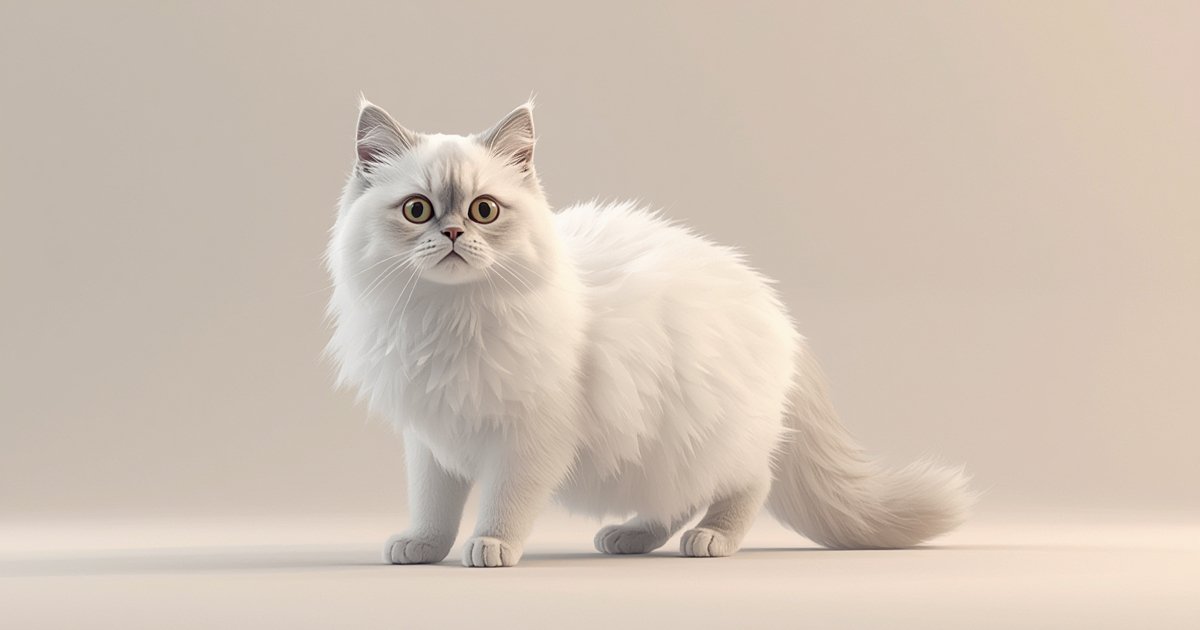
Your guide to optimal Persian Health in 2026. Discover essential care tips, nutrition strategies, and modern tech for a happy, healthy Persian cat.
Understanding the Unique Needs of Persian Cats
Persian cats are renowned for their luxurious long coats, sweet dispositions, and distinctive flat faces. While undeniably beautiful, these unique traits also come with specific care requirements that are crucial for maintaining optimal Persian Health. Understanding these needs is the first step in providing a happy and healthy life for your feline companion.
The Distinctive Traits Impacting Persian Health
The characteristic features of Persian cats, such as their brachycephalic (flat) faces and dense fur, are central to their charm but also pose particular health considerations. Awareness of these can help you be proactive in their care.
Brachycephalic Syndrome and Breathing
The shortened skull and flattened face of Persian cats can lead to a condition known as Brachycephalic Airway Syndrome. This can cause breathing difficulties, noisy breathing, and a reduced tolerance for exercise or heat. Owners must be vigilant, especially in warmer climates, to prevent overheating and respiratory distress.
Ensuring a cool, comfortable environment and limiting strenuous play can significantly improve their quality of life. Regular veterinary check-ups can also help monitor their respiratory health and identify any potential issues early on.
Long Coat Maintenance
The Persian’s magnificent double coat is prone to matting and tangling if not meticulously cared for. This isn’t just an aesthetic issue; severe matting can pull on their skin, cause discomfort, skin infections, and hide parasites or other skin problems, directly impacting their Persian Health. Daily grooming is non-negotiable.
Proper grooming techniques, including thorough brushing and occasional professional trims, are essential. We’ll delve deeper into grooming strategies later in this guide to ensure your Persian’s coat remains a source of pride, not problems.
Sensitive Digestive Systems
Many Persian cats can have sensitive digestive systems, making them prone to issues like hairballs, vomiting, or diarrhea if their diet isn’t carefully managed. Their flat facial structure can also make eating certain types of kibble difficult.
Choosing the right food and feeding method is paramount. Slow feeders or specially designed bowls can help them eat more comfortably and prevent digestive upset. Monitoring their stool and general appetite provides crucial insights into their digestive Persian Health.
Optimal Nutrition for a Healthy Persian Cat
Nutrition plays a foundational role in every aspect of your Persian cat’s well-being. A carefully selected diet can support their luxurious coat, aid digestion, maintain a healthy weight, and prevent many common health issues, contributing significantly to their overall Persian Health. With so many options available, choosing the right food can seem daunting.
Choosing the Right Diet for Persian Health
When selecting food for your Persian, prioritize high-quality ingredients, specifically those formulated for long-haired or brachycephalic breeds. These formulas often contain ingredients that support skin and coat health, and kibble shapes designed for easier chewing.
Look for foods rich in animal protein as the primary ingredient. Essential fatty acids like Omega-3 and Omega-6 are vital for skin moisture and a shiny coat. Probiotics and prebiotics can also support a healthy digestive tract, which is often a sensitive area for Persians.
Wet vs. Dry Food Considerations
Both wet and dry foods have their benefits for Persian cats. Many owners opt for a combination approach to harness the advantages of each.
– Dry kibble can help with dental hygiene by reducing plaque and tartar buildup through chewing action. Ensure the kibble size and shape are suitable for your Persian’s flat face to prevent choking or difficulty eating.
– Wet food provides excellent hydration, which is crucial for kidney health and can be more palatable for picky eaters. It can also be easier for Persians to consume due to its softer texture. The higher moisture content also aids in preventing urinary tract issues, a common concern in cats.
Addressing Specific Nutritional Deficiencies
Some Persians may have specific dietary needs. For example, those prone to hairballs might benefit from foods with increased fiber content to help hair pass through their digestive system. Cats with sensitive stomachs might require limited-ingredient diets or specialized veterinary formulas.
Always consult your veterinarian before making significant dietary changes or introducing supplements. They can provide tailored advice based on your cat’s individual health profile and specific requirements, ensuring optimal Persian Health.
Managing Weight and Preventing Obesity
Obesity is a growing concern among all cat breeds, including Persians. Overweight cats are at a higher risk for diabetes, joint problems, heart disease, and a reduced lifespan. Given the Persian’s typically less active nature and potential breathing issues, weight management is particularly important.
– Monitor portion sizes strictly according to feeding guidelines on the food packaging or your vet’s recommendations. Use a measuring cup to ensure accuracy.
– Limit treats and table scraps. If you do give treats, choose healthy, low-calorie options and factor them into your cat’s daily caloric intake.
– Encourage play and activity. While Persians aren’t typically highly energetic, engaging them in short play sessions with feather wands or laser pointers can help burn calories and keep them mentally stimulated.
Grooming Essentials for Maintaining Persian Health
The stunning, flowing coat of a Persian cat is arguably its most iconic feature, but it demands considerable attention. Proper grooming is not merely about aesthetics; it is a critical component of overall Persian Health, preventing painful mats, skin issues, and even digestive problems like hairballs.
Daily Brushing and Mat Prevention
A Persian’s long, dense double coat can easily become tangled and matted, particularly in areas like the armpits, behind the ears, and around the hindquarters. Daily brushing is absolutely essential to prevent these painful mats from forming.
– Use a wide-toothed comb to gently work through the top layer of fur, followed by a slicker brush to remove loose hair and stimulate the skin. Always brush in the direction of hair growth.
– Pay close attention to areas prone to matting. If you encounter a mat, try to gently tease it apart with your fingers or the wide-toothed comb. Never pull or cut mats with scissors close to the skin, as this can easily injure your cat. For stubborn mats, a professional groomer or veterinarian should be consulted.
Tear Stain Management
Due to their brachycephalic faces, Persians often have tear ducts that overflow, leading to unsightly reddish-brown tear stains below their eyes. These stains are not just a cosmetic issue; if left uncleaned, the moist environment can become a breeding ground for yeast and bacterial infections.
– Gently wipe the area around your Persian’s eyes daily with a soft, damp cloth or a specialized pet eye wipe. Be careful not to get anything directly into their eyes.
– For persistent staining, your vet might recommend specific cleaning solutions or even dietary adjustments that can help reduce tear production. Regular cleaning is key to preventing irritation and infection, thus supporting your cat’s Persian Health.
Dental Care Routines
Oral hygiene is often overlooked but is crucial for your cat’s overall health. Dental disease can lead to pain, difficulty eating, and even systemic health issues if bacteria from the mouth enter the bloodstream.
– Ideally, brush your Persian’s teeth several times a week using a pet-specific toothbrush and toothpaste. Never use human toothpaste.
– Dental treats and water additives can supplement brushing but should not replace it entirely. Regular veterinary dental check-ups, often including professional cleanings under anesthesia, are vital to maintaining good oral Persian Health.
Bathing Techniques for Persians
While daily brushing keeps their coat neat, occasional baths are necessary to keep a Persian’s fur clean, especially given its length and density. Aim for a bath every 4-6 weeks, or as needed, using a cat-specific shampoo.
– Prepare everything beforehand: lukewarm water, cat shampoo, conditioner, towels, and a non-slip mat for the tub.
– Gently wet your cat’s coat, apply shampoo, and massage it in thoroughly, avoiding their eyes and ears. Rinse completely, as any residue can cause skin irritation.
– Follow with a pet conditioner to help with detangling. Towel dry as much as possible, then use a low-heat blow dryer (specifically for pets) while brushing to prevent mats from forming as the fur dries. Make bathing a positive experience with treats and praise.
Preventative Veterinary Care and Common Health Concerns
Regular veterinary care is the cornerstone of maintaining excellent Persian Health. Preventative measures, routine check-ups, and an understanding of breed-specific predispositions can help you catch and address potential health issues early, leading to better outcomes and a longer, healthier life for your beloved cat.
Regular Check-ups and Vaccinations
Annual veterinary visits are essential for all cats, including Persians. During these check-ups, your vet will perform a thorough physical examination, check for any abnormalities, and discuss your cat’s diet, activity, and behavior.
– Vaccinations protect against common and dangerous feline diseases like rabies, feline distemper, calicivirus, and rhinotracheitis. Your vet will recommend a vaccination schedule tailored to your cat’s age, lifestyle, and local risk factors.
– Parasite control, including regular deworming and flea/tick prevention, is also a critical part of preventative care. Discuss the best options with your vet to keep your Persian parasite-free.
Understanding Genetic Predispositions in Persian Health
Unfortunately, Persian cats are predisposed to certain genetic health conditions. Being aware of these can help owners understand potential risks and take proactive steps for monitoring and early intervention.
– Polycystic Kidney Disease (PKD): This inherited disease causes cysts to form in the kidneys, progressively impairing kidney function. It is prevalent in Persians, but genetic screening can identify carriers. Responsible breeders test their cats for PKD to avoid passing it on. Regular ultrasounds can help monitor kidney health in at-risk cats.
– Hypertrophic Cardiomyopathy (HCM): HCM is a common heart condition in cats where the heart muscle thickens, making it harder for the heart to pump blood effectively. While not exclusive to Persians, they are among the breeds with a higher incidence. Annual cardiac screenings (echocardiograms) are recommended for at-risk individuals or breeding cats.
– Progressive Retinal Atrophy (PRA): This is a group of inherited degenerative diseases that affect the retina, eventually leading to blindness. Genetic testing is available for some forms of PRA, allowing breeders to screen their cats and prevent affected offspring. Owners should monitor for signs of vision loss, such as bumping into objects or hesitancy in dimly lit areas.
Early Detection: Signs to Watch For
As a cat owner, you are your Persian’s first line of defense against illness. Being observant of subtle changes in behavior, appetite, or physical condition can lead to early detection and more effective treatment.
– Changes in appetite or thirst: A sudden increase or decrease can indicate underlying issues like diabetes, kidney disease, or dental problems.
– Altered litter box habits: Frequent urination, straining, blood in urine, or urinating outside the box could signal a urinary tract infection or kidney stones. Diarrhea or constipation are also red flags.
– Lethargy or decreased activity: While Persians are not typically hyperactive, a noticeable decrease in energy, reluctance to play, or hiding could mean they are in pain or feeling unwell.
– Coughing, sneezing, or nasal discharge: These symptoms could point to respiratory infections, especially given the Persian’s brachycephalic tendencies.
– Lumps or bumps: Regularly pet your cat and feel for any new lumps or bumps on their body. Any new growth should be examined by a vet.
Enhancing Your Persian’s Well-being with Smart Home Tech
In 2026, technology offers incredible tools to support and monitor your Persian’s Health. From automated feeding systems to advanced health trackers, smart pet gadgets can provide peace of mind and help you stay on top of your cat’s needs, especially when you can’t be there every moment.
Innovations for Proactive Persian Health Monitoring
The pet tech industry continues to evolve, offering solutions that make pet care more convenient and data-driven. These innovations can play a crucial role in preventative care and early detection for your Persian.
– Smart Pet Cameras: These allow you to check in on your Persian remotely, offering two-way audio and even treat dispensers. Some models can detect unusual activity or distress signals.
– Activity Monitors: Wearable or collar-attached devices track your cat’s activity levels, sleep patterns, and sometimes even heart rate. Deviations from normal patterns can be an early indicator of illness or discomfort.
– Environmental Sensors: Smart home devices that monitor temperature, humidity, and air quality can help ensure your Persian’s living space is always ideal, which is particularly important for their respiratory health.
Smart Feeders and Hydration Solutions
Automated feeders and water fountains are not just conveniences; they can significantly contribute to better Persian Health.
– Smart Feeders: These devices can dispense precise, pre-programmed meal portions at scheduled times. This is invaluable for weight management, ensuring your Persian isn’t overfed, and maintaining a consistent feeding routine. Some even have slow-feed options beneficial for brachycephalic breeds.
– Smart Water Fountains: Encouraging hydration is vital for kidney and urinary tract health. Filtered water fountains provide a continuous supply of fresh, flowing water, which many cats prefer over stagnant water bowls. Some smart fountains track water intake or alert you when filters need changing.
Environmental Controls for Comfort
Creating an optimal climate is essential for Persian cats, given their dense coats and potential respiratory sensitivities. Smart thermostats and air purifiers can make a significant difference.
– Smart Thermostats: Control your home’s temperature remotely to ensure your Persian remains comfortable, especially during hot weather. This helps prevent overheating, a serious concern for brachycephalic cats.
– Air Purifiers: High-efficiency particulate air (HEPA) purifiers can remove allergens, dust, and dander from the air, creating a healthier breathing environment for both your cat and your family. This is especially beneficial for Persians who might be prone to respiratory sensitivities.
Comparison of Top Smart Pet Health Gadgets
| Product | Price | Pros | Cons | Best For |
|---|---|---|---|---|
| PetSafe Smart Feed Automatic Feeder | $150 | Customizable meal times and portions; app control; “feed now” option. | Can be complex to set up initially; requires Wi-Fi connection. | Weight management and consistent feeding schedules. |
| PetSafe Drinkwell Platinum Pet Fountain | $60 | Multi-stream free-falling water encourages drinking; quiet operation. | Requires regular cleaning to prevent slime buildup; pump can clog. | Encouraging hydration and preventing urinary issues. |
| Furbo Dog Camera (also good for cats) | $200 | HD video, two-way audio, treat tossing; barking/meowing alerts. | Primarily designed for dogs; treat dispenser size might be large for tiny cat treats. | Remote monitoring, interaction, and checking on activity. |
| Whistle Go Explore GPS Pet Tracker & Activity Monitor | $100 + subscription | GPS tracking, activity monitoring, health insights; long battery life. | Requires a monthly subscription; can be bulky for very small cats. | Active cats, tracking location, and monitoring overall health trends. |
Creating a Stress-Free Environment for Your Persian
A serene and stimulating environment is just as vital as diet and grooming for maintaining excellent Persian Health. Cats are creatures of habit and thrive in predictable, safe spaces. Reducing stress contributes significantly to their physical and mental well-being.
The Importance of Mental Stimulation
While often perceived as placid and quiet, Persians still require mental stimulation to prevent boredom and behavioral issues. A bored cat can become lethargic, overeat, or develop destructive habits.
– Interactive Toys: Puzzle feeders that dispense treats as your cat plays can keep them engaged. Rotate toys regularly to maintain novelty.
– Playtime: Engage in short, regular play sessions (10-15 minutes, 1-2 times a day) using feather wands, laser pointers, or crinkle balls. This also provides beneficial exercise, especially for less active Persians.
– Vertical Space: Cats love to climb and observe their surroundings from high vantage points. Provide cat trees, shelves, or window perches where your Persian can safely survey their territory.
Safe Indoor Spaces and Enrichment
Ensuring your home offers both safety and enrichment will greatly enhance your Persian’s quality of life. A secure environment minimizes anxiety and allows them to fully relax.
– Designated Retreats: Provide quiet, comfortable spaces where your Persian can retreat when they need peace. This could be a soft bed in a less trafficked room, a cat cave, or a cozy spot on a cat tree.
– Scratching Posts: Offer a variety of scratching surfaces (vertical and horizontal, sisal, cardboard) to satisfy their natural urge to scratch, protecting your furniture and promoting healthy claws.
– Routine and Predictability: Maintain a consistent daily routine for feeding, playtime, and grooming. Cats thrive on predictability, and sudden changes can cause stress. If changes are necessary, introduce them gradually.
– Pet-Proofing: Ensure your home is free from hazards. Secure cabinets with cleaning supplies, remove toxic plants, and keep small objects that could be swallowed out of reach. A safe home environment directly contributes to their peace of mind and overall Persian Health.
Caring for a Persian cat in 2026 is a rewarding experience, one that blends timeless dedication with modern advancements. By prioritizing their unique needs, from meticulous grooming and tailored nutrition to proactive veterinary care and smart home tech integration, you lay the foundation for optimal Persian Health. Remember, your vigilance in observing their behavior and making informed choices is paramount. These exquisite felines, with their gentle temperaments and striking beauty, truly flourish when given attentive, comprehensive care. Embrace the journey of ensuring their well-being, and you’ll be rewarded with years of affectionate companionship.
Ready to deepen your knowledge and enhance your Persian’s life? Explore our other guides on feline nutrition and behavior, or consult your trusted veterinarian for personalized advice. For further inquiries or to share your Persian care tips, feel free to contact us!
Frequently Asked Questions (FAQ)
What are the most common health issues for Persian cats?
Persian cats are genetically predisposed to several health conditions, including Polycystic Kidney Disease (PKD), Hypertrophic Cardiomyopathy (HCM), and Progressive Retinal Atrophy (PRA). They also commonly face issues related to their brachycephalic (flat) faces, such as breathing difficulties and tear duct blockages, as well as problems with their long coats like matting and skin infections.
How often should I groom my Persian cat?
Daily brushing is essential for Persian cats to prevent matting and keep their long coats healthy. They also benefit from daily eye cleaning to manage tear stains. Occasional baths, typically every 4-6 weeks, are recommended to keep their fur clean and free of oils. Regular dental care is also crucial, ideally several times a week.
What type of food is best for a Persian cat?
A high-quality diet specifically formulated for long-haired or brachycephalic breeds is often best. Look for foods rich in animal protein, essential fatty acids (Omega-3 and Omega-6), and potentially added fiber for hairball control. Many owners find a combination of wet and dry food beneficial for hydration and dental health, ensuring the kibble shape is easy for their flat faces to manage. Always consult your vet for personalized dietary recommendations.
How can I tell if my Persian cat is in pain?
Cats are masters at hiding pain, so look for subtle changes. Signs may include lethargy, hiding, changes in appetite or thirst, altered litter box habits (straining, urinating outside the box), excessive grooming or lack thereof, sudden aggression or withdrawal, persistent meowing or purring, or unusual postures. Any noticeable change from their normal behavior warrants a veterinary check-up.
Leave a Reply