

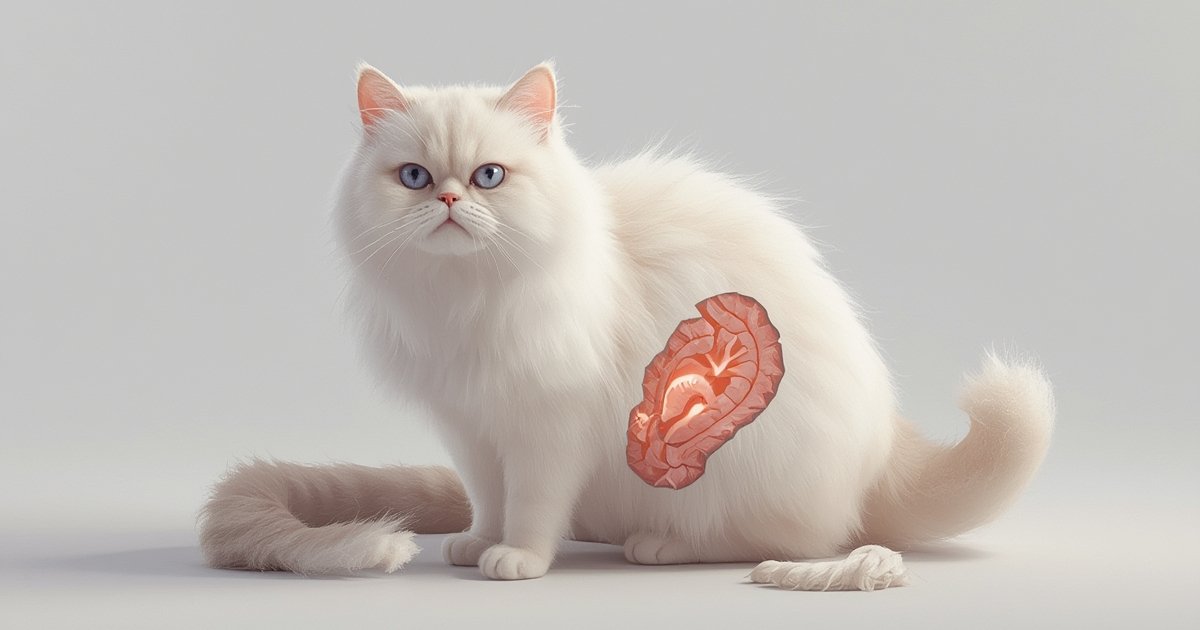
Meta Description: Is your Persian cat’s tummy troubling them? Discover expert tips for solving bloat and optimizing Persian digestion in 2026. Get actionable advice for a happier, healthier feline!
Understanding Bloat: More Than Just a Gassy Tummy
Few things are more disheartening than seeing your beloved Persian cat uncomfortable and bloated. That once playful, purring companion might be lethargic, refusing food, or even showing signs of pain. Understanding the nuances of Persian digestion is crucial for any owner, as these majestic felines often have unique gastrointestinal sensitivities. When a Persian’s stomach appears distended or hard, it’s a clear signal that something isn’t quite right and requires your immediate attention.
Bloat in cats, while less commonly associated with the life-threatening Gastric Dilatation-Volvulus (GDV) seen in large dog breeds, can still indicate a serious underlying health issue. For Persians, their distinctive anatomy and long fur can present specific challenges to their digestive system. Recognizing the signs early and understanding the potential causes is the first step toward effective treatment and prevention, ensuring your furry friend remains happy and healthy well into 2026 and beyond.
Common Signs and Symptoms of Digestive Discomfort
Identifying bloat in your Persian requires a keen eye for subtle changes in behavior and physical condition. Cats are masters at hiding discomfort, so it’s essential to be vigilant.
Here are some key indicators:
– A visibly swollen or taut abdomen.
– Excessive gas or burping.
– Loss of appetite or refusal to eat.
– Vomiting, especially after meals.
– Diarrhea or constipation.
– Lethargy and decreased activity levels.
– Pain upon abdominal palpation.
– Hunching or unusual posture.
– Excessive licking of the abdominal area.
If you notice any combination of these symptoms, especially if they are severe or persistent, it’s always best to consult with your veterinarian promptly. Early intervention can make a significant difference in outcomes for Persian digestion issues.
Why Persians Are Prone to Tummy Troubles
Persian cats are renowned for their luxurious long coats and distinctive brachycephalic (flat-faced) features. While these traits contribute to their charm, they also present specific challenges for Persian digestion.
Several factors make them more susceptible to digestive issues:
– **Hairballs:** Their extensive grooming habits mean they ingest a large amount of fur. This fur can accumulate in the digestive tract, leading to blockages, constipation, and significant discomfort or bloat.
– **Brachycephalic Syndrome:** Their flattened facial structure can sometimes lead to difficulties with eating and drinking. They might gulp air while eating, contributing to gas and bloat.
– **Sensitive Systems:** Anecdotal evidence and veterinary experience suggest that many Persians simply have more sensitive digestive tracts compared to other breeds, making them more prone to food intolerances or allergies.
– **Dental Issues:** The crowded teeth in a brachycephalic jaw can lead to dental problems, making chewing painful and potentially leading to indigestion if food isn’t properly broken down.
Addressing these breed-specific predispositions is vital for maintaining optimal Persian digestion and preventing chronic tummy troubles.
Optimizing Diet: The Foundation of Healthy Persian Digestion
Diet plays the most critical role in managing and preventing bloat and other digestive issues in Persian cats. A high-quality, easily digestible diet tailored to their unique needs can make a world of difference. Choosing the right food isn’t just about avoiding cheap fillers; it’s about providing the precise nutrients in a form that supports their sensitive Persian digestion.
Choosing the Right Food for Your Persian
Selecting appropriate food is paramount for your Persian’s gastrointestinal health. Look for cat foods specifically formulated for sensitive stomachs or hairball control, as these often contain ingredients beneficial for Persian digestion.
Consider the following:
– **High-Quality Protein:** The first ingredient should always be a named meat source (e.g., chicken, salmon, turkey). Avoid ambiguous terms like “meat by-products.”
– **Limited Ingredients:** Fewer ingredients can sometimes mean fewer potential allergens or irritants.
– **Digestible Carbohydrates:** Look for easily digestible sources like sweet potatoes or peas, rather than excessive grains which can be problematic for some cats.
– **Omega Fatty Acids:** These support overall health, including gut integrity, and contribute to a healthy coat, which can reduce shedding and hairball formation.
– **Probiotics and Prebiotics:** Some foods include these beneficial supplements, which help maintain a balanced gut microbiome.
Experimentation under veterinary guidance may be necessary to find the perfect food that suits your individual cat’s Persian digestion needs. Transition new foods slowly over 7-10 days to avoid upsetting their stomach further.
Wet vs. Dry Food: A Critical Choice
The debate between wet and dry food is ongoing, but for Persians, each has distinct advantages and disadvantages when it comes to digestion.
– **Wet Food Benefits:**
– **Higher Moisture Content:** Crucial for hydration, which aids in stool passage and prevents constipation, a common issue in Persians.
– **Easier to Digest:** Generally less processed and softer, making it easier for sensitive stomachs.
– **Less Gulping:** The consistency often encourages slower eating, reducing air intake that contributes to bloat.
– **Dry Food Considerations:**
– **Dental Health:** Some kibble is designed to help scrape teeth, though its effectiveness is debated.
– **Convenience:** Easier to store and less prone to spoilage if left out.
– **Hydration:** If feeding dry food, ensure constant access to fresh water and consider a water fountain to encourage drinking.
Many veterinarians recommend a mixed diet, combining the benefits of both wet and dry food, especially for breeds with delicate Persian digestion. Always ensure fresh water is available regardless of the food type.
Innovative Products Supporting Persian Digestion
The pet industry is constantly evolving, offering new tools and supplements to aid feline digestive health. These products can be invaluable assets in managing your Persian’s tummy troubles.
Comparison of Digestive Aids for Persian Cats
| Product | Price | Pros | Cons | Best For |
|---|---|---|---|---|
| Hairball Control Cat Food (e.g., Royal Canin Persian) | $40-$70/bag | Specifically formulated for long-haired breeds; includes fibers to pass hairballs. | Can be expensive; might not suit all taste preferences or sensitivities. | Everyday feeding for Persians prone to hairballs. |
| Probiotic Supplements (e.g., FortiFlora, Proviable) | $20-$50/box | Contains beneficial bacteria to balance gut flora; easy to sprinkle on food. | Requires consistent daily administration; some cats may dislike the taste. | Cats with chronic diarrhea, stress-related digestive upset, or post-antibiotic treatment. |
| Slow Feeder Bowl (e.g., LickiMat, specific slow-feed bowls) | $10-$30 | Encourages slower eating, reducing gulping of air and food; promotes mental stimulation. | Some designs can be difficult to clean; initial adjustment period for cats. | Fast eaters, cats who vomit after eating, or those prone to air ingestion. |
| Enzymatic Digestion Aid (e.g., NaturVet Digestive Enzymes) | $15-$35 | Aids in breaking down food more efficiently, improving nutrient absorption. | May contain ingredients not suitable for all cats (e.g., specific meat proteins). | Cats with malabsorption issues, older cats, or those with exocrine pancreatic insufficiency. |
| Fountain Water Dispenser (e.g., PetSafe Drinkwell) | $30-$70 | Encourages increased water intake, crucial for hydration and preventing constipation. | Requires regular cleaning and filter replacement; can be noisy. | Cats who don’t drink enough water from still bowls, supporting overall Persian digestion. |
When considering any new product, always consult your veterinarian to ensure it’s appropriate for your cat’s specific health needs and won’t interfere with existing medications or conditions.
Environmental and Lifestyle Adjustments for Digestive Health
Beyond diet, your Persian cat’s environment and daily routine significantly impact their digestive well-being. Simple adjustments can alleviate stress, improve eating habits, and directly contribute to better Persian digestion, minimizing the risk of bloat and discomfort.
Reducing Stress for a Calmer Gut
Stress is a major contributor to digestive upset in cats, including Persians. A calm environment can profoundly impact their gut health.
Consider these stress-reducing strategies:
– **Consistent Routine:** Cats thrive on predictability. Maintain regular feeding, play, and grooming schedules.
– **Safe Spaces:** Provide quiet, elevated spots where your cat can retreat and feel secure.
– **Pheromone Diffusers:** Products like Feliway can release calming pheromones that help reduce anxiety.
– **Enrichment:** Engage your Persian with interactive toys, scratching posts, and regular playtime to alleviate boredom and stress.
– **Gentle Handling:** Approach your cat calmly and avoid sudden movements or loud noises.
A relaxed cat is more likely to have a relaxed gut, making these environmental considerations essential for robust Persian digestion.
The Importance of Grooming and Hairball Management
Persians’ long, luxurious coats are beautiful but come with a responsibility: rigorous grooming. Without it, hairball formation becomes a chronic problem, severely impacting Persian digestion.
– **Daily Brushing:** Use a comb and brush specifically designed for long-haired cats to remove loose fur before your cat ingests it.
– **Professional Grooming:** Regular trips to a professional groomer for a “lion cut” or de-shedding can dramatically reduce the amount of fur your cat swallows.
– **Hairball Control Supplements:** Many owners find success with specialized pastes or chews that help hair pass through the digestive system more easily. These often contain mild laxatives or lubricants.
– **Dietary Hairball Formulas:** As mentioned earlier, specific cat foods are formulated with high fiber to help move ingested hair through the gut.
Proactive hairball management is one of the most effective ways to prevent blockages, constipation, and subsequent bloat in Persian cats.
Hydration and Eating Habits
Adequate hydration and mindful eating practices are often overlooked yet critical components of healthy Persian digestion.
– **Fresh Water Access:** Always provide multiple bowls of fresh, clean water. Consider a ceramic or stainless steel bowl over plastic to avoid bacterial buildup.
– **Water Fountains:** Many cats prefer moving water, and a cat fountain can significantly increase their water intake, preventing dehydration and aiding in stool consistency.
– **Slow Feeding:** As Persians can be enthusiastic eaters, slow feeder bowls or puzzle feeders can prevent them from gulping down food too quickly, reducing air intake and the risk of bloat.
– **Elevated Bowls:** For some brachycephalic cats, an elevated bowl might make eating more comfortable and reduce the amount of air swallowed. Observe your cat to see if this helps.
– **Smaller, More Frequent Meals:** Instead of two large meals, consider offering three or four smaller meals throughout the day. This can be easier on the digestive system and prevent overeating at one sitting.
These simple adjustments to feeding and hydration routines can significantly improve your Persian’s digestive comfort and overall well-being.
When to See the Vet: Recognizing Serious Digestive Issues
While many Persian digestion issues can be managed at home with dietary and environmental adjustments, some symptoms warrant immediate veterinary attention. Knowing when to seek professional help is crucial for your cat’s safety and long-term health. Never hesitate if you are concerned; it’s always better to be safe than sorry.
Warning Signs for Immediate Veterinary Care
Certain signs indicate that your Persian cat’s bloat or digestive upset is more serious than a simple tummy ache and requires urgent veterinary assessment.
Look out for:
– **Severe Abdominal Pain:** If your cat cries out when you touch their belly, or seems to be in intense discomfort.
– **Non-Productive Retching:** Attempts to vomit without producing anything, often accompanied by gagging. This can be a sign of a blockage or, in rare cases, GDV.
– **Persistent Vomiting or Diarrhea:** Especially if it lasts for more than 24 hours or contains blood.
– **Extreme Lethargy or Weakness:** If your cat is unusually weak, unresponsive, or collapses.
– **Difficulty Breathing:** Any signs of labored breathing alongside abdominal distension.
– **Pale Gums:** Indicates poor circulation and can be a sign of shock.
– **Complete Loss of Appetite for More Than a Day:** Cats can quickly become dangerously dehydrated or develop hepatic lipidosis if they stop eating.
If you observe any of these critical symptoms, contact your veterinarian immediately or head to an emergency animal clinic. Time can be of the essence in severe cases affecting Persian digestion.
Diagnostic Tools and Treatments
Upon arrival at the vet, a thorough examination will be performed, followed by potential diagnostic tests to pinpoint the cause of the digestive issue.
– **Physical Examination:** Palpation of the abdomen, checking hydration status, and assessing vital signs.
– **Blood Work:** To check for infection, inflammation, organ function, and electrolyte imbalances.
– **Fecal Analysis:** To identify parasites, bacterial imbalances, or other gastrointestinal pathogens.
– **X-rays (Radiographs):** To visualize the gastrointestinal tract, identify foreign bodies, tumors, severe blockages, or excessive gas.
– **Ultrasound:** Provides a more detailed view of internal organs, assessing the thickness of intestinal walls, detecting masses, or fluid accumulation.
– **Endoscopy or Biopsy:** In more complex cases, a scope might be used to visualize the digestive tract lining, or biopsies taken to diagnose inflammatory bowel disease (IBD) or cancer.
Based on the diagnosis, treatment options can range from dietary modifications, anti-nausea medications, antibiotics, dewormers, or even surgery for obstructions. The goal is always to restore healthy Persian digestion and alleviate discomfort.
Proactive Care and Long-Term Wellness for Persian Digestion
Managing your Persian cat’s digestive health is an ongoing commitment. By adopting a proactive approach and incorporating consistent wellness practices, you can significantly reduce the incidence of bloat and ensure your cat enjoys a vibrant, healthy life. Thinking ahead to 2026, preventative care remains the cornerstone of feline well-being.
Routine Veterinary Check-ups
Regular veterinary visits are not just for when your cat is sick. Annual or bi-annual check-ups are crucial for early detection of potential health issues, including those affecting Persian digestion.
During these visits, your vet can:
– Conduct a thorough physical examination, including abdominal palpation.
– Discuss any subtle changes in appetite, stool, or behavior you might have noticed.
– Recommend preventative screenings based on your cat’s age and breed.
– Provide guidance on optimal diet, supplements, and grooming strategies tailored to your Persian’s needs.
– Administer necessary vaccinations and parasite control.
These routine visits provide an opportunity to catch minor issues before they escalate, maintaining excellent Persian digestion.
Monitoring and Adaptation
Your Persian cat’s needs may change over time due to age, environment, or health status. Continuous monitoring and a willingness to adapt your care routine are key to long-term digestive health.
– **Stool Monitoring:** Pay attention to the consistency, color, and frequency of your cat’s stool. Any significant changes can be an early indicator of digestive upset.
– **Appetite and Water Intake:** Note any fluctuations in how much your cat is eating or drinking.
– **Weight Management:** Maintain a healthy weight, as obesity can exacerbate digestive problems and other health issues.
– **Observe Behavior:** Changes in energy levels, playfulness, or social interaction can sometimes signal underlying discomfort.
– **Stay Informed:** Keep abreast of new research, products, and veterinary recommendations regarding feline health and Persian digestion specifically.
By being an attentive and adaptive owner, you can ensure your Persian cat’s digestive system remains in prime condition for years to come.
For more personalized advice, don’t hesitate to reach out to a veterinary professional or explore our extensive resources at Dax AI.
Frequently Asked Questions (FAQ)
Can Persian cats outgrow their sensitive digestion?
While some kittens may experience more frequent digestive upset which can improve with age and proper diet, many Persian cats retain a sensitive digestive system throughout their lives. Consistent management of diet, grooming, and stress is usually required.
Are specific cat food brands better for Persian digestion?
Several brands offer formulas specifically designed for long-haired breeds or sensitive stomachs (e.g., Royal Canin Persian, Hill’s Science Diet Sensitive Stomach & Skin, Purina Pro Plan Sensitive Skin & Stomach). However, what works best can vary significantly from cat to cat. Consult your vet for personalized recommendations.
How often should I brush my Persian to prevent hairballs?
Ideally, daily brushing is recommended for Persian cats. This not only removes loose fur but also helps stimulate circulation and allows you to check for any skin issues. Consistent daily grooming is crucial for preventing severe hairball issues.
Can stress really cause bloat in cats?
Yes, stress can significantly impact a cat’s digestive system. When cats are stressed, their gut motility can be affected, leading to issues like diarrhea, constipation, or increased gas, which can contribute to a bloated feeling. Creating a calm environment is beneficial for overall gut health.
What’s the difference between bloat and a food allergy?
Bloat refers to the physical distension of the abdomen, often due to gas or fluid. A food allergy, however, is an immune response to a specific ingredient, and its symptoms can include digestive upset (vomiting, diarrhea), skin issues (itching), and sometimes bloat as a secondary symptom of general inflammation or gas. A vet can help differentiate the cause.
Leave a Reply