

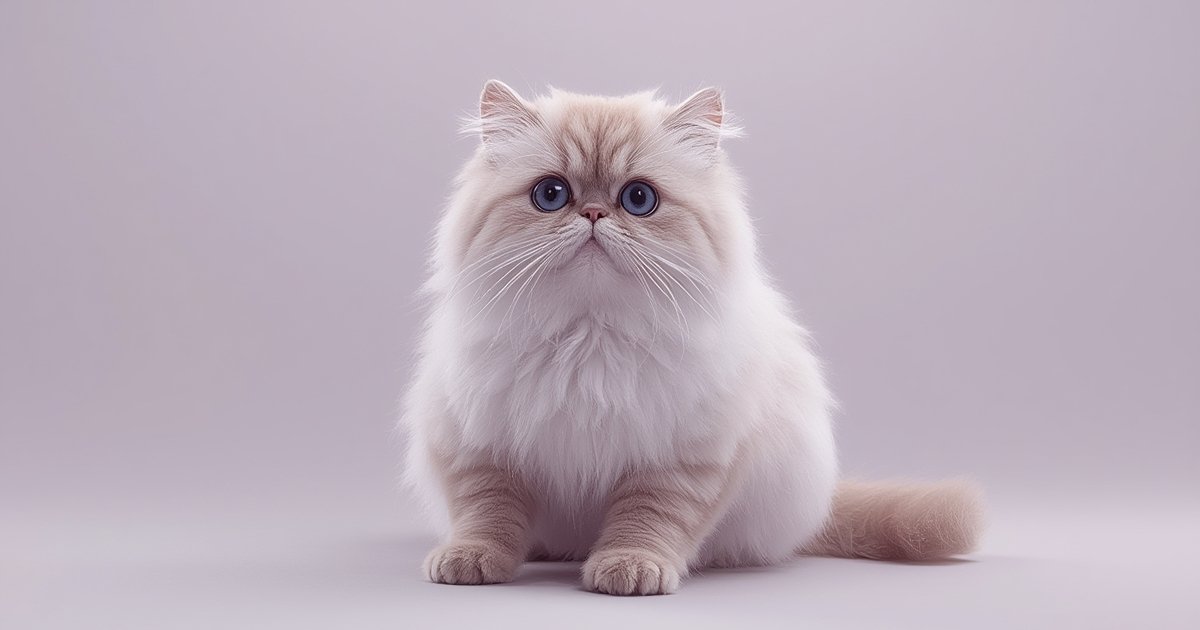
Mastering the art of Persian grooming is the cornerstone of your cat’s health and magnificent appearance. Their luxurious, long coats are undeniably beautiful, but they demand consistent, dedicated care to prevent matting, skin issues, and discomfort. Achieving a flawless coat for your Persian in 2026 isn’t about magical secrets, but rather a commitment to understanding their unique needs and implementing a proactive grooming routine.
Understanding the Unique Challenges of Persian Grooming
The Persian cat’s signature long, dense double coat is a thing of beauty, but it presents unique grooming challenges that new and experienced owners alike must address. This magnificent fur, while stunning, is prone to matting, tangles, and collecting debris, requiring daily attention. Neglecting their coat can lead to severe mats that pull on the skin, causing pain, skin infections, and even restricting movement.
Beyond the fur, Persians also have distinct facial structures that impact their grooming. Their brachiocephalic (flat-faced) features often result in tear staining around the eyes, which needs regular cleaning to prevent discoloration and potential irritation. Their small nostrils can sometimes lead to breathing issues, making the grooming process itself a delicate balance of patience and gentleness to ensure their comfort.
The Anatomy of a Persian Cat’s Coat
A Persian’s coat consists of two layers: a soft, woolly undercoat and a longer, silken topcoat. The undercoat is particularly prone to shedding and matting, especially during seasonal changes. When this undercoat is not regularly removed, it can intertwine with the longer guard hairs, forming dense, painful mats.
Understanding this dual-layer structure is crucial for effective Persian grooming. Brushing techniques must target both layers, ensuring that loose fur is removed from the undercoat without damaging the topcoat. This requires specific tools and a methodical approach to truly get down to the skin and prevent problems from the root.
Why Regular Grooming is Non-Negotiable
For a Persian, grooming isn’t merely a cosmetic exercise; it’s a vital part of their overall health and well-being. Regular grooming sessions offer several key benefits beyond just keeping their coat looking good. It allows owners to routinely check their cat’s skin for any abnormalities, such as bumps, fleas, ticks, or dry patches.
Furthermore, consistent brushing helps distribute natural skin oils, promoting a healthy shine and reducing shedding around the home. It also minimizes the ingestion of loose hair during self-grooming, thereby reducing the incidence of hairballs. A well-groomed Persian is a comfortable, happy, and healthier cat.
Essential Tools for Effective Persian Grooming
Equipping yourself with the right tools is paramount for successful Persian grooming. Attempting to manage their luxurious coat with inadequate brushes or combs can be frustrating for both you and your cat, potentially leading to discomfort or even injury. Investing in high-quality grooming tools designed specifically for long-haired breeds will make the process much smoother and more effective.
Must-Have Brushes and Combs
The core of your grooming kit should include a variety of brushes and combs, each serving a specific purpose in untangling, de-shedding, and smoothing your Persian’s coat. Using these tools correctly will help prevent mats and maintain the coat’s pristine condition.
– Slicker Brush: This brush has fine, short wires packed closely together on a flat or curved surface. It’s excellent for removing loose undercoat and detangling surface mats. Always use with a gentle hand to avoid scratching the skin.
– Wide-toothed Metal Comb: Essential for initial detangling and working through larger knots. The wider teeth glide more easily through dense fur.
– Fine-toothed Metal Comb (Greyhound Comb): Perfect for finishing touches, ensuring the coat is smooth, and checking for any missed tangles, especially on the face, legs, and tail.
– Dematting Tool: A specialized comb with sharp, curved blades on one side. Use with extreme caution to carefully cut through dense mats without pulling on the surrounding fur. Only use if experienced, otherwise, seek professional help.
– Pin Brush: Features widely spaced metal pins with rounded tips. Great for longer hair and general maintenance, especially after a bath to fluff and dry the coat.
Shampoos, Conditioners, and Dryers
Beyond brushes, proper bathing products and drying techniques are crucial. Persians generally require bathing every 4-6 weeks to keep their coats clean and free of oils and debris that can contribute to matting.
– Hypoallergenic Cat Shampoo: Choose a shampoo specifically formulated for cats, preferably one that is hypoallergenic and tear-free, to prevent skin irritation.
– Conditioning Rinse: A good conditioner will help moisturize the coat, making it softer, more manageable, and less prone to tangles.
– High-Velocity Pet Dryer: While optional, a high-velocity dryer significantly speeds up drying time and helps to “fluff” the coat, preventing matting as it dries. Ensure the dryer has a cool setting and never use human hair dryers, which can be too hot and burn their delicate skin.
Other Useful Grooming Gadgets and Accessories
Modern technology offers several aids that can enhance your Persian grooming routine. From specialized clippers to eye-stain removers, these tools can address specific needs.
– Nail Clippers: Regular nail trimming prevents overgrowth, which can be painful and lead to posture problems. Use cat-specific clippers and only clip the clear tip to avoid the quick.
– Ear Cleaner: Use a vet-approved ear cleaning solution and cotton balls to gently clean the outer ear canal, preventing wax buildup and infections.
– Eye Stain Remover: For Persians prone to tear stains, a gentle, cat-safe eye cleaner or wipes can help keep the fur around their eyes clean and prevent stubborn discoloration.
– Grooming Table with Arm: This provides a stable, elevated surface, making grooming easier on your back and keeping your cat secure.
– Protective Bib/Collar: Some cats benefit from a soft, protective bib during grooming, especially if they are prone to biting or scratching during nail trims or brushing.
Comparison of Essential Persian Grooming Tools (2026 Edition)
Investing in the right tools can make all the difference in maintaining your Persian’s exquisite coat. Here’s a comparison of some top grooming aids available in 2026, designed to simplify your Persian grooming efforts.
| Product | Price | Pros | Cons | Best For |
|---|---|---|---|---|
| Purrfect Pet Detangler Spray | $18 – $25 | Significantly reduces static and friction, making brushing easier. Contains natural oils for coat health. | May leave a slight residue if overused. Some cats dislike sprays. | Daily brushing, preventing mats, adding shine. |
| WhiskerWonders Slicker Brush Pro | $25 – $35 | Ergonomic handle, self-cleaning mechanism, gentle on sensitive skin. Effectively removes loose undercoat. | Higher price point than basic slickers. Wire bristles can bend if not stored carefully. | Regular de-shedding, initial detangling for sensitive cats. |
| FelineFlow High-Velocity Dryer (Mini) | $120 – $180 | Quiet operation, multiple heat/speed settings, drastically reduces drying time after baths. Prevents matting during drying. | Initial cost is high. Requires acclimatization for some cats. | Post-bath drying, fluffing coat, reducing professional grooming visits. |
| CoatCare De-Matting Comb 2.0 | $20 – $30 | Safe, rounded blades that effectively slice through stubborn mats without pulling. Ergonomic design for secure grip. | Requires careful handling to avoid skin irritation. Not for complete beginners. | Tackling severe mats and tangles safely. |
The Daily and Weekly Persian Grooming Routine
Consistency is the ultimate secret to a flawless Persian coat. A structured grooming routine, incorporating both daily and weekly tasks, will keep your cat comfortable and prevent minor tangles from escalating into painful mats. This proactive approach to Persian grooming not only saves time in the long run but also strengthens the bond between you and your feline companion.
Daily Brushing Protocol
Daily brushing is non-negotiable for Persian cats. Dedicate at least 10-15 minutes each day to this essential task. Establishing a routine, perhaps in the morning or evening, helps your cat get accustomed to the process.
1. Start with a wide-toothed comb: Gently work through the entire coat, starting from the extremities (legs, tail) and moving towards the body. Pay special attention to “hot spots” like the armpits, behind the ears, and around the ruff, where mats commonly form.
2. Use a slicker brush: Follow up with a slicker brush to remove any remaining loose undercoat and smooth out the topcoat. Brush in the direction of hair growth, using short, gentle strokes.
3. Check for mats: Run your fingers through the coat to feel for any small knots or tangles. Address these immediately with a wide-toothed comb, working patiently from the ends of the mat towards the skin.
4. Focus on facial care: Gently wipe around your Persian’s eyes with a damp, soft cloth or a specialized eye wipe to remove tear stains. Clean their ears with a cotton ball and vet-approved solution if needed.
Weekly Deep Grooming Tasks
While daily brushing tackles the surface, weekly sessions delve deeper, ensuring comprehensive care. These sessions might take 30-60 minutes, depending on your cat’s coat condition.
– Nail Trimming: Trim your Persian’s nails every 1-2 weeks. Be careful to only clip the very tip to avoid cutting the quick, which is painful and can bleed. If unsure, ask your vet or a professional groomer to demonstrate.
– Ear Cleaning: Check their ears for wax buildup or signs of infection. If necessary, use a veterinarian-approved ear cleaner. Apply a few drops to a cotton ball and gently wipe the visible parts of the ear. Never insert anything into the ear canal.
– Dental Care: Introduce dental hygiene early on. Brushing your cat’s teeth a few times a week with pet-specific toothpaste and a soft brush can significantly improve their oral health.
– Full Coat Inspection: During your weekly session, take the time to thoroughly inspect your cat’s entire body. Feel for any lumps, bumps, or skin irritations. Check their paws for debris or cracked pads. This is also a good time to check for any parasites.
Building a Positive Grooming Experience
Making grooming a positive experience is key to a cooperative cat. Start early, introduce tools slowly, and always use positive reinforcement.
– Start Young: Acclimatize kittens to grooming tools and handling from a young age.
– Short Sessions: Keep initial grooming sessions short and positive, gradually increasing duration as your cat tolerates it.
– Treats and Praise: Reward your cat with treats and plenty of verbal praise during and after grooming.
– Gentle Handling: Always be gentle. If you encounter a knot, don’t yank; gently tease it apart.
– Consistent Schedule: Cats thrive on routine. Stick to a consistent grooming schedule to minimize stress.
Bathing Your Persian: A Gentle Approach
Bathing a Persian cat can seem daunting, given their aversion to water and their voluminous coat. However, regular baths (typically every 4-6 weeks) are crucial for removing dirt, excess oil, and dander that brushing alone cannot tackle. A clean coat is less prone to matting and helps maintain skin health. Approaching bath time with patience, preparation, and the right technique will make the process less stressful for both of you.
Preparation is Key for a Stress-Free Bath
Before you even think about getting your Persian wet, proper preparation will set the stage for a smoother experience. Gather all your supplies beforehand, so you don’t have to leave your cat unattended.
1. Trim nails: Trim your cat’s nails *before* the bath to protect yourself from scratches.
2. Brush thoroughly: Give your cat a thorough brush to remove as many loose hairs and tangles as possible. This prevents mats from tightening when wet.
3. Gather supplies: Have everything within arm’s reach: cat-specific shampoo, conditioner, several towels, a non-slip mat for the tub/sink, a cup for rinsing, and cotton balls for ears.
4. Protect ears: Gently place cotton balls in your cat’s ears to prevent water from entering the ear canal, which can lead to infections.
5. Warm water: Fill the tub or sink with 3-4 inches of lukewarm water *before* bringing your cat in. The sound of running water can be frightening.
The Bathing Process, Step-by-Step
Once prepared, proceed calmly and gently. Speak in a soothing voice throughout the process to reassure your cat.
1. Wet the coat: Gently place your cat into the water. Using a cup, slowly wet their coat, starting from the neck and working your way down to the tail. Avoid directly spraying water on their face.
2. Apply shampoo: Dilute cat shampoo with a little water in a separate cup to make it easier to distribute. Apply the shampoo, gently massaging it into the coat, ensuring it reaches the skin. Work from the neck down, avoiding the face and ears.
3. Rinse thoroughly: This is arguably the most important step. Rinse the shampoo out completely using lukewarm water, ensuring no residue is left behind, as this can irritate the skin and attract dirt. Rinse multiple times until the water runs clear.
4. Condition (optional but recommended): Apply a cat-specific conditioner, focusing on the ends of the hair. Let it sit for the recommended time (usually 2-5 minutes) and then rinse thoroughly, even more so than with shampoo.
5. Final rinse: Perform one last thorough rinse to ensure all products are removed.
Drying Your Persian Safely
Proper drying is just as critical as proper bathing to prevent mats and ensure your cat’s comfort. Leaving a Persian’s coat to air dry is a recipe for disaster.
1. Towel dry: Immediately after rinsing, wrap your cat in a large, absorbent towel. Gently blot and squeeze the excess water from their coat. Do not rub vigorously, as this can cause tangles. You may need several towels.
2. Use a pet dryer: Once towel-dried, use a low-heat, low-speed pet-specific blow dryer. Never use a human hair dryer, as they get too hot. Continuously brush your cat’s coat with a pin brush or slicker brush as you dry, lifting the hair to ensure it dries evenly and prevents matting. Focus on drying the roots first.
3. Comb through: Once completely dry, give your Persian a final comb-through with a fine-toothed metal comb to ensure there are no remaining tangles or damp spots. A damp spot can quickly turn into a mat.
Tackling Common Persian Grooming Challenges
Despite diligent daily and weekly Persian grooming, certain challenges are almost inevitable for owners of this majestic breed. Knowing how to effectively address these common issues can prevent discomfort for your cat and maintain their stunning appearance. Proactive measures and prompt attention are key.
Dealing with Mats and Tangles
Mats are the bane of every Persian owner’s existence. They form when loose hair gets intertwined and compressed, often in high-friction areas like armpits, behind ears, under the belly, and the hindquarters.
– Prevention is best: The best strategy is consistent daily brushing to prevent mats from forming in the first place. Use a detangling spray if the coat feels dry or prone to tangles.
– Small mats: For small, loose mats, try gently working them out with your fingers first, then a wide-toothed comb. Work from the outer edge of the mat, teasing small sections apart.
– Stubborn mats: If a mat is tight and close to the skin, do NOT pull or try to force a comb through it. This will cause pain and skin damage. Use a dematting tool very carefully, or safety scissors (blunt-nosed, sliding *under* the mat, parallel to the skin). Always ensure there’s a finger or comb between the mat and the skin to prevent cutting the cat.
– Severe matting: For large, dense, or numerous mats, the safest and most humane option is to take your cat to a professional groomer or veterinarian. They can safely shave the mats out, which is often the only solution for severe cases.
Managing Tear Stains
Persian cats’ unique facial structure often leads to excessive tearing and subsequent tear stains around their eyes. These stains are not just unsightly but can also indicate potential irritation or infection if not cleaned regularly.
– Daily cleaning: Gently wipe the area around your cat’s eyes daily with a soft, damp cloth or a specialized pet eye wipe. This prevents new stains from setting in.
– Specialized cleaners: For existing stains, use a cat-safe tear stain remover product. Follow the product instructions carefully. Some products require consistent application over several weeks to see results.
– Check for underlying issues: If tear staining is severe, accompanied by redness, swelling, or discharge, consult your veterinarian. There might be an underlying medical condition, such as allergies, blocked tear ducts, or an eye infection, that requires treatment.
Hairball Prevention
Due to their long coats, Persians are more prone to ingesting large amounts of hair during self-grooming, leading to hairballs. These can cause digestive upset, vomiting, or in severe cases, intestinal blockages.
– Consistent brushing: Regular, thorough brushing is the most effective way to reduce ingested hair. The more hair you remove with a brush, the less your cat swallows.
– Hairball control diet: Many premium cat food brands offer formulas specifically designed for hairball control. These often contain added fiber to help hair pass through the digestive system more easily.
– Hairball remedies: Over-the-counter hairball pastes or supplements contain lubricants that help hair move through the digestive tract. Administer these as directed by your veterinarian.
– Hydration: Ensure your cat always has access to fresh, clean water. Good hydration aids digestion.
Diet and Health: The Internal Secret to External Shine
While external Persian grooming is crucial, the true secret to a consistently flawless and vibrant coat often begins from within. A balanced, high-quality diet and robust overall health are foundational to your Persian’s skin and coat condition. What you feed your cat directly impacts the luster, strength, and health of their fur.
The Role of Nutrition in Coat Health
A cat’s coat is a reflection of its internal health. A dull, dry, or excessively shedding coat can often be a sign of nutritional deficiencies.
– High-quality protein: Cats are obligate carnivores, meaning they require a diet rich in animal-based protein. Protein provides the building blocks for healthy hair growth. Look for foods where meat is the first ingredient.
– Essential fatty acids: Omega-3 and Omega-6 fatty acids are vital for skin hydration and coat shine. Ingredients like fish oil, flaxseed, and chicken fat are excellent sources. These fatty acids help reduce inflammation, which can contribute to dry skin and excessive shedding.
– Vitamins and minerals: A complete and balanced diet should provide all necessary vitamins and minerals. Biotin, zinc, and B vitamins are particularly important for skin and coat health.
– Avoid fillers: Steer clear of cat foods with excessive fillers, artificial colors, or by-products that offer little nutritional value.
Supplements for an Extra Boost
While a complete diet is paramount, certain supplements can provide an extra boost, especially for Persians with specific coat concerns. Always consult your veterinarian before adding any supplements to your cat’s diet.
– Fish oil (Omega-3): Often recommended for improving coat shine and reducing shedding. Choose a high-quality, mercury-free fish oil specifically formulated for pets.
– Biotin: A B vitamin known for its role in hair and nail health. It can help improve coat strength and reduce brittleness.
– Probiotics: A healthy gut microbiome contributes to overall health, including nutrient absorption, which can indirectly benefit skin and coat condition.
Regular Veterinary Check-ups
Beyond diet, regular veterinary care ensures that any underlying health issues that could affect the coat are caught and treated early.
– Annual exams: Schedule annual check-ups with your veterinarian. These visits allow for a thorough physical examination and discussions about any changes in your cat’s health or coat condition.
– Parasite control: Ensure your Persian is on a consistent flea, tick, and worm prevention program. Parasites can cause intense itching, skin irritation, and damage to the coat.
– Addressing skin conditions: If your cat develops persistent dry skin, dandruff, excessive scratching, or bald patches, these could be signs of allergies, fungal infections, or other dermatological issues that require veterinary intervention.
Conclusion
Achieving and maintaining your Persian cat’s flawless coat in 2026 is a journey built on dedication, the right tools, and a holistic approach to their well-being. From understanding the unique demands of Persian grooming to implementing a consistent daily and weekly routine, every step contributes to their comfort, health, and stunning appearance. Remember that while external grooming is visible, internal health, driven by optimal nutrition and regular vet care, provides the true foundation for a radiant coat.
Embrace these practices, and you’ll not only keep your Persian looking magnificent but also deepen the bond you share through nurturing touch and care. For further insights into feline health and to discover more premium grooming solutions, explore our extensive resources and expert articles.
Frequently Asked Questions (FAQ)
How often should I groom my Persian cat?
Persian cats require daily brushing to prevent mats and tangles from forming. A more thorough grooming session, including nail trimming and ear cleaning, should be done weekly. Baths are typically needed every 4-6 weeks, or as their coat requires.
What if my Persian cat hates being groomed?
Start grooming early in life, keep sessions short and positive, and use plenty of treats and praise. Be gentle, never force them, and gradually increase the duration. If aversion persists, consult a professional groomer or veterinarian for advice on desensitization techniques.
Can I use human shampoo on my Persian cat?
No, you should never use human shampoo on cats. Human shampoos are formulated for a different pH level than a cat’s skin and can cause dryness, irritation, or allergic reactions. Always use a shampoo specifically designed for cats, preferably one that is hypoallergenic and tear-free.
When should I seek professional grooming help for my Persian?
You should seek professional help if your cat develops severe mats that you cannot safely remove, if they exhibit extreme anxiety or aggression during grooming, or if you notice persistent skin issues. Professional groomers have the expertise and tools to handle challenging coats and temperaments.
How can I prevent tear stains on my Persian?
Regular daily cleaning of the area around their eyes with a damp cloth or specialized pet eye wipe is crucial. You can also use cat-safe tear stain remover products for existing stains. If staining is excessive or accompanied by discharge, consult your veterinarian to rule out underlying medical conditions.
References and Further Reading
- The Importance of Grooming Your Cat – ASPCA
- Persian Cat Breed Information and Characteristics – The Cat Fanciers’ Association
- Understanding Cat Nutrition for a Healthy Coat – Cornell Feline Health Center
- How to Bathe Your Cat Without a Scratch – American Veterinary Medical Association
- Managing Hairballs in Cats – Pet Health Network
Contact us at support@dax.ai for more personalized advice or product recommendations.
Leave a Reply