

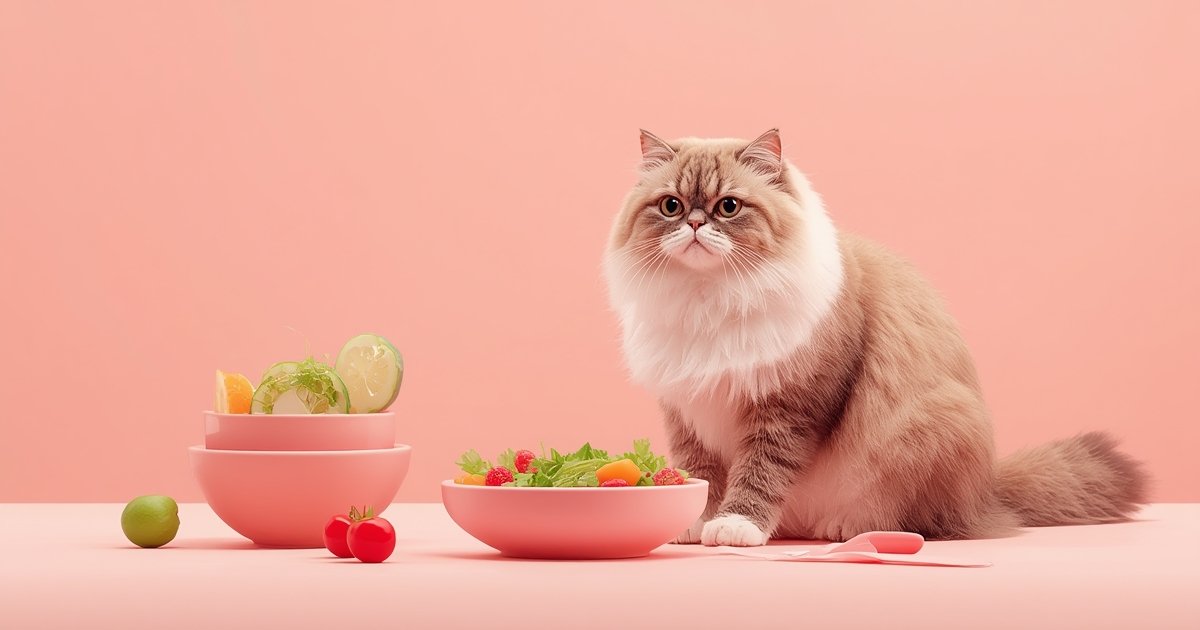
A healthy Persian cat diet is paramount for the well-being of these magnificent felines, whose long, luxurious coats and distinctive facial structures come with specific nutritional demands. Neglecting these needs can lead to a host of health issues, from digestive problems to dull fur. Understanding the intricacies of the ideal Persian cat diet is essential for every owner, ensuring your beloved pet thrives now and in the years to come.
Understanding the Unique Nutritional Needs of Persian Cats
Persian cats are renowned for their elegant appearance, but beneath that beautiful exterior lies a breed with particular dietary requirements. Their brachycephalic (flat) faces, long coats, and sometimes less active lifestyles mean their nutrition must be carefully tailored. This isn’t just about feeding them any cat food; it’s about providing a specialized Persian cat diet that supports their unique physiology.
One primary consideration is their facial structure. The flattened muzzle can make it challenging for them to pick up and chew certain types of kibble, leading to messy eating and potentially ingesting air. Their long fur, while stunning, also means they are prone to hairball formation, requiring dietary fibers that aid in digestion and hairball control. A proper Persian cat diet must address these factors to promote optimal health.
The Impact of Genetics and Lifestyle on Diet
Like all purebred cats, Persians can be predisposed to certain genetic conditions that influence their dietary needs. For example, some may be prone to Polycystic Kidney Disease (PKD), making kidney-supportive diets a crucial consideration later in life. Their typically indoor and often less active lifestyle also means they are at a higher risk of obesity if their calorie intake isn’t carefully managed.
Therefore, an effective Persian cat diet isn’t static; it evolves with your cat’s age, activity level, and health status. Regular veterinary check-ups are vital to assess their condition and adapt their feeding plan accordingly. Providing the right nutrition from kittenhood through their senior years will contribute significantly to their longevity and quality of life.
The Core Components of an Optimal Persian Cat Diet
Crafting the perfect Persian cat diet involves understanding the essential macronutrients and micronutrients they require. Cats are obligate carnivores, meaning their bodies are designed to derive nutrients primarily from animal protein. This fundamental biological fact dictates the foundation of any healthy feline diet, especially for a breed like the Persian with its specific sensitivities.
The cornerstone of a healthy Persian cat diet should always be high-quality animal protein. This means real meat sources like chicken, turkey, fish, or beef, rather than by-products or vague “meat meals” listed as the first ingredient. Protein is crucial for muscle maintenance, healthy skin and coat, and overall cellular function. A diet lacking in adequate, digestible protein will quickly manifest in poor coat quality, low energy, and weakened immunity.
Balancing Fats, Carbohydrates, and Fiber
While protein is king, fats are also vital. They provide concentrated energy, aid in the absorption of fat-soluble vitamins (A, D, E, K), and contribute to skin and coat health. Essential fatty acids, particularly Omega-3s and Omega-6s, are crucial for reducing inflammation and maintaining that signature luxurious Persian coat. Look for sources like fish oil or flaxseed in their food.
Carbohydrates, in moderation, can provide an additional energy source, but they should be highly digestible and come from quality sources like peas, sweet potatoes, or limited whole grains. Excessive carbohydrates, especially from fillers like corn or wheat, can contribute to weight gain and digestive upset in some sensitive Persians. Fiber is also important, primarily for digestive health and hairball management. Ingredients like beet pulp or psyllium husk can aid in moving food through the digestive tract and encapsulating swallowed hair.
Navigating Food Choices: Wet vs. Dry vs. Raw for Your Persian
When it comes to selecting the actual food, owners face a plethora of options: dry kibble, wet canned food, semi-moist pouches, and even raw diets. Each option presents its own set of pros and cons, and the best choice for a Persian cat diet often involves a combination or careful consideration of individual needs. It’s a decision that impacts not only convenience but also your cat’s overall health and hydration.
Dry kibble is often the most convenient and cost-effective option. Many high-quality dry foods are formulated to meet the specific needs of long-haired breeds, sometimes featuring unique shapes designed for brachycephalic cats to pick up more easily. The crunchy texture can also help with dental hygiene, though it should not be solely relied upon for preventing dental disease. The main drawback is its low moisture content, which can be a concern for cats prone to urinary tract issues.
Wet food, conversely, offers excellent hydration, which is a significant benefit for a Persian cat diet. Its high moisture content helps support kidney and urinary health. It’s often more palatable and easier for Persians with dental issues or those struggling to chew kibble. However, wet food can be more expensive, and once opened, it has a shorter shelf life. A common strategy is to feed a mix of wet and dry food to combine the benefits of both.
Exploring Specialized Diets and Supplements for Persians
Beyond the standard wet and dry options, there are specialized diets formulated for specific conditions or life stages. For instance, some veterinary diets target hairball control, sensitive stomachs, or weight management, all of which can be relevant to the Persian cat diet. Freeze-dried or raw food diets are also gaining popularity, aiming to mimic a cat’s ancestral diet. These require careful handling and preparation to ensure nutritional completeness and safety from pathogens. Always consult with a veterinarian before transitioning to a raw diet.
No matter the primary food choice, sometimes a Persian cat diet may benefit from targeted supplements. These are not a replacement for a balanced diet but can offer additional support.
Comparison of Popular Cat Food Types for Persian Cats
| Product Type | Average Price (per lb/can) | Pros | Cons | Best For |
|---|---|---|---|---|
| Premium Dry Kibble (Brachycephalic-friendly) | $3.00 – $5.00/lb | Convenient, dental benefits, specialized kibble shapes for flat faces. | Low moisture content, can contribute to dehydration if water intake isn’t monitored. | General health, owners seeking convenience, dental support. |
| High-Quality Wet Food (Grain-free) | $2.00 – $4.00/can | Excellent hydration, highly palatable, easier to eat for flat-faced cats. | More expensive, shorter shelf life once opened, can lead to dental issues if not supplemented. | Urinary health, picky eaters, cats with dental or chewing difficulties. |
| Freeze-Dried Raw Cat Food | $10.00 – $15.00/lb | Minimally processed, high nutrient retention, often very palatable. | Higher cost, requires rehydration, strict handling to prevent bacterial contamination. | Owners committed to a “natural” diet, cats with sensitivities, weight management. |
Essential Supplements and Hydration for Persian Cats
Even with a high-quality, balanced Persian cat diet, certain supplements can provide an extra layer of support, especially for specific needs. Hydration, however, is not an optional extra; it is a fundamental pillar of health for all cats, and Persians are no exception. Ensuring your Persian has consistent access to fresh water is as important as the food they eat.
Omega fatty acids are perhaps one of the most commonly recommended supplements for Persians. Their long coats benefit immensely from Omega-3s and Omega-6s, which contribute to skin elasticity, reduce shedding, and give the fur its characteristic shine. Fish oil (salmon or sardine oil) is a popular source. Always ensure the oil is specifically formulated for pets and dosed correctly to avoid vitamin imbalances.
Targeted Supplements for Common Persian Issues
For hairball management, which is a constant battle for many Persian owners, fiber supplements or specialized hairball pastes can be very effective. These products often contain ingredients like psyllium, slippery elm, or gentle oils that help lubricate the digestive tract and facilitate the passage of swallowed hair. Consult your vet to determine the best approach for your cat’s specific hairball frequency and severity.
Probiotics and prebiotics can also be beneficial, especially for Persians with sensitive stomachs or those recovering from digestive upsets. A healthy gut microbiome is crucial for nutrient absorption and overall immune function. Glucosamine and chondroitin, often found in joint support supplements, may be considered for older Persians or those with a history of joint issues, although this is less specific to the breed than coat or hairball issues.
Strategies for Encouraging Water Intake
Many cats have a naturally low thirst drive, and their ancient desert ancestors derived most of their moisture from prey. In a domestic setting, this can lead to chronic mild dehydration if they are primarily fed dry food. For a robust Persian cat diet, enhancing hydration is key.
Here are practical strategies to encourage your Persian to drink more water:
– **Multiple Water Stations:** Place several bowls of fresh water around the house, in different rooms and quiet spots.
– **Ceramic or Stainless Steel Bowls:** Some cats dislike the taste or smell of plastic bowls.
– **Water Fountains:** Many cats are attracted to moving water, finding it fresher and more stimulating. Clean these regularly.
– **Add Water to Food:** Mix a little warm water (or low-sodium broth) into their wet food to increase moisture content.
– **Change Water Frequently:** Fresh water is always more appealing. Change it at least once a day, preferably twice.
– **Consider Wet Food:** As mentioned, incorporating wet food into their Persian cat diet significantly boosts hydration.
Common Dietary Challenges and Solutions for Persians
Despite best intentions, Persian cat owners often encounter specific dietary hurdles. These challenges, while sometimes frustrating, usually have practical solutions once identified. Understanding these potential pitfalls is key to maintaining a consistent and healthy Persian cat diet.
One of the most common issues is their brachycephalic facial structure impacting eating habits. Persians can struggle to scoop up small kibble effectively, leading to food scattering, frustration, and sometimes less intake than desired. This often results in a messy eating area and potentially inadequate nutrition.
Addressing Flat-Face Eating Issues and Hairballs
For flat-faced eating challenges, consider specialized kibble designed for brachycephalic breeds. These often come in flatter, larger shapes that are easier for them to grasp with their tongues and mouths. Raised food bowls can also make eating more comfortable, reducing strain on their neck and face. Sometimes, simply switching to primarily wet food can resolve this issue entirely, as wet food is easier to lap up.
Hairballs are almost synonymous with long-haired cats, and Persians are certainly no exception. While regular grooming is paramount, diet plays a significant role in minimizing their occurrence. Look for a Persian cat diet formulated with specific ingredients for hairball control, typically higher in digestible fiber.
– **Increased Fiber:** Diets rich in ingredients like beet pulp, psyllium, or chicory root help bind hair and move it through the digestive tract.
– **Specific Hairball Formulas:** Many premium brands offer specific formulas to aid hairball control.
– **Veterinary Advice:** If hairballs are frequent and causing regurgitation or blockages, consult your vet immediately. They may recommend specific therapeutic diets or treatments.
Managing Obesity and Food Sensitivities
Given their often-sedentary lifestyle, obesity is another concern for Persians. Overweight cats are prone to diabetes, joint problems, and other health complications. Preventing and managing obesity involves careful portion control, selecting appropriate calorie-dense foods, and encouraging activity.
– **Precise Portioning:** Always measure your cat’s food according to package instructions for their ideal weight, not their current weight. Adjust based on activity level.
– **Low-Calorie Options:** Consider “light” or “weight management” formulas if your cat is overweight, but ensure they still meet all nutritional needs.
– **Interactive Play:** Encourage physical activity through toys, laser pointers, and playtime sessions to burn calories.
Food sensitivities or allergies can manifest as digestive upset (vomiting, diarrhea), skin issues (itching, redness), or excessive grooming. Identifying the culprit can be challenging but is crucial for a healthy Persian cat diet.
– **Elimination Diet:** Under veterinary guidance, switch to a novel protein (e.g., duck, venison) or a hydrolyzed protein diet for several weeks to identify allergens.
– **Limited Ingredient Diets (LID):** These diets contain fewer ingredients, making it easier to pinpoint and avoid potential allergens.
– **Consult Your Vet:** Always work with a veterinarian to diagnose and manage suspected food allergies, as self-diagnosis can lead to nutritional deficiencies.
Monitoring and Adapting Your Persian Cat’s Diet
Providing a stellar Persian cat diet is not a one-time decision; it’s an ongoing process of observation, adjustment, and collaboration with your veterinarian. Your cat’s nutritional needs will change throughout their life, and what works perfectly for a playful kitten may not be suitable for a senior cat. Regular monitoring of their health and habits is crucial to ensure their diet remains optimal.
Pay close attention to changes in their appetite, weight, coat condition, energy levels, and litter box habits. Any significant deviation can be a sign that their diet needs adjustment or that there’s an underlying health issue. A dull coat, excessive shedding, weight loss or gain, lethargy, or changes in stool consistency are all indicators that something might be amiss with their current Persian cat diet.
The Importance of Regular Veterinary Check-ups
Annual or bi-annual veterinary check-ups are indispensable for monitoring your Persian’s health. Your vet can assess their body condition score, recommend blood tests to check for organ function, and provide tailored advice on their diet. They can also help identify any emerging health concerns that require dietary modifications, such as kidney disease, diabetes, or dental problems.
As your Persian cat ages, their metabolism slows down, and their activity levels may decrease. They might also develop age-related conditions like arthritis or dental issues. Senior cats often benefit from diets formulated for older felines, which typically contain fewer calories, higher levels of joint-supporting nutrients, and highly digestible proteins. Conversely, growing kittens require more calories and specific nutrients to support their rapid development.
Transitioning between different foods or modifying a Persian cat diet should always be done gradually. Abrupt changes can cause digestive upset. Over 7-10 days, slowly mix increasing amounts of the new food with decreasing amounts of the old food until the transition is complete. This allows your cat’s digestive system to adapt smoothly.
Maintaining a super healthy Persian cat diet requires dedication, careful observation, and a willingness to adapt. By prioritizing high-quality protein, ensuring adequate hydration, addressing breed-specific challenges like hairballs and flat-face eating, and working closely with your veterinarian, you can provide your cherished Persian with the best possible nutritional foundation for a long, vibrant life. Their well-being is directly linked to the choices you make regarding their food, making it one of the most important aspects of their care.
Discover more pet care tips, product reviews, and exclusive offers by joining the Dax AI community. Connect with us on social media or reach out to our expert team for personalized advice!
Frequently Asked Questions (FAQ)
What is the best type of food for a Persian cat’s flat face?
For Persian cats with flat faces, dry kibble with specialized shapes (often flatter or larger) designed for brachycephalic breeds can be easier to pick up. Wet food is also an excellent option as it’s easier to lap up and provides crucial hydration.
How often should I feed my Persian cat?
Most adult Persian cats benefit from being fed two to three times a day. Kittens require more frequent meals, typically three to four times a day. It’s best to consult your veterinarian for a precise feeding schedule based on your cat’s age, weight, and activity level.
Are grain-free diets necessary for Persian cats?
Not all Persian cats require a grain-free diet. While some cats may have sensitivities to grains, there’s no universal evidence that grain-free is inherently superior for all cats. The most important factor is a high-quality, digestible protein source as the primary ingredient. Consult your vet if you suspect a grain sensitivity.
How can I prevent hairballs in my Persian cat through diet?
Dietary approaches to hairball prevention for Persian cats include feeding a high-fiber diet, often found in specialized “hairball control” formulas. Ingredients like beet pulp, psyllium husk, or various plant fibers help move ingested hair through the digestive tract. Regular grooming is also essential.
What human foods are safe for my Persian cat?
While a complete Persian cat diet should come from balanced cat food, small amounts of certain human foods can be safe as occasional treats. These include cooked lean meats (chicken, turkey, beef without seasoning), cooked fish, and small portions of plain scrambled eggs. Avoid onions, garlic, chocolate, grapes, raisins, and avocado, which are toxic.
Leave a Reply