

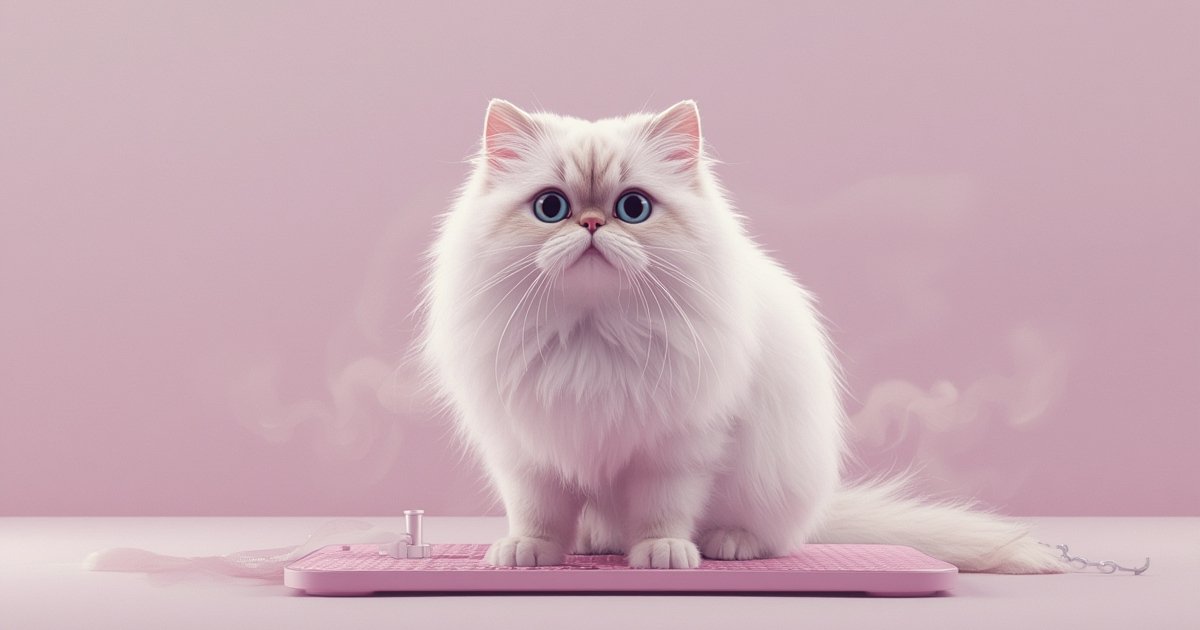
Master Persian grooming with our ultimate guide for 2026. Discover essential tools, techniques, and tips to keep your fluffy feline healthy and happy.
Understanding Your Persian’s Unique Coat
Few breeds possess the sheer majesty and luxuriant fluff of the Persian cat. Their iconic long, flowing coats are a hallmark of their beauty, but they also come with specific grooming needs. Understanding the structure and characteristics of your Persian’s fur is the first step toward effective Persian Grooming.
These magnificent felines are renowned for their gentle temperament and striking appearance, but maintaining that appearance requires dedication. Without proper care, their beautiful coats can quickly become matted and uncomfortable, leading to potential health issues.
The Double-Coat Dilemma
Persian cats boast a dense, double-layered coat. This consists of a fine, woolly undercoat that provides insulation and a longer, silken topcoat that gives them their characteristic flowing look. This combination, while stunning, is highly prone to tangles and mats.
The undercoat sheds continuously, and if not brushed out regularly, it can get trapped beneath the topcoat, forming painful knots. These mats can pull on the skin, restrict movement, and even harbor parasites or skin infections if left unattended. Regular Persian Grooming is non-negotiable for their well-being.
Common Grooming Challenges
While their coat is the most prominent feature, Persian cats present several unique grooming challenges beyond just their fur. Their brachycephalic (flat) faces often lead to tear staining, and their relatively small ears can be prone to wax buildup. Their gentle nature also means they can be sensitive to rough handling.
Addressing these challenges proactively through consistent Persian Grooming practices will ensure your cat remains happy and healthy. It’s about more than just aesthetics; it’s a vital part of their overall health regimen.
Essential Tools for Effective Persian Grooming
Equipping yourself with the right tools is paramount for a successful Persian Grooming routine. Investing in high-quality grooming products will not only make the process easier for you but also more comfortable and enjoyable for your feline companion. Cheap tools can often pull fur, cause static, or be ineffective, leading to frustration for both of you.
Think of your grooming kit as an extension of your care for your Persian. Each item serves a specific purpose, designed to address the unique needs of their luxurious coat and delicate features. Proper tool selection is the foundation of excellent Persian Grooming.
Brushes and Combs
The cornerstone of any Persian Grooming kit is a selection of brushes and combs. You’ll need different types to tackle the various layers and textures of their coat.
– **Slicker Brush:** Excellent for removing loose fur from the topcoat and gently detangling. Choose one with fine, bent wires that are tipped to prevent scratching the skin.
– **Metal Comb (Wide-toothed and Fine-toothed):** Indispensable for working through mats and checking for tangles. The wide-toothed end is for general detangling, while the fine-toothed end helps with smaller knots and checking for fleas.
– **Pin Brush:** Good for general daily brushing, especially for longer, topcoat strands. It helps to stimulate blood circulation and distribute natural oils.
Shampoos and Conditioners
Bathing a Persian cat is a ritual that requires specialized products. Regular human shampoos can strip their coat of essential oils and irritate their skin. Look for products specifically formulated for long-haired cats or those with sensitive skin.
– **Hypoallergenic Cat Shampoo:** Essential for deep cleaning without causing irritation. Look for tearless formulas for facial areas.
– **Conditioner for Long-Haired Cats:** Helps to moisturize the coat, making it softer, shinier, and less prone to tangles. It also aids in static control, which can be an issue with such a dense coat.
– **De-shedding Shampoo (Optional):** Can be used periodically to help release loose undercoat fur during bath time, reducing shedding between baths.
Nail Clippers and Eye Wipes
Beyond the coat, attention to detail around the eyes, ears, and paws is crucial for complete Persian Grooming.
– **Cat-Specific Nail Clippers:** Choose a scissor-style or guillotine-style clipper that you find comfortable to use. Regular trimming prevents nails from becoming overgrown and painful.
– **Eye Wipes/Pads:** Medicated or saline wipes specifically designed for cats help gently clean away tear stains and discharge around their delicate eyes.
– **Ear Cleaner:** A vet-approved solution for gently cleaning your cat’s ears and preventing wax buildup and infections. Always use cotton balls or soft gauze, never cotton swabs, to avoid pushing debris further in.
Comparison of Top Persian Grooming Tools
To help you choose, here’s a comparison of some popular grooming tools that are highly recommended for effective Persian Grooming.
| Product | Price | Pros | Cons | Best For |
|---|---|---|---|---|
| Safari Self-Cleaning Slicker Brush | $15-$20 | Retracts bristles for easy fur removal, gentle on skin. | May not penetrate very dense undercoats as deeply as some. | Daily brushing and light detangling. |
| Andis Pet Steel Grooming Comb | $10-$15 | Durable stainless steel, wide and fine teeth for versatile use. | Can be sharp if not used carefully, requires a gentle hand. | Serious detangling and mat removal. |
| Burt’s Bees for Cats Tearless Shampoo | $8-$12 | Natural ingredients, gentle, pH balanced, no harsh chemicals. | Scent might not appeal to all cats, less lathering. | Cats with sensitive skin or allergies. |
| Challenger Cat Nail Clippers with LED Light | $18-$25 | Built-in LED helps see the quick, sharp blades. | Battery life can vary, takes practice to master. | Nail trimming, especially for black or dark nails. |
A Step-by-Step Guide to Your Persian Grooming Routine
Consistency is key when it comes to Persian Grooming. Establishing a regular routine will not only keep your cat looking magnificent but also help them become accustomed to the process, making it less stressful for both of you. Aim for short, frequent sessions rather than infrequent, long ones.
Start grooming your Persian from a young age if possible, to socialize them with the tools and handling. Positive reinforcement, like treats and praise, can go a long way in making grooming a pleasant experience.
Daily Brushing Rituals
Daily brushing is the most crucial aspect of Persian Grooming. It prevents mats, removes loose fur, and reduces the amount of hair your cat ingests, which helps prevent hairballs.
- **Prepare Your Cat:** Find a quiet, comfortable spot where your cat feels secure. Start with gentle strokes, praising them and offering treats.
- **Section the Coat:** Work on one section of the body at a time – belly, legs, chest, back, and tail. This ensures you don’t miss any areas.
- **Use a Slicker Brush:** Gently brush against the direction of hair growth first to lift the undercoat, then in the direction of growth to smooth and remove loose hair.
- **Follow with a Metal Comb:** Use the wide-toothed end to carefully comb through the entire coat, checking for any tangles or mats. Pay special attention to “friction areas” like armpits, behind the ears, and the belly, where mats frequently form.
- **Finish with a Pin Brush:** A few strokes with a pin brush will add shine and a final polish to the topcoat.
Bathing Your Fluffy Friend
While daily brushing is essential, bathing is also a necessary part of Persian Grooming, typically every 4-6 weeks, or as needed, to keep their coat truly clean and free of oils that can contribute to matting.
- **Pre-Bath Prep:** Thoroughly brush out any mats *before* bathing. Water will only tighten mats, making them impossible to remove.
- **Gather Supplies:** Have shampoo, conditioner, a few towels, and a non-slip mat ready. Use lukewarm water, never hot.
- **The Bath:** Gently wet your cat’s entire coat, avoiding their face. Apply shampoo, working it into a lather, paying attention to the dirtiest areas. Rinse thoroughly until no suds remain.
- **Condition:** Apply conditioner, let it sit for a few minutes as per product instructions, then rinse completely. This is vital for detangling and preventing future mats.
- **Drying:** Gently squeeze excess water from the coat. Wrap your cat in a warm towel. For a full, fluffy coat, use a pet-specific low-heat blow dryer while continuously brushing. Always keep the dryer moving to avoid overheating any one spot.
Eye and Ear Care
The brachycephalic nature of Persians means their eyes often tear, leading to stains. Their small ears can also accumulate wax. Addressing these is a routine part of comprehensive Persian Grooming.
– **Eye Cleaning:** Daily, gently wipe away tear stains and discharge using a damp, soft cloth or specialized eye wipes. Always wipe away from the eye, using a fresh part of the cloth for each eye to prevent spreading any potential infection.
– **Ear Cleaning:** Once a week, or as directed by your vet, apply a few drops of vet-approved ear cleaner into the ear canal. Gently massage the base of the ear to distribute the solution. Allow your cat to shake their head, then gently wipe away any visible wax or debris with a cotton ball. Never insert anything into the ear canal.
Nail Trimming Made Easy
Regular nail trimming, usually every 2-4 weeks, is crucial to prevent overgrown nails that can get snagged, cause discomfort, or even grow into their paw pads.
- **Get Comfortable:** Hold your cat securely but gently. You might need assistance if your cat is squirmy.
- **Identify the Quick:** The “quick” is the pinkish part of the nail that contains blood vessels and nerves. Avoid cutting it. If your cat has dark nails, trim only the very tip.
- **Clip Gently:** Use sharp, cat-specific nail clippers. Clip just the very tip of each nail, at a slight angle. If you accidentally cut the quick, apply styptic powder to stop the bleeding.
- **Reward:** Always offer a treat and praise after each successful trim to build positive associations.
Addressing Specific Persian Grooming Concerns
Even with a regular routine, certain issues specific to the Persian breed might arise. Knowing how to address them effectively is crucial for maintaining your cat’s comfort and health. Proactive identification and treatment of these concerns can prevent them from escalating into more serious problems.
Effective Persian Grooming involves not just routine maintenance but also specialized attention to their unique needs. Staying vigilant and addressing problems early will keep your feline friend in top condition.
Matting and Tangles: Prevention and Removal
Mats are the bane of Persian owners. They are not just unsightly; they are painful and can lead to skin infections. Prevention is always better than cure.
– **Prevention:** The best defense against mats is daily brushing with a slicker brush and a metal comb. Pay extra attention to high-friction areas like armpits, behind ears, under the chin, and the ‘britches’ on their hind legs. A good quality conditioner after bathing can also help make the coat more resistant to tangling.
– **Small Tangles:** For small tangles, apply a detangling spray or a tiny amount of cornstarch directly to the knot. Gently work it apart with your fingers, then use the fine-toothed end of your metal comb, starting from the outside of the tangle and working inwards.
– **Severe Mats:** If a mat is too tight or large to comb out gently, do not pull or cut it with scissors, as you risk injuring your cat’s skin which is very thin and close to the mat. Professional groomers use specialized clippers and techniques to safely remove severe mats without causing harm. It’s always safer to seek professional help than to risk hurting your cat.
Tear Stains and Facial Care
Persians’ distinctive flat faces can lead to persistent tear staining. This is not only unsightly but can also cause skin irritation and potential infections if left uncleaned.
– **Regular Wiping:** Daily cleaning is essential. Use specialized cat eye wipes or a soft, damp cloth with plain water or a veterinary-approved tear stain remover. Gently wipe the area under and around the eyes to remove dark discharge.
– **Underlying Causes:** If tear staining is excessive or seems to be causing discomfort, consult your veterinarian. Sometimes, it can be a symptom of a blocked tear duct, allergies, or an eye infection that requires medical attention. Diet can also play a role; some owners find that certain foods exacerbate staining.
Shedding Management
Persians shed year-round, with heavier shedding seasons in spring and fall. Managing this shedding is a critical component of effective Persian Grooming, preventing hairballs and keeping your home cleaner.
– **Daily Brushing:** This is your primary tool for managing shedding. Regular brushing removes loose fur before it ends up on your furniture or is ingested by your cat. Aim for 10-15 minutes daily.
– **De-shedding Tools:** While slicker brushes are good, a dedicated de-shedding tool (like a Furminator, used sparingly and correctly) can help remove a significant amount of undercoat during heavy shedding periods. Be careful not to overuse these tools, as they can irritate the skin if used too frequently or aggressively.
– **Diet:** A high-quality diet rich in omega fatty acids can promote a healthier coat and potentially reduce excessive shedding. Consult your vet for dietary recommendations.
– **Hairball Prevention:** In addition to brushing, consider hairball remedies (gels or treats) as recommended by your veterinarian, especially during heavy shedding. These products help hair pass through the digestive system more easily.
Maintaining Health Beyond the Brush
While external grooming is vital, true feline wellness is holistic. A healthy coat and skin are often reflections of internal health. Integrating good nutrition and regular veterinary care into your Persian’s life complements your diligent Persian Grooming efforts.
These foundational elements ensure that your cat isn’t just looking good but feeling good from the inside out. Neglecting these aspects can undermine even the most thorough grooming routine.
Nutrition’s Role in Coat Health
What your Persian eats directly impacts the quality of their fur. A diet lacking essential nutrients can lead to a dull, dry, brittle coat that is more prone to matting and excessive shedding.
– **High-Quality Protein:** Essential for hair growth and strength. Look for cat foods with real meat as the first ingredient.
– **Omega-3 and Omega-6 Fatty Acids:** These healthy fats are crucial for skin hydration and a shiny, healthy coat. Many premium cat foods include them, or they can be supplemented if recommended by your vet.
– **Vitamins and Minerals:** Ensure your cat’s food is complete and balanced, providing all necessary vitamins and minerals for overall health, which includes coat health.
Regular Vet Check-ups
Even the most dedicated home Persian Grooming routine cannot replace professional veterinary care. Regular check-ups are essential for monitoring your cat’s overall health, identifying potential issues early, and receiving expert advice.
– **Annual Examinations:** Your vet can spot underlying skin conditions, dental issues, ear infections, or other health problems that might affect grooming or coat health.
– **Parasite Control:** Your vet can recommend effective treatments and preventatives for fleas, ticks, and internal parasites, which can all negatively impact coat and skin health.
– **Grooming Advice:** Your vet can offer personalized advice on grooming techniques or products, especially if your cat has specific health conditions or allergies.
Professional Grooming vs. DIY
While this guide empowers you with DIY Persian Grooming skills, there are times when professional help is invaluable. It’s not an either/or situation but often a complementary approach.
– **When to Consider a Professional:**
– Your cat has severe matting that you cannot safely remove.
– You’re struggling with bathing or nail trimming, and your cat becomes excessively stressed.
– You want a specific coat trim (e.g., a “lion cut” for summer or mat prevention).
– You need expert advice on maintaining your cat’s unique coat.
– **Benefits of Professional Groomers:** They have specialized tools, techniques, and experience with difficult cats. They can often complete tasks more quickly and safely, reducing stress for both you and your pet. They can also spot skin issues you might miss.
– **Hybrid Approach:** Many Persian owners combine regular home grooming with professional visits every few months, especially during shedding seasons, to maintain optimal coat health without breaking the bank or overwhelming their cat.
Embarking on the journey of Persian Grooming is a testament to your love and commitment to your magnificent feline. From the daily rituals of brushing to the occasional bath, each step plays a crucial role in maintaining their iconic beauty and, more importantly, their health and happiness. By understanding their unique needs, arming yourself with the right tools, and adopting a consistent routine, you ensure your Persian thrives in comfort and splendor. Remember, Persian Grooming is more than just aesthetics; it’s a vital act of care that strengthens your bond and safeguards your cherished companion’s well-being for years to come. Embrace this fluff-tastic adventure, and enjoy every purr, head-nuzzle, and luxurious stroke.
For more insights, tips, or to explore a range of grooming products perfect for your Persian, don’t hesitate to contact us directly or visit our website for personalized recommendations.
Frequently Asked Questions About Persian Grooming
What is the ideal frequency for brushing a Persian cat?
Persian cats should be brushed daily, or at the very least, every other day. Their dense double-coat is highly prone to matting, and consistent brushing is the best preventative measure to keep their fur tangle-free and healthy.
How often should I bathe my Persian cat?
Generally, a Persian cat should be bathed every 4-6 weeks. This helps to keep their coat clean, remove excess oils, and prevent mats. If your cat gets particularly dirty, you might need to bathe them more frequently.
What should I do if my Persian cat has a severe mat?
For severe mats, it’s highly recommended to consult a professional groomer or veterinarian. Attempting to cut out tight mats yourself can be dangerous, as Persian cat skin is very thin and can be easily nicked or cut, leading to injury and infection. Professionals have specialized tools and techniques to remove mats safely.
Are tear stains normal for Persian cats, and how can I prevent them?
Yes, tear stains are very common in Persian cats due to their brachycephalic facial structure. To prevent them, wipe your cat’s eyes daily with a damp, soft cloth or specialized cat eye wipes. Ensure their diet is high-quality, and consult your vet if staining is excessive, as it could indicate an underlying issue.
What kind of brush is best for a Persian cat’s undercoat?
A good quality slicker brush is excellent for penetrating the undercoat and removing loose fur and tangles. Follow up with a wide-toothed metal comb to ensure all mats are detected and gently worked out, reaching deeper into the coat than a slicker brush alone might.
Leave a Reply