

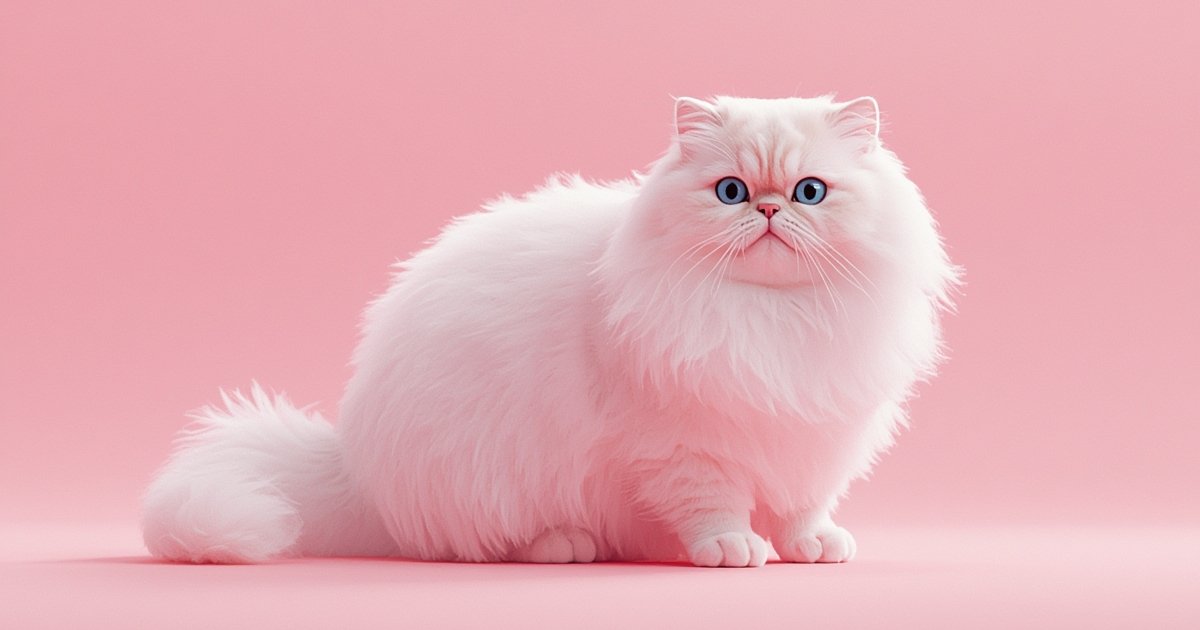
Unlock the secrets to pristine Persian Grooming! Get expert tips and a step-by-step guide for a healthy, silky coat in 2026. Keep your cat looking its best!
Understanding the Persian Coat: The Foundation of Pristine Grooming
The majestic Persian cat, renowned for its luxurious long coat and sweet disposition, is a truly magnificent breed. However, that stunning fur doesn’t maintain itself. Proper Persian grooming is not just about aesthetics; it’s a critical component of your cat’s health and well-being. Neglecting their coat can lead to painful mats, skin issues, and even behavioral problems. Understanding the unique characteristics of their double coat is the first step in providing the best care.
Persians possess a dense, long outer coat and a soft, woolly undercoat. This combination, while beautiful, is prone to tangling and matting if not regularly maintained. The fine texture of their fur can quickly become a tangled mess, especially around friction points like under their legs, behind their ears, and on their belly.
Regular and consistent grooming routines help prevent these issues, ensuring your Persian remains comfortable, healthy, and happy. It also provides a wonderful opportunity for bonding, strengthening the relationship between you and your feline companion. A well-groomed Persian is a testament to dedicated care and love.
The Daily Grooming Ritual: Brushing and Detangling
Consistent brushing is the cornerstone of effective Persian grooming. This isn’t a task you can skip for days without consequences. A daily brushing routine, even if brief, will prevent small tangles from becoming severe mats, which can be incredibly painful and difficult to remove. Think of it as preventative maintenance for their magnificent mane.
Begin your daily session with a wide-toothed metal comb to gently work through the outer layer of fur, making sure to reach down to the skin. Follow this with a slicker brush, using short, gentle strokes to remove loose fur and stimulate the skin. Always brush in the direction of hair growth, being extra careful around sensitive areas. Many Persian cats enjoy these sessions, finding the gentle brushing to be a comforting massage.
Mastering Detangling Techniques
Despite diligent daily brushing, tangles can still appear. The key is to address them immediately before they escalate into mats. Never attempt to pull or rip through a tangle, as this will hurt your cat and make future grooming sessions a battle. Instead, use a detangling spray designed for cats, gently massaging it into the tangled area.
Work the tangle apart with your fingers, then use a wide-toothed comb to carefully separate the hairs. Hold the base of the fur near the skin to prevent pulling on your cat’s delicate skin as you comb. If a tangle is particularly stubborn, a mat splitter or a small pair of blunt-nosed scissors might be necessary, but exercise extreme caution. If you’re unsure, consult a professional groomer or veterinarian. Regular Persian grooming means being proactive about these small knots.
Essential Tools for Effective Persian Grooming
Having the right tools is paramount for efficient and stress-free Persian grooming. Investing in quality products specifically designed for long-haired cats will make a significant difference in maintaining your cat’s coat. From brushes to combs and even specialized conditioners, each tool plays a vital role. Proper tools also reduce the risk of discomfort or injury to your pet during grooming.
High-quality brushes and combs can penetrate the dense undercoat without scratching the skin, effectively removing loose hair and preventing mats. Look for ergonomic designs that are comfortable for you to hold during extended grooming sessions. Remember, grooming is a marathon, not a sprint, especially with a Persian.
Comparison of Top Grooming Tools for Persian Cats
| Product | Price | Pros | Cons | Best For |
|---|---|---|---|---|
| PawPals Double-Sided Pin & Bristle Brush | $18-$25 | Excellent for daily detangling and finishing shine. Pins detangle, bristles polish. | Bristle side may not penetrate extremely dense undercoats. | Everyday brushing, maintaining shine, light detangling. |
| FurBuster Deshedding Comb (Fine Tooth) | $25-$35 | Effectively removes loose undercoat, preventing mats and reducing shedding. | Can be sharp if not used gently; requires careful technique. | Heavy shedding periods, deep undercoat removal, mat prevention. |
| Purrfect Paws Detangling Spray with Argan Oil | $15-$20 | Moisturizes fur, makes tangles easier to work through, pleasant scent. | Some cats may dislike the spray sound or sensation. | Pre-detangling, conditioning dry fur, adding softness. |
| GroomEase Slicker Brush (Soft Tip) | $15-$22 | Gentle on skin, good for removing loose hair from the topcoat and stimulating circulation. | Less effective on deep, dense mats compared to a comb. | Finishing brush, removing surface tangles, stimulating skin. |
Bathing Your Persian: A Guide to Squeaky Clean Silky Fur
While cats are meticulous self-groomers, the thick, long coat of a Persian often requires periodic bathing to keep it truly clean and free of oil buildup, especially for show cats or those prone to developing greasy coats. Bathing can be a stressful experience for some cats, so preparation and a calm approach are key to successful Persian grooming. Aim for a bath every 4-6 weeks, or as needed, depending on your cat’s lifestyle and coat condition.
Preparing for the Bath
Before you even think about water, ensure your Persian’s coat is completely free of tangles and mats. Water will tighten mats, making them nearly impossible to remove without shaving. Lay out all your supplies: cat-specific shampoo, conditioner, several towels, cotton balls for ears, and a non-slip mat for the tub. A detachable showerhead can make rinsing much easier.
Fill the tub with a few inches of lukewarm water – not too hot, not too cold. Place cotton balls gently in your cat’s ears to prevent water from entering the ear canal, which can lead to infections. Have treats ready for positive reinforcement throughout the process. A successful bathing experience is a vital part of comprehensive Persian grooming.
The Bathing Process Step-by-Step
1. **Gentle Introduction:** Slowly introduce your cat to the water. Speak in a calm, soothing voice. If your cat is particularly anxious, a second person to help hold and reassure them can be invaluable.
2. **Wet the Coat:** Gently wet your cat’s entire coat, starting from the neck down, avoiding the face. A cup or a gentle stream from a showerhead works best.
3. **Shampoo Application:** Apply a small amount of cat-specific shampoo, working it into a lather, again avoiding the face. Pay special attention to areas that tend to get greasy, like the tail and hindquarters. Massage gently, ensuring the shampoo reaches the skin.
4. **Thorough Rinsing:** This is arguably the most crucial step in Persian grooming. Rinse, rinse, and rinse again. Any shampoo residue left behind can irritate the skin or make the coat appear dull and greasy. Ensure the water runs clear.
5. **Conditioning:** Apply a cat-friendly conditioner to help moisturize the skin and detangle the fur. Let it sit for a few minutes as per product instructions, then rinse thoroughly.
6. **Drying:** Wrap your cat immediately in a large, absorbent towel and gently blot the fur. Avoid rubbing vigorously, which can cause tangles. For best results, especially with a long-haired Persian, use a pet-specific force dryer on a low, cool setting. Keep the dryer moving to prevent overheating any one spot. Brush the fur as it dries to prevent tangles and achieve that signature fluffy look. Never use a human hairdryer as it can be too hot and damage their delicate skin and fur.
Beyond the Brush: Eyes, Ears, and Dental Care for Persians
Comprehensive Persian grooming extends beyond just the coat. Their unique facial structure and long fur require special attention to their eyes, ears, and teeth. Neglecting these areas can lead to health issues that are easily preventable with regular care. Prioritizing these details is essential for your Persian’s overall well-being.
Keeping Eyes Clear and Bright
Persians are prone to tear staining due to their brachycephalic (flat) faces, which can cause their tear ducts to overflow. Daily cleaning is essential to prevent staining, bacterial growth, and irritation. Use a soft, damp cloth or a specialized pet eye wipe to gently clean around the eyes, moving from the inner corner outwards.
Always use a fresh part of the cloth or a new wipe for each eye to prevent cross-contamination. For stubborn stains, there are veterinary-approved stain removers, but always consult your vet before using any new product near your cat’s eyes. Consistent attention to eye care is a small but vital part of your daily Persian grooming routine.
Ear Hygiene for Healthy Hearing
Regularly check your Persian’s ears for dirt, wax buildup, or any signs of infection (redness, odor, excessive scratching). Gently wipe the outer ear flaps with a soft cotton ball dampened with a veterinarian-approved ear cleaner. Never insert cotton swabs or any objects into the ear canal, as this can cause damage.
If you notice an unusual amount of wax, a foul odor, or your cat is shaking its head excessively, it’s time for a vet visit. Ear infections can be painful and lead to more serious health problems if left untreated.
Dental Health: More Than Just Fresh Breath
Dental care is often overlooked but is crucial for your cat’s overall health. Periodontal disease is common in cats and can lead to pain, tooth loss, and even impact vital organs. Ideally, you should brush your Persian’s teeth daily using a pet-specific toothbrush and toothpaste. Never use human toothpaste, as it can be toxic to cats.
If daily brushing isn’t feasible, aim for a few times a week. Dental treats, water additives, and specialized dental diets can also help, but they are supplements, not replacements, for brushing. Your veterinarian can advise on the best dental care routine and may recommend professional cleanings as needed. Incorporating dental checks into your regular Persian grooming schedule is a wise choice.
Troubleshooting Common Persian Grooming Challenges
Even with the best intentions and consistent effort, you might encounter specific challenges when grooming your Persian. Addressing these proactively can prevent minor issues from becoming major problems, ensuring your cat’s continued comfort and health. Understanding these common hurdles is part of effective Persian grooming.
Dealing with Mats and Tangles
As mentioned, mats are the biggest nemesis of a Persian’s coat. If you find a significant mat that you cannot gently work out with your fingers and a comb, do not force it. Trying to pull out a large mat can cause immense pain and tear your cat’s skin. In such cases, professional help is the safest option. A professional groomer has the tools and expertise to safely remove mats, often using clippers, without causing injury or undue stress to your cat. Prevention through daily brushing is always better than cure.
Managing Shedding
Persians shed year-round, with heavier shedding periods seasonally. While you can’t stop shedding, you can manage it effectively. Daily brushing with a deshedding tool designed for long-haired cats can significantly reduce the amount of loose fur in your home and on your furniture. Regular bathing, as discussed, also helps loosen and remove dead hair, making brushing more effective. Ensuring your cat has a balanced diet rich in omega fatty acids can also promote a healthy coat and reduce excessive shedding.
Overcoming Grooming Resistance
Some cats simply do not enjoy being groomed. If your Persian is resistant, start slowly and make grooming a positive experience.
– **Short Sessions:** Begin with very short grooming sessions, perhaps just a minute or two, gradually increasing the duration as your cat tolerates it.
– **Positive Reinforcement:** Offer treats, praise, and gentle petting during and immediately after grooming.
– **Calm Environment:** Choose a quiet time and place free of distractions.
– **Early Start:** If you have a kitten, start grooming them early to get them accustomed to the routine from a young age.
– **Professional Help:** For extremely resistant cats, a professional groomer or even your vet might be able to offer specific strategies or even groom your cat under sedation in severe cases. Patience and consistency are your best tools in this aspect of Persian grooming.
Nutrition and Coat Health: Feeding for Luster and Vitality
The adage “you are what you eat” holds true for our feline friends, especially when it comes to the health and appearance of their magnificent coats. What you feed your Persian cat directly impacts the luster, strength, and overall vitality of their fur. A high-quality, balanced diet is a non-negotiable aspect of superior Persian grooming.
The Role of High-Quality Protein
Protein is the building block of hair. Ensure your Persian’s diet includes a high percentage of animal-based protein. Look for cat foods where real meat (chicken, fish, turkey, beef) is listed as the first ingredient. Protein helps maintain the structural integrity of the hair shaft, making it strong and less prone to breakage, which can contribute to a dull, brittle coat. A diet rich in protein supports consistent, healthy hair growth, which is essential for a beautiful Persian coat.
Essential Fatty Acids: The Secret to Shine
Omega-3 and Omega-6 fatty acids are crucial for skin and coat health. These “good fats” contribute to the natural oils that keep your cat’s skin moisturized and their coat shiny and supple.
– **Omega-3s:** Often found in fish oils (like salmon oil), flaxseed oil, and some specialized cat foods. They help reduce inflammation, which can manifest as dry, flaky skin.
– **Omega-6s:** Typically found in poultry fat and certain vegetable oils. These are important for maintaining the skin’s barrier function.
Many high-quality cat foods are formulated with an optimal balance of these fatty acids. You can also supplement your cat’s diet with a vet-approved omega fatty acid supplement, especially if their coat seems dry or dull. Discuss with your veterinarian before adding any supplements.
Vitamins and Minerals for Optimal Health
A full spectrum of vitamins and minerals also plays a supporting role in coat health. Biotin, zinc, and Vitamin E, for example, are often highlighted for their benefits to skin and fur. A complete and balanced commercial cat food should provide all the necessary micronutrients. However, if your cat has specific dietary needs or health concerns, your vet may recommend specific supplements. Remember, proper nutrition is the internal aspect of Persian grooming, complementing all your external efforts.
Maintaining your Persian cat’s pristine coat is a rewarding endeavor that goes beyond mere aesthetics. It’s a commitment to their health, comfort, and happiness. By understanding their unique needs, implementing a consistent grooming routine, using the right tools, and providing optimal nutrition, you ensure your feline companion radiates beauty and vitality. Every gentle stroke of the brush, every thorough bath, and every nutritious meal contributes to their overall well-being, solidifying the special bond you share. Continue to explore, learn, and adapt your approach, ensuring your beloved Persian thrives for years to come. For more expert advice and to explore our full range of pet care solutions, visit Dax AI today!
Frequently Asked Questions About Persian Grooming
How often should I brush my Persian cat?
Ideally, you should brush your Persian cat daily. Their long, dense double coat is highly prone to tangles and mats, which can become painful if neglected. Daily brushing, even for just a few minutes, prevents these issues and keeps their coat silky smooth.
What kind of brush is best for a Persian cat?
A combination of tools works best. Start with a wide-toothed metal comb to detangle, then use a slicker brush to remove loose undercoat and smooth the topcoat. A deshedding tool can also be beneficial during shedding seasons.
Do Persian cats need to be bathed?
Yes, Persian cats generally require periodic bathing, typically every 4-6 weeks. Their long coats can accumulate oils and dirt, leading to greasiness and potential skin issues. Ensure their coat is tangle-free before bathing and use cat-specific shampoos and conditioners.
How do I prevent tear stains on my Persian cat?
Due to their brachycephalic faces, Persians are prone to tear staining. Daily cleaning around their eyes with a soft, damp cloth or pet-specific eye wipes is essential. Ensure you clean from the inner corner outwards and use fresh cloth for each eye.
What if my Persian cat hates grooming?
Start grooming sessions short, gentle, and positive. Use treats, praise, and a calm environment. Gradually increase the duration. If resistance persists, consult a professional groomer or veterinarian for advice on handling techniques or sedation options for severe cases.
Can diet affect my Persian’s coat?
Absolutely. A high-quality diet rich in animal protein and essential fatty acids (Omega-3s and Omega-6s) is crucial for a healthy, shiny coat. Poor nutrition can lead to a dull, brittle, or excessively shedding coat.
Leave a Reply