

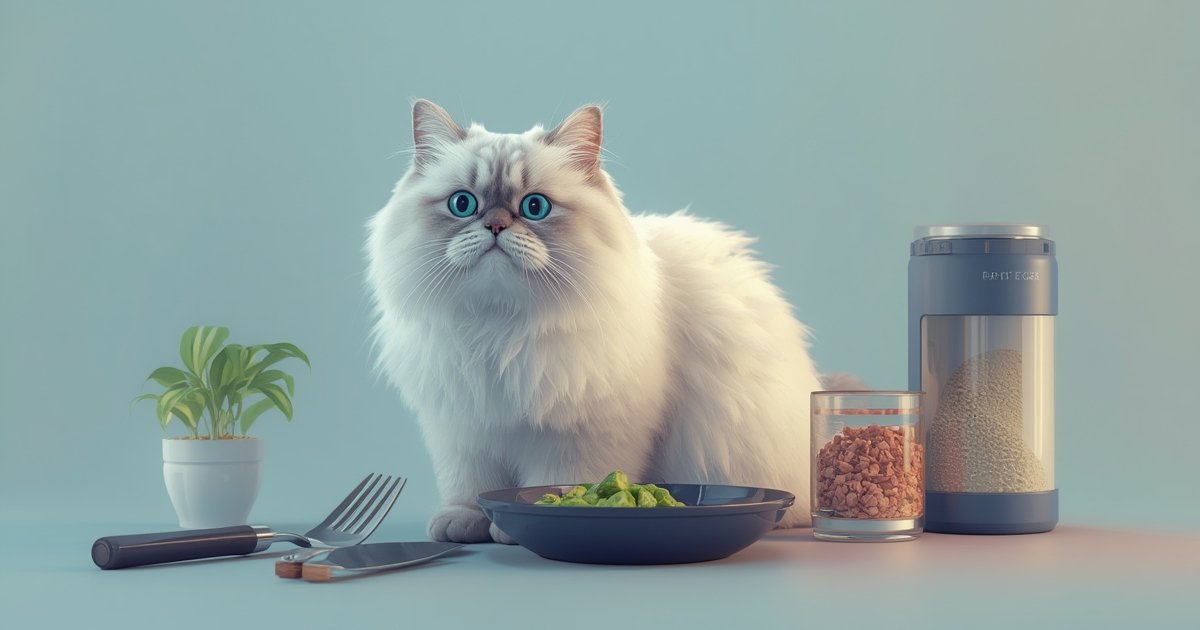
Meta Description: Discover the ultimate Persian Cat Diet Plan for 2026! Learn expert tips, essential nutrients, and food comparisons to ensure your beloved Persian lives a longer, healthier life.
Persian cats, with their majestic long coats and sweet, docile personalities, are truly royalty among felines. However, their unique physical characteristics, from their brachycephalic (flat) faces to their dense fur, mean they have very specific health and nutritional requirements. Providing the right Persian Cat Diet isn’t just about satisfying hunger; it’s about laying the foundation for a vibrant, extended life for your cherished companion. As we look towards 2026, the focus on optimized feline nutrition has never been sharper, promising better health outcomes than ever before.
Understanding the Unique Nutritional Needs of Persian Cats
Persian cats are a breed apart, and their diet needs to reflect that. Their distinctive features, while beautiful, can predispose them to certain health issues that a carefully managed Persian Cat Diet can help mitigate. From hairball formation due to extensive grooming to dental problems linked to their jaw structure, nutrition plays a pivotal role in their overall well-being.
Why a Specialized Persian Cat Diet is Crucial
A generic cat food might meet basic nutritional requirements, but it often falls short for a Persian. Their long, luxurious fur requires a diet rich in specific fatty acids and proteins to maintain its health and reduce shedding. Furthermore, their relatively sedentary lifestyle compared to more active breeds means their caloric intake needs careful monitoring to prevent obesity.
The brachycephalic nature of their faces can make it difficult for them to pick up certain kibble shapes, leading to inefficient eating or even dental issues if food is not designed for them. A specialized Persian Cat Diet takes these factors into account, offering tailored solutions that address these breed-specific challenges. This targeted approach helps prevent common ailments and supports their unique physiological makeup.
Common Health Concerns Tied to Diet
Several health issues frequently observed in Persian cats can be directly influenced, for better or worse, by their diet. One of the most prevalent is hairball formation. Their constant self-grooming means they ingest a significant amount of fur, which can accumulate in their digestive tract.
A diet rich in specific fibers and ingredients designed to promote healthy digestion and fur passage can dramatically reduce the frequency and severity of hairballs. Kidney disease, another concern, can be managed with controlled protein and phosphorus levels. Obesity, often a silent killer in cats, is directly linked to caloric intake and activity levels. A balanced Persian Cat Diet, portioned correctly, is essential for weight management.
Periodontal disease is also common due to their jaw structure. While brushing is key, the right kibble size and texture can also contribute to dental hygiene by encouraging chewing. Skin issues, such as dryness or excessive oiliness, are often symptoms of nutritional deficiencies, particularly a lack of essential fatty acids.
Key Components of an Optimal Persian Cat Diet
Crafting the perfect Persian Cat Diet involves a meticulous balance of macronutrients and micronutrients. Each component plays a vital role in supporting their health, from maintaining their magnificent coat to ensuring robust internal systems. Understanding these building blocks is the first step toward providing truly superior nutrition.
High-Quality Protein Sources
Protein is the cornerstone of any feline diet, and for Persian cats, quality is paramount. Cats are obligate carnivores, meaning they require animal-based protein to thrive. Look for named meat sources like chicken, turkey, salmon, or beef as the first ingredients in any cat food. These provide the essential amino acids, such as taurine, that cats cannot synthesize themselves.
Adequate protein supports muscle maintenance, immune function, and the health of their skin and coat. For Persian cats, whose luxurious fur requires significant protein investment, a diet with 30-45% high-quality protein is generally recommended. Avoid foods with excessive plant-based proteins or generic “meat meals” as primary sources.
Essential Fats and Fatty Acids
Fats are not just an energy source; they are crucial for nutrient absorption, hormone production, and, critically for Persians, skin and coat health. Essential fatty acids, particularly Omega-3 and Omega-6, are vital. Omega-3s, found in fish oils (like salmon oil) and flaxseed, help reduce inflammation and contribute to a shiny, healthy coat.
Omega-6s, found in poultry fat and certain vegetable oils, are important for skin barrier function. A balanced ratio of these fatty acids is key. Deficiencies can lead to dry, flaky skin, dull fur, and increased shedding. Good quality cat foods will often list specific animal fats or fish oil as ingredients, supporting a lustrous Persian Cat Diet.
Fiber for Digestive Health
Given Persian cats’ predisposition to hairballs, dietary fiber plays a particularly important role. Fiber helps move ingested hair and other waste through the digestive tract, preventing blockages and aiding in regular bowel movements. However, too much fiber can reduce nutrient absorption, so balance is crucial.
Sources like beet pulp, psyllium husk, and certain vegetables provide beneficial fiber. A moderate amount of soluble and insoluble fiber supports gut motility and overall digestive health. This aspect of the Persian Cat Diet is essential for minimizing gastrointestinal distress and keeping your cat comfortable.
Vitamins, Minerals, and Supplements
A complete and balanced Persian Cat Diet should naturally provide all necessary vitamins and minerals. However, some Persians may benefit from targeted supplementation, especially for specific conditions or life stages.
– Vitamin A is crucial for vision, immune function, and skin.
– B Vitamins support metabolism and energy production.
– Vitamin E acts as an antioxidant, protecting cells from damage.
– Calcium and Phosphorus are vital for bone health, especially in growing kittens.
– Taurine, an amino acid, is absolutely essential for heart health and vision; a deficiency can lead to serious health problems. Always ensure your cat’s food is fortified with taurine.
Probiotics can support gut health, especially during times of stress or antibiotic use. Hairball remedies, often containing lubricants or specific fibers, can be given in conjunction with their food to aid in fur passage. Always consult your veterinarian before introducing any new supplements to your Persian Cat Diet.
Choosing the Right Food for Your Persian Cat
Navigating the myriad of cat food options can be overwhelming. For Persian cats, the decision becomes even more nuanced, considering their unique physical traits and dietary sensitivities. Making an informed choice is paramount for their long-term health and happiness.
Dry Kibble vs. Wet Food: The Great Debate
Both dry kibble and wet food have their pros and cons for a Persian Cat Diet. Dry kibble is convenient, can help with dental hygiene by scraping plaque (though not as effectively as brushing), and often offers higher caloric density per serving. Many specialized Persian cat kibbles are designed with unique shapes and sizes to facilitate easier pickup by their brachycephalic jaws.
However, dry food has a lower moisture content, meaning cats relying solely on kibble need to drink more water to stay hydrated. Wet food, on the other hand, provides excellent hydration, which is crucial for kidney and urinary tract health. It can also be more palatable for picky eaters and often has higher protein content with fewer carbohydrates.
The ideal Persian Cat Diet often involves a combination of both. Offering wet food daily, perhaps as a supplement to a measured portion of specialized dry kibble, can provide the best of both worlds: dental benefits, palatability, and crucial hydration. When selecting either, always prioritize high-quality ingredients, with meat as the primary component.
Considering Raw or Homemade Diets (with caveats)
Raw and homemade diets have gained popularity, with proponents citing benefits like improved coat health and better digestion. A carefully balanced raw or homemade Persian Cat Diet can indeed offer excellent nutrition, replicating what a cat might eat in the wild.
However, these diets come with significant risks. Preparing a nutritionally complete and balanced raw or homemade diet is incredibly complex and requires extensive knowledge of feline nutrition to avoid serious deficiencies or excesses. Raw meat also carries a risk of bacterial contamination (Salmonella, E. coli) that can affect both the cat and human family members.
If you are considering a raw or homemade Persian Cat Diet, it is absolutely essential to work closely with a board-certified veterinary nutritionist. They can formulate a safe, complete, and balanced plan tailored to your cat’s individual needs. Without expert guidance, these diets can lead to severe health problems, far outweighing any potential benefits.
Comparison of Premium Persian Cat Foods and Supplements
When selecting the best options for your Persian Cat Diet, quality and specific formulation make a big difference. Here’s a comparison of some popular premium cat foods and supplements often recommended for Persian breeds, keeping their unique needs in mind:
| Product | Price | Pros | Cons | Best For |
|---|---|---|---|---|
| Royal Canin Persian Adult Dry Food | $40-$60 (6-7 lbs) | Formulated for brachycephalic jaws, supports long coat health with Omega fatty acids, reduces hairball formation. | May contain grains; some cats find it less palatable than grain-free options. | Adult Persian cats with typical breed-specific needs, excellent for coat and hairball management. |
| Blue Buffalo Wilderness Chicken Dry Food | $35-$55 (5-6 lbs) | Grain-free, high protein from real chicken, includes Omega 3 & 6 for skin/coat, antioxidants for immunity. | Kibble shape might be less optimized for flat faces; higher protein content might not suit all senior cats. | Persian cats needing a grain-free, high-protein diet for muscle maintenance and coat health. |
| Nulo Freestyle Salmon & Peas Dry Food | $40-$65 (5-6 lbs) | Low glycemic formula, high animal-based protein, includes probiotics for digestive health, rich in Omega fatty acids. | Premium price point; salmon flavor might not appeal to all cats. | Persian cats with sensitive stomachs, those needing a low-carb diet, and for superior coat health. |
| Nutramax Ipakitine Kidney Support Supplement | $25-$40 (60g) | Supports kidney function by binding phosphorus; easy to mix with food. | Requires consistent daily administration; results vary depending on severity of kidney issues. | Persian cats with early to moderate kidney disease, as part of a veterinarian-prescribed kidney diet. |
Feeding Schedules and Portion Control for a Healthy Persian Cat Diet
Beyond choosing the right ingredients, how and when you feed your Persian cat significantly impacts their health. Establishing a consistent routine and practicing diligent portion control are critical elements of a successful Persian Cat Diet, preventing obesity and promoting digestive harmony.
Establishing a Routine
Cats thrive on routine, and feeding times are no exception. Establishing a consistent feeding schedule helps regulate their metabolism, prevents begging behavior, and makes it easier to monitor their appetite. Most adult Persian cats do well with two meals a day, typically once in the morning and once in the evening.
For kittens, more frequent, smaller meals (3-4 times a day) are appropriate due to their higher energy demands and rapid growth. Sticking to a schedule also aids in identifying any changes in eating habits, which can be an early indicator of health issues. A structured Persian Cat Diet routine contributes significantly to their overall well-being and contentment.
Measuring Portions Accurately
Obesity is a widespread problem in domestic cats, and Persians are no exception, especially given their often less active lifestyle. Overfeeding, even by a small amount daily, can lead to significant weight gain over time. Always measure your cat’s food precisely using a standard measuring cup or, ideally, a kitchen scale for accuracy.
Refer to the feeding guidelines on your cat food packaging, but remember these are just starting points. Factors like your cat’s age, activity level, and current weight should influence their portion size. Consult your veterinarian to determine the ideal caloric intake for your individual Persian cat. Adjust portions as needed to maintain a healthy weight. This meticulous approach to the Persian Cat Diet is vital for preventing weight-related health problems.
Hydration: The Unsung Hero of the Persian Cat Diet
While often overlooked, adequate hydration is arguably one of the most critical components of your Persian cat’s diet. Cats have a naturally low thirst drive, a remnant of their desert-dwelling ancestors who obtained most of their moisture from prey. This makes them susceptible to chronic dehydration, which can lead to urinary tract issues and kidney disease.
To encourage water intake:
– Provide multiple fresh water bowls around the house.
– Consider a pet water fountain; many cats prefer moving water.
– Offer wet food regularly, as it has a high moisture content.
– Add a small amount of low-sodium chicken or beef broth (no onion or garlic) to their water or food occasionally.
– Ensure water bowls are clean and away from litter boxes.
– Keep water bowls made of ceramic or stainless steel, as some cats dislike plastic.
Proper hydration supports kidney function, aids digestion, and contributes to overall vitality, making it an indispensable part of an effective Persian Cat Diet.
Addressing Specific Dietary Challenges and Transitions
Even with a well-planned Persian Cat Diet, various challenges can arise throughout your cat’s life. Being prepared to address these specific needs and transitions ensures their dietary regimen remains effective and supportive, no matter the circumstance.
Managing Weight: Obesity and Underweight Cats
Weight management is a continuous process for many Persian cats. For overweight or obese cats, a veterinarian-prescribed weight loss Persian Cat Diet is crucial. This typically involves reducing caloric intake, increasing fiber, and ensuring adequate protein to preserve muscle mass during weight loss.
Conversely, an underweight Persian cat may need a diet higher in calories and nutrients, often smaller, more frequent meals, and investigation into underlying health issues. Monitoring body condition score is more reliable than just weight alone. Regular veterinary check-ups can help track progress and adjust the Persian Cat Diet as needed.
Dietary Needs for Different Life Stages (Kittens, Adults, Seniors)
A Persian cat’s nutritional requirements change dramatically throughout their life.
– **Kittens:** Require high protein and fat for rapid growth, along with increased calcium for bone development. Look for “kitten formula” or “all life stages” food.
– **Adults:** Need a balanced diet for maintenance, focusing on appropriate calories for activity level and weight. This is where most of the general Persian Cat Diet advice applies.
– **Seniors:** Often benefit from diets lower in phosphorus (to support kidney health), moderate in protein (highly digestible), and potentially higher in Omega-3s for joint and cognitive support. They might also need softer foods if dental issues are present.
Transitioning to a New Persian Cat Diet
Cats are creatures of habit and can be sensitive to sudden dietary changes. When introducing a new Persian Cat Diet, always do so gradually over 7-10 days. Start by mixing a small amount of the new food (about 25%) with 75% of the old food.
Slowly increase the proportion of the new food while decreasing the old food. This gradual transition helps prevent digestive upset, such as vomiting or diarrhea. If your cat refuses to eat the new food or shows signs of distress, slow down the transition or consult your veterinarian.
Dealing with Food Allergies and Sensitivities
Like humans, Persian cats can develop food allergies or sensitivities, often manifesting as skin issues (itching, excessive grooming), digestive upset (vomiting, diarrhea), or respiratory problems. Common allergens include chicken, beef, dairy, and certain grains.
If you suspect a food allergy, your vet may recommend an elimination diet. This involves feeding a novel protein source (one your cat has never eaten before) or a hydrolyzed protein diet for several weeks to see if symptoms resolve. Once symptoms clear, specific ingredients are slowly reintroduced to identify the allergen. This careful process is key to managing a sensitive Persian Cat Diet effectively.
Providing an optimal Persian Cat Diet is a commitment to their health and longevity. From understanding their unique needs and selecting the right high-quality foods to establishing proper feeding routines and addressing challenges, every step contributes to a vibrant, happy life for your cherished feline. By focusing on a balanced, tailored diet, you’re not just feeding your pet; you’re investing in years of purrs, cuddles, and companionship. Embrace these dietary insights, and watch your Persian cat thrive in 2026 and beyond.
For personalized dietary advice or to discuss your Persian cat’s specific health needs, please reach out to our team of pet nutrition experts. We’re here to help you unlock the full potential of your cat’s health!
Frequently Asked Questions (FAQ)
What is the best kibble shape for Persian cats?
Due to their brachycephalic (flat) faces, Persian cats often struggle with typical round kibble. Look for kibble that is crescent-shaped, almond-shaped, or triangular, as these shapes are easier for them to pick up and chew, promoting better oral hygiene.
Can I feed my Persian cat human food?
While some human foods like cooked, unseasoned chicken or small amounts of certain vegetables can be safe in moderation, it’s best to stick to a complete and balanced cat food designed for their specific nutritional needs. Many human foods are toxic to cats (e.g., onions, garlic, chocolate), or can cause digestive upset and nutritional imbalances.
How often should I feed my Persian cat wet food?
Many owners find success with a mixed feeding approach, offering wet food once or twice a day in addition to dry kibble. Wet food significantly contributes to hydration and can be more palatable, benefiting overall urinary and digestive health. Always ensure total daily caloric intake matches your cat’s needs.
Are grain-free diets necessary for Persian cats?
Not necessarily. While some cats may have grain sensitivities, there’s no scientific evidence that grain-free diets are inherently superior for all cats. The quality of ingredients and overall nutritional balance are more important than the presence or absence of grains. Consult your vet if you suspect a grain allergy.
How can I tell if my Persian cat is overweight?
You should be able to easily feel your cat’s ribs without seeing them. They should have a noticeable waist when viewed from above, and their belly should not sag significantly. Consult a body condition score chart or your veterinarian for an accurate assessment and advice on adjusting their Persian Cat Diet.
Leave a Reply