

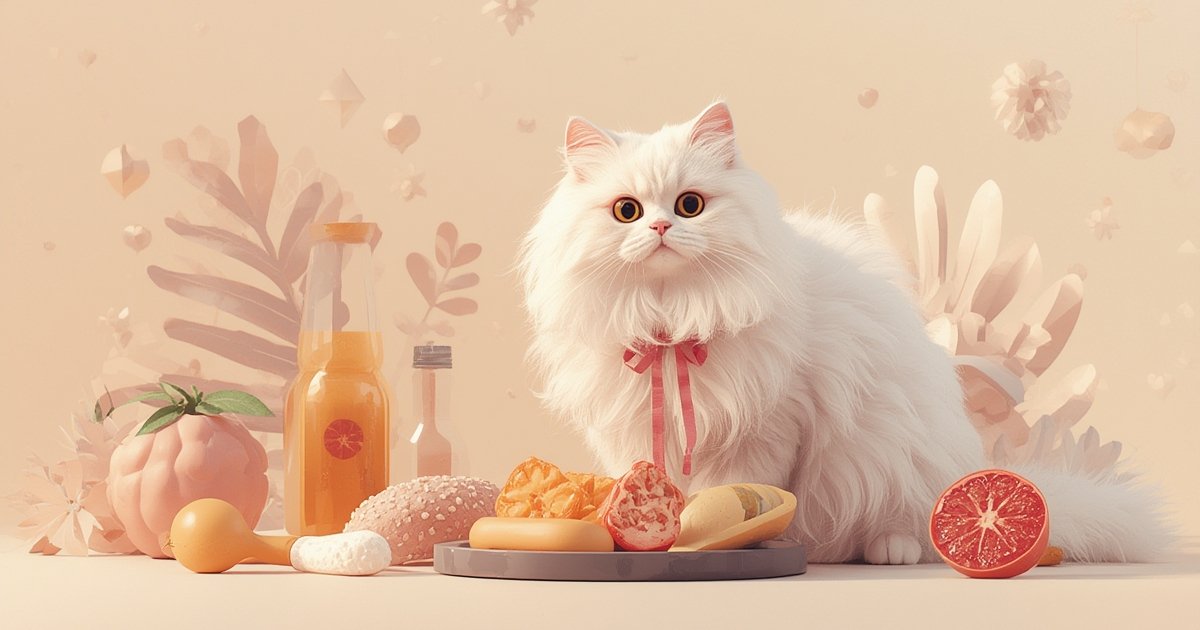
Meta Description: Unlock your Persian cat’s best life! Discover the ultimate Persian Diet Guide for 2026, covering nutrition, brands, and tailored feeding strategies for longevity.
Nurturing Elegance: Understanding Your Persian Cat’s Unique Nutritional Needs
Persian cats, with their luxurious coats, distinctive flat faces, and serene demeanor, are truly a sight to behold. Yet, their regal appearance comes with specific care requirements, especially when it comes to their diet. Crafting the ultimate Persian Diet is crucial for ensuring their long-term health, vitality, and that iconic glossy fur.
As we look towards 2026, advancements in feline nutrition continue to provide better options for these magnificent creatures. This comprehensive guide delves deep into what makes a Persian Diet truly exceptional, ensuring your beloved companion thrives for years to come.
The Foundation of a Healthy Persian Diet: Key Nutrients for Longevity
A balanced Persian Diet must prioritize certain nutrients to address their unique physiological structure and potential health predispositions. Understanding these building blocks is the first step towards optimal health.
High-Quality Protein: The Cornerstone of Feline Health
Cats are obligate carnivores, meaning their bodies are designed to derive nutrients primarily from animal sources. For a Persian, a diet rich in high-quality animal protein is non-negotiable.
This protein fuels muscle development, supports a healthy immune system, and contributes to the growth of their magnificent coat. Look for ingredients like chicken, turkey, salmon, or lamb as the first few items on the ingredient list.
– Protein should constitute at least 30-40% of their daily caloric intake, sometimes higher depending on age and activity level.
– Avoid generic “meat by-products” without specific animal sources, as their quality can be inconsistent.
Essential Fats: Energy, Skin, and Coat Health
Fats are not just an energy source; they are vital for nutrient absorption, cell function, and maintaining that signature Persian coat. Omega-3 and Omega-6 fatty acids are particularly important.
Omega-3s, found in fish oils (like salmon or sardine oil), help reduce inflammation and are critical for skin and coat health, reducing shedding and promoting shine. Omega-6s, from sources like chicken fat, support overall skin barrier function.
– The proper balance of these fatty acids is key; too much of one can negate the benefits of the other.
– Fats also make food palatable, which is important for sometimes finicky Persians.
Carbohydrates: Energy in Moderation
While cats don’t have a high dietary requirement for carbohydrates, a small amount can provide easily digestible energy. The key is moderation and quality.
Complex carbohydrates from sources like sweet potatoes, peas, or small amounts of rice are better than simple sugars or excessive fillers. These can aid in digestion and provide fiber.
– Avoid corn, wheat, and soy if your Persian shows signs of allergies or sensitivities, which can be common.
– The best Persian Diet will have a lower carb content, reflecting their natural carnivorous needs.
Vitamins and Minerals: Micronutrients for Overall Well-being
A comprehensive vitamin and mineral profile supports every bodily function, from bone health to vision. Taurine, an essential amino acid, is particularly critical for cats.
A deficiency in taurine can lead to serious heart conditions (dilated cardiomyopathy) and vision problems. Most commercial cat foods are supplemented with taurine, but it’s worth checking.
– Vitamins A, D, E, K, and B-complex vitamins are crucial for various metabolic processes.
– Minerals like calcium, phosphorus, magnesium, and iron support bone structure, nerve function, and oxygen transport.
Choosing the Right Food: Wet, Dry, or Raw for Your Persian
The marketplace offers a bewildering array of options, making the choice for your Persian Diet complex. Each food type has its pros and cons, and the best approach often involves a combination tailored to your cat’s specific needs.
Dry Kibble: Convenience and Dental Health?
Dry kibble is popular for its convenience, longer shelf life, and often lower cost. Some argue that kibble can help clean teeth, though this benefit is often overstated.
When selecting kibble for your Persian, look for formulas specifically designed for long-haired breeds or those with sensitive digestive systems. The shape and size of the kibble are also important, as Persians with their brachycephalic (flat) faces can struggle with certain kibble shapes.
– **Pros:** Convenient, can be left out, potentially better for dental health (minimal), often nutrient-dense.
– **Cons:** Lower moisture content, often higher in carbohydrates, can be less palatable, some shapes are hard for Persians to pick up.
Wet Food: Hydration and Palatability
Wet food (canned or pouches) offers superior hydration, which is vital for feline kidney health, as cats often do not drink enough water on their own. It’s also generally more palatable and closer to a cat’s natural diet in terms of moisture and protein content.
Choose wet foods with real meat as the primary ingredient and minimal fillers. Pâté forms might be easier for Persians to eat than chunky varieties.
– **Pros:** High moisture content, highly palatable, often higher in protein and lower in carbs, aids digestion.
– **Cons:** More expensive, shorter shelf life once opened, can lead to dental issues if not complemented with dental care.
Raw or Home-Cooked Diet: A Natural Approach
A raw or home-cooked Persian Diet aims to mimic what a cat would eat in the wild. Proponents suggest benefits like improved coat health, better digestion, and increased energy.
However, these diets require meticulous research, precise nutritional balancing, and strict hygiene to prevent bacterial contamination. Consulting with a veterinary nutritionist is essential to ensure all nutritional requirements are met and to avoid deficiencies or excesses that could harm your cat.
– **Pros:** Closest to a natural feline diet, high palatability, excellent moisture content, potential for superior nutrient absorption.
– **Cons:** High risk of nutritional imbalance if not prepared correctly, potential for bacterial contamination (e.g., Salmonella), time-consuming, expensive.
Special Considerations in the Persian Diet: Health, Age, and Lifestyle
A truly effective Persian Diet isn’t one-size-fits-all. It must be adapted to your cat’s individual circumstances, taking into account their life stage, activity level, and any specific health challenges.
The Life Stages: Kitten, Adult, and Senior
– **Kittens:** Require higher calories, protein, and specific nutrients for rapid growth and development. Look for “kitten formula” foods rich in DHA for brain and eye development.
– **Adults:** Need a maintenance diet that supports their energy levels without leading to weight gain. Portion control becomes crucial.
– **Seniors:** Often have reduced activity, potential for dental issues, and declining organ function. Diets for senior cats may have lower calorie content, easily digestible proteins, and supplements for joint health (glucosamine, chondroitin).
Addressing Common Persian Health Issues
Persians are prone to certain genetic conditions that can be managed, in part, through diet:
– **Hairballs:** Their long coats mean they ingest a lot of fur. Diets rich in fiber (e.g., psyllium husk, beet pulp) or specific hairball formulas can help hair pass through the digestive system more easily.
– **Brachycephalic Syndrome:** Their flat faces can make eating certain kibble shapes difficult. Opt for smaller, flatter, or more irregular shapes designed for brachycephalic breeds, or lean towards wet food.
– **Polycystic Kidney Disease (PKD):** While genetic, a diet with controlled phosphorus and high moisture content can help support kidney function and slow disease progression, especially in later stages. Regular vet check-ups are vital.
– **Sensitive Digestion:** Many Persians can have sensitive stomachs. Novel protein diets or limited ingredient diets (LID) can help identify and avoid allergens. Probiotics and prebiotics can also support gut health.
Weight Management: Preventing Obesity
Persians are not naturally highly active and can be prone to weight gain, especially if indoor-only. Obesity can lead to diabetes, joint problems, and other health issues.
– **Portion Control:** Follow feeding guidelines on food packaging, but adjust based on your cat’s individual needs. Use a measuring cup!
– **Regular Play:** Encourage activity with interactive toys and playtime to burn calories.
– **Treats in Moderation:** Treats should make up no more than 10% of their daily caloric intake. Opt for healthy, low-calorie options.
Optimizing Hydration and Supplementary Support
Beyond food, ensuring adequate hydration and considering beneficial supplements can significantly enhance the effectiveness of your Persian Diet.
The Critical Role of Water
Cats naturally have a low thirst drive, evolved from desert-dwelling ancestors who got most of their water from prey. Modern indoor cats on dry kibble diets often suffer from chronic mild dehydration, which stresses their kidneys.
– **Water Bowls:** Place multiple water bowls in different locations, away from food and litter boxes. Clean them daily.
– **Fountains:** Many cats prefer flowing water, which cat water fountains provide.
– **Wet Food:** Incorporating wet food is one of the best ways to increase water intake.
– **Flavoring:** A few drops of tuna juice (in water, not oil), or low-sodium chicken broth can entice some cats to drink more.
When to Consider Supplements
While a high-quality, balanced Persian Diet should provide most necessary nutrients, certain supplements can be beneficial, especially for specific conditions or life stages. Always consult your vet before introducing any supplements.
– **Omega Fatty Acids:** As mentioned, beneficial for skin, coat, and anti-inflammatory properties. Often given as fish oil.
– **Probiotics:** Can aid digestion, especially for cats with sensitive stomachs or after antibiotic treatment, by promoting a healthy gut microbiome.
– **Joint Supplements:** Glucosamine and chondroitin can support joint health, particularly for senior Persians or those predisposed to arthritis.
– **Hairball Remedies:** Often contain mild laxatives or lubricants (like petroleum jelly) to help ingested hair pass through.
Advanced Feeding Strategies and Future Trends: The Persian Diet in 2026
As we advance into 2026, technology and deeper nutritional understanding are reshaping how we approach the Persian Diet. From personalized nutrition plans to smart feeding devices, the future offers exciting possibilities for enhancing your cat’s well-being.
Personalized Nutrition: Tailoring the Diet to the Individual
The trend towards personalized pet nutrition is growing. This involves analyzing your cat’s genetics, activity level, health history, and even microbiome to create a diet precisely tailored to their needs.
While still in its infancy for widespread adoption, services offering custom-formulated foods are emerging, often based on veterinary consultation and detailed pet profiles. This takes the concept of a specific Persian Diet to a whole new level.
Smart Feeding Solutions for Optimal Health
Technology is making feeding easier and more precise. Smart feeders offer programmable schedules, portion control, and even data tracking, which can be invaluable for weight management and consistent feeding routines. They ensure your Persian receives consistent meal times and appropriate portions, even when you’re not home.
Comparison of Top Smart Pet Feeders for Your Persian Diet
| Product | Price | Pros | Cons | Best For |
|---|---|---|---|---|
| PetSafe Smart Feed | $149 – $199 | Smartphone control, customizable meal schedules, slow-feed mode to prevent gorging. Reliable and easy to use. | Wi-Fi dependent, can be complex to set up initially. | Owners needing precise portion control and scheduling, especially for cats prone to overeating. |
| WOPET Smart Pet Feeder | $99 – $139 | HD camera with night vision, two-way audio, voice recording, app control. Offers real-time interaction. | Camera quality can vary, some connectivity issues reported. | Owners who want to monitor their cat remotely and interact with them during feeding. |
| SureFeed Microchip Pet Feeder Connect | $179 – $219 | Reads pet’s microchip or RFID collar tag to prevent other pets from accessing food. Connects to app for feeding insights. | Higher price point, requires specific bowls, best for multi-pet households. | Multi-cat households, especially those with special dietary needs or food thieves. |
Environmental Enrichment Around Feeding
Don’t just provide food; make mealtime an enriching experience. Puzzle feeders and foraging toys can slow down eating, provide mental stimulation, and tap into their natural hunting instincts. This can also help prevent boredom-related behaviors and promote a healthier relationship with food for your Persian.
Conclusion: A Path to a Healthier, Happier Persian
Embarking on the journey to optimize your Persian’s diet is one of the most impactful decisions you can make for their health and happiness. By understanding their unique needs, selecting high-quality ingredients, adapting to life stages and health concerns, and embracing modern feeding solutions, you provide the foundation for a long, vibrant life.
Remember, your veterinarian is your best partner in this endeavor. Regular check-ups and professional advice ensure that your chosen Persian Diet is truly aligned with your cat’s specific requirements. Invest in their nutrition, and your Persian will reward you with years of loving companionship and unparalleled elegance.
Ready to deepen your knowledge of feline health and nutrition? Explore our other articles on holistic pet care or reach out to a veterinary nutritionist for personalized advice.
Frequently Asked Questions (FAQ)
How often should I feed my Persian cat?
Most adult Persian cats benefit from being fed two to three times a day. Kittens require more frequent meals, typically three to four times a day. Senior cats might do better with smaller, more frequent meals if they have digestive issues.
Can my Persian cat eat human food?
While some human foods are safe in very small quantities (e.g., plain cooked chicken or salmon), many are toxic or unhealthy for cats. It’s best to stick to cat-specific food to ensure nutritional balance and avoid potential harm. Always research before offering any human food.
What is the best way to prevent hairballs in my Persian?
A combination of regular grooming (daily brushing), a high-fiber diet, and specific hairball formulas (food or treats) can significantly reduce hairballs. Ensure your Persian is well-hydrated, as this also aids digestion.
My Persian is a picky eater. What can I do?
Picky eating can be frustrating. Try offering a variety of high-quality wet foods, warm their food slightly to enhance aroma, or mix a small amount of a very palatable wet food with their regular meal. Avoid frequently changing their food, which can upset their stomach, and rule out any underlying medical issues with a vet visit.
Are grain-free diets necessary for Persians?
Grain-free diets are only necessary if your Persian has a confirmed grain allergy or sensitivity, which is relatively rare. For most cats, grains are not harmful, and they provide digestible carbohydrates. The focus should be on overall ingredient quality, not just the absence of grains.
Leave a Reply