

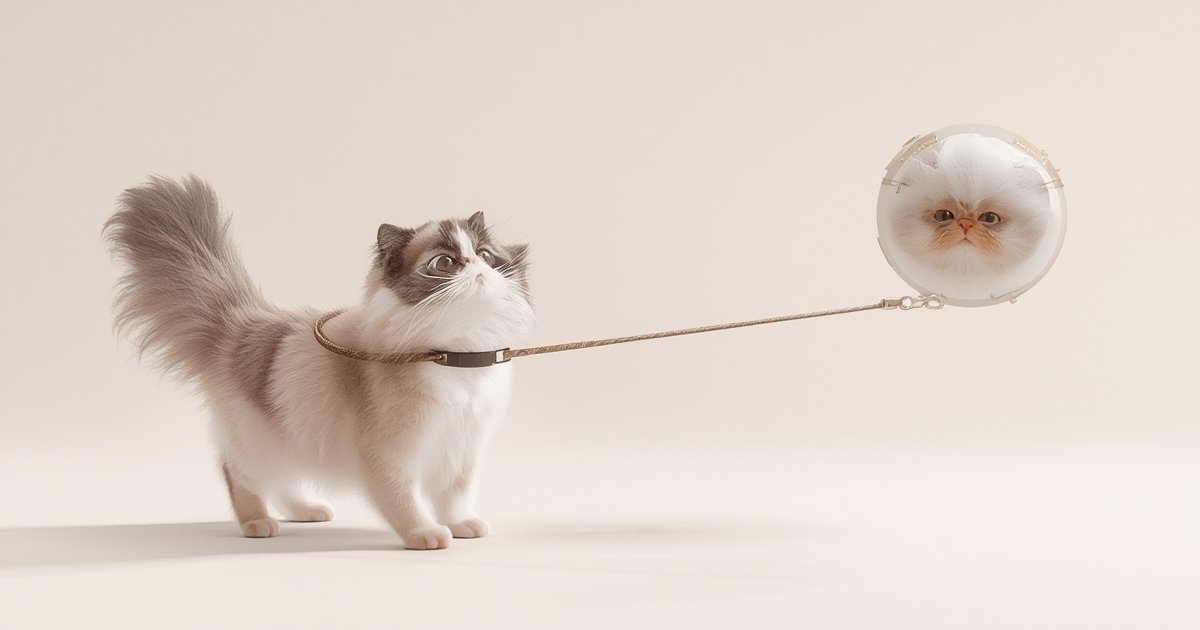
Unlock the secrets to successful Persian training for 2026. Discover gentle, effective methods for litter box habits, grooming, socialization, and more. Start training your purr-fect companion today!
Persian cats, with their majestic long coats and placid dispositions, are often seen as the epitome of feline elegance. While they may appear to be serene lap cats, beneath that fluffy exterior lies an intelligent and sensitive creature capable of learning remarkable manners. The key to a harmonious life with your feline friend lies in effective Persian training, which can transform potential challenges into rewarding experiences. Many believe that cats are untrainable, but this couldn’t be further from the truth, especially with a breed as receptive as the Persian.
Approaching Persian training with patience, understanding, and positive reinforcement ensures your cat not only learns desirable behaviors but also strengthens the bond you share. This guide will walk you through foundational techniques, address common issues, and introduce tools to help you create a well-mannered and happy Persian cat by 2026.
Understanding the Unique Persian Temperament for Training
Before diving into specific training methods, it’s crucial to understand the distinct personality traits of Persian cats. Their temperament greatly influences how they respond to training. Unlike some more boisterous breeds, Persians are generally calm, gentle, and quiet. They prefer a peaceful environment and are not typically known for high energy or destructive tendencies.
This placid nature means they respond best to gentle, consistent methods. Loud voices or harsh corrections can be counterproductive, potentially causing stress or fear. Instead, focus on positive reinforcement, creating a secure and predictable routine, and making training a pleasant experience for them.
Key Persian Traits Influencing Training
Understanding these characteristics will help tailor your Persian training approach for optimal results.
– **Calm and Gentle:** Persians are not usually prone to aggression or excessive rough play. Their training should reflect this, using soft tones and gentle handling.
– **Intelligent:** Despite their relaxed demeanor, Persians are intelligent and can quickly grasp concepts when taught consistently. They enjoy mental stimulation, which can be incorporated into training.
– **Sensitive:** They are highly sensitive to their environment and the emotions of their human companions. A stressed owner can inadvertently stress their cat, making training difficult.
– **Routine-Oriented:** Persians thrive on routine. Establishing consistent schedules for feeding, play, and training sessions will significantly aid in their learning.
– **Loyal and Affectionate:** Once they bond with their family, Persians are incredibly loyal and affectionate. This strong bond serves as a powerful motivator in their training journey, as they inherently want to please you.Laying the Foundation: Essential Persian Training for a Happy Home
Successful Persian training begins with establishing fundamental behaviors that are crucial for cohabitation. These foundational steps ensure your cat understands household rules and develops good habits from an early age or upon adoption.
Consistency is paramount in these early stages. Every member of the household should follow the same training guidelines to avoid confusing your cat. Keep training sessions short, frequent, and always end on a positive note.
Litter Box Mastery
Litter box training is perhaps the most critical aspect of early Persian training. Persians are generally fastidious creatures, making them relatively easy to litter train, provided the conditions are right.
– **Placement is Key:** Place litter boxes in quiet, easily accessible locations. For multi-story homes, have a box on each floor.
– **The Right Box and Litter:** Persians, with their luxurious coats, often prefer larger, uncovered litter boxes. Experiment with different types of litter – most prefer soft, unscented clumping litter. Ensure the litter is deep enough for comfortable digging.
– **Impeccable Cleanliness:** This cannot be stressed enough. Persians are particular about cleanliness. Scoop the litter box at least twice daily and thoroughly clean it weekly with mild soap and water. A dirty box is the primary reason for litter box aversion.
– **Positive Reinforcement:** When your cat uses the litter box, offer immediate praise or a small treat. Never punish them for accidents, as this can create fear and anxiety, exacerbating the problem.
Scratch Post Training
Scratching is a natural and necessary behavior for cats, maintaining their claws and stretching their muscles. The goal of Persian training is to redirect this instinct to appropriate surfaces.
– **Provide Options:** Offer a variety of scratching posts – vertical, horizontal, cardboard, sisal, carpeted. Place them in prominent areas where your cat likes to lounge or stretch.
– **Scent Attraction:** Rub catnip on new scratching posts to entice your cat. You can also gently guide their paws to the post to show them how to use it.
– **Deter Inappropriate Scratching:** Use double-sided sticky tape or aluminum foil on furniture your cat has targeted. The unpleasant texture deters them.
– **Reward Good Behavior:** When your Persian uses the scratching post, reward them with praise or a treat.
Basic Command Introduction (and the power of “Come”)
While often associated with dogs, cats, including Persians, can learn simple commands. The “come” command is invaluable for safety and bonding.
– **Choose a Cue:** Use a consistent word (“come”) or a sound (a specific bell or clicker).
– **Positive Association:** Hold a treat or favorite toy and call your cat’s name followed by “come!” or your chosen cue. As they approach, reward them immediately.
– **Practice in Different Environments:** Start in a quiet room, then gradually introduce distractions. Keep sessions short and fun.
– **Clicker Training:** Many owners find clicker training highly effective for Persian training. The clicker marks the exact moment your cat performs the desired behavior, followed by a reward, creating a clear association.
Mastering Grooming: A Crucial Aspect of Persian Training
Grooming isn’t just about aesthetics for a Persian cat; it’s a critical health requirement. Their long, dense coats are prone to matting, which can cause skin irritation, pain, and even infections. Training your Persian to accept and even enjoy grooming is therefore an essential part of their care and overall wellbeing.
Start grooming training early, ideally when they are kittens. Make it a positive, calm experience with lots of praise and treats. Never force grooming, as this can lead to a fearful cat who resists future sessions.
Daily Brushing for a Healthy Coat
Daily brushing is the cornerstone of Persian grooming and a major component of Persian training. It prevents mats, reduces shedding, and strengthens your bond.
– **Gather Your Tools:** Invest in a good quality metal comb (fine and coarse teeth), a slicker brush, and potentially a dematting tool for tough knots.
– **Establish a Routine:** Choose a consistent time each day, perhaps when your cat is relaxed after a nap or before feeding.
– **Start Small:** Begin with short sessions, just a few minutes, focusing on areas your cat tolerates. Gradually increase duration and cover more sensitive areas like the belly and armpits.
– **Gentle Technique:** Always brush gently, working in sections. Be extra careful around sensitive areas. If you encounter a mat, try to work it out with a dematting comb or tool, never pull. If it’s severe, consult a professional groomer.
– **Reward and Praise:** Offer treats and verbal praise throughout and after the grooming session. This positive association is vital for long-term success.
Eye and Face Care
Persians are known for their brachycephalic (flat) faces, which can lead to excessive tear staining and accumulation of debris in the folds of their skin. This requires daily attention.
– **Gentle Cleaning:** Use a soft, damp cloth or specialized pet eye wipes to gently clean around their eyes daily. Wipe downwards and away from the eye.
– **Folds and Creases:** Pay attention to the skin folds around the nose and mouth, keeping them clean and dry to prevent skin infections.
– **Positive Handling:** During this routine, gently hold their head and offer comforting words. Reward them immediately after.
Nail Trimming and Bathing Introduction
While less frequent than brushing, nail trimming and occasional bathing are also crucial aspects of Persian care that require specific training.
– **Nail Trimming:** Start by simply touching your cat’s paws regularly. Then progress to gently pressing their paw to extend the nail, followed by a treat. Once they tolerate this, introduce nail clippers. Only snip the very tip of the clear part of the nail, avoiding the pink quick. Keep sessions short.
– **Bathing:** Persians often require occasional baths to keep their coats clean and free of oils. Introduce bathing slowly. Start with a warm, shallow bath and gentle handling. Use cat-specific shampoo. The goal is to make it a calm, controlled experience rather than a struggle. Have towels ready, and dry thoroughly to prevent matting.
Socialization and Enrichment: Beyond Basic Obedience
While basic manners are important, true “purr-fect manners” also encompass a well-adjusted, confident, and happy cat. This involves proper socialization and ensuring an enriching environment that caters to their mental and physical needs.
Socialization means exposing your Persian to various sights, sounds, people, and other pets in a positive, controlled manner. Enrichment provides outlets for their natural instincts and prevents boredom.
Positive Introductions to People and Pets
A well-socialized Persian is less likely to be fearful or aggressive towards new experiences.
– **Visitors:** When guests come over, allow your Persian to approach them on their own terms. Encourage gentle interaction, offering treats if they are comfortable. Never force interactions.
– **Children:** Teach children how to interact respectfully with your cat – gentle petting, no pulling tails, and understanding when the cat needs space. Supervise all interactions closely.
– **Other Pets:** Introduce new pets slowly and carefully, using a gradual, scent-based introduction method (e.g., swapping blankets, supervised short meetings). Always provide separate resources (food, water, litter, resting spots) to reduce competition.
Environmental Enrichment for a Happy Persian
Even though Persians are generally less active, they still need mental and physical stimulation to prevent boredom and behavioral issues.
– **Vertical Space:** Provide cat trees, shelves, or window perches. Persians enjoy observing their surroundings from a high vantage point.
– **Interactive Toys:** Engage your cat with feather wands, laser pointers (but always end with a tangible toy they can “catch”), and puzzle feeders. These toys tap into their natural hunting instincts.
– **Scratching Opportunities:** As discussed, multiple scratching posts in various textures are essential.
– **Safe Outdoor Access (Optional):** If safe, consider a “catio” (enclosed patio) or supervised leash walks. This offers sensory enrichment without the dangers of free-roaming.
Addressing Common Behavioral Challenges with Persian Training
Despite their generally docile nature, Persians can develop behavioral issues, often stemming from stress, boredom, or unmet needs. Understanding the root cause is the first step in effective Persian training to resolve these challenges.
Always rule out medical issues with your veterinarian before assuming a problem is purely behavioral. Many behavioral changes can be symptoms of underlying health problems.
Litter Box Aversion (Beyond Cleanliness)
If your Persian suddenly stops using the litter box, and you’ve ruled out cleanliness and litter type, consider these factors:
– **Stress or Anxiety:** Changes in the home (new pet, moving, new baby, loud noises) can cause stress. Provide safe, quiet spaces for your cat.
– **Litter Box Location:** Is it too public? Near a noisy appliance? Too hard to access for an older cat?
– **Type of Litter Box:** Some cats prefer open boxes; others prefer covered. An elderly cat may need a box with lower sides.
– **Number of Boxes:** The general rule is one litter box per cat plus one extra.
– **Punishment is NOT the Answer:** Never punish your cat for accidents. This will only increase their anxiety and make them associate you with fear, not with solving the problem.
Destructive Scratching or Chewing
If your Persian is scratching furniture despite having appropriate scratch posts, re-evaluate their scratching setup.
– **Location and Variety:** Are posts in high-traffic areas? Do they offer different textures and heights? Cats often scratch to mark territory or when waking up.
– **Positive Reinforcement:** Consistently reward scratching the post.
– **Deterrents:** Use double-sided sticky tape, aluminum foil, or citrus-scented sprays on inappropriate surfaces.
– **Enrichment:** Ensure your cat has enough mental and physical stimulation through play to reduce boredom-induced scratching.
Excessive Vocalization
While Persians are generally quiet, excessive meowing can signal various issues.
– **Attention Seeking:** If your cat learns meowing gets your attention (even negative attention), they’ll continue. Only reward quiet behavior.
– **Hunger/Thirst:** Is their food/water bowl full?
– **Pain/Illness:** A sudden increase in vocalization warrants a vet visit.
– **Boredom/Loneliness:** Spend quality playtime with your cat. Consider puzzle feeders or interactive toys for when you’re away.
– **Anxiety/Stress:** Identify potential stressors and mitigate them.
Tools and Tech for Modern Persian Training
In 2026, a wide array of products and technologies can significantly assist in effective Persian training. These tools can help maintain routines, provide enrichment, and even monitor behavior when you’re not around. Integrating these into your strategy can make your training efforts more efficient and enjoyable for both you and your feline friend.
When selecting tools, always prioritize safety and choose products that are appropriate for your cat’s size, age, and temperament. Not every gadget is for every cat, so observe your Persian’s reactions.
Smart Feeders and Water Fountains
Automated feeding devices help establish consistent feeding schedules, which are vital for a routine-oriented Persian. Water fountains encourage hydration, crucial for feline urinary health.
– **Portion Control:** Smart feeders allow you to pre-set meal times and portion sizes, preventing overeating and ensuring meals are delivered even when you’re not home.
– **Fresh Water:** Pet water fountains filter water and keep it circulating, which can entice cats to drink more than from a still bowl.
Interactive Toys and Puzzle Feeders
These tools provide mental stimulation and physical activity, combating boredom and reducing the likelihood of destructive behaviors.
– **Automated Play:** Self-moving toys or laser pointers that cycle on and off can keep your cat entertained.
– **Mental Challenge:** Puzzle feeders require your cat to “work” for their food or treats, mimicking natural hunting behavior and engaging their intellect.
Pet Cameras and Monitors
For owners who want to keep an eye on their Persians, especially when addressing behavioral issues, pet cameras are invaluable.
– **Behavior Monitoring:** Observe your cat’s activities, pinpoint triggers for unwanted behaviors, and ensure they are adjusting well to new routines.
– **Remote Interaction:** Some cameras offer two-way audio and even treat dispensers, allowing for remote interaction and positive reinforcement.
Comparison of Popular Training Aids for Persian Cats
Comparison of Top Training & Grooming Aids
| Product | Price | Pros | Cons | Best For |
|---|---|---|---|---|
| SureFeed Microchip Pet Feeder | $170 | Ensures only the designated cat eats from it, ideal for multi-pet homes or cats on specific diets. Helps manage portion control. | Requires a microchip or RFID collar tag, can be pricey for multiple units. | Multi-cat households, cats on prescription diets, maintaining feeding routines. |
| PetSafe Drinkwell Platinum Pet Fountain | $60 | Circulates and filters water, enticing cats to drink more, which promotes urinary health. Large capacity. | Requires regular cleaning to prevent slime buildup, can be a bit noisy. | Encouraging hydration, reducing urinary issues, busy owners. |
| Petcube Bites 2 Lite Camera | $199 | Monitor your cat with 1080p HD video, two-way audio, and remote treat dispensing. Great for behavior modification. | Requires a stable Wi-Fi connection, treat dispenser can jam with certain treats. | Monitoring behavior, remote interaction, addressing separation anxiety. |
| SmartCat Ultimate Scratching Post | $50 | Tall (32 inches) and sturdy sisal post allows full body stretch. Excellent for encouraging appropriate scratching. | May take up significant floor space, only one texture option. | Redirecting scratching, providing full-body stretch, large or active cats. |
Frequently Asked Questions (FAQ)
Can Persian cats be trained like dogs?
While Persians may not perform complex tricks with the same enthusiasm as some dog breeds, they are intelligent and highly trainable using positive reinforcement methods. They excel at learning essential manners like litter box use, scratch post etiquette, and even basic commands like “come” or “sit.” Patience and consistency are key.
What is the most important thing to remember when training a Persian cat?
The most important thing is positive reinforcement. Persians are sensitive and respond best to gentle, reward-based training. Avoid punishment, as it can create fear and anxiety, hindering the training process and damaging your bond. Consistency and making training fun are also paramount.
How long do training sessions for a Persian cat typically last?
Keep training sessions short and frequent. For cats, 5-10 minutes per session, 2-3 times a day, is often ideal. This prevents boredom and maintains their attention. Always end on a positive note, even if it’s just for a small success.
My Persian cat is refusing to be groomed. What should I do?
Start with very short, positive sessions. Begin by simply touching their paws or gently brushing for a few seconds, immediately followed by a treat and praise. Gradually increase the duration and intensity. If mats are severe or your cat is highly resistant, consider consulting a professional groomer or your veterinarian for advice on sedation options for severe cases.
How can I stop my Persian cat from scratching furniture?
Provide multiple attractive scratching options (posts, pads, different textures) in prominent locations. Rub catnip on new scratchers. Make inappropriate scratching surfaces unappealing with double-sided tape or foil. Consistently reward your cat whenever they use the appropriate scratcher. Never punish them for scratching furniture, as this will not teach them where to scratch.
References and Further Reading
- ASPCA – Common Cat Behavior Issues
- International Cat Care – Training Your Kitten
- Persian Cat Breed Information – CFA
- The Humane Society – Cat Grooming Tips
Mastering Persian training is an ongoing journey that enriches the lives of both you and your feline companion. By understanding their unique temperament, implementing consistent positive reinforcement, and utilizing modern tools, you can cultivate a truly well-mannered and contented Persian cat by 2026. Remember, patience, love, and a consistent routine are the cornerstones of success.
Ready to embark on your Persian training adventure? Explore more articles on Dax AI for advanced tips, specific behavioral solutions, and the latest in feline care. Have a specific training challenge? Reach out to our community or share your success stories!
Leave a Reply